



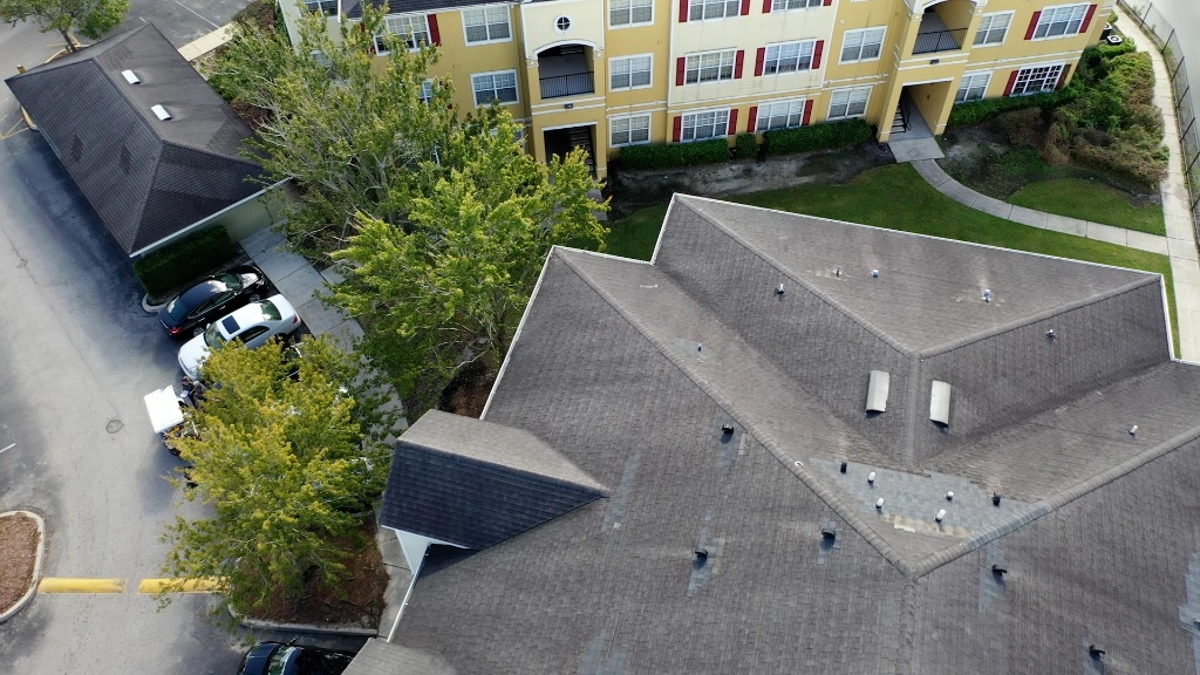


Best practices for scheduling roof inspections and repairs smartly can be the difference between a simple maintenance visit and an expensive emergency repair. Many homeowners only think about their roof when something goes wrong.
By then, damage has often spread further than expected. According to industry studies, routine roof inspections can extend a roof’s lifespan by up to 20–25% and significantly reduce unexpected repair costs. Yet most roofs are still inspected too late.
Have you ever wondered why small issues turn into leaks so fast? Or why a minor repair suddenly becomes urgent? According to roofing professionals, timing is the biggest factor. Scheduling inspections and repairs without a clear plan often leads to rushed decisions, higher costs, and avoidable stress. That is why experts consistently emphasize smart scheduling, not just frequent inspections.
In this guide, you will learn how to schedule roof inspections and repairs the right way, using proven best practices trusted by professionals. You will see how timing, prioritization, and preventive planning work together to protect your home. If you want fewer surprises, better control over costs, and a roof that lasts longer, this is information you do not want to skip.
Why Smart Scheduling Matters for Roof Inspections and Repairs
Most roof problems do not start as emergencies. They start small. A loose shingle. A minor flashing gap. A slow, hidden leak. The problem is not the issue itself. The problem is when it is discovered and how it is handled.
Smart scheduling is what separates controlled maintenance from expensive surprises. According to roofing industry data, homeowners who follow a planned inspection schedule are up to 40% less likely to face emergency roof repairs compared to those who only react when visible damage appears. That difference often translates into thousands of dollars saved over the life of a roof.
So why do so many homeowners still wait? Because roof damage is not always obvious. And without a clear inspection and repair schedule, it is easy to assume everything is fine until water stains show up inside the house.
This is where best practices for scheduling roof inspections and repairs truly matter. Timing affects cost. Timing affects safety. Timing affects how long your roof will actually last.
A smart schedule helps you:
- Detect problems early, before structural damage spreads
- Plan repairs calmly instead of reacting under pressure
- Avoid emergency tarping situations caused by delayed action
- Extend the overall lifespan of your roofing system
Roofing professionals consistently agree on one point: most major roof failures could have been reduced or avoided with better scheduling decisions. Inspections done at the right time lead to repairs done with priority, not panic.
If your goal is to protect your home, control costs, and avoid unnecessary stress, the way you schedule inspections and repairs matters just as much as the work itself.
The Difference Between Roof Inspections and Roof Repairs
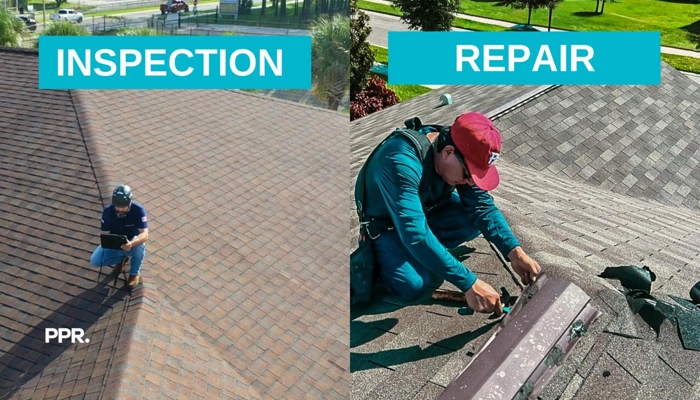
Many homeowners treat inspections and repairs as the same step. They are not. Confusing these two decisions is one of the main reasons small roof issues turn into expensive problems.
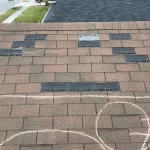
A roof inspection is a diagnostic process. Its purpose is to identify risks, not to fix them. During an inspection, a professional evaluates shingles, flashing, seals, drainage, and structural warning signs. The goal is to understand the roof’s condition and decide what comes next.
A roof repair, on the other hand, is an action. It happens after a problem is confirmed. Repairs address specific damage, such as missing shingles, leaking flashing, or weakened areas that could fail during the next storm.
What a Roof Inspection Is (and What It Is Not)
A roof inspection is designed to answer one question: Is your roof performing as it should right now? It is not a repair visit. It does not automatically mean work must be done. In many cases, inspections confirm that everything is still in good shape, which brings peace of mind.
Inspections focus on:
- Early signs of wear or movement
- Vulnerable areas exposed to wind and rain
- Damage that is not visible from the ground
What Counts as a Roof Repair
A roof repair begins when an issue is confirmed and needs correction. Repairs vary in urgency. Some must be handled immediately. Others can be scheduled without risk.

Common repair situations include:
- Active leaks or moisture intrusion
- Missing or damaged shingles
- Loose or failing flashing
Why Mixing These Two Decisions Causes Costly Mistakes
Scheduling repairs without a proper inspection often leads to guessing. Guessing leads to missed damage, repeat visits, or unnecessary work. On the other hand, delaying repairs after a confirmed issue increases the risk of water damage and emergency tarping.
Smart scheduling starts with knowing when to inspect and when to repair. Separating these steps creates better decisions, lower costs, and longer roof life.
Best Practices for Scheduling Roof Inspections
Scheduling roof inspections at the right time is more important than simply inspecting often. The best practice is to inspect before problems become visible, not after damage has already spread.
Professionals generally recommend routine inspections at predictable moments of the year, especially before and after periods of heavier weather. In Central Florida, this usually means checking the roof ahead of storm season and again once the season has passed. This timing helps catch movement, seal failures, or weakened areas while repairs are still manageable.
Inspections should also be scheduled after specific warning signs appear. A small ceiling stain, a lifted shingle, or debris after strong winds may not look urgent, but these are often early indicators of deeper issues. Addressing them quickly prevents moisture from reaching insulation or structural components.
Roof age and material also influence inspection timing. Newer roofs typically need fewer inspections, while aging roofs require closer monitoring. Materials such as asphalt shingles, tile, and metal each respond differently to heat, wind, and moisture, which is why inspection schedules should adapt as the roof gets older.
Smart inspection scheduling is proactive, not reactive. When inspections are planned around climate, roof condition, and early signals, homeowners gain control instead of reacting under pressure.
Best Practices for Scheduling Roof Repairs Smartly
Scheduling roof inspections is about finding risks early. Scheduling roof repairs is about deciding what to do once those risks are confirmed. Although they are closely connected, the logic behind each decision is different.
Scheduling roof repairs requires a different mindset than scheduling inspections. Once a problem is identified, the key question becomes timing. Repairing too late increases risk. Repairing without priority increases cost.
Smart repair scheduling starts with understanding urgency. Some issues demand immediate action because water intrusion spreads fast and silently. Others can wait, as long as they are monitored and addressed before the next weather event. The mistake many homeowners make is treating every repair the same, which often leads to rushed decisions or unnecessary emergency work.
Timing also matters from a practical standpoint. Scheduling repairs during calm weather windows allows crews to work safely and thoroughly. It also reduces the chance of temporary fixes, such as emergency tarping, becoming long-term solutions by accident.
Another best practice is aligning repairs with inspection findings instead of isolated symptoms. When repairs follow a clear inspection report, work is targeted and efficient. This approach avoids repeat visits and helps ensure that one repair does not overlook a related weak point nearby.
Smart repair scheduling is about control. When repairs are planned based on priority, weather conditions, and verified data, homeowners protect their roof without overpaying or leaving problems unresolved.
How Weather and Storm Seasons Affect Scheduling Decisions
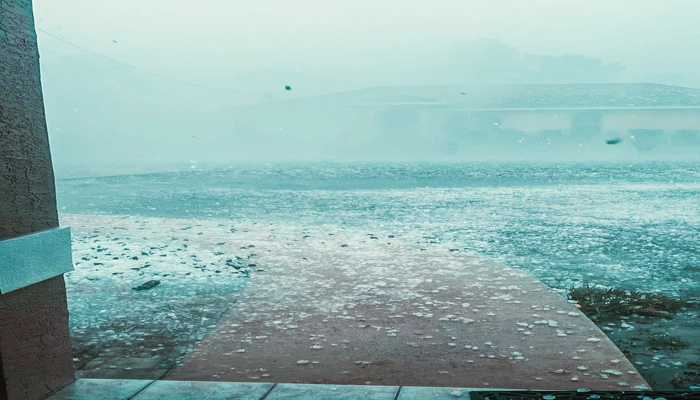
Weather plays a critical role in how and when roof inspections and repairs should be scheduled. In regions like Central Florida, timing is not just about convenience. It is about risk management.
High heat, heavy rain, and strong winds accelerate wear on roofing materials. Small weaknesses that remain stable during calm months can fail quickly once storm activity increases. This is why scheduling decisions should always consider seasonal patterns, not just the roof’s appearance.
Why Pre-and Post-Storm Season Inspections Matter
Scheduling an inspection before storm season helps identify vulnerable areas that may not survive intense weather. After the season ends, another inspection confirms whether hidden damage occurred, even if no leaks are visible yet. This approach reduces the chance of delayed repairs turning into interior damage months later.
How Weather Windows Impact Repair Timing
Repairs are most effective when scheduled during stable weather periods. Calm conditions allow proper sealing, fastening, and material alignment. Rushing repairs during active storm cycles often leads to temporary fixes that need to be redone, increasing both cost and risk.
Understanding how weather influences your scheduling decisions creates a buffer against emergencies. Instead of reacting to storms, you plan around them, which is exactly how long-term roof protection works.
How Preventive Maintenance Reduces Emergency Repairs
Most emergency roof repairs do not happen suddenly. They are usually the result of small issues that were ignored for too long. Preventive maintenance changes that pattern by addressing weaknesses before they turn into urgent problems.
Regular maintenance keeps critical areas working as they should. Seals stay intact. Flashings remain secure. Drainage flows correctly. When these elements are maintained, the roof handles heavy rain and wind with far less stress. This greatly reduces the likelihood of emergency tarping after storms.
Preventive care also improves scheduling flexibility. Instead of scrambling to fix damage during peak demand periods, homeowners can plan maintenance during calmer months. This often results in better workmanship and fewer disruptions.
Another overlooked benefit is cost control. Studies in the roofing industry show that preventive maintenance can reduce long-term repair expenses by up to 30%, mainly by avoiding structural damage caused by prolonged moisture exposure.
In simple terms, maintenance buys time. Time to plan. Time to choose the right repair window. And time to avoid emergencies that no homeowner wants to face.
How Smart Scheduling Protects Your Roof Investment Long-Term
Smart scheduling is not about doing more. It is about making the right decisions at the right time. When inspections and repairs follow a clear schedule, the roof stops being a recurring concern and becomes a controlled asset.
Over time, this approach changes how the roof ages, how costs behave, and how homeowners experience storm season.
Extending the Functional Life of Your Roof
Roofs rarely fail all at once. They decline gradually. Smart scheduling slows this decline by addressing stress points before they spread. When issues are resolved early, materials perform closer to their full expected lifespan instead of wearing out prematurely.
Reducing Long-Term Repair and Replacement Costs
Planned inspections and prioritized repairs help avoid expensive chain reactions. Moisture stays out. Structural components remain protected. This reduces the likelihood of major repairs or early replacement, which are often triggered by delayed action rather than material failure.
Creating Predictability Instead of Emergency Decisions
One of the biggest long-term benefits is predictability. Homeowners who schedule intelligently are rarely forced into last-minute decisions. They know what needs attention, when it can wait, and when it cannot. That control reduces stress and improves decision-making during critical moments.
Increasing Confidence During Storm Season
When storm season approaches, confidence matters. Knowing your roof has been inspected, maintained, and repaired when needed removes uncertainty. Instead of hoping for the best, you rely on preparation.
Smart scheduling does not guarantee zero problems, but it significantly improves outcomes over time. It protects both the structure of the home and the homeowner’s peace of mind.
Final Thoughts on Scheduling Roof Inspections and Repairs
Scheduling roof inspections and repairs smartly is not about reacting faster. It is about thinking ahead. When inspections are planned at the right moments and repairs are scheduled based on priority, homeowners avoid unnecessary stress, reduce long-term costs, and protect the value of their home.
Throughout this guide, one principle stays consistent: timing shapes outcomes. Roofs that are inspected early, repaired strategically, and maintained with intention last longer and fail less often. This approach becomes even more important in areas like Orlando and Central Florida, where heat, rain, and storm seasons place constant pressure on roofing systems.
If you are unsure whether your roof is due for an inspection, or if a recent issue should be repaired now or scheduled later, getting professional guidance makes the decision clearer. A well-timed inspection provides direction, not pressure, and helps prevent small concerns from turning into costly emergencies.
Protect Preserve Roofing works with homeowners across Central Florida to help them plan inspections and repairs with confidence.
Taking action early protects more than your roof. It protects your time, your budget, and your peace of mind.


Leave a Reply