






Roof Insurance is one of those topics most homeowners only think about after something goes wrong, and that delay can be expensive. According to industry data from U.S. insurers, roof-related damage is among the most common homeowners insurance claims each year, especially in storm-prone states like Florida, where wind and severe weather events continue to increase in frequency and intensity.
But here’s the problem. Many claims are reduced or denied not because the damage wasn’t real, but because homeowners didn’t understand the coverage rules before filing.
Roof age, damage type, documentation, and even how emergency repairs are handled can directly affect approval and payout. Have you ever wondered why two neighbors suffer similar roof damage, yet receive very different insurance outcomes?
That’s exactly why understanding roof insurance before you need it matters. This guide breaks down the rules every homeowner should know, clearly, honestly, and without insurance jargon.
Roofing professionals and insurance specialists agree that informed homeowners make better decisions, avoid costly mistakes, and protect their property long-term. Don’t wait until you’re facing leaks, tarps, and deadlines. The information ahead can help you decide what to do, what to avoid, and when taking action truly makes sense.
Does Homeowners Insurance Cover Roof Damage?
In many situations, homeowners insurance does cover roof damage, but only when the damage is caused by a sudden and unexpected event. This is where most homeowners get confused, and where many insurance claims start to fall apart.
Damage caused by strong winds, hail, fallen branches, or storm debris is usually covered under standard policies. These events are considered accidental. In areas like Orlando and Central Florida, where storms and wind damage are common, roof-related claims appear frequently in insurance reports.
Now comes the part most people don’t like hearing. When roof damage is linked to wear and tear, lack of maintenance, or an aging roof, coverage is usually denied. Dry shingles, long-term leaks, or problems that developed over time are not treated as accidents. From the insurer’s point of view, this is maintenance, not a claim.
There is another detail that often surprises homeowners. Not all visible damage is considered functional damage. A roof can look bad and still be classified as “working.” When that happens, insurance companies may reduce the payout or deny the claim altogether. It’s frustrating, but it happens more often than people expect.
Water damage adds another layer of complexity. If the roof was already allowing water inside before the reported event, the insurer is generally not required to pay for repairs. There are exceptions, but they are rare and depend on strong documentation. Waiting too long can turn a valid claim into a denied one.
The key question is simple: Did the damage happen suddenly, or did it develop over time? That single answer often determines how roof insurance responds. Understanding this early helps homeowners avoid false expectations, wasted time, and costly mistakes. In the next section, we’ll break down the coverage rules that directly affect claim approval, the details most policies don’t explain clearly.
Roof Insurance Coverage Rules That Affect Approval
Understanding coverage rules is what separates an approved claim from a frustrating denial. Most homeowners focus on the damage itself. Insurance companies focus on how the damage fits within the policy rules. That difference matters. Below are the rules that most often decide whether a roof insurance claim moves forward or stalls.
Roof Age, Condition, and Policy Limitations
Roof age plays a bigger role than many homeowners expect. As a roof gets older, insurers tend to apply more restrictions, even if the damage came from a storm. Some policies reduce coverage after a certain number of years. Others change how payouts are calculated.
Condition matters just as much. Missing shingles, brittle materials, or signs of deferred maintenance can weaken a claim. From the insurer’s perspective, storm damage on a poorly maintained roof is harder to separate from normal deterioration.
This doesn’t mean older roofs are never covered. It means the margin for approval becomes smaller, and documentation becomes more important.
Functional Damage vs. Cosmetic Damage
This is one of the most misunderstood rules in roof insurance. Functional damage affects how the roof performs. Water intrusion, lifted shingles, compromised underlayment, or exposed decking usually fall into this category.
Cosmetic damage affects appearance but not performance. Dents, surface marks, or visual irregularities may look serious, but if the roof still sheds water properly, insurers often classify the damage as cosmetic.

Here’s where frustration sets in. A roof can look rough and still be considered “serviceable.” When that happens, payouts may be reduced or denied altogether. Knowing this distinction early helps set realistic expectations and avoids surprises later in the claim process.
Partial Repairs, Matching Issues, and Coverage Limits
Insurance policies are not always designed to restore visual uniformity. Many cover only the damaged section, not the entire roof. This becomes an issue when replacement materials don’t match the existing ones.
Some policies limit coverage strictly to like-kind repairs. Others exclude matching altogether. That means a homeowner could end up with a roof that works fine but looks uneven.
Coverage limits also apply. Deductibles, sub-limits, and policy exclusions can cap how much the insurer pays, regardless of the total repair cost. These limits are written into the policy, even if they’re easy to miss.
This is why reading the fine print matters. Approval isn’t just about damage. It’s about how that damage fits within the rules already in place. In the next section, we’ll break down how roof insurance payouts actually work, including ACV, RCV, and depreciation, the part that directly impacts how much money ends up coming out of pocket.
How Roof Insurance Payouts Work (ACV vs. RCV)
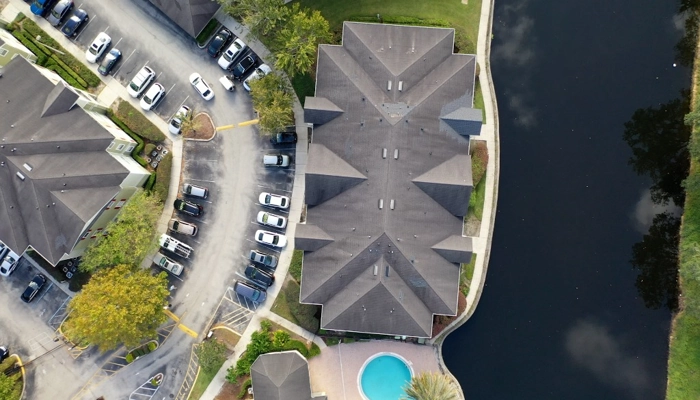
Understanding how payouts work is where roof insurance stops being theoretical and starts affecting your wallet. Two homes can suffer similar damage and receive very different payouts, depending on how the policy calculates value. This usually comes down to ACV, RCV, and depreciation rules.
Actual Cash Value (ACV) Explained Simply
ACV stands for Actual Cash Value. In plain terms, it means the insurer pays for the roof minus depreciation. Depreciation is based on age, condition, and expected lifespan. An older roof, even if well maintained, is considered less valuable on paper. The result is a lower payout and higher out-of-pocket cost for the homeowner.
Here’s the catch many people miss. ACV policies don’t ask how much it costs to replace the roof today. They ask what the damaged roof was worth at the moment before the loss. That difference can be significant.
For homeowners with aging roofs, ACV is often the reason a claim feels disappointing, even when it’s approved.
Replacement Cost Value (RCV) and Full Replacement
RCV, or Replacement Cost Value, works differently. Instead of subtracting depreciation, the insurer covers the cost to replace the damaged portion of the roof with similar materials, up to policy limits.
In many cases, RCV claims are paid in two steps. First, the insurer issues an initial payment. After repairs or replacement are completed and documented, the remaining amount is released.
This structure protects the insurer, but it also means homeowners must front part of the cost before receiving full reimbursement. Understanding this timing helps avoid cash-flow surprises during the repair process. RCV generally provides stronger financial protection, but it often comes with higher premiums and stricter eligibility requirements, especially for older roofs.
Roof Payment Schedules and Depreciation Rules
Some policies use roof payment schedules, also called limited loss settlements. These schedules reduce payouts based on the roof’s age, regardless of whether the policy is labeled ACV or RCV.
For example, a roof past a certain age may only be reimbursed at a fixed percentage of replacement cost. The older the roof, the lower the percentage.
These schedules are easy to overlook because they’re buried in policy language. Yet they have a major impact on claim outcomes. Homeowners often assume they have full replacement coverage, only to discover limits after damage occurs.
This is why payout rules matter as much as coverage itself. Knowing how your policy values the roof helps you decide whether filing a claim makes sense or whether paying out of pocket may be the smarter move. Next, we’ll walk through what actually happens during a roof insurance claim, from the first call to the final decision.
What Happens During a Roof Insurance Claim
Once a claim is filed, the process often moves quickly, but not always smoothly. Understanding the steps helps homeowners avoid mistakes that can delay approval or reduce payouts.
It begins with reporting the damage to the insurance company. This usually includes the date of the event, a brief description, and any immediate actions taken to prevent further damage. Accuracy matters. Small inconsistencies early on can create problems later.
Next comes the inspection. An insurance adjuster evaluates the roof to determine the cause and extent of the damage. This goes beyond appearance. Adjusters look for signs that support a sudden event, not long-term wear, and assess whether the damage affects the roof’s ability to protect the home.
Timing is important. Delays between the event and inspection can complicate claims, especially if additional exposure worsens the condition. Proper temporary protection can help preserve the damage as evidence rather than interfere with the claim.
After the inspection, the insurer reviews everything against policy rules. This is where deductibles, depreciation, and coverage limits come into play. The outcome may be full approval, partial approval, or a request for more information.
The main takeaway is simple: roof insurance claims are not just about damage. They depend on how that damage is reported, inspected, and documented.
Emergency Roof Damage and Temporary Repairs
When emergency roof damage happens, insurance companies expect prompt action to prevent further loss. That expectation matters. Failing to act can weaken a claim, even when the original damage is covered under the policy.
Temporary repairs, such as emergency tarping, are not meant to fix the roof. Their purpose is to limit additional damage until a full repair or replacement can be properly evaluated. When done correctly, temporary protection helps preserve the condition of the roof for inspection and supports the insurance review process.
There is a critical rule homeowners should understand. Improper temporary repairs can create insurance issues. Nailing or screwing tarps directly into the roof is generally discouraged, as it may cause additional damage and raise questions during claim evaluation. Insurance companies assess whether the actions taken reduced risk, or introduced new problems.
From an insurance perspective, timing and method matter. Acting too late can allow further damage. Acting the wrong way can complicate coverage. The goal is simple: protect the home without altering the original condition of the damage.
The key takeaway is this: temporary repairs should stabilize the situation, not change it. When handled correctly, they support the claim. When handled poorly, they can quietly work against it.
Documentation That Protects Your Roof Insurance Claim
Good documentation doesn’t just support a roof insurance claim, it often determines how far the claim goes. Insurance companies rely on records to separate sudden damage from long-term issues. When documentation is weak, even valid claims can lose strength.
Photos are the starting point. Clear images of the damaged areas, taken as soon as possible after the event, help establish timing and severity. Wide shots show context. Close-ups show detail. Together, they tell a complete story. Waiting too long or taking incomplete photos leaves room for doubt.
Timing matters more than most homeowners realize. Insurers compare the reported date of loss with weather data and inspection findings. When those pieces don’t line up, questions follow. Simple records, such as the date of the storm, visible damage shortly after, and steps taken to prevent further loss, can make a meaningful difference.
Written notes also help. A brief description of what happened, when it happened, and what changed afterward creates a clear timeline. This doesn’t need to be complicated. It needs to be accurate.
One common mistake is altering the roof before documentation is complete. Repairs made too early can remove evidence that adjusters rely on to evaluate coverage. Temporary protection is usually acceptable. Permanent changes, without proper records, often are not.
Strong documentation doesn’t guarantee approval. But weak documentation almost guarantees delays, reductions, or denials. When it comes to roof insurance, proof matters as much as damage.
Preventive Roof Maintenance and Insurance Impact
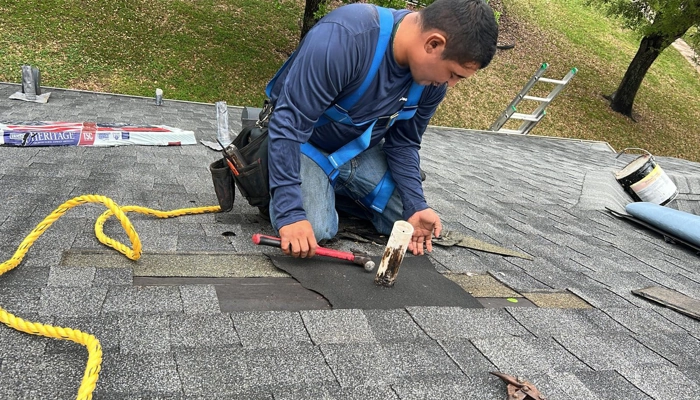
Preventive maintenance plays a bigger role in roof insurance than many homeowners expect. Insurance companies don’t require a perfect roof, but they do expect reasonable care. When maintenance is ignored, coverage can be affected.
Maintenance Issues That Lead to Claim Denials
Certain conditions raise red flags quickly. Loose or missing shingles, clogged gutters, deteriorated flashing, and long-standing leaks often signal neglect. When these issues exist before a storm, insurers may argue that the damage was not sudden, which can weaken or block a claim.
From an insurance perspective, these problems suggest that the roof was already compromised. That makes it harder to connect the damage to a single covered event.
Inspections and Small Repairs That Reduce Risk
Simple inspections can work in the homeowner’s favor. Checking the roof after severe weather, documenting visible conditions, and addressing minor issues early helps establish that the roof was in serviceable condition before any loss.
Think of maintenance as setting the stage. A roof that receives basic care makes it easier to show that damage came from a specific event. A neglected roof makes that connection harder to prove. Preventive care isn’t about avoiding claims at all costs. It’s about protecting eligibility when a claim becomes necessary.
Roof Insurance Considerations for Orlando and Central Florida
Roof insurance doesn’t work the same way everywhere. Location matters, and in Orlando and Central Florida, insurers pay close attention to weather patterns, construction standards, and claim frequency.
Storm activity is one of the biggest factors. Strong winds, heavy rain, and hail events are common in this region, which means roof damage is also common. Because of that, insurance companies often apply stricter scrutiny during inspections. They want to confirm that damage came from a specific event, not from ongoing exposure or aging.
Another important detail is local building requirements. Roofing systems in Central Florida are expected to meet wind resistance and installation standards designed for storm-prone areas. When a roof falls short of those expectations, insurers may question whether the damage was avoidable, which can affect coverage decisions.
This is where local experience becomes relevant. Contractors who understand regional weather risks and inspection expectations are better equipped to document damage in a way that aligns with how insurers evaluate claims in this area. That context can help prevent misunderstandings during the review process.
For homeowners, the takeaway is simple: insurance decisions are influenced by where the home is located. Knowing how regional factors affect roof claims helps set realistic expectations and reduces surprises after severe weather.
When Filing a Roof Insurance Claim Makes Sense
Filing a roof insurance claim isn’t always the best move. In some situations, it protects the homeowner. In others, it creates more problems than solutions. Knowing the difference is critical.
The first factor to consider is severity. Damage that affects the roof’s ability to protect the home, active leaks, structural compromise, or widespread failure, often justifies a claim. Minor issues that don’t impact performance may not.
Another key point is policy impact. Claims can influence future premiums or renewal terms, especially in regions with frequent storm activity. That doesn’t mean claims should be avoided at all costs, but they should be filed with purpose, not emotion.
Timing also matters. Waiting too long can complicate coverage. Acting too quickly, without understanding the policy or documenting the damage properly, can do the same. The goal is informed action, not rushed decisions.
Claim vs. Out-of-Pocket Repair
Some repairs cost less to handle directly than to process through insurance. When damage is limited and the deductible is high, paying out of pocket may be the simpler path.
On the other hand, when damage is extensive or worsens quickly, insurance may be the safer option. The decision often comes down to scale, risk, and long-term impact, not just immediate cost.
Deductibles, Long-Term Costs, and Policy Impact
Deductibles set the baseline for any claim. If repair costs barely exceed that amount, the financial benefit may be limited. In those cases, the long-term effect on the policy deserves careful thought.
Insurance works best when it’s used as intended: for significant, unexpected losses. Understanding when a claim truly makes sense helps homeowners protect both their roof and their coverage over time.
Final Thoughts on Roof Insurance Coverage Rules
Roof insurance works best when homeowners understand the rules before damage happens. Coverage decisions aren’t based on guesswork or good intentions. They’re based on timing, documentation, roof condition, and how well the situation aligns with the policy.
Throughout this guide, one pattern stays consistent. Claims tend to succeed when damage is sudden, properly documented, and handled with care from the start. Problems arise when action is delayed, temporary repairs are done incorrectly, or expectations don’t match how insurance actually works.
For homeowners in Orlando and Central Florida, this knowledge matters even more. Storm activity is common, inspections are thorough, and insurance reviews are detailed. Knowing how coverage rules apply in real situations helps avoid rushed decisions and unnecessary setbacks.
If your roof was recently damaged, or if you’re unsure whether filing a claim makes sense, getting clarity early can prevent costly mistakes. A professional inspection can help you understand the condition of your roof, what documentation may be needed, and which options make sense before moving forward.
When you’re ready to take the next step, learn more about Protect Preserve Roofing and how our team supports homeowners through roof inspections, temporary protection, repairs, and replacements.


Leave a Reply