



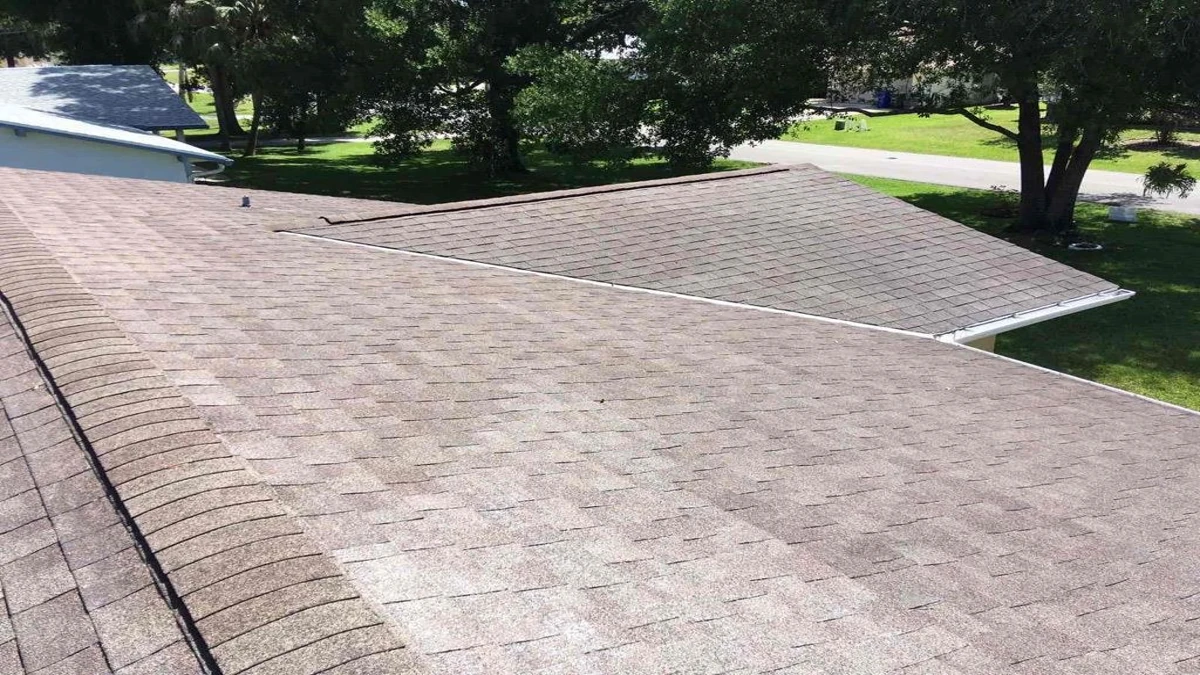


Will a new roof increase the value of my home before selling? In many cases, yes, but not because buyers are excited to “pay extra” for shingles. It’s because a roof is one of the first things that triggers trust… or instant doubt.
Think about it: a buyer can repaint a wall. They can swap out light fixtures. But a roof? That’s a big-ticket item, and it’s tied to safety, water damage, insurance, and the inspection report. So if your roof looks worn out, has missing shingles, or shows signs of a leak, it can quietly kill your leverage before you even get to the negotiation table.
The good news is this: you don’t always need a full replacement to protect your sale. Sometimes a strategic repair and the right documentation does the job. Other times, replacing the roof is the smartest move because it prevents price cuts, repair credits, and deal delays.
In this guide, I’ll walk you through exactly how to decide, using realistic ROI expectations, what inspectors look for, and what buyers in Florida tend to react to fast. If you’re selling in Orlando or anywhere in Central Florida, this matters even more, because heat, humidity, and storm season can turn a “small roof issue” into a big red flag overnight.
Why the roof matters more than most sellers think
When people ask, “Will a new roof increase the value of my home before selling?”, they’re usually thinking in one direction: “If I spend $X, will I get $X back?”
But in real life, the roof doesn’t just affect your price… it affects your leverage.
A new roof can:
- reduce inspection objections
- prevent repair credits
- protect your asking price
- speed up buyer confidence (and shorten time on market)
And there’s data behind that.
According to the Remodeling Cost vs. Value Report, a roof replacement typically returns around 60% to 70% of its cost in resale value, depending on the market and roof type. That doesn’t mean you “lose money.” It means the roof often works like a deal-protection upgrade, one that keeps buyers from negotiating you down even harder.
Now here’s the part most sellers don’t realize: the real ROI is often what you don’t lose.
A quick real-world example (what we see all the time)
Let’s say you list your home and the roof is near the end of its life.
Even if the house looks great inside, buyers start thinking:
- “Will I need to replace it right away?”
- “Will insurance reject it?”
- “What else is hiding up there?”
That’s when you start seeing offers that come with:
- repair requests
- price reductions
- credits at closing
- or buyers walking away after inspection
In Central Florida, where storms and humidity are constant pressure on roofing systems, buyers tend to be even more sensitive to anything that looks like a future leak.
What insurance professionals often warn homeowners about
Insurance pros regularly point out that roof condition isn’t just cosmetic, it’s risk management. A roof that’s clearly deteriorating increases the chances of water intrusion, interior damage, and expensive claims. In plain terms: if a buyer believes the roof is a risk, they negotiate like it’s a risk.
And here’s the “marketing” side most people ignore
In digital home shopping, the roof affects your listing before anyone even steps inside.
Marketing specialists in real estate often highlight that buyers decide whether to click, save, or schedule a showing based on confidence signals, especially in the first photos. A roof that looks patchy, uneven, or visibly aged can quietly reduce interest even if the rest of the home is solid. That’s why a roof replacement sometimes doesn’t just raise value, it makes the home easier to sell.

The Short Answer: Yes, But Only If Your Roof Fails These 3 Tests

Yes, a new roof can increase your home’s value before selling, but mainly when it removes a problem that would scare buyers, show up in the inspection, or trigger price negotiations.
If your roof still looks solid and performs well, a full replacement may not raise your sale price enough to justify the cost. In many cases, a smart repair and clean documentation is the better move.
Here are the three tests that make the decision clear.
Test #1: Age and remaining roof life
Buyers ask how old the roof is because they’re thinking: “How soon will I have to replace it?” If your roof feels near the end of its life, it can lower offers, even if it isn’t leaking yet.
Test #2: Visible damage buyers notice fast
Buyers may not know roofing, but they notice things like missing shingles, uneven areas, or patchy repairs. If it looks risky from the street, they negotiate harder inside.
Test #3: Inspection risk (leaks, decking, flashing)
This is where sellers lose money. Roof issues on an inspection report often lead to credits, repairs, delays, or even a canceled deal, especially in storm-prone areas like Orlando and Central Florida.
Quick rule: if your roof fails two or more of these tests, replacing it before selling usually makes the most sense.
How Much Value Does a New Roof Add Before Selling?
Let’s talk numbers, because this is usually the real question behind the question. When homeowners ask “will a new roof increase the value of my home before selling?”, what they really mean is:
“If I spend this money, will I get it back?”
Most of the time, a roof replacement doesn’t work like a jackpot upgrade where your home price jumps dollar-for-dollar. It works more like a deal-protection upgrade, it helps you keep your asking price instead of getting pushed down during negotiations.
The realistic ROI range most sellers can expect
In many markets, a new roof typically returns around 60% to 70% of the project cost in resale value.
But here’s the important part: That percentage is only part of the story. Because a new roof can also add value in ways that don’t show up neatly in a calculator, like:
- fewer repair requests after inspection
- fewer “credits at closing” demands
- stronger offers (with less hesitation)
- a smoother closing timeline
In other words, the roof doesn’t always “raise the price.” It often reduces the buyer’s reason to lower it.
Why some sellers get more value than others
Two homeowners can replace a roof and get completely different results.
The biggest value jumps usually happen when:
- the old roof looks worn out or questionable
- the listing is competing with newer homes
- the buyer is cautious (first-time buyers are especially sensitive)
- insurance or inspection concerns are likely
But if your roof is still in good shape and looks clean, a full replacement might not move the needle much. In that case, buyers may just think:
“Cool… this should’ve already been fine.”
The simplest way to think about it
A new roof adds the most value when it removes fear. If your current roof creates doubt, replacing it can protect your sale price and keep the deal from turning into a negotiation war.
And if you’re selling in Orlando or Central Florida, this matters even more, because buyers know storms, heat, and humidity can turn a “small roof issue” into a costly problem fast.
Next, we’ll break down what buyers and home inspectors actually look for, and the specific roof problems that tend to kill offers.
What Buyers and Home Inspectors Look for (And What Kills Offers)
Here’s the part most sellers learn too late: Buyers don’t just buy your home. They buy the risk that comes with it.
And the roof is one of the fastest ways a buyer decides whether your home feels safe… or like a future headache. Below are the biggest things buyers and inspectors pay attention to, and the issues that can turn a good offer into a price cut.
Exterior red flags buyers notice immediately
Even buyers who know nothing about roofing can spot trouble when they pull up to the house. These are the visual issues that instantly lower confidence:
- missing, cracked, or curling shingles
- uneven roof lines or sagging areas
- patchy repairs that stand out from the rest of the roof
- heavy granule loss (shingles look “bald” or worn)
- dark streaks that look like moisture problems
If the roof looks neglected, buyers often assume the rest of the home might be the same. And that’s when the mindset changes from: “How much do I love this home?” to “How much will this cost me later?”
The hidden issues that show up in inspections
This is where deals get tense, because inspection findings feel “official.” Some of the most common roof-related inspection problems include:
- flashing issues around valleys, chimneys, and roof edges
- soft spots that suggest weak decking underneath
- poor ventilation (heat and moisture trapped in the attic)
- signs of past leaks, even if they were “fixed”
These issues matter because they create uncertainty. Buyers don’t want surprises after closing, so they negotiate hard while they still can.
Why leaks and ventilation problems scare buyers most
A roof leak isn’t just a roof problem.
It can lead to:
- ceiling stains
- insulation damage
- mold risk
- wood rot
- higher repair costs than expected
Ventilation problems can also shorten roof life and create moisture issues, especially in humid climates like Orlando and Central Florida.
So when buyers see leak evidence or ventilation concerns, they often don’t think “small fix.” They think: “This could turn into a big bill fast.”
Next, we’ll make the decision simple with a clear framework: replace vs repair before selling, and how to choose the smartest move for your timeline and budget.
Replace vs Repair Before Selling: The Smart Decision Framework

If you’re selling soon, the goal isn’t to “win a roofing contest.” The goal is to avoid losing money during negotiations.
That’s why the best move usually falls into one of these three lanes:
- Repair it and sell confidently
- Replace it and remove the risk completely
- Do nothing, and be ready to pay for it in credits or price cuts
Here’s how to choose the smartest option without guessing.
When a repair is enough (and still protects your sale)
A repair can be the right call if:
- the roof is generally in good shape
- the problem is isolated (a few shingles, small flashing issue, minor leak source)
- there’s no widespread wear or sagging
- you can document the fix clearly
In this case, buyers don’t need a brand-new roof. They need to feel like the roof won’t become their problem right after closing. A clean repair plus proof (photos, invoice, inspection notes) often does that.
When replacement makes more sense (even if it hurts the budget)
A full replacement becomes the smarter move when the roof creates doubt you can’t “patch away,” like:
- widespread shingle failure
- multiple leak areas or recurring leaks
- soft decking concerns
- visible aging that buyers will question instantly
- high inspection risk that could stall the deal
This is where sellers get the most value from replacement, because it removes the biggest fear factor in the entire transaction.
The mistake that costs sellers the most
Here’s the trap:
Some homeowners try to “save money” by doing the smallest possible fix… but the roof still looks questionable.
That usually leads to the worst outcome:
- the buyer still negotiates
- the inspector still flags it
- and now you’ve paid for repairs and you still lose money in credits
So the real question isn’t just “repair or replace?”
It’s:
Will this roof look reliable to a cautious buyer and an inspector? If the answer is yes, a repair may be enough. If the answer is no, replacement usually wins, because it protects your price and your timeline.
Roof Replacement Cost vs Value Increase: What Changes the Price Fast
Roof replacement pricing can be confusing because two homes can look similar and still get very different estimates. That’s why “average roof cost” online isn’t enough to guide a selling decision. The real price depends on your roof’s size, pitch, how many layers need tear-off, and what’s happening underneath, especially the decking.
Once the old roof comes off, hidden damage can raise the cost fast, but it’s also what separates a quick patch from a roof that truly protects your sale.
When you’re selling, the value increase isn’t just about materials,, it’s about confidence. Buyers don’t always pay more because you picked a premium shingle, but they do pay more (or negotiate less) when the roof looks new, reliable, and low-risk in an inspection. Solid flashing, proper ventilation, and clean documentation often matter more than people expect, especially in Central Florida heat and humidity.
The biggest mistake sellers make is waiting until a buyer’s inspection forces the issue. Surprise costs like permits, disposal, wood replacement, or ventilation upgrades are much easier to manage when you’re still in control of the timeline. A detailed estimate before listing helps you avoid rushed decisions, protect your price, and keep the deal moving.
Storm Season Reality: How to Protect a Sale if Damage Happens Mid-Listing
If you’re selling in Florida, there’s one thing you can’t control: weather. And if a storm hits while your home is listed, or worse, while you’re already under contract, roof damage can instantly turn into a stressful mess. Not just because of the repair itself, but because buyers start wondering:
“Is this going to delay closing?”
“Is there hidden water damage?”
“Will the insurance situation get complicated?”
The good news is you can protect the deal. You just need to handle it the right way.
First, focus on stopping the problem from getting bigger. If active leaking or exposed areas are involved, a temporary roof cover (tarp) can be the smartest move. It’s not a “final fix,” but it buys time and helps prevent interior damage while you schedule the proper repair or replacement.
Second, don’t leave the buyer guessing. Storm damage feels scary when it’s vague. It feels manageable when it’s documented. The best way to keep trust high is to collect simple proof:
- photos of the damage (before and after)
- a written assessment from a roofing professional
- invoices or repair documentation
- clear next steps and timeline
That documentation does two important things: it reduces panic, and it reduces negotiation pressure.
Now here’s the key detail most sellers miss: a tarp can help, but it can also raise questions if it looks like a long-term band-aid. If buyers see a tarp and don’t know what’s happening, they assume the worst. That’s why the goal is always the same: temporary protection + a clear plan + fast professional follow-up.
In Orlando and Central Florida, storms can pop up fast, and small roof problems can turn into big buyer objections overnight. Handling storm damage quickly, and transparently, keeps your listing strong, protects your price, and helps you avoid a deal that drags out or falls apart.
Preventive Maintenance That Protects Home Value (Even If You Don’t Replace)
If you’re selling soon, preventive roof maintenance isn’t about perfection, it’s about avoiding surprises that lead to credits, delays, or stressful negotiations. Buyers don’t need a brand-new roof in every case, but they do need to feel like the home is low-risk.
In Orlando and Central Florida, that matters even more because heat, humidity, and storms can turn small issues into big ones fast.
Before listing, focus on simple checks: keep gutters clear, look for missing or loose shingles after windy days, and watch seal points around vents and flashing. Inside the home, a quick attic check for stains, damp insulation, or musty odors can help you catch problems early.
Handling small fixes now, like replacing a few shingles or sealing minor gaps, can prevent emergency tarp situations and keep your sale on track.
Final Thoughts
So, will a new roof increase the value of my home before selling? Yes, but the biggest win isn’t always a higher sale price. It’s stronger buyer confidence, fewer inspection problems, and less pressure to give discounts at the worst possible time.
If your roof is newer, looks clean, and has no major risk signs, a smart repair and solid documentation may be all you need. But if the roof looks worn out, raises inspection concerns, or could become a negotiation target, replacing it before listing can protect your price and keep your deal moving smoothly.
The key is making the decision early, before a buyer or inspector forces it for you. That’s how you stay in control of your timeline, your budget, and your final sale outcome.
If you’re selling your home and you’re not sure whether to repair or replace your roof, we can help you make the smart call, without pressure and without guesswork.
Protect Preserve Roofing serves Orlando and Central Florida with honest roof inspections, storm-damage support, and clear recommendations that protect your home’s value before you list.
Schedule a roof inspection today and get a straightforward plan you can trust.


Leave a Reply