



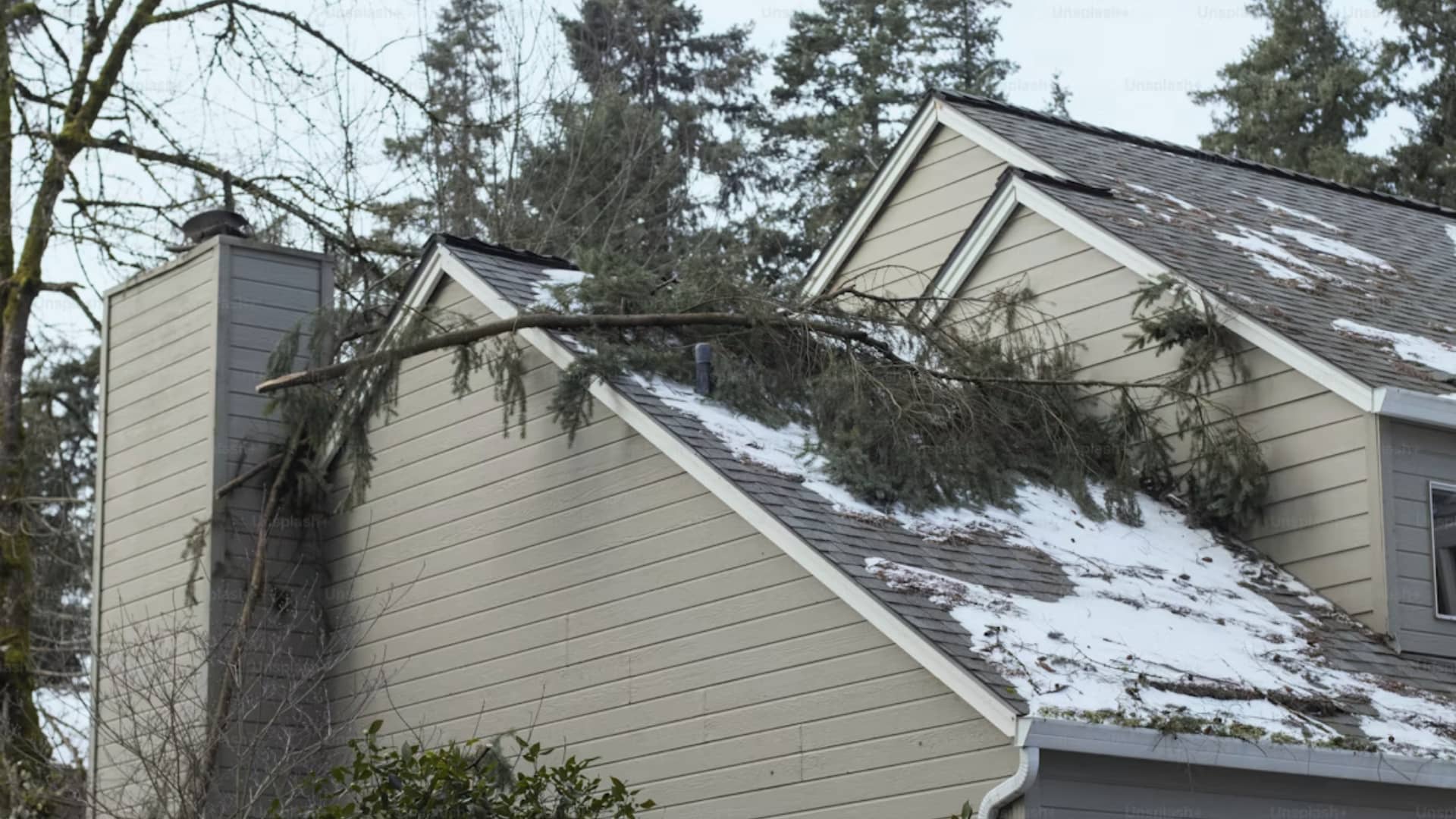


How to protect your roof from storm damage is a question many homeowners only start asking after the damage is already done. And that’s exactly where the real cost begins. Strong winds, driving rain, and flying debris don’t just test your roof, they expose every weak point you didn’t know was there.
According to FEMA and other U.S. government agencies, severe storms and hurricanes are among the leading causes of residential property damage in states like Florida, resulting in billions of dollars in losses every year.
What most homeowners don’t realize is that much of this damage doesn’t come from dramatic roof failures, but from small vulnerabilities that worsen quickly once a storm hits. Have you ever noticed how a minor issue suddenly turns into a major leak overnight?
The good news is this: storm damage is often preventable. With the right preparation, smart maintenance, and clear decisions before and after a storm, you can significantly reduce risk, stress, and repair costs. And when temporary solutions like a roof tarp are needed, knowing how and when to act makes all the difference.
If storms are common where you live, especially across Central Florida, this guide will walk you through what really protects a roof, what homeowners often overlook, and how to make confident decisions before the next storm arrives. Don’t wait until the weather radar turns red to start thinking about your roof.
Why Storm Damage Is One of the Biggest Threats to Your Roof
Storm damage is not rare, and it is not random. It follows a pattern. Wind lifts roofing materials. Rain is pushed sideways. Water finds the smallest opening and spreads fast.
According to FEMA, severe storms and hurricanes are among the main causes of residential property damage in the United States. In Florida, storm-related events lead to billions of dollars in home losses each year, much of it tied to roof failures that began as minor issues. What looks harmless before a storm can turn into serious damage once wind and heavy rain hit.
Many homeowners expect roof damage to be obvious. Missing shingles. Fallen branches. But the most common problems start out of sight. Loose materials. Worn flashing. Poor drainage. During a storm, these weak points are tested at the same time. When one fails, water follows pressure and gravity.
This is especially true in Central Florida. High winds create uplift, not just downward force. Rain is driven into seams and edges that normally stay dry. Over time, even solid roofs can struggle if they are not prepared.
Once water enters the roofing system, the risk increases quickly. Moisture can reach insulation and decking long before a leak shows inside the home. By the time stains appear, the damage is often already advanced.
Understanding how storms damage roofs is the first step toward prevention. Not guessing. Not waiting. Just knowing where the real risks begin.
How to Protect Your Roof From Storm Damage Starts With Knowing the Weak Points
How to protect your roof from storm damage is not about doing everything at once. It starts with knowing where roofs usually fail first. Most storm-related problems don’t come from the middle of the roof. They come from edges, seams, and transitions.
These areas handle the most stress during high wind and heavy rain. When they are compromised, water doesn’t need much space to get in. A gap the size of a coin can be enough under the right conditions.
The Most Common Storm Entry Points on Residential Roofs
Some weak points appear again and again after major storms:
- Loose or aging shingles that can lift under wind pressure
- Flashing around chimneys, vents, and valleys that has dried or cracked
- Roof penetrations that were sealed years ago and never checked again
- Gutters filled with debris, forcing water back under the roof edge
According to data referenced by FEMA and local emergency management agencies, water intrusion is one of the most frequent causes of post-storm residential damage. In many cases, the roof structure itself remains intact, but failures at these entry points allow water to spread inside the home.
Why Small Issues Become Major Leaks During Heavy Storms
Under normal rain, these weak spots may never show signs of trouble. During a storm, everything changes. Wind-driven rain increases pressure. Water moves sideways. Shingles flex. Seals are tested.
Once water enters, it does not stay in one place. It follows the slope of the roof, the grain of the wood, and the path of least resistance. That’s why a leak often appears far from where the problem actually started.

This is also why storm damage escalates so quickly. What begins as a small vulnerability can turn into interior damage in a single weather event. Knowing these weak points gives homeowners a clear advantage before storms arrive.
How Wind, Rain, and Flying Debris Affect Different Roof Types
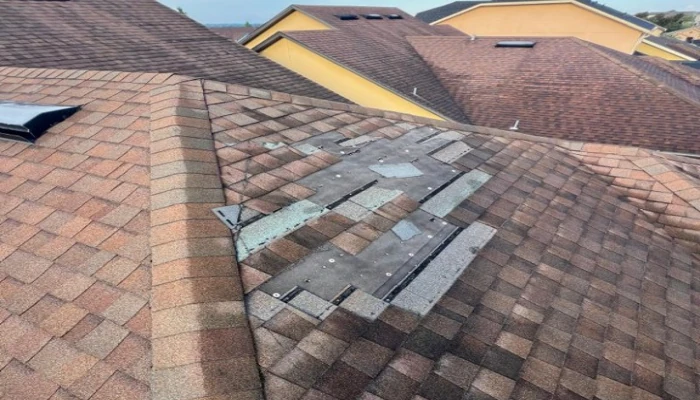
Not all roofs respond to storms the same way. Materials matter. Design matters. And understanding these differences helps homeowners make better decisions before damage happens.
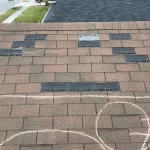
On shingle roofs, wind is the main enemy. As gusts lift the edges, shingles lose their seal. Once that bond breaks, rain has a direct path underneath. Even a few lifted shingles can expose the underlayment to water, especially during long storms.
Tile roofs behave differently. The tiles themselves are heavy, but they rely on proper placement and fastening. Strong winds can shift or crack tiles, creating gaps that allow water to reach the layers below. When that happens, damage often spreads quietly, without obvious exterior signs.
Metal roofs handle wind well, but seams and fasteners need attention. If fasteners loosen or sealants wear down, water can travel along seams and enter the structure. Metal does not absorb water, but the system beneath it can.
Flat and low-slope roofs face another challenge. Water does not drain as quickly. During heavy rain, pooling increases pressure on seams and penetrations. If drainage is slow or blocked, even a small weakness can lead to leaks.
Flying debris adds another layer of risk. Branches, loose objects, and construction debris can strike roofing surfaces during storms. The impact may not cause immediate failure, but it can weaken materials enough to create future problems.
Understanding how your specific roof type reacts to storms is critical. It helps you focus on the right preventive steps instead of guessing. In the next section, we’ll look at simple maintenance actions that reduce storm damage risk before weather conditions turn severe.
Preventive Roof Maintenance That Reduces Storm Damage Risk
Most storm damage doesn’t start during the storm. It starts months before, when small maintenance tasks are ignored. The goal here is simple: reduce the number of weak points before wind and rain put pressure on the roof.
Preventive maintenance is not about constant repairs. It’s about catching problems while they are still easy to manage. When done right, it lowers repair costs and reduces the chance of emergency situations later.
Simple Maintenance Tasks That Make a Big Difference
Some actions have an outsized impact on storm resistance:
- Clearing gutters and downspouts so water can flow away from the roof
- Checking for loose or curling shingles and addressing them early
- Looking for cracked or deteriorated flashing around vents and chimneys
- Removing branches that hang too close to the roof
These steps don’t require advanced tools, but they do require consistency. Skipping them is like driving with worn tires into a rainstorm. You may be fine. Or you may not.
How Often Homeowners Should Inspect Their Roof in Storm-Prone Areas
In regions where storms are common, inspections should follow a rhythm:
- Before storm season: to catch existing vulnerabilities
- Mid-season: to ensure nothing has shifted or deteriorated
- After major storms: to identify damage before it spreads
Many homeowners wait until they see a leak. That’s usually too late. A quick visual inspection from the ground and the attic can reveal warning signs early, when solutions are still simple.
Preventive maintenance does not eliminate storm damage risk, but it reduces it significantly. And when a storm does hit, a well-maintained roof is far more likely to hold its ground.
Next, we’ll cover situations where prevention isn’t enough and temporary roof protection, like blue tarps, becomes necessary, and how to handle that safely.
When a Temporary Roof Cover or Blue Tarp Is the Right Solution
A temporary roof cover, commonly known as a blue tarp, plays a specific role in storm response. It is used when part of the roof is exposed and needs short-term protection from rain and moisture. The goal is not to fix the problem, but to control it until permanent repairs can be safely planned.
This solution is most appropriate when storm damage creates an opening that allows water to reach the roof structure. In these moments, acting quickly helps reduce the spread of moisture and limits interior exposure. The tarp works as a shield, redirecting water away from vulnerable areas while the roof awaits proper attention.
What a Temporary Roof Cover Is Designed to Do
A roof tarp is meant to provide temporary protection, not structural recovery. It helps manage immediate risks by covering exposed sections and reducing water intrusion during unstable weather conditions. When placed correctly, it supports the roof system by keeping moisture from reaching insulation, decking, and interior finishes.
It is important to see the tarp as part of a broader process. It does not restore strength to damaged materials, and it does not stop all weather-related stress. Its value lies in slowing down the problem, not solving it entirely.
Installation Considerations for Residential Roofs
How a tarp is installed matters just as much as when it is used. In residential settings, installation methods are chosen to protect the roof rather than add stress to it. Securing a tarp typically focuses on stability without creating new openings that could compromise the structure.
In some situations, such as roofs with very steep slopes or extensive damage, alternative securing methods may be considered. These cases require careful evaluation, as the condition of the roof and future repair plans play a role in deciding the safest approach.
Coverage is another key factor. A tarp must extend beyond the damaged area to remain effective under wind pressure. When edges are properly positioned and secured, the tarp is more likely to stay in place and perform its protective function.
Used at the right time and in the right way, a temporary roof cover helps homeowners regain control after a storm. It creates a buffer between immediate damage and long-term repairs, allowing for clearer decisions instead of rushed ones.
In the next section, we’ll walk through what homeowners should do after a storm to prevent additional roof damage and avoid unnecessary setbacks.
What to Do After a Storm to Prevent Further Roof Damage
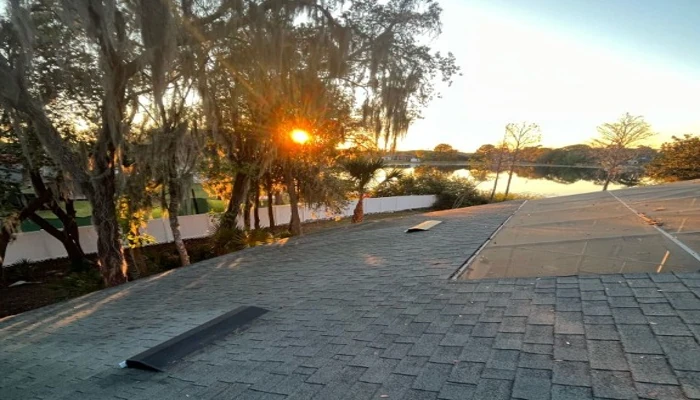
Once a storm passes, the risk doesn’t end. In many cases, it increases. This is the moment when small decisions make a big difference. Acting with calm and direction helps prevent damage from spreading.
The first step is observation, not action. From the ground, look for obvious changes. Missing shingles. Debris on the roof. Bent gutters. These signs don’t confirm the full extent of the damage, but they tell you where attention is needed. Climbing onto the roof too soon can be dangerous and often makes things worse.
Inside the house, pay attention to new smells, stains, or damp areas. Moisture doesn’t always show up right away. Sometimes it travels along framing or insulation before becoming visible. Catching these signs early helps limit interior damage.
Ventilation also matters after a storm. If moisture entered the attic or roof system, trapped humidity can accelerate deterioration. Controlled airflow, when safe, helps slow that process until the roof can be properly addressed.
This is also the point where documentation becomes important. Photos taken soon after the storm help establish what changed and when. They provide clarity, not just for repairs, but for planning the next steps responsibly.
The goal after a storm is not to fix everything immediately. It is to stabilize the situation, avoid unnecessary risks, and prevent additional exposure. Rushed actions often lead to avoidable setbacks.
Up next, we’ll look at warning signs that indicate professional attention is needed, and how to recognize when a roof issue goes beyond surface-level damage.
Warning Signs That Your Roof Needs Professional Attention
Not all roof problems announce themselves loudly. Some show up in subtle ways, and ignoring them can turn a manageable situation into a complex repair. Knowing what to watch for helps homeowners act before damage spreads.
Changes inside the home are often the first clue. New stains on ceilings or walls, even small ones, usually point to water traveling through the roofing system. A musty smell in certain rooms or in the attic can also signal trapped moisture. These signs rarely improve on their own.
Outside, the roof may show uneven areas, lifted materials, or sections that no longer sit flat. After a storm, these details matter. They indicate stress points where wind and rain may have weakened the system. Gutters pulling away or overflowing in places they didn’t before are another signal that water is not being managed properly.
Time is also a factor. If an issue appears repeatedly after storms, it suggests an underlying weakness. Temporary measures may slow the problem, but they won’t address its source. At this stage, professional assessment helps determine whether the damage is isolated or part of a larger pattern.
Professional inspections are not about finding faults for the sake of it. They provide clarity. They help homeowners understand what is urgent, what can wait, and what steps make sense next. That clarity reduces stress and prevents costly missteps.
How Professional Roof Inspections Help Protect Homes in Central Florida
Storms in Central Florida don’t behave politely. Wind shifts fast. Rain hits sideways. Heat and humidity do the rest over time. That combination puts constant pressure on residential roofs, even when no visible damage is present.
This is where professional roof inspections make a real difference. Unlike a quick visual check, an inspection looks at how the entire roofing system is working together. Shingles, flashing, ventilation, drainage, and underlying materials are evaluated as parts of one structure. When one component is off, others usually follow.
Inspections are especially useful in storm-prone regions because they help spot patterns, not just problems. A lifted shingle may seem minor. But if it sits near a valley or penetration, it can signal a higher risk area that deserves attention before the next weather system arrives.
Another advantage is timing. Inspections performed before storm season often reveal aging materials or weak seals that haven’t failed yet. Addressing them early reduces the chance of emergency situations later, when options are limited and conditions are less forgiving.
For homeowners in and around Orlando, inspections also bring peace of mind. Instead of guessing whether the roof “looks fine,” you get a clear understanding of its condition and priorities. That clarity helps you plan maintenance, prepare for storms, and avoid rushed decisions when weather turns severe.
A professional inspection doesn’t mean immediate repairs are always needed. Sometimes, the value is simply knowing where things stand and what to watch for next.
Conclusion
Protecting a roof from storm damage is about staying consistent, not reacting at the last minute. Roofs that perform better over time are usually the ones that receive attention before problems become visible.
Weather, heat, and humidity slowly affect roofing materials. Without regular checks, small changes often go unnoticed until a storm exposes them. Preparation helps reduce that risk and keeps the roofing system balanced.
Temporary solutions have their place when used correctly. They help control damage, not replace proper repairs. Long-term protection comes from combining maintenance, preparation, and informed decisions.
Knowing where your roof stands today makes it easier to handle what comes next.
We focus on clear guidance, practical solutions, and decisions that protect your home before small issues grow into larger problems.


Leave a Reply