



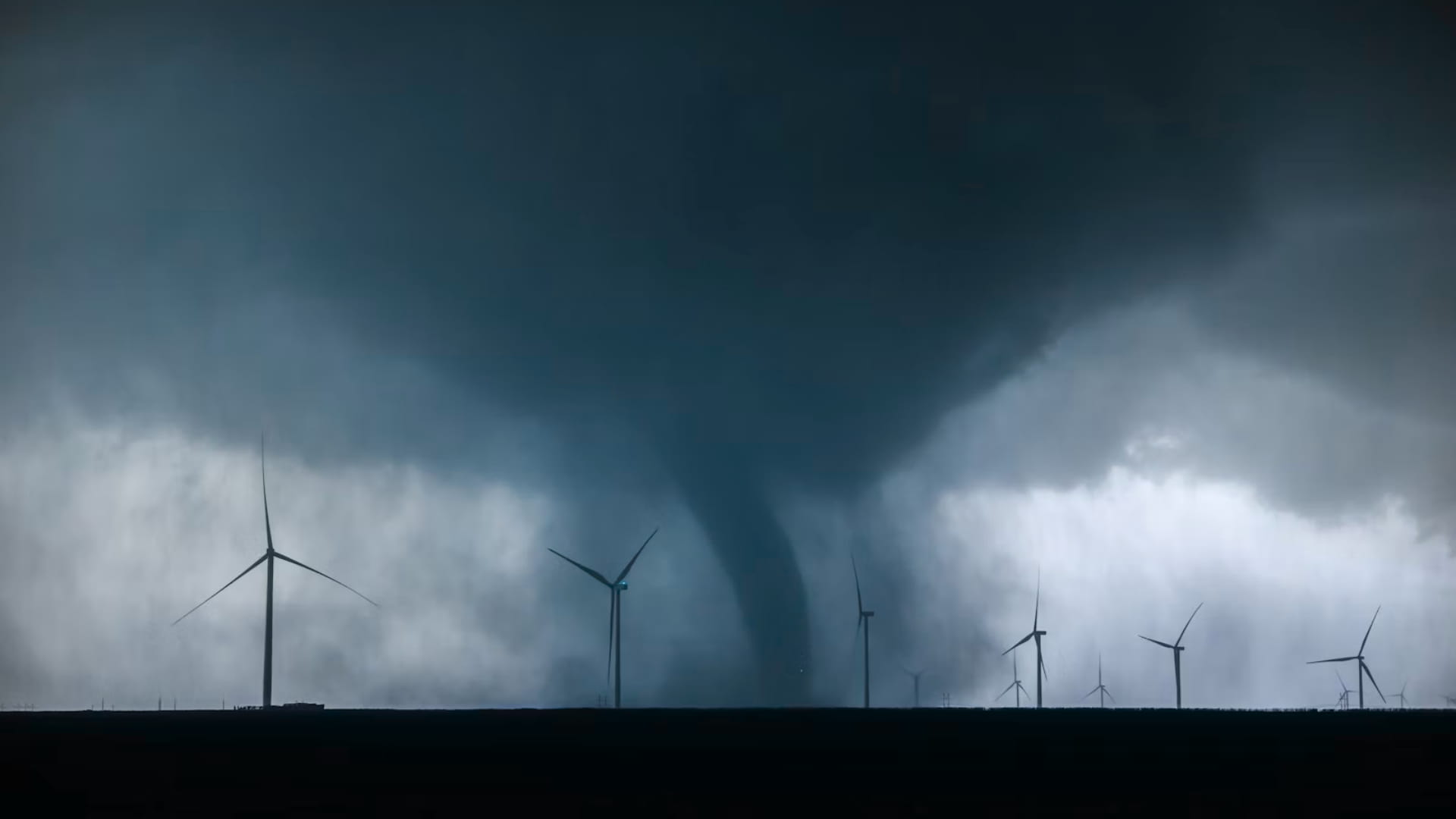


How to protect your roof during a hurricane is a question many homeowners only ask when the storm is already on the radar. And by then, every decision matters. Strong winds, flying debris, and wind-driven rain can turn a small roofing weakness into serious interior damage in a matter of hours.
According to FEMA, hurricanes and severe storms are among the leading causes of residential property damage in the United States, accounting for billions of dollars in losses every year, especially in states like Florida where storms are frequent and intense. In many cases, the damage is not caused by roofs collapsing, but by water intrusion that could have been reduced with the right preparation.
Have you ever wondered why some homes suffer extensive roof damage while others make it through the same storm with minimal issues? The difference often comes down to timing, awareness, and knowing exactly what to do before, during, and after a hurricane.
This guide was created to give you clear, practical steps to protect your roof when it matters most. Not generic advice. Not theory. Just proven actions used by roofing professionals who deal with hurricane damage every season in Central Florida.
If a hurricane is approaching, or if you want to avoid costly repairs after the next storm, this is information you should not ignore.
Why Hurricanes Are So Dangerous for Roofs
Hurricanes are not just stronger storms. They combine sustained high winds, sudden gusts, and wind-driven rain for long periods, putting extreme pressure on roofing systems.
According to FEMA, most hurricane-related home damage happens because water enters through small roof weaknesses, not because the roof collapses entirely. Loose shingles, worn flashing, or failed seals are often enough for wind to push rain inside and spread damage quickly.
In Central Florida, this risk increases because hurricane bands can travel far inland. Even when the storm’s center is miles away, strong gusts and heavy rain can expose existing roof vulnerabilities.
Hurricane roof damage usually starts with:
- Wind pressure lifting roofing materials
- Rain being forced into seams and vents
- Debris striking weak points
Once water gets inside, damage escalates fast. Understanding these risks is the first step to protecting your roof before the storm arrives.
How Hurricanes Actually Damage a Roof
Most hurricane roof damage doesn’t happen all at once. It starts with pressure, water, and impact working together. High winds create uplift pressure, pulling roofing materials upward instead of pushing them down. When shingles, tiles, or metal panels are not fully secured, wind can loosen them just enough to break the roof’s protective seal.
At the same time, wind-driven rain changes everything. Rain is no longer falling straight down. It is pushed sideways, forcing water into seams, flashing, vents, and any small opening that already exists. Even roofs that look intact from the outside can suffer serious interior damage this way.
Flying debris adds a third layer of risk. Branches, loose objects, and building materials can strike the roof repeatedly, damaging shingles, puncturing underlayment, or exposing decking.
In real hurricane inspections, the most common damage patterns include:
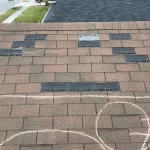
- Lifted or missing shingles along edges and ridges
- Compromised flashing around chimneys, vents, and skylights
- Water intrusion without visible exterior holes
This is why waiting to “see what happens” during a hurricane is risky. Roof damage often begins long before it becomes visible inside the home.
In the next section, we’ll cover exactly what to do to protect your roof before the hurricane hits, starting with the most effective actions homeowners can take.
How to Protect Your Roof During a Hurricane: Essential Actions
Protecting your roof during a hurricane is all about timing and priorities. The right steps, taken at the right moment, can significantly reduce water intrusion, structural stress, and post-storm repair costs.

Below is a clear, practical timeline used by roofing professionals to minimize damage before conditions become unsafe.
What to Do 48–72 Hours Before the Hurricane Hits
This is the most important window for roof protection. Once winds increase, safe preparation is no longer possible.
At this stage, focus on identifying and reducing existing weaknesses:
- Inspect shingles, tiles, or panels for looseness, lifting, or visible wear
- Check flashing around vents, chimneys, and roof edges
- Clear gutters and downspouts to prevent water backup
- Trim branches that could strike the roof during high winds
According to FEMA guidance, addressing small vulnerabilities before a storm is one of the most effective ways to limit hurricane-related roof damage. Many severe leaks start from issues that were visible days earlier.
If you’re in Orlando or Central Florida, this step is especially critical, as hurricane rain bands often arrive before the strongest winds.
What to Do 24 Hours Before the Storm
As the storm approaches, conditions begin to change quickly. At this point, the goal is damage reduction, not repairs.
Prioritize safety and final preparation:
- Secure loose outdoor items that could become airborne
- Take photos of your roof from the ground for documentation
- Move valuables away from attic access points
- Identify areas inside the home where leaks are most likely to appear
This is also the moment to plan for temporary protection if the roof already shows signs of weakness. Waiting until the storm starts often means losing that option entirely.
What You Should Never Do During a Hurricane
Once winds increase, roof access becomes extremely dangerous.
Never:
- Get on the roof during active storm conditions
- Attempt to install a tarp while winds are present
- Use ladders near downed power lines or saturated ground
Many serious injuries occur not from the storm itself, but from unsafe attempts to “fix” the roof mid-event. During a hurricane, protecting people always comes before protecting property.
In the next section, we’ll explain when a temporary roof cover like a blue tarp makes sense, when it doesn’t, and how it helps reduce interior damage after a hurricane.
Temporary Roof Protection: When a Blue Tarp Is the Right Solution
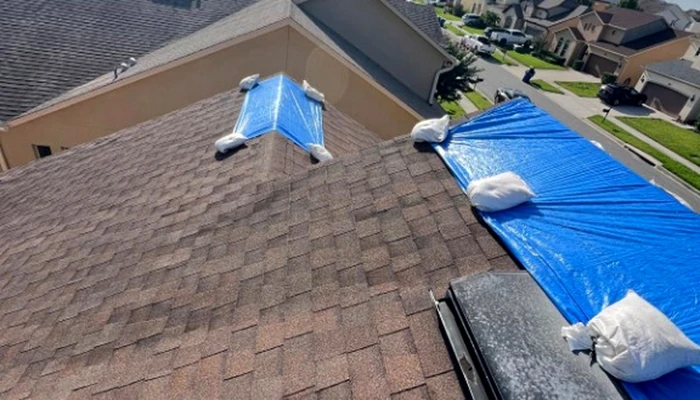
After a hurricane, many homeowners wonder if a temporary roof cover can really make a difference. When used correctly, a blue tarp is not a quick fix, but a strategic way to reduce additional damage while permanent repairs are planned.
A tarp works best when the roof structure remains stable, but the outer protective layers have been compromised. Situations like missing shingles, damaged flashing around vents, or surface punctures caused by debris often allow water to enter the home long after the storm has passed.
In these cases, a properly installed temporary roof cover can limit water intrusion, protect insulation and drywall, and reduce the risk of mold growth.
FEMA post-storm assessments consistently show that secondary damage caused by prolonged water exposure often exceeds the cost of the initial roof issue. Temporary roof protection helps interrupt that chain of damage, especially in areas like Central Florida where rain may continue for days after a hurricane.
When a Temporary Roof Cover Helps Prevent Interior Damage
A temporary roof cover is most effective when it is applied quickly and under safe conditions. If water is entering the attic or ceiling but the roof deck itself has not collapsed, tarping can redirect rain away from vulnerable areas and stabilize the situation.
In real post-hurricane inspections, many roofs appear intact from the ground but still allow water inside through lifted shingles or compromised seams. In these scenarios, tarping serves as a controlled barrier, buying time until full repairs can be completed without rushing unsafe work.
When a Tarp Is NOT Safe or Effective
There are also moments when a tarp is not the right solution. If the roof structure shows signs of sagging, if large sections of decking are exposed, or if power lines and debris create hazardous conditions, attempting to install a tarp can put lives at risk.
High or unstable winds make roof access extremely dangerous. In these situations, waiting for professional assessment is not just safer, it often prevents further structural damage caused by improper installation.
Common Mistakes Homeowners Make With Emergency Tarps
Many homeowners mean well but end up worsening the problem by installing tarps incorrectly. A common issue is securing the tarp only over the damaged area instead of extending it properly over the roof’s ridge, which allows water to flow underneath. Another frequent mistake is driving fasteners through exposed sections without sealing, creating new entry points for water.
Effective roof tarping is less about covering a visible hole and more about controlling how water moves across the roof. When done correctly by experienced professionals, it becomes a critical step in protecting the home until permanent repairs are possible.
How to Protect Your Home After the Hurricane Passes
When the hurricane passes, many homeowners assume the danger is over. In reality, this is often when roof-related problems begin to show up. Water that entered through small openings during the storm can continue spreading, even if the roof looks intact from the outside.
Start with a careful visual check from the ground. Look for displaced shingles, damaged flashing, or debris resting on the roof. Inside the home, pay attention to new ceiling stains, damp insulation, or unusual odors, which often indicate water intrusion that isn’t immediately visible.
Timing is critical. The longer moisture remains trapped inside the roof system, the greater the risk of damage to insulation, drywall, and structural components. What begins as a small leak can quickly turn into a much larger repair if left unaddressed.
If you notice ongoing water entry, temporary protection may be necessary to stabilize the situation until full repairs can be safely completed. Taking action early helps limit damage and makes the recovery process far more manageable.
Next, we’ll cover preventive roof maintenance and how simple steps taken before hurricane season can reduce the need for emergency roof protection.
Roof Maintenance That Helps Prevent Emergency Tarping
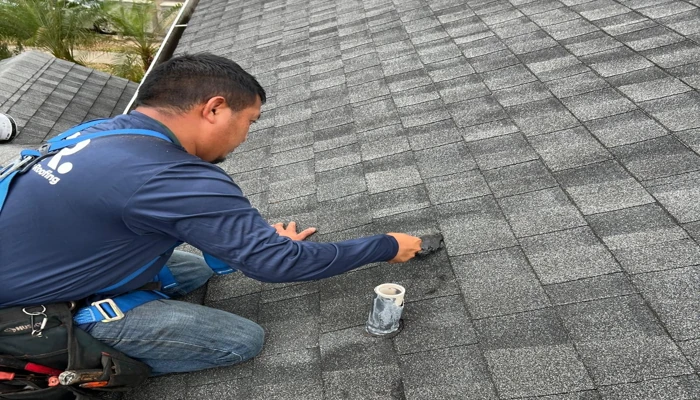
Many emergency roof situations during hurricanes don’t start with the storm itself. They start months earlier, with small issues that were easy to overlook. When hurricane winds and heavy rain arrive, those weak points are often the first to fail.
Routine roof maintenance plays a critical role in reducing the need for emergency tarping. Aging sealants, loose flashing, lifted shingles, and clogged gutters may seem minor during dry weather, but they create direct entry paths for wind-driven rain during a hurricane. Once water finds its way in, damage spreads quickly.
In regions like Central Florida, heat, humidity, and frequent storms accelerate roof wear. That’s why periodic inspections before hurricane season matter. Addressing minor repairs early allows the roof to perform as a complete system when conditions become extreme, instead of relying on temporary solutions after damage has already occurred.
Preventive maintenance does not eliminate hurricane risk, but it significantly reduces exposure. A well-maintained roof is less likely to require emergency tarping, suffers less interior damage, and recovers faster after a major storm.
Hurricane Roof Risks Specific to Central Florida
Hurricane roof damage in Central Florida follows patterns that are different from many coastal areas. While storm surge is less common inland, roofs in cities like Orlando are frequently exposed to long periods of wind-driven rain, sudden gusts, and repeated storm bands that arrive hours before and after the main system passes.
These conditions put extra stress on roof edges, ridges, and penetration points. Even when winds are below hurricane-force levels, sustained gusts combined with heavy rain can force water into small gaps around flashing, vents, and aging seals. This is why many homeowners experience leaks without seeing obvious exterior damage.
Another regional factor is material fatigue. Constant heat, humidity, and seasonal storms gradually weaken roofing components, making them more vulnerable when a hurricane arrives. Roofs that appear “fine” during routine weather often reveal hidden weaknesses under prolonged storm conditions.
Understanding how hurricanes affect roofs in Central Florida helps homeowners make smarter decisions before and after a storm. Local experience matters, because the risks here are less about a single violent moment and more about extended exposure that slowly overwhelms weak points.
When to Call a Professional for Hurricane Roof Protection
Signs That a Roof Problem Is Beyond a DIY Fix
After a hurricane, it’s common for homeowners to wonder whether a roof issue can be handled on their own. In many cases, visible signs like ongoing leaks, sagging areas, or multiple missing shingles indicate that the damage goes beyond a simple temporary solution. When water continues to enter the home despite basic protective measures, professional evaluation becomes essential.
Roof damage is not always obvious from the ground. What appears to be a small issue can hide compromised decking or weakened structural components that require trained assessment to prevent further deterioration.
Why Professional Assessment Reduces Long-Term Damage
Experienced roofing professionals don’t just look for visible damage. They assess how wind and water have affected the roof as a system, including underlayment, flashing, and attachment points. This broader evaluation helps identify problems early, reducing the risk of secondary damage such as mold growth or interior structural issues.
Professional roof protection also ensures that temporary measures, like tarping, are installed safely and effectively. Proper placement and sealing help control water flow and prevent additional entry points from forming.
Safety and Timing Considerations After a Hurricane
Safety should always come first. Wet surfaces, unstable materials, and hidden electrical hazards make post-hurricane roof access dangerous. If conditions are uncertain or if the roof cannot be accessed safely, calling a professional is the responsible choice.
Knowing when to stop and seek expert help protects not only the roof, but everyone inside the home.
What Makes a Roof More Hurricane-Resistant Over Time
A roof that performs well during hurricanes is rarely the result of a single upgrade. Long-term resistance comes from how the roof is designed, installed, and reinforced as a system. Proper attachment methods, quality underlayment, and correctly installed flashing all play a role in how a roof responds to sustained wind and heavy rain.
Installation quality often matters as much as the materials themselves. Roofs that follow updated building codes, especially in hurricane-prone regions, tend to resist uplift and water intrusion more effectively.
Small details, such as how shingles are fastened or how seams are sealed, can make a significant difference when storms put the roof under prolonged stress.
Over time, strategic improvements can reduce vulnerability. Reinforcing high-stress areas like ridges, edges, and penetrations helps the roof maintain its protective barrier during extreme weather. These improvements don’t eliminate hurricane risk, but they do lower the likelihood of severe damage and shorten recovery time after major storms.
Focusing on long-term resilience allows homeowners to move beyond emergency reactions and toward a roof system better prepared for future hurricane seasons.
Final Thoughts: Protecting Your Roof Starts With the Right Decisions
Protecting your roof during a hurricane is not about reacting at the last minute. It’s about understanding how storms affect your roof, knowing when temporary protection makes sense, and taking action before small issues turn into major damage.
For homeowners in Orlando and across Central Florida, hurricanes present a unique challenge. Extended rain, intense wind, and repeated storm systems test roofing systems in ways that standard repairs and generic advice often fail to address. That’s why experience, timing, and local knowledge matter.
Protect Preserve Roofing works with homeowners before and after major storms to help reduce damage, stabilize vulnerable roofs, and plan long-term solutions. From professional roof inspections to safe, effective temporary roof protection, our focus is on protecting what matters most inside your home.
If a hurricane is approaching, or if your roof may have been affected by a recent storm, now is the time to act. Delaying roof protection can lead to higher repair costs and more extensive interior damage.


Leave a Reply