


Roofing Company in Sanford, FL –
Roof Repair, Replacement & Storm
Damage Experts.
Protect Preserve Roofing provides professional roof repair, replacement, and inspections in Sanford, FL. Fast response for leaks, storm damage, and urgent roofing issues.


Built for Urgency. Trusted by Sanford Homeowners.
Roof issues can escalate quickly, especially after heavy rain or storms common in Sanford. Protect Preserve Roofing provides fast inspections, clear guidance, and dependable roofing solutions for homes and businesses across the area.

Licensed & Insured Florida Roofing Contractor
We meet all state requirements for safety, workmanship, and compliance on every roofing project.
Repair-First Roofing Solutions
Our team focuses on roof repairs whenever possible, recommending full replacement only when it’s truly necessary.
Clear Visual Inspections
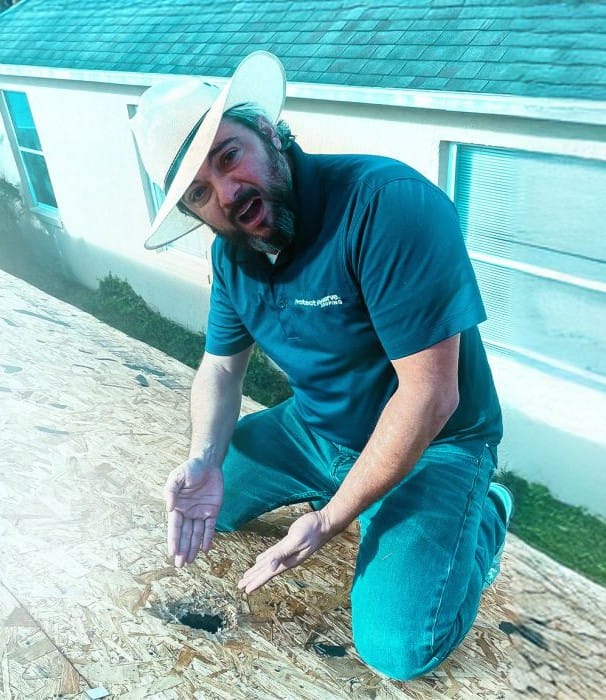
Every inspection includes photos and easy-to-understand explanations, so you know exactly what your roof needs.
Fast Inspections & Estimates
When roofing problems can’t wait, we move quickly to assess the situation and provide clear next steps.
Storm & Leak Response in Sanford
We help homeowners act fast after storms and heavy rain to prevent further damage and interior issues.
Inspection-Based Recommendations
All estimates are based on what we actually find on your roof, no assumptions, no pressure.
When Roof Leaks and Storm Damage Can’t Wait in Sanford, FL
Roof leaks and storm damage don’t give you much time to react. When heavy rain, wind, or aging materials start causing problems, you need a local roofing company that responds fast and fixes the issue correctly.
Protect Preserve Roofing provides professional roof leak repair and storm damage response in Sanford, FL. Our team focuses on identifying the source of the problem, stopping further damage, and restoring your roof with durable, long-term solutions.
Sanford’s weather can be unpredictable, especially during the rainy season and after storms. That’s why our process starts with a detailed roof inspection, not assumptions. We document what we find, explain your options clearly, and recommend the right solution based on your roof’s condition.
Whether you need a targeted roof repair, storm damage assessment, or temporary protection to prevent further leaks, our licensed Florida roofing team is prepared to help homeowners and businesses act quickly and confidently.
When Roof Damage Hits, Sanford Homes Need Fast, Reliable Action
Roof leaks and storm damage rarely happen at a convenient time. Heavy rain, strong winds, and years of sun exposure can quickly turn small roofing issues into serious problems if they aren’t handled correctly.
We offer support to homeowners and businesses in Sanford, Florida, with 24/7 assistance for roofing emergencies. When leaks start in the middle of the night or storm damage occurs without warning, our team is ready to act, assess the situation, and help prevent further damage to your property.
Every emergency begins with a professional roof inspection. Our licensed and insured Florida roofing team responds around the clock to evaluate roof damage, document what’s happening, and explain the best course of action in clear, simple terms
Whether you need immediate roof leak repair, storm damage assessment, or temporary protection to stop water intrusion, we’re available 24 hours a day, 7 days a week to help Sanford property owners act quickly and confidently, without unnecessary work or rushed decisions.
Residential Roofing Services for Sanford Homeowners
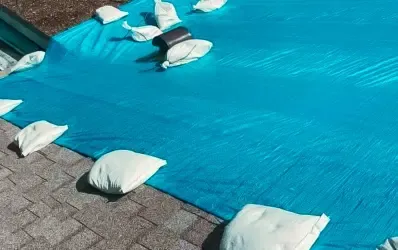
Emergency Roof Tarp & Temporary Protection
When storms or sudden leaks damage your roof, protecting your home quickly is essential. Our emergency roof tarp services help shield your house from further water damage while permanent repairs are planned.
We respond quickly throughout Sanford to secure exposed areas and reduce the risk of interior damage after heavy rain or stormrelated issues.
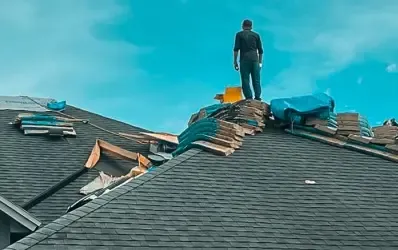
Residential Roof Repair & Replacement
From damaged or aging shingles to stormrelated wear, we specialize in residential roof repairs and replacements designed for Florida homes.
Our team works with asphalt shingle roofing systems commonly used in Sanford neighborhoods , providing hones t recommendations based on the actual condition of your roof, not assumptions.
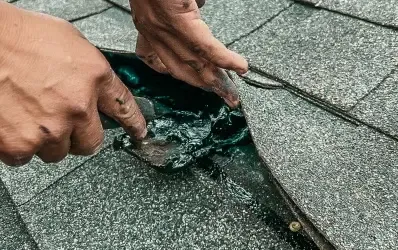
Roof Leak Detection & Home Inspections
Roof leaks aren’t always easy to locate. Water stains, ceiling spots, or musty odors often signal hidden roofing problems.
We offer professional roof inspections for Sanford homeowners, identifying the source of leaks and recommending targeted repairs to help prevent recurring damage.
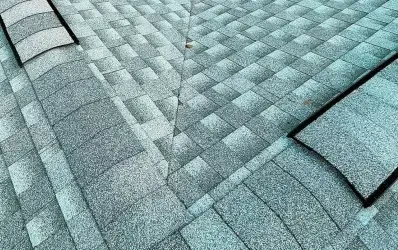
New Roof Installation for Homes
When it’s time to replace your roof, proper installation protects your home for years to come. We install new residential roofing systems following Florida building codes and manufacturer guidelines.
From material selection to final installation, our process is built around quality workmanship and clear communication with homeowners.
⭐⭐⭐⭐⭐
Trusted by Homeowners Across Sanford, FL

Veronica Cartagena
⭐⭐⭐⭐⭐

We hired Protect Preserve to fix some damages on our roof and we were very happy with the results. They made what is normally a tedious process a very easy one. Thankful they were trustworthy and timely with the completion of the roof. Would definitely recommend.
Walter Barcelos
⭐⭐⭐⭐⭐
I had an excellent experience with Protect Preserve Roofing. From the first point of contact to the completion of the job, everything was handled with professionalism, efficiency, and care. I highly recommend this company for anyone looking for reliable and honest roofing services.
Vanessa Albuquerque
⭐⭐⭐⭐⭐
The best roofing company in Orlando and the surrounding area! I would give them 5 stars without hesitation. Their team is made up of experienced professionals who truly know what they’re doing. They were punctual, honest, and trustworthy throughout the entire process.
Margaret Renou
⭐⭐⭐⭐⭐
We are extremely satisfied with the work completed on our roof. Everyone was very professional. The work was completed in a timely manner and the quality is excellent. In addition the clean up was well done without leaving nails in our lawn which has not been my experience with other roofers. I would highly recommend.
Naomi Prosper
⭐⭐⭐⭐⭐
I strongly recommend Protect Preserve Roofing. They did an inspection after my house was affected by a 2.0 hail storm and they helped me thought claim process. Now I got a brand new and beautiful roof and I’m even paying less in my insurance premium. I couldn’t be happier.
John Graziano
⭐⭐⭐⭐⭐
I had a massive issue with hail damage on my roof, called insurance and this company was one of the recommended by the insurance, and what a great choice. They were fast, clean and easy to work with.
I recommend to my friends and I had to leave a review.
Great work guys !
Rick Melody
⭐⭐⭐⭐⭐
I’m extremely pleased with my experience with Protect Preserve Roofing. After doing a lot of research and comparing different companies, I’m so glad I chose them. Their team was professional from start to finish, great communication, fair pricing, and impressive attention to detail. The job was completed within the time frame they promised, and the quality of their work…
Greg Guldner
⭐⭐⭐⭐⭐
I just used these guys to replace my roof after the hurricane’s damage and they did an amazing job. They also did a very detailed clean up after the work was done. Tulio kept great communication with me throughout the entire process which gave me the peace of mind and no worries. I would highly recommend them.
Grace Gangapersaud
⭐⭐⭐⭐⭐
It was a pleasure doing business with Protect Preserve Roofing.it was a good experience. I was satisfied with the service done on my roof. I must say that MrTulio Silva and his team did an exceptional job on my roof. I was very impressed. I will never hesitate to recommend to others.
Rosemary Olivira
⭐⭐⭐⭐⭐
I had a great experience with this company from the first contact until they came to inspect my roof. They were knowledgeable, professional and I will most certainly use their service in the future, Definitely recommend it. Great work guys !

Common Roofing
Questions From Sanford
Homeowners