



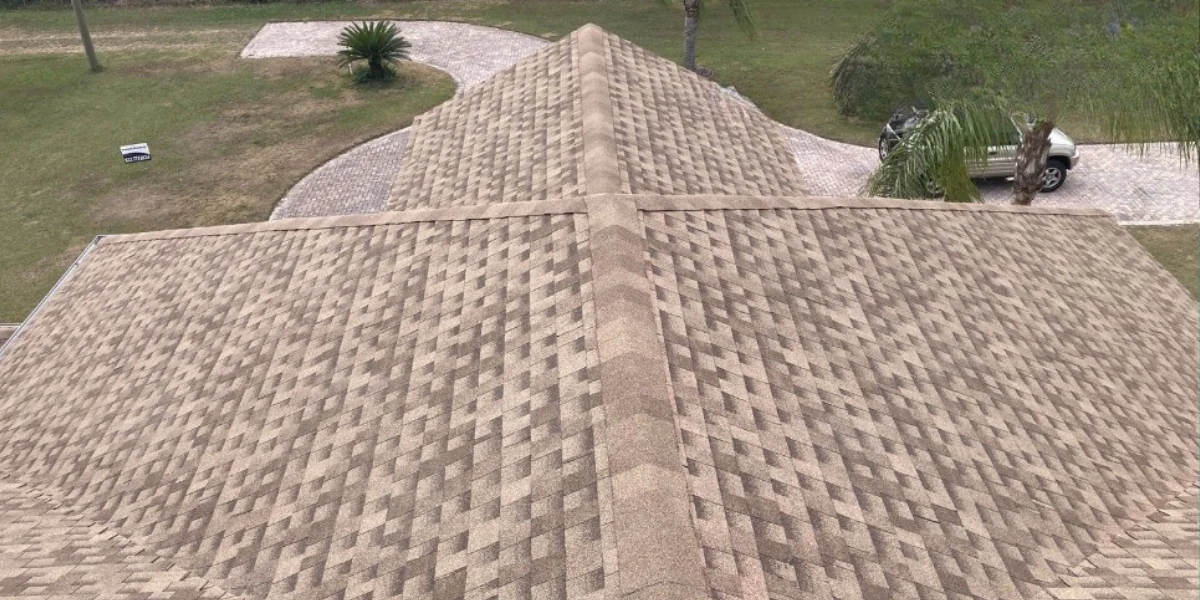


“Does home insurance cover roof repairs?” It’s one of the most urgent questions homeowners face after a storm and the answer is… not always simple.
Every year, over one in twenty insured homes files a claim for wind or hail damage in the U.S., according to the Insurance Information Institute. Still, insurance companies often catch homeowners off guard by partially paying, reducing or outright denying their claims, especially when they don’t act fast enough.
You’ve probably heard stories. A neighbor whose insurer refused to pay for roof leaks, a family that had to fight for months after a hurricane ripped their shingles off. Maybe, you’ve even been through something similar yourself.
So, how can you avoid the same trap?
Today we’ll walk you through exactly what your insurance may or may not cover and how to protect your home before it’s too late. You’ll learn what types of roof damage are covered, why some claims get denied, when emergency roof tarping is covered and how Protect Preserve Roofing can help you respond fast and smart.
Start now, don’t wait for another storm to put your coverage to the test.
Table of Contents
Does Home Insurance Cover Roof Repairs? Let’s Start with the Basics
Let’s keep it straight. Yes, home insurance can cover roof repairs, but it depends on what caused the damage.
If your roof took a hit from a storm, like wind ripping off shingles or a tree crashing down during a hurricane, your policy probably covers it. That’s because most standard policies include coverage for “sudden and accidental” events (the kind that come fast and hard, not stuff that builds up slowly).
Insurance companies focus on what was actually done, not what should’ve been. If they decide the damage resulted from wear and tear, old age, or lack of maintenance, they can deny your claim faster than you can say, “I thought this was covered”.
Quick reminder: if water gets in and damages the inside of your house, and you didn’t tarp or cover the roof fast, your claim could get denied for negligence. That’s why Protect Preserve Roofing responds quickly with professional blue tarp installations, the kind that don’t require nails and don’t mess up your chances with insurance.
What Type of Damage “Does Home Insurance Cover Roof Repairs“?
Some insurance companies cover some damage and dismiss others. If you don’t recognize the difference, you could pay out of pocket for something your neighbor got fully reimbursed for.
Let’s make this easy to understand.
Damage that’s usually covered
Most standard home insurance policies cover sudden, accidental damage. That means stuff that happens out of nowhere and causes real harm, such as:
- Hurricane or windstorm damage (shingles blown off, tree limbs through the roof).
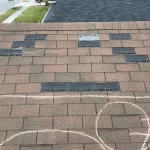
- Hail damage (dents, cracks, punctures).
- Fire and smoke (including fire department-related damage).
- Falling objects (trees, debris).
- Vandalism or civil disturbance.
- Animal impact (raccoons, squirrels — yes, it happens).
Don’t forget: if the cause is fast, violent or unexpected, the odds are you’ve got coverage.
Protecting your claim starts before the damage
Insurance works best when homeowners maintain and document their roof before a storm hits. That means:
- Take photos of your roof every season.
- Fix minor damage fast.
- Get inspections, especially before hurricane season.
Quick reminder: the moment your roof takes damage; the clock starts ticking. That’s where Protect Preserve Roofing comes in. We install blue tarps fast without puncturing the roof, so your claim stays clean and the inside of your home stays dry.
When Does Home Insurance Not Cover Roof Repairs?
Home insurance sounds like a safety net until it isn’t. Plenty of homeowners get a rude surprise when their claim gets denied for reasons they never saw coming.

So, let’s talk about what your policy doesn’t cover.
Common reasons insurance won’t pay
- Old roofs: If your roof is 20+ years old, many insurers reduce coverage or reject claims altogether. They expect maintenance, not miracles.
- Wear and tear: Cracked tiles from age, worn-out shingles or sagging spots from years of sun and rain? That’s on you.
- Neglected maintenance: If you knew about a leak six months ago and didn’t fix it, don’t expect a check now. Insurance won’t reward procrastination.
- Poor installation or cheap repairs: If the last crew cut corners or used low-quality materials, your claim might hit a wall. Insurers often investigate who did the work.
- Slow leaks or mold: If the water damage looks like it built up over time, they’ll call it negligence, not disaster.
Pro tip: Don’t give them a reason to say “no”. Be proactive and contact Protect Preserve Roofing that acts fast often the same day to install emergency tarps without nails or damage. It protects your home and your insurance standing.
Does Home Insurance Cover Roof Repairs: Leaks and Water Damage
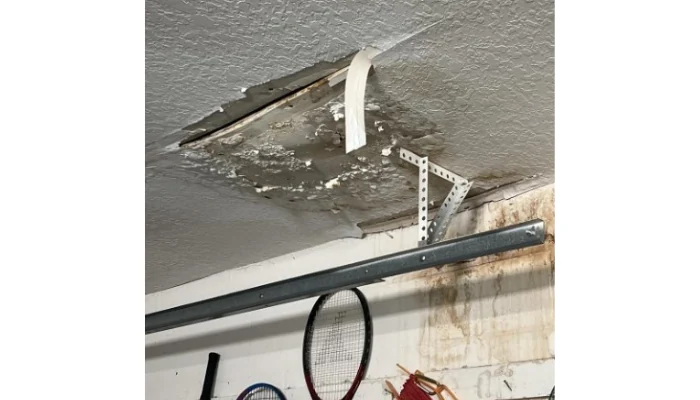
Whether or not your insurance covers the damage depends entirely on what caused it. Let’s break down:
| Leak Scenario | Covered by Insurance? | Why / Why Not |
| Tree branch broke shingles during storm | Yes | Sudden, accidental event — policy usually covers roof + interior damage |
| Windstorm ripped shingles off | Yes | Damage from wind is covered in most policies |
| Hail cracked roof tiles | Yes | Considered sudden damage from a natural event |
| Leak from old, worn-out shingles | No | Denied due to lack of maintenance or roof age |
| Water seeped in slowly over months | No | Gradual damage is often labeled as negligence |
| Gutters overflowed due to debris and caused leak | No | Homeowner responsible for keeping gutters clear |
| Roof patched years ago, no inspection since | No | Poor maintenance weakens your case with the insurer |
| Roof leaked after storm, no tarp was installed | Sometimes denied or reduced payout | Failure to prevent further damage after event |
What you do next affects the claim. Even if a storm caused the leak, you must act quickly to prevent further damage. If you don’t seal the area or protect the interior, your insurer might reduce the payout or reject it.
Emergency Roof Tarping: Is It Covered by Insurance?
When your roof takes a hit, water doesn’t wait and neither should you. That’s why emergency tarping is one of the smartest moves you can make right after the damage happens.
Yes, in most cases, if it’s done fast and right
Insurance companies expect you to protect your home from further damage after the initial event. A tarp is how you do that.
If a covered event, like wind, hail, or a fallen tree, causes damage, the insurance company usually reimburses the cost of installing a tarp as part of the claim.
But, sometimes, not all tarp jobs are accepted
Insurers look for proper protection. If you:
- Throw a tarp over the roof without securing it.
- Use nails or screws that damage shingles.
- Gaps still let water in, the insurance company could delay or even reduce your claim.
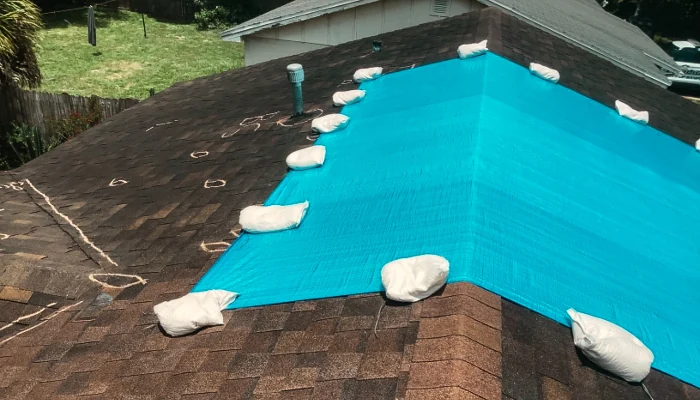
That’s why Protect Preserve Roofing follows insurer-approved methods. We use sandbags and anchors, not nails (unless slope or damage forces it), the full perimeter seal and photographs for documentation and condition reports.
How much does a tarp install cost?
For homes in Florida, a professional tarp installation by Protect Preserve Roofing typically costs $800 to $1,600, depending on:
- Size of the damaged area.
- Roof height.
- Pitch (inclination).
It’s a small price to avoid major interior damage and protect your payout.
Florida Homeowners: Does Home Insurance Cover Roof Repairs?
Florida weather doesn’t play. One day it’s sunny, the next a storm rips through your street like it owns the place. And when your roof takes the hit, the big question is: what does your insurance actually cover?
Let’s make this simple: if a storm causes the damage, insurance covers it:
- Hurricane winds or tropical storms.
- Flying debris.
- Falling trees.
- Heavy rain entering through storm-created openings.
In above cases, insurance will usually cover:
- Roof repairs or replacement.
- Interior damage caused by water coming in.
- Emergency services, including tarp installation.
What insurers look for in florida claims
Insurers in Florida deal with storm claims every year. So they’ve seen it all and they’ll inspect:
- Was the roof in good shape before the storm?
- Did the homeowner protect the roof after the damage?
- A professional install the tarp or was it just slapped on with nails?
- Did someone clean the gutters?
- Is there documentation of damage?
If they see signs of neglect or delay, they may cut your claim short or deny it altogether.
ACV vs RCV: What Type of Policy Do You Have?
When you file a claim for roof damage, the insurance company examines not just the shingles but also your policy.
If you don’t know the difference between ACV and RCV, you could be in for a nasty surprise when the check shows up. Let’s break it down:
| Feature | ACV (Actual Cash Value) | RCV (Replacement Cost Value) |
| What you get | Value of your roof minus depreciation | Full cost to replace the roof at today’s price |
| Payout example | Old roof? You’ll get much less than what it costs to replace | You get what you need to replace it, no depreciation cut |
| Upfront cash | Smaller — reflects age/wear | Larger — covers replacement, but sometimes reimbursed in parts |
| Common in | Basic or cheaper policies | More comprehensive policies |
| Impact on homeowners | You may have to cover a big gap yourself | Less risk of out-of-pocket surprise |
Real-life example
Say a storm totals your roof, it would cost $15,000 to replace it:
- With RCV, the insurer pays close to the full amount (minus deductible).
- With ACV, if your roof is 15 years old, you might only get $6,000–$8,000. You’ll need to come up with the rest.
Tip from Protect Preserve Roofing: Not sure which policy you have? Look at the declaration page or call your agent before the next storm makes that decision for you.
Claim Denied? Here’s Why Your Roof Insurance Might Be Rejected
You filed the claim, waited and then it came the dreaded denial letter. If that just happened, you’re not alone. Every year, insurance companies deny thousands of homeowners’ roof claims, often for reasons that could have been avoided.
So let’s talk about why it happens and how to stay off that list.
| Reason | What It Means |
| Lack of maintenance | You didn’t keep your roof in good shape — cracked tiles, sagging areas, etc. |
| Delayed action | You waited too long to tarp or repair, and the damage got worse |
| Old roof | Roof was past its lifespan — insurers often reduce or reject coverage |
| Improper tarp installation | You or someone else nailed a tarp incorrectly, causing more damage |
| No documentation | No photos, no receipts, no inspection report — nothing to back up your claim |
| Damage wasn’t from a covered event | Insurer says it was wear and tear, not wind or storm-related |
Insurance companies don’t want to pay more than they have to. They look for holes in your story and in your roof. That’s why what you do right after the storm matters just as much as what happened during it.
Quick reminder from Protect Preserve Roofing: If you’re worried about a denied claim, don’t guess, consult a team that understands insurance and safeguards your chance of getting paid, like us.
Preventive Maintenance Tips to Avoid Costly Roof Emergencies
Most roofing disasters don’t start with a storm, they start with neglect. A loose shingle, aclogged gutter or a leak that drips for months before it soaks your drywall. The good news? Most of that is avoidable.
If you don’t want to deal with adjusters, denials or unexpected bills, start with the basics: taking care of the roof.
| Task | Why It Matters |
| Inspect your roof twice a year | Catch broken tiles, loose flashing, and early signs of damage |
| Clean your gutters | Prevents water buildup that can seep under the roofline |
| Trim nearby trees | Stops branches from scraping or falling on your roof |
| Check your attic | Look for stains, mold, or signs of leaks you can’t see from outside |
| Schedule professional inspections | A pro sees what you don’t — and gives you proof for your insurance |
Many of the denied claims we’ve seen over the years came down to one phrase:
“pre-existing condition. That’s insurance-speak for: “Your roof was already in bad shape, so this isn’t our problem”.
A few hours of prevention beat weeks of stress and paperwork.
Conclusion: How Protect Preserve Roofing Helps You Protect Your Claim
When a storm hits, there’s no rewind button. You either act fast or you deal with the fallout. The truth is, insurance doesn’t always cover roof damage, especially when there’s a delay, poor maintenance, or sloppy tarp work involved.
That’s why so many Florida homeowners call Protect Preserve Roofing first, not last.
Why Our Tarps Make a Difference
We install blue tarps the right way, using safe and approved methods that don’t damage your roof or give insurers an excuse to deny your claim:
- No nails unless absolutely necessary.
- Anchored with sandbags or boards, not shortcuts.
- Installed fast, often same day.
- We document everything: photos, dates, damage, coverage area.
- We know how to protect your roof and your claim.
Call us before you file. Protect Preserve Roofing is more than a tarp crew. We’re your first line of defense when it counts for your roof, your home and your peace of mind.
You can also get a quick estimate to prevent or repair damage, or even schedule a free visit to your roof.
Need help now? Don’t wait for a second round of rain.


Leave a Reply