



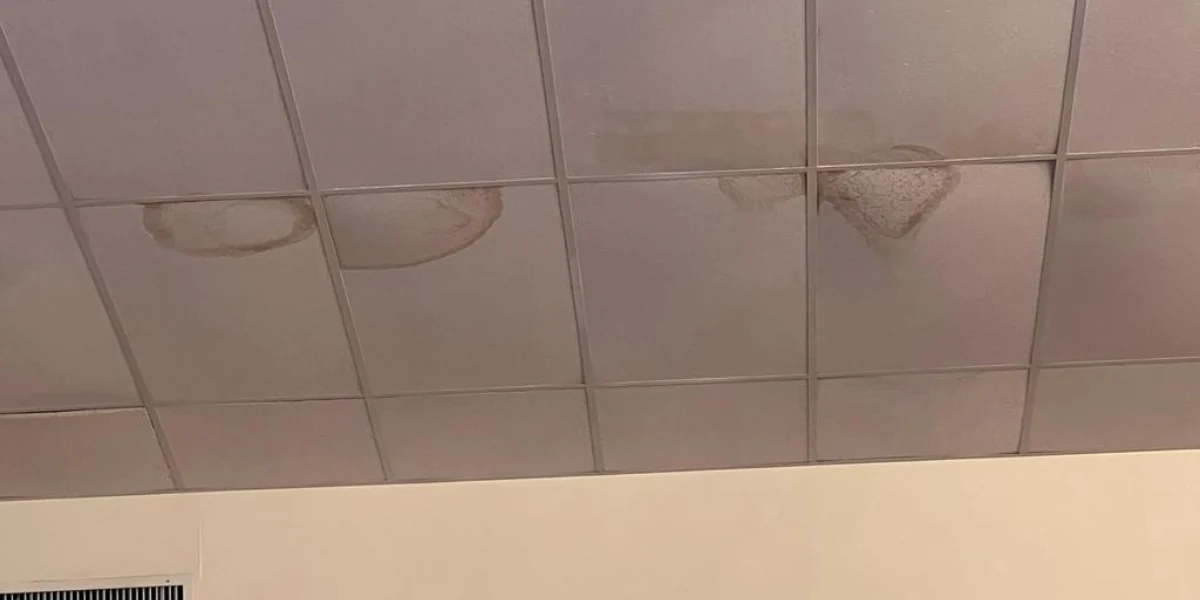


How much damage can a leaking roof cause may sound like a simple question, but the consequences are often underestimated and they can be devastating. According to the Insurance Information Institute, water damage accounts for nearly 29% of all homeowners’ insurance claims in the U.S.
Think about it. A single compromised shingle today can lead to soaked insulation, structural rot, electrical hazards and mold infestation tomorrow. While the leak might start silently, the repair bill won’t. Homeowners who delay action often face repairs costing 3 to 5 times more than those who respond early.
You’ve likely asked yourself: “Is this really urgent?” or “Can I wait a little longer?” The real question should be: how long can you afford to ignore it?
So, in this guide, we’ll break down what happens when a leaking roof is left untreated, what kind of damage builds up over time, how much it costs to fix and what signs to watch out for before it’s too late. Let’s uncover what your ceiling might be hiding before your wallet feels it.
What Happens When a Roof Leak Is Left Untreated?
A roof leak doesn’t wait. It starts with a drip you barely notice, but give it a few days – or worse, weeks – and that harmless trickle turns into a growing headache.
So, when the question is “how much damage can a leaking roof cause”, let’s be clear: water damage is sneaky. It creeps through insulation, warps drywall, rusts metal and weakens wooden beams. We’re not talking about flooding here, it’s a basic roof leak that no one fixed in time.
Here’s what that leak can do if you ignore it:
- Rot your structure from the inside out: Water softens wood. It can take weeks, sometimes less, to compromise your roof framing, wall studs and ceiling joists.
- Trigger mold growth fast: Mold loves moisture. It can start forming in just 24 to 48 hours and once it spreads.
- Short your wiring: Leaks can reach your light fixtures or outlets and spark serious electrical problems or worse.
- Attract pests: Wet wood invites termites and is paradise for rodents.
- Stain everything it touches: Your ceiling? Brown spots. Your walls? Discolored streaks. Your attic? A smelly, soggy mess.
Quick reminder: Leaks don’t fix themselves, they only get worse and the longer you wait, the more it’ll cost your time, money and your peace of mind. Protect Preserve Roofing can assess and cover your roof the right way (no nails, no extra damage and no insurer headaches).
How Much Damage Can a Leaking Roof Cause: The Hidden Dangers
Most of the real damage caused by a leaking roof happens where you can’t see it. It’s silent, slow and spreads like that moldy spot behind the fridge until one day, everything smells like a wet sock and your ceiling’s falling in. Let’s talk about what really happens inside your home when water enters uninvited.
- Mold turns your attic into a science project: Leak gets in and, within 24 to 48 hours, mold can start growing. You might be breathing it in what can trigger asthma, allergies and respiratory problems.
- Insulation goes useless and expensive: Wet insulation doesn’t dry out. It stops doing its job. Your energy bills go up, your house gets hotter in summer, colder in winter. Replacing insulation isn’t cheap, especially when it’s hidden behind wet drywall and damaged framing.
- Wiring + water = a bad day: Water sneaking into electrical systems is a big deal. We’re talking about short circuits, power loss in parts of the house and sparks.
- Ceilings and walls start to give up: The weight of trapped water makes ceilings bulge and crack, your paint peels, drywall warps and once the structure starts to go, it’s not just ugly, it’s dangerous. Your ceiling may collapse.
- Uninvited guests love a wet roof: Rodents, ants, termites, silverfish… they all love damp wood and wet corner. A roof leak can create the perfect little resort for pests, right above your head and once they’re in, they don’t leave quietly.
Quick reminder: Just because you don’t see the damage doesn’t mean it isn’t there. If your roof is leaking, your home is already at risk. Don’t wait for that ceiling bubble to pop, call Protect Preserve Roofing and stop the hidden damage before it ruins your home.
Roof Leak Repair Cost vs. Full Replacement
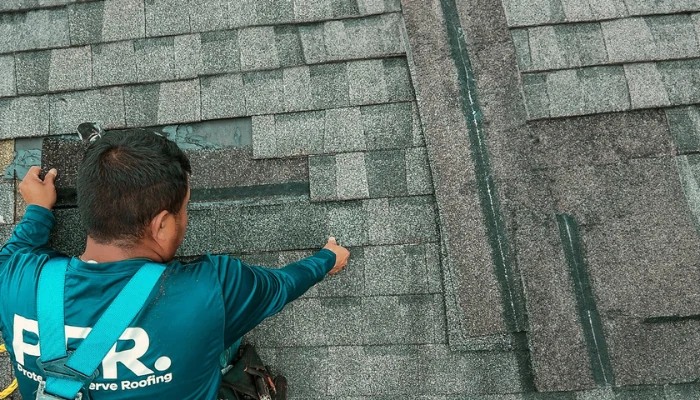
No one budgets for a leaking roof. It usually shows up uninvited, right after a storm or in the middle of the night. At first, you might think, “It’s just a small drip.” But waiting on it? That’s how small bills turn into four-figure headaches. Let’s look at what it actually costs:
| Solution | Estimated Cost | When It Makes Sense | What It Helps You Avoid |
|---|---|---|---|
| Emergency Tarp Installation (Protect Preserve Roofing) | $800 – $1,600 | Right after a leak or storm, to stop further damage | Prevents mold, electrical issues, insurance denial, and structural rot |
| Roof Leak Repair | $350 – $1,000 (small area) | For isolated leaks without deep damage | Extends the life of your roof at a lower cost |
| Partial Roof Replacement | $2,000 – $6,000 | When sections are too far gone but not the whole roof | Stops spread of internal damage |
| Full Roof Replacement | $8,000 – $15,000 | When water damage has spread across the entire structure | Long-term fix but heavy on your wallet |
| Mold Remediation (If You Waited Too Long) | $2,000 – $6,000 | When water sits too long and mold spreads through attic or walls | Avoids health issues and lost insurance coverage |
As you can see a tarp now could save you thousands later, water damage gets worse by the hour, not by the week and most of what it ruins, like wood framing, insulation, and wiring, isn’t cheap to replace.
Quick reminder: Most homeowners are shocked to learn that insurance is not required to pay for damage caused by neglect. Protect Preserve Roofing installs tarps the right way: no nails, no screws, no extra damage and we also work with roof replacement. We help you protect your home and your insurance eligibility at the same time.
Warning Signs of a Damaging Roof Leak
A roof leak might not always show itself with water dripping into a bucket. In fact, most serious leaks stay hidden until you’ve got damage on your hands. That’s why spotting the early warning signs can save your roof and your wallet. Here’s when it’s time to act fast:
- Ceiling bubbles or sagging paint: If your ceiling looks like it’s puffed up or sagging, there’s water trapped inside. It’s a signal your ceiling might collapse.
- Dripping during rainstorms: If water drips during or right after a storm, you’ve got an active leak and if you can see it, the damage behind the drywall is probably worse.
- Mold or musty smell in attic or rooms: If your attic smells like a damp towel or you notice dark spots on walls or ceilings, mold is likely growing.
- Dark or discolored patches on the ceiling: Brown rings, streaks or spots are early signs of roof water entering your home. It doesn’t have to be dripping to be dangerous.
- Light shining through the roof: If you can see daylight through your attic roof boards, rain can get in too. It’s a leak just waiting to happen.
- Increased energy bills: Wet insulation doesn’t insulate. If your heating or cooling costs suddenly spike, your insulation might be waterlogged from a leak you haven’t found yet.
- Popping, cracking or buzzing sounds from the ceiling: Moisture near wiring can cause shorts or buzzing. This isn’t a haunted house so you can call Ghostbusters. It’s a possible fire risk.
What Causes Roof Leaks?
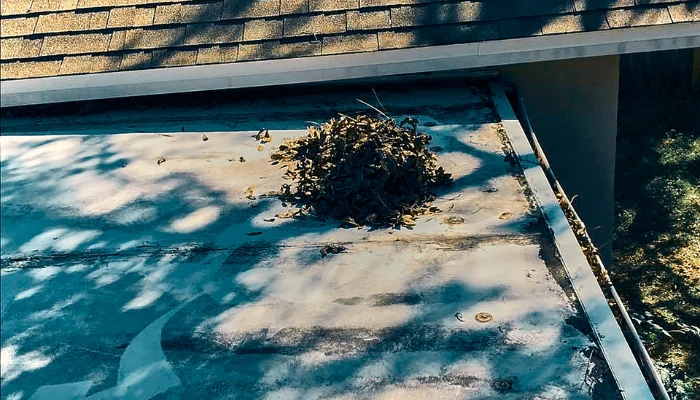
Roof leaks don’t happen by accident. When talking about “how much damage can a leaking roof cause”, there’s always a cause and most of them start small. Sometimes, one missing shingle or loose nail is all it takes to start the drip. Let’s break down the usual suspects:
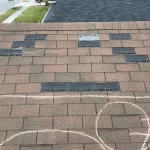
- Missing or damaged shingles: Wind, heat or age can rip shingles right off. Once that top layer is gone, water goes straight in.
- Cracked flashing: Flashing is the thin metal around chimneys, vents and valleys. When it cracks or rusts, water finds a way underneath.
- Worn-out sealants: Roofers use caulk and sealants around vents and edges. Over time, heat and rain break them down. When that happens, even a light drizzle can leak inside.
- Clogged gutters: If your gutters are packed with leaves and junk, water backs up. It pools at the edge of the roof and starts seeping into places it shouldn’t.
- Poor installation: Sometimes the job just wasn’t done right. Nails placed in the wrong spot, flashing left loose or shingles overlapped the wrong way. One small mistake, big leak later.
- Punctures from falling branches or storm debris: A heavy branch doesn’t have to smash your roof to cause damage. Even a small impact can loosen shingles letting water in the next time it rains.
- Roof age: Most roofs last about 20–30 years. After that, materials start breaking down, shingles crack, the underlayment weakens and leaks become more likely even without visible damage.
- When animals move in: Squirrels, raccoons and birds can tear holes looking for shelter. It might sound funny, but it’s not when they chew through your roof and it rains in your attic.
Pro tip: You don’t have to see water dripping to know something’s wrong. If your roof is older or if you’ve been through a storm recently, you’re at risk. The smart move is to inspect now, cover it fast and protect it before it gets worse. Protect Preserve Roofing knows what to look for and how to cover it without damaging your roof further.
How Much Damage Can a Leaking Roof Cause: Prevent Future Leaks
Most roof leaks are preventable. With the right care and some smart habits, you can avoid emergency repairs, protect your home and save thousands in the long run. Let’s keep it simple and straight:
- Regular roof inspections (at least twice a year): Do a roof check in spring and fall. Look for missing shingles, cracked caulking, soft spots or debris piles. Also always check after big storms. Damage doesn’t always show up right away.
- Clean out your gutters: Clean them every season, especially in areas with trees. Use gutter guards if you’re tired of scooping leaves.
- Check flashing and sealants: Flashing is the metal around vents and chimneys. Sealant is what keeps them watertight. So, watch for rust, peeling or gaps and have them resealed every few years or after extreme weather.
- Trim overhanging trees: Branches over your roof rub against shingles in the wind, drop leaves, leading to clogged gutters. Keep them trimmed back at least 6–10 feet.
- Fix small issues before they grow: A cracked shingle? Loose nail? Bent flashing? Fix it now. Waiting turns a $100 fix into a $5,000 problem.
- Don’t let anyone nail tarps into your roof: This voids warranties, creates more holes and can get your insurance claim denied.
Quick reminder: Roof maintenance doesn’t have to be complicated. Just check, clean, trim and repair. Need backup? Protect Preserve Roofing has your back before, during and after the storm.

Conclusion: How to Choose a Reliable Roof Leak Repair Service?
Choosing someone to fix your leaking roof isn’t just about who shows up fastest. It’s about who does it right without creating more problems than they solve and here’s what to actually look for in a reliable repair service:
- Fast emergency response: Leaks don’t wait. Neither should you.
- No-damage tarp installation: No nails. No screws. No extra holes.
- Clear pricing: You know what you’re paying before the work begins.
- Local and hands-on: Someone who shows up at your home, not just your inbox.
- Knows how insurance works: And doesn’t mess it up with bad installs or delays.
- Real solutions, not upsells: Fix what needs fixing. Replace only when it’s truly necessary.
That’s what Protect Preserve Roofing delivers day in, day out. We:
- Respond fast, even during storms.
- Use safe tarp methods that protect your home and your insurance eligibility.
- Explain the problem in plain English.
- Help you make the smart call repair or replace, based on facts, not fear.
- And treat your home like it’s our own.
If your roof is leaking even just a little, don’t wait. Let Protect Preserve Roofing stop the damage today without pressure, just real help, right when you need it.
Don’t roll the dice on your roof. We can schedule an appointment to examine your roof. You can get a quick estimate, or you can call us and protect your home.
FAQ – Roof Leak Repair and Emergency Protection
- Inspect your roof twice a year
- Clean gutters every season
- Trim back overhanging trees
- Check flashing and sealants after storms
- Fix small damage early, before it spreads


Leave a Reply