





Updated for 2026: Discover the latest repair methods and professional advice for fixing ceiling damage from roof leaks safely and efficiently.
Ceiling damage from roof leak isn’t just a stain on your ceiling, it’s a warning sign. And if you’re seeing one, you’re likely already late. According to FEMA, even a small roof leak can lead to mold growth in as little as 24 to 48 hours, turning a simple fix into a costly repair.
You might be wondering: “Is this covered by my insurance? Should I panic yet? Will I need to rip the whole ceiling down?” You’re not alone and you’re asking the right questions. In this guide, you’ll find out clear signs to watch for, expert tips from roofing pros who’ve fixed this more times than they can count. Plus, we’ll show you when insurance might help.
Don’t wait until a drip becomes drywall on your floor. Let’s break down what ceiling damage really means, what it hides and how to fix it before it drains your wallet, or worse, ruins your home’s structure.
What Does Ceiling Damage from a Roof Leak Look Like?
Ceiling damage from a roof leak can start small, but it rarely stays that way. One drip turns into a brown stain and before you know it, You’re looking at warped drywall, peeling paint or mold.
However, what does this damage really look like and how can you tell if it’s from a leak?
Spot the signs before it gets worse
Here’s what you should look for right away:
- Brown or yellowish stains forming in circles or streaks.
- Paint bubbling or peeling like sunburn on the ceiling.
- Soft or sagging spots when gently pressed.
- Musty smells that linger, especially after rain.
- Mold patches, usually black or green, starting to grow around the stains.
You also need to know that sometimes, the water doesn’t drip straight down. It travels. That’s why you may see stains on one side of the ceiling while the actual leak is coming from the opposite side of the roof.
Many homeowners mistake is to think that the damage is minor at first. But, once ceiling moisture hits the insulation and framing, repair costs can increase by 3X in less than 72 hours. So, you need to pay attention right away.
Pro tip: Noticed brown stains or bubbling paint? Don’t wait, call Protect Preserve Roofing, we can inspect your ceiling and roof today before it gets expensive.
How Fast a Ceiling Damage from Roof Leak Spreads
Water damage doesn’t play fair and when it comes from your roof, your ceiling becomes the first victim, fast.
How quickly things escalate
Straight to the point: water can start penetrating ceiling drywall within 30 minutes. By the six-hour mark, it’s already creeping into insulation and hidden layers. Give it 48 hours, and you’ve got mold knocking at your door.
Here’s a quick timeline to show how things snowball:
- 0–1 Hour – Water enters ceiling drywall and seeps silently.
- 1–6 Hours – Moisture spreads into insulation, electrical paths, and wood.
- 6–24 Hours – Bubbles, discoloration, and soft spots start to show.
- 24–48 Hours – Mold growth kicks off. Odor and air quality take a hit.
- 3–7 Days – Structural integrity weakens. Costs multiply.
Quick reminder: If you notice any discoloration, sagging, or musty smell on your ceiling, don’t wait. Call Protect Preserve Roofing because we respond fast, find the real source and stop the spread before it turns into something big and expensive.
The Hidden Causes Behind Ceiling Damage from Roof Leak
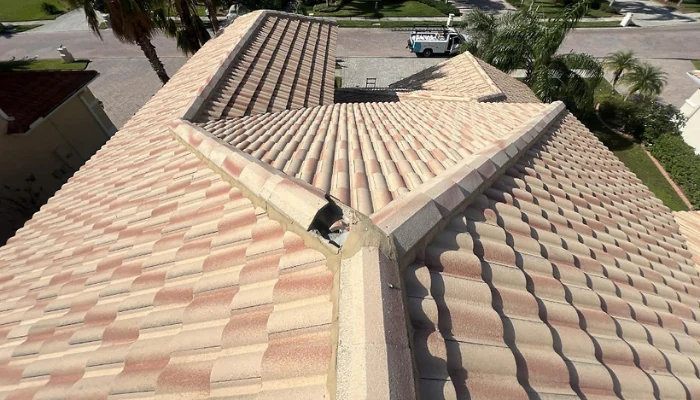
Not every ceiling stain tells the whole story. In fact, most of the real damage is happening above your head, out of sight and silently growing worse. Sure, a roof leak is the usual suspect, but what if the real issue is something deeper? Let’s see some hidden causes:
- Loose or missing shingles – One tile gone and water finds the path of least resistance.
- Improper flashing – Around vents, skylights or chimneys, flashing that wasn’t sealed right creates invisible entry points.
- Clogged gutters – Overflow pushes water back under the roofline. From there, it drips into ceiling cavities.
- Attic condensation – Poor insulation or ventilation in your attic creates trapped moisture. Over time, it seeps into your ceiling.
- HVAC leaks or pipe condensation – HVAC units or cold-water pipes in the attic can leak slowly, mimicking roof damage.
Why you can’t spot these immediately?
Water doesn’t always drip straight down. It can travel sideways across beams and drywall before finally showing up as a stain. By the time you see discoloration, the moisture may have already damaged your insulation, framing or electrical wiring.
So, you need to pay attention to:

- Slight discoloration around ceiling corners.
- Light fixtures dimming or flickering.
- Paint peeling in one spot while the rest looks fine.
- A “soft” ceiling texture you notice while cleaning.
What You See vs. What’s Really Happening
Think of your ceiling as a warning light on your dashboard. It doesn’t cause the problem; it only tells you something’s wrong. But what kind of trouble are we really dealing with above? Let’s compare:
| Ceiling Signs | Likely Roof Issues |
| Brown water rings | Slow leak from cracked shingles or flashing |
| Peeling paint or bubbling texture | Long-term moisture buildup from clogged gutters |
| Small wet spot that appears after storms | Wind-driven rain sneaking through lifted tiles or exposed nail holes |
| Stain near ceiling corners or walls | Water flowing sideways under roof deck before reaching drywall |
| Sudden drip from light fixture | Heavy water pooling due to failed underlayment or broken vent boot |
As you can see,water can move laterally along beams and joists for several feet before soaking through drywall. That’s why your ceiling stain could be ten feet away from the actual leak.
Pro tip from Protect Preserve Roofing: Don’t ever ignore a faint yellow ring, it could mean you have wet insulation, warped wood, mold, and rising repair costs by the day. Fix it right away.
Three Red Flags You Can’t Ignore When It Comes to Ceiling Damage from Roof Leak
Not all ceiling damage screams “emergency”. However, some signs absolutely demand your attention. Miss them and you could be looking at serious roof repairs, insurance issues or even health hazards. Let’s cut to the chase:
- Dark stains that keep getting bigger: That stain is just the tip of the iceberg. Behind it could be soaked insulation, rotted wood and mold ready to spread. Waiting only makes it worse and more expensive.
- Paint that bubbles or peels overnight: When paint fails fast, it’s a sign that water is collecting faster than it’s evaporating. That’s not a slow drip, it’s likely a bigger breach.
- Warning: Peeling paint over electrical fixtures is especially dangerous.
- Drips, drops or a mysterious musty smell: If you hear dripping or worse, it means moisture has already started decaying materials in your ceiling cavity. Musty smells signal mold. Not “maybe”, but “now”.
Quick reminder: Need help figuring out what that spot on your ceiling really means? Let the experts at Protect Preserve Roofing check it out before a ceiling drip turns into a full-blown disaster.
How to Fix Water Damage on the Ceiling
So, you’ve spotted a wet stain or peeling ceiling and you’re thinking, “How bad can it really be?” Truth is ceiling water damage doesn’t stay put, it spreads and fast. Acting quickly is what separates a small fix from a full renovation.
Step-by-step: how to stop ceiling water damage
- Stop the source first: Don’t patch drywall before the leak is sealed. It’s like putting a bandage on a boat that’s still sinking. Call a pro to inspect your roof especially if storms just rolled through.
- Dry the area fast: Use fans and dehumidifiers to remove moisture. The first 24–48 hours are critical. If moisture lingers, mold moves in.
- Cut and replace damaged material: If the drywall is sagging, stained through or crumbling to the touch, it’s done. You’ll need to cut it out and replace it. Small surface spots? Use a stain-blocking primer after it dries.
- Check insulation and wood framing: Wet insulation loses efficiency and mold loves it. If the wood smells musty or feels soft, it may need replacement too.
When a roof tarp helps
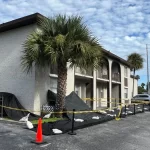
A roof tarp can save your ceiling, but only if done right. Many homeowners think any tarp will do and the truth is very different. A tarp is a smart move:
- After a storm damages shingles or flashing.
- When you need to delay full repair due to weather.
- While waiting for an insurance inspection.
- If used with sandbags, not nails, to secure it.
Proper tarp installation protects your home and shows your insurer you acted quickly. Also, most insurers don’t pay for damage caused by homeowner negligence, which includes botched tarp jobs . So be careful, avoid:
- Nailing or screwing it directly into your roof.
- Leaving it for weeks without follow-up.
- DIY it and it fails under wind or rain.
Quick reminder: Don’t risk thousands by slapping up a hardware store tarp. Call Protect Preserve Roofing. We use insurance-safe tarping techniques with secure anchoring and no unnecessary punctures. It’s fast, safe and covered under most emergency repair provisions.
What Happens 24h / 48h / 7 Days After the First Leak Spot
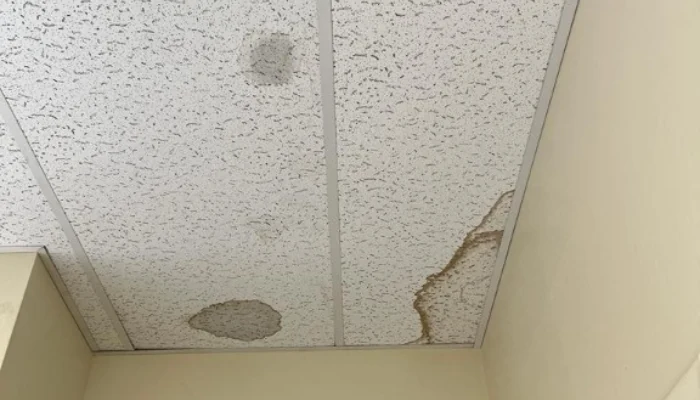
A small stain on the ceiling might not scream “emergency” right away, but what happens in the first few hours makes all the difference between a quick fix and thousands in repairs. Let’s break it down, hour by hour, so you know exactly why speed matters:
| Time After the First Leak | What Happens |
| First 24 Hours | • Moisture starts spreading through the ceiling. • Stains begin to appear (brown, yellow, or dark patches). • Paint may bubble or peel. • Musty smell starts forming. • Mold begins growing in hidden areas, even if not visible yet. |
| 24 to 48 Hours | • Mold growth speeds up and may spread to nearby walls. • Ceiling may sag or show small cracks. • Insulation gets wet and loses effectiveness. • Wooden structures begin absorbing moisture. • Air quality inside the home drops quickly. |
| After 7 Days | • Mold is likely visible and spreading. • Drywall may collapse under weight. • Wooden beams risk rot and warping. • Repair costs increase significantly. • Insurance company may consider the damage neglect and deny coverage. |
Ceiling Damage Repair Cost Breakdown
If your ceiling got hit by a roof leak, let’s be real, it won’t fix itself. Here’s a clear breakdown of how much it may cost, where that money goes and whether your insurance will cover it:
| Repair Task | Average Cost Range |
| Water damage inspection | $100 – $300 |
| Ceiling drywall replacement | $250 – $600 per section |
| Painting and surface finishing | $200 – $800 |
| Mold removal (if needed) | $500 – $3,000+ |
| Roof leak patch or repair | $800 – $1,600+ |
| Emergency tarp installation (via Protect Preserve Roofing) | $800 – $1,600* |
*Tarp price depends on the roof pitch, home height and severity of damage.
To this still needs to be added the value of labor and materials to be used. Here we have an average (only average, values may vary depending on the materials needed and the time taken for the repair):
| Category | Percentage of Total Cost | What It Includes |
| Labor | 60% – 70% | Removal, drying, repair, mold treatment |
| Materials | 30% – 40% | Drywall, sealants, paint, tarp, tools |
Will insurance pay for it?
If you need to claim insurance, you need to know that not everything will be covered, that there are amounts that will affect your pocket. Let’s check the table:
| Scenario | Will Insurance Cover It? | Notes |
| Storm ripped off shingles | Likely covered | Considered sudden and accidental |
| You ignored ceiling stains for weeks | May be denied | Seen as neglect or poor maintenance |
| Tarp installed with nails/screws | Likely denied | Violates roof protection guidelines |
| Professional tarp from PPR used | Helps protect your claim | Installed safely with no roof damage |
To help with the release of insurance and so that your pocket doesn’t feel so bad, you need to:
- Act fast, don’t wait days after spotting water stains.
- Never nail or screw tarps directly to your roof.
- Use a professional service like Protect Preserve Roofing to document and handle the emergency work.
Conclusion: How Protect Preserve Roofing Handles Ceiling Damage Emergencies?
Ceiling damage from a roof leak can turn from a drip to a disaster faster than you think. The first 24 hours matter and so does who you call.
At Protect Preserve Roofing, we’ve handled hundreds of emergency calls just like yours. Our team doesn’t guess, we show up fast, inspect everything and take action to stop the damage from spreading. We don’t just toss up a tarp and call it a day:
- Using non-invasive methods to secure your roof without risking your insurance.
- Working clean and fast, your home isn’t a job site; it’s your life.
- Document everything for your claim, helping you avoid insurance nightmares.
- Give real answers, if the ceiling is close to collapse, you’ll know. If it’s safe for now, we’ll explain why.
So, if you’ve spotted a leak or ceiling stain today, don’t wait. Call us to protect your home. We’re your first line of defense when it counts for your roof. You can also get a quick estimate to prevent or repair damage, or even schedule a free visit to your roof.
Remember, you don’t need to chase down contractors or wonder who to trust, just need a team that knows what they’re doing and cares about getting it right.


Leave a Reply