





Are asphalt shingles fire resistant? That’s a question homeowners can’t afford to ignore, especially in areas where wildfires are more than just a headline. With over 58,000 wildfires destroying nearly 9 million acres in the U.S. alone, according to the National Fire Protection Association, roofing choices are no longer just about looks or price. They’re about safety.
You’ve probably seen asphalt shingles on houses everywhere. They’re affordable, widely available and easy to install. However, how do they really perform when exposed to fire? Is “fire-resistant” the same as “fireproof”?
If you’ve ever wondered whether your shingles would hold up in the event of a fire, you’re not alone and this guide is for you. Here, we’ll break it all down, explaining what fire resistance really means in roofing, how asphalt shingles are rated, why installation and underlayment matter more than you think and how Protect Preserve Roofing helps homeowners make fire-safe choices.
Let’s get to the facts. Your roof’s safety could depend on it.
What Does Fire Resistance Really Mean in Roofing?
Fire-resistant roofing means the material can slow down the spread of fire. It can hold off flames long enough to give people time to escape or help firefighters control the situation. Therefore, if a fire rages long enough, any roofing material can eventually fail.
In the U.S., fire resistance is tested and rated by standards set by ASTM International and Underwriters Laboratories (UL). The most common standard you’ll hear is the Class A, B, or C rating. Here’s a quick breakdown:
- Class A: Highest resistance. Withstands severe exposure to fire. This is what you want, especially in wildfire zones or urban areas with fire code restrictions.
- Class B: Moderate protection. Not common in residential asphalt shingles.
- Class C: Basic protection. Resists light fire exposure but not recommended for high-risk areas.
Most asphalt shingles that are installed correctly and paired with the proper underlayment can meet Class A requirements. That means they’ve been tested to resist flame penetration and won’t ignite easily when exposed to fire from external sources.
But there’s a catch: fire resistance isn’t just about the shingle itself. It’s about the whole roofing system. That includes:
- The type of underlayment installed underneath.
- How the shingles are secured.
- The spacing and material of the roof deck.
- Whether gaps or penetrations are properly sealed.
Even a Class A shingle won’t do its job if it’s slapped onto a wooden deck with no fire-resistant barrier underneath. Fire resistance is like a chain: it’s only as strong as its weakest link.
Also read:
How Fire Resistant Are Asphalt Shingles?
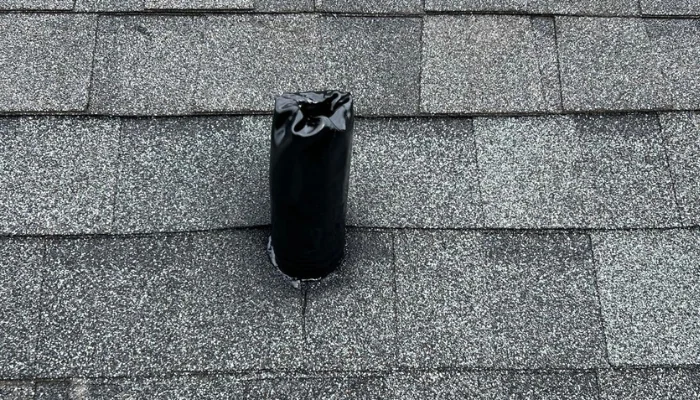
In real-world tests, asphalt shingles perform surprisingly well. Most high-quality shingles on the market are Class A fire-rated, meaning they can withstand direct flame exposure for about two hours before failure under controlled lab conditions. Let’s break this down:
- Fiberglass-based asphalt shingles are more fire resistant than older organic-based ones.
- They’re designed to delay ignition, minimize flame spread and slow heat transfer to the roof deck.
- The key is pairing them with a proper underlayment that also holds a Class A rating.
But here’s the catch most people miss: A Class A rating isn’t baked into every asphalt shingle by default. It depends on:
- The shingle brand.
- The installation method.
- The underlayment used.
So, how resistant are they? Here’s a practical comparison table to illustrate performance:
| Shingle Type | Fire Rating | Ignition Delay | Flame Spread | Typical Use Case |
| Class A Asphalt Shingle | High | 2 hours | Minimal | Homes in wildfire zones |
| Class B Asphalt Shingle | Moderate | 1 hour | Controlled | Urban/suburban areas (rare choice) |
| Class C Asphalt Shingle | Low | 30 minutes | Faster | Not recommended |
Important reminder from Protect Preserve Roofing: Most homeowners don’t realize that improper nailing or skipping a fire-rated underlayment drops their system to Class C or worse even if the shingle itself is Class A. Don’t leave it to guesswork. Call for professional help.
Also read:
Fire Classification Explained: What Is Class A, B and C?
Fire classification for roofing materials isn’t a marketing gimmick. It’s based on strict testing performed by certified labs, like Underwriters Laboratories (UL) or ASTM. These tests simulate real fire conditions and then score how well a roofing holds up to get the answer to “Are asphalt shingles fire resistant?”. Here’s what each rating actually means:
| Class | Fire Resistance | Test Conditions | Best For |
| Class A | High | Withstands a burning brand for up to 2 hours | Wildfire-prone areas, most homes |
| Class B | Moderate | Resists fire for up to 1 hour | Some commercial or older properties |
| Class C | Basic | Offers only 30 minutes of protection under lighter conditions | Rarely used in modern construction |
This classification is affected by:

- The shingle itself (material, density, coating).
- The underlayment beneath the shingle.
- The spacing of roof boards.
- How the system is installed and sealed.
That’s why a Class A shingle can lose its rating if paired with the wrong base or installed poorly. That’s why Protect Preserve Roofing follows every step by the book and helps homeowners understand how every layer contributes to their home’s fire resistance.
Are All Asphalt Shingles Class A Rated?
No. That’s one of the biggest myths we hear from homeowners. Just because the material is “asphalt” doesn’t mean they are asphalt shingles fire resistant. Here’s what determines the fire rating:
- The base layer of the shingle. Fiberglass shingles typically perform better than older organic ones.
- The installation system, including the type of underlayment used.
- The manufacturer’s rating, some shingles come tested and certified as part of a fire-resistant system, others don’t.
If the packaging doesn’t say “Class A when installed with XYZ underlayment,” don’t assume you’re protected. Some shingles on the market are Class C or B unless paired with a specific fire-rated barrier underneath. That means:
- If the contractor uses a cheaper felt underlayment,
- Or skips the fire-rated barrier to save time or cut corners,
- Your roof might not have the fire resistance you think it does.
Little reminder: Protect Preserve Roofing makes a difference. We don’t cut corners. When our team installs a roof with fire resistance in mind, every layer is done to preserve the Class A rating.
Asphalt vs Composite Shingles: Which Resists Fire Better?
If you’re weighing asphalt shingles against composite shingles, fire resistance might tip the scale, but it’s not a one-size-fits-all answer. First, let’s define the players:
- Asphalt shingles are made with either organic or fiberglass mats coated with asphalt and topped with granules.
- Composite shingles (also called synthetic or polymer shingles) are made from engineered materials like recycled plastics, rubber or fiberglass blends. Some are even designed to mimic slate or wood.
Now, when it comes to fire resistance, both can do well, however it depends on the brand and system used:
| Feature | Asphalt Shingles | Composite Shingles |
| Typical Fire Rating | Class A (if installed correctly) | Class A (with certified products) |
| Underlayment Required? | Yes, for Class A rating | Usually built-in, but still system-dependent |
| Material Response to Heat | Granules help deflect flame, but core can melt | Engineered to resist flame, varies by product |
| Longevity of Rating | Depends on age and exposure | Often more consistent over time |
| Weight & Structure Impact | Lighter and easier to install | Heavier, sometimes needs stronger structure |
So… which is better? It depends on the setup:
- A well-installed Class A asphalt shingle system with proper underlayment can resist fire very well and costs less upfront.
- Some high-end composite shingles are engineered specifically for high fire zones and have built-in flame resistance that holds up longer under extreme heat.
Pro tip: Installation is everything. Even the most advanced composite shingle can underperform if installed wrong. Likewise, a simple asphalt system can meet strict codes when done right and that’s where Protect Preserve Roofing shines.
Does the Underlayment Matter for Fire Protection?
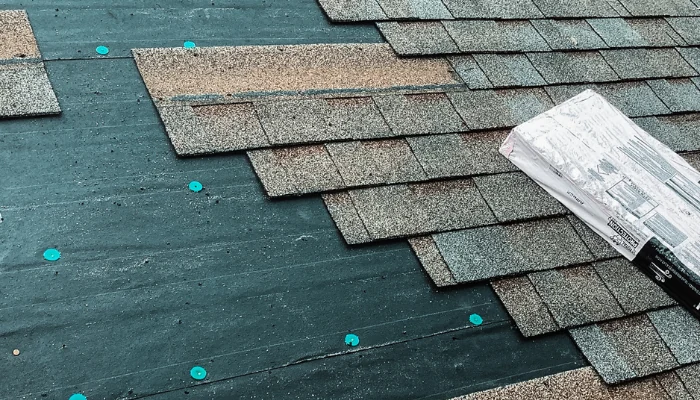
Yes. A lot more than most people realize. Many homeowners think the shingles are the first and last line of defense in a fire. But the underlayment can make or break your roof’s fire rating.
Even the best Class A-rated shingles need to be installed – pay attention – as part of a tested roofing system to earn that rating. That system includes the underlayment. If you skip it, or use the wrong one, you could drop your roof’s protection from Class A down to Class C. Let’s see the common underlayment types:
| Underlayment Type | Fire Performance | Notes |
| Standard Felt (15 lb) | Low (often Class C) | Cheap, common, but not fire-rated |
| Fire-Rated Synthetic | High (used in Class A systems) | Best when paired with fiberglass shingles |
| Self-Adhering Membranes | Very high (great in high-risk zones) | Excellent seal + fire resistance |
Little reminder from Protect Preserve Roofing: If your current roof is older than 15 years, chances are the underlayment doesn’t meet modern fire standards. That’s a risk you can’t always see, but it could cost everything if the unthinkable happens.
Common Mistakes That Reduce Fire Resistance on Roofs
Here are the most common mistakes we see out in the field and how to avoid them:
- Skipping the fire-rated underlayment: A premium shingle without the right underlayment is like wearing a fireproof jacket… over a gasoline-soaked shirt. It might look tough, but it’s not doing much.
- What to do instead: Use only tested and approved underlayments that are part of a full Class A system.
- Mixing products that haven’t been fire-tested together: Just because two parts are Class A rated separately doesn’t mean they’re Class A when combined. Fire ratings are given to entire assemblies, not just individual parts.
- What to do instead: Stick to manufacturer-approved combinations. Our team always checks the technical data sheets before installing a roof system.
- Gaps or poor sealing around penetrations: Fire loves an entry point. Vents, skylights and flashing are weak spots, and when improperly sealed, they become fire funnels.
- What to do instead: Use Class A-rated sealants and flashing systems.
- Ignoring debris build-up on the roof: Dry leaves and branches can catch fire from embers and ignite the roof, even if your materials are fire-resistant.
- What to do instead: Keep your roof clean. Seriously. Just a few minutes of yard work can mean the difference between a scare and a disaster.
- Letting old roofs go too long without inspection: Over time, shingles crack, underlayment breaks down and seals weaken. What was once Class A may now be far less protective.
- What to do instead: Schedule regular inspections, especially if your roof is over 10 years old.
Little reminder: Want peace of mind that your roof is really fire-ready? Book a no-obligation checkup with Protect Preserve Roofing. We’ll walk every inch and tell you exactly where you stand.
Are Asphalt Shingles Fire Resistant Enough for Today’s Risks?
Yes, as long as the right ones are used and installed correctly. When asphalt shingles are fire safe enough:
- You’re using Class A-rated fiberglass shingles.
- They’re installed as part of a full Class A system (fire-rated underlayment, sealed penetrations, etc.).
- Your home is outside of extreme wildfire zones or local codes still allow them.
- You’re keeping debris off your roof and maintaining it over time.
In these situations, asphalt shingles offer plenty of fire protection, especially when installed by professionals. When they might not be enough:
- You’re in a very high-risk wildfire zone (like parts of California or Colorado’s Front Range).
- Your roof is old, brittle, or installed decades ago without modern fire-resistant layers.
- You want maximum insurance confidence or ultra-durable protection against flying embers and heat.
In these cases, it might be worth exploring composite or metal alternatives, which can offer extra layers of safety, but at a higher cost.
Little reminder: Still unsure whether your shingles are enough? Let Protect Preserve Roofing take a look. We’ll tell you what’s working, what’s risky and how to fix it.
Conclusion: Protect Preserve Roofing’s Approach to Fire Safety Roofing
When it comes to fire safety, a roof isn’t “just a roof.” It’s a critical shield between your home and a potential disaster.
At Protect Preserve Roofing, we don’t just install shingles, we install protection that holds up under pressure. Whether you’re dealing with wildfire zones, insurance code compliance or just want peace of mind, we build roofs that meet today’s safety demands without cutting corners.
Why homeowners trust us with fire-resistant roofing? Because we:
- Only use Class A-rated systems, from shingle to underlayment to sealant.
- Install by code and manufacturer standards, no shortcuts, ever.
- Offer free fire-risk inspections to show you exactly how safe your current setup is.
- Handle repairs, replacements, and emergency tarp installs with the same safety-first mindset.
- Work with insurance, so you’re never left guessing about coverage.
So, ready to protect your home? Schedule your free roof fire safety inspection or get a quick estimate for a roof problem fast and safe.
Don’t wait until the smoke is on the horizon. Get your roof fire-ready now, while you still have time and options.
FAQ: Fire Resistance and Asphalt Shingles
No. Most asphalt shingles are fire-resistant — not fireproof. Only Class A shingles, when installed with a proper system, offer the highest level of flame protection. Older or organic shingles may only offer Class B or C resistance.
Fire-resistant means the material slows down the spread of fire. Fireproof means it doesn’t burn — which no asphalt shingle can guarantee. Even Class A shingles can fail in extreme heat without proper installation.
Look for the fire classification on the product label or ask your installer. But fire rating depends on the full roofing system, including underlayment. Protect Preserve Roofing can inspect your roof and verify if it meets Class A standards.
In many cases, yes. If your roof deck is in good shape, we may upgrade the underlayment and shingle layers to improve fire resistance. Our team at Protect Preserve Roofing can evaluate what’s possible and cost-effective.


Leave a Reply