





How to choose a roofing contractor you can trust is a question that every homeowner faces when it’s time for a repair or replacement. With more than 75% of homeowners reporting stress when hiring contractors – according to National Association of Home Builders –, the challenge isn’t finding someone with a ladder; it’s finding the right professional who will do the job safely and without leaving you with regrets.
Have you ever worried about hiring the wrong roofer, getting shoddy work or worse, being left with leaks the insurance won’t cover? You’re not alone. Thousands of homeowners share the same fear, and too many learn the hard way.
Here’s the good news: choosing the right contractor doesn’t have to feel like a gamble. There are clear steps you can take to protect your home, your budget and your peace of mind. In this guide, we’ll show you exactly what to look for, the red flags to avoid and the questions that make the difference between a trustworthy roofer and an expensive mistake.
Don’t wait until you’re stuck with a roof problem and no reliable help, by the time water stains appear on your ceiling, it’s already too late.
Why Choosing the Right Roofing Contractor Matters?
The Insurance Information Institute shows that roofing issues are responsible for over 40% of all homeowner insurance claims in the U.S. That number alone shows why the choice of contractor matters.
Here in Florida, the stakes are even higher. Heat, humidity, heavy rains and hurricane seasons put roofs under constant stress. A poor installation or a cut-corner repair can mean leaks within months, not years, and when water gets in, insurance rarely covers the damage.
So, why does choosing the right contractor matter? Because the difference is clear:
- A good contractor installs a roof that stands up to Florida’s storms.
- A careless one leaves you with costly repairs, tarps that run $800 to $1,600 and an insurance headache you didn’t see coming.
Ask yourself: would you trust the safety of your home to just anyone with a ladder? Protect Preserve Roofing has seen too many cases where homeowners went with the cheapest bid, only to call us months later when the ceiling stains appeared. The cost of fixing shortcuts always exceeds the savings.
Choosing a trusted, experienced roofer from the start is the simplest way to protect your home and your wallet.
How to Choose a Roofing Contractor: The Essentials
A good roofing contractor is a professional who brings experience, proof of quality and the right protection for your investment. If you get this step wrong, the price you pay later can be far higher than the original bid. Here are the essentials every homeowner in Florida should check before signing a contract:
- License and insurance: Always start with paperwork. A licensed roofer proves they meet state requirements. In Florida, roofing work requires a state license, no exceptions. About insurance, this is equally important. A contractor must carry liability and workers’ comp insurance. Without it, any accident on your property could land on your bill.
- Local experience matters: Florida roofs face unique challenges: salt air, heavy storms and intense sun. A contractor with years of local experience knows what materials and methods stand up best. Out-of-town companies may not.
- Written contracts and clear timelines: A good contractor provides everything in writing: scope of work, materials, costs, warranties and start and finish dates.
- References and proof of work: A roofer who does quality work will have no problem sharing references. Ask for local homeowners you can call, look for before-and-after photos and walk away if all they show you is a generic brochure.
- Warranties you can rely on: Shingles may come with a manufacturer’s warranty, but that’s not enough. You also need a workmanship warranty from the contractor. This covers mistakes during installation. Protect Preserve Roofing, for example, stands behind both materials and workmanship, so homeowners never wonder who to call if problems arise.
Bottom line: The essentials are simple: license, insurance, experience, contracts, references and warranties. Skip one of these and you gamble with your roof. Cover them all and you hire with confidence.
Choosing a Roofing Contractor: Red Flags to Watch For
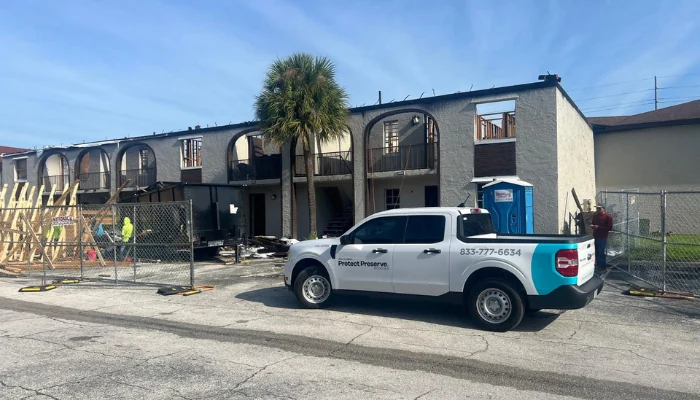
Not every contractor who knocks on your door deserves your trust. Some look professional on the surface but leave you with bigger problems than the ones you started with. Here are the warning signs you should never ignore:
- No license or proof of insurance: If a contractor avoids showing a license or insurance, stop right there. In Florida, roofing without a license is illegal. If someone gets hurt on your property and the contractor isn’t insured, the costs land on you.
- Vague or verbal-only estimates: A good roofer provides clear written estimates. If someone says “Don’t worry, we’ll work it out” without details on cost, materials or timeline, you’re being set up for surprises. And those surprises usually mean a higher bill.
- High-pressure sales tactics: If you hear lines like “This price is only good today” or “You need to sign now,” take a step back. A trustworthy contractor explains options and lets you decide.
- No local references: A solid contractor can point to work they’ve done in your area. In Florida, where storms bring out “storm chasers,” this is especially important.
- Too-cheap bids: If one estimate is far lower than the others, ask why. Sometimes it means they’re cutting corners on materials, skipping permits or planning to vanish before warranties matter.
- Unwilling to put details in writing: If they resist signing a contract, walk away. Contracts protect you and them.
Pro tip from Protect Preserve Roofing: Red flags are easy to miss when you’re stressed about roof repairs. However, ignoring them can leave you paying $800–$1,600 just for emergency tarps before you even get to the real fix. Trust your gut, check the paperwork and don’t let urgency blind you to the warning signs.
Residential vs. Commercial: How to Choose the Right Fit
Not all roofing contractors do the same type of work. A crew that does great shingle replacements on houses may not have the skills or equipment for a large flat commercial roof. Choosing the right contractor depends on the type of property you own and the kind of roof over it.
Residential roofing contractors
Residential roofing focuses on single-family homes, duplexes and small apartment buildings. What to expect:
- Materials: asphalt shingles, tile, metal or sometimes flat sections.
- Skills: proper attic ventilation, storm protection and design that matches the look of the home.
- Service: fast response times and clear communication with homeowners.
The right residential roofer knows how to keep your house safe and dry while also making sure it looks good in your neighborhood.
Commercial roofing contractors
Commercial roofing is a different game. Think warehouses, offices, retail spaces or condos. What to expect:
- Materials: TPO, EPDM, modified bitumen or metal systems.
- Skills: handling large flat surfaces, drainage systems and energy efficiency.
- Service: detailed planning, often with city permits and stricter safety requirements.
Commercial projects often take longer and require bigger crews, cranes and heavy-duty equipment.
Why the difference matters in Florida?
Florida’s climate is tough on both residential and commercial roofs, but in different ways.
- Homes: need shingles that can handle sun, wind and humidity without shedding granules too fast.
- Businesses: need flat roofs that drain fast during tropical rains, otherwise ponding water leads to leaks.
Hiring the wrong type of contractor can mean mistakes that cost thousands.
Pro tip from Protect Preserve Roofing: Residential and commercial roofing may sound similar, but they require different expertise. Make sure you hire a contractor with a track record in your type of roof, that’s how you get work done right the first time.
How to Choose a Roofing Contractor After a Storm
Storms in Florida don’t just bring rain, they bring chaos. High winds rip shingles away, hail loosens granules, and heavy downpours expose weak spots fast. The hours and days after a storm are when homeowners make the costliest mistakes: hiring the wrong contractor out of panic. Here’s how to choose wisely when time feels short:
- Watch out for “storm chasers”: Storm chasers are out-of-town contractors who follow bad weather. They knock on doors, promise quick fixes and leave town as soon as the work is done. When leaks appear months later, they’re gone.
- Verify license and insurance (again): After storms, it’s easy to overlook paperwork because you’re desperate for help. Don’t. If a contractor isn’t licensed in Florida or lacks proper insurance, you’re taking all the risk.
- Get written estimates, not promises: Some contractors take advantage of storm stress with vague promises. Don’t agree to anything without a detailed written estimate. It should list materials, labor, timelines and warranty coverage.
- Ask about emergency protection: Sometimes a full repair can’t happen right away. In that case, the contractor should offer emergency tarping to keep water out. With Protect Preserve Roofing, tarps are always installed safely, secured with sandbags or weighted systems, never nailed or screwed into shingles (which can void insurance or cause more damage).
- Talk to neighbors: Ask who they’ve hired, what they paid and how the work turned out. Word of mouth in your own community often reveals who’s reliable and who to avoid.
Quick reminder from Protect Preserve Roofing: After a storm, speed matters, but not more than trust. A rushed decision with the wrong roofer can leave you with leaks, denied insurance claims and a much higher repair bill. Take an extra hour to check licenses, demand a contract and confirm local references.
How Do I Choose a Roofing Contractor I Can Actually Trust?
A roofing company you can trust will never dodge your questions, hide their history or pressure you into signing fast. Instead, they’ll be open, clear and proud to show their work. Let’s see how to spot the difference:
- Reputation you can verify: Start with reviews, like online ratings. Look for consistency: solid scores across multiple platforms, detailed homeowner feedback and proof of long-term service in your area. Even better, ask the contractor for direct references.
- Proof of past work: Ask for before-and-after photos, project portfolios or even addresses of homes they’ve worked on (with the homeowner’s permission).
- Straight answers to hard questions: Contractors you can trust will answer questions directly, even if it’s not the answer you hoped for. If they hesitate, change the subject or get defensive, walk away.
- Transparency in pricing: A trustworthy roofer explains costs in detail: labor, materials, timelines and potential extras. There are no surprise add-ons halfway through. Protect Preserve Roofing, for example, provides written estimates that break everything down, so homeowners know exactly what they’re paying for.
- Warranties that mean something: Trusted contractors will offer both: covering materials and workmanship.
Quick reminder: You don’t need to be a roofing expert to know if you can trust a contractor. You just need to look for openness, proof and consistency. The best roofers aren’t afraid of questions, they welcome them.
Choosing a Roofing Contractor: Tips to Compare Estimates Fairly
Getting multiple estimates is smart. Therefore, knowing how to compare them is what separates a fair deal from a costly mistake. Here’s how to compare estimates the right way:
- Break down the materials: Not all shingles are equal. One contractor may quote standard asphalt shingles, while another includes upgraded architectural shingles. That difference affects both price and performance. Always ask:
- What brand and grade of shingles are included?
- Does the estimate cover underlayment, flashing, and ventilation?
- Look at labor and crew size: Roofing is hard work and crews vary. A lower estimate might mean fewer workers, slower progress or less oversight. Ask how many people will be on the crew and who supervises the job. A trusted company explains their labor setup and how it impacts timing.
- Check for hidden fees: Some estimates skip important extras like tear-off, dumpster rental or permit costs. Protect Preserve Roofing always includes these details upfront, so homeowners know the full cost before work begins.
- Compare warranties: A strong warranty can save thousands down the line. Look for two things:
- Manufacturer warranty for shingles and materials.
- Workmanship warranty for installation quality.
- Evaluate timelines: How soon can they start? How long will the job take? Fast isn’t always better, but dragging a project out adds stress and leaves your home vulnerable. Balance speed with reliability.
- Judge communication: The way a contractor explains the estimate tells you a lot. If they’re patient, detailed, and answer every question, that’s a good sign. If they rush or dismiss your concerns, expect the same attitude once the job starts.
Bottom line: Don’t just pick the cheapest bid. Compare materials, labor, hidden costs, warranties and communication. The best estimate isn’t always the lowest number, it’s the one that protects your home and your wallet in the long run.
How to Choose a Roofing Contractor in Florida
Hiring a roofing contractor in Florida comes with extra rules and higher stakes. The state’s heat, humidity and storms create conditions that wear out roofs faster than in most parts of the country. Add in strict state regulations and it’s clear: choosing the wrong contractor here can be a very expensive mistake. Keep in mind:
- Florida licensing requirements: In Florida, roofing work requires a state license. No exceptions. A general contractor license doesn’t allow someone to install or repair roofs. Always ask for proof of a valid Florida roofing license and verify it through the state’s licensing board.
- Can a general contractor do roofing in Florida? The answer is simple: no. A general contractor may handle other parts of construction, but roofing requires a licensed roofing contractor.
Metal roofing contractors in Florida
Metal roofing is becoming more popular in Florida because it stands up well to hurricanes, salt air and high UV exposure. However, not every roofer knows how to install it correctly.
When hiring for metal, confirm the contractor has proven experience with the system you want, standing seam, screw-down or stone-coated. Ask to see recent local projects, not just generic photos.
Also, Florida roofs fail faster because:
- Sun exposure bakes shingles and makes them brittle.
- Salt air corrodes metal faster if not installed with the right coating.
- Hurricanes and tropical storms tear apart weak installations.
- Insurance inspections are stricter in Florida, and coverage is often denied if the roof shows neglect or unlicensed work.
Emergency repairs and tarping in Florida (if you need it)
After major storms, tarps are often the only way to prevent immediate water damage. In Florida, insurers look closely at how tarps are installed. Protect Preserve Roofing always follows safe practices:
- No nails or screws directly into shingles unless the roof is already beyond repair.
- Sandbags and weighted systems keep tarps secure without extra damage.
- Costs typically range from $800 to $1,600, depending on height, pitch and severity.
Done right, tarps buy time until permanent repairs are possible. Done wrong, they can cause insurance to deny your claim.
Conclusion: Protect Your Home and Your Investment
Your roof isn’t just another part of your house; it’s the shield that protects everything inside. Now that you know how to choose a roofing contractor, you need to remember that choosing the right fit isn’t about saving a few dollars on the bid. It’s about protecting your home, your wallet and your peace of mind for years to come.
Florida homeowners face some of the toughest conditions in the country. Intense sun, heavy rains and hurricane seasons test every roof. One wrong choice in contractor can lead to leaks and denied insurance claims.
The good news? You don’t have to gamble. With a trusted, licensed Florida roofer, you get clear answers, real protection, and work that holds up when storms hit.
Protect Preserve Roofing has helped homeowners across Florida replace panic with peace of mind. From inspections to full replacements, our team does the job right the first time. No shortcuts or surprises.
Don’t wait for ceiling stains or insurance headaches to remind you what’s at stake. Schedule your free visit today or get a quick estimate to secure the roof your home deserves.
Because protecting your roof is protecting your investment and your family.
FAQ: How to Choose a Roofing Contractor
Look for a valid state license, proof of insurance, and local experience. Ask for references and written contracts. A trusted contractor answers questions openly and shows past work.
Ask about license, insurance, warranties, materials, and project timelines. Request local references and a written estimate that breaks down costs clearly.
No. In Florida, roofing requires a licensed roofing contractor. A general contractor may build homes or handle other work, but cannot legally install or repair roofs.
Check the materials included, labor details, timelines, warranties, and hidden fees like permits or tear-offs. The lowest price isn’t always the best choice.

Leave a Reply