





What are the most common roof repairs homeowners face? If you own a house long enough, chances are you’ve already seen at least one of them. According to the National Roofing Contractors Association, more than 70% of homes in the U.S. require roof repairs within the first 10 years of installation. That’s not a scare tactic; it’s a reality check.
Have you ever noticed a small leak in the ceiling and thought, “Maybe it’s nothing”? You’re not alone. Thousands of homeowners ignore those early warning signs, only to end up spending thousands more when a simple repair could have solved the issue.
The truth is that most roof problems aren’t random accidents. From missing shingles to flashing failures, certain repairs show up again and again. Knowing what to look for (and when to act) can save you from costly surprises.
So, don’t wait until water stains spread across your living room. By the end of this guide, you’ll know exactly which roof repairs are most common, what they cost and how to prevent them before they spiral into something worse.
Table of contents
What Are the Most Common Roof Repairs?
Most roof repairs fall into a handful of predictable problems. They’re issues that show up again and again in homes across the U.S., especially in Florida where storms and sun test a roof every season. The most common roof repairs homeowners face include:
- Leaks — often from flashing failures, clogged gutters or missing shingles.
- Shingle damage — curled, cracked or blown away by wind.
- Flashing problems — weak spots around chimneys, vents or skylights.
- Gutter issues — blockages or sagging that force water back into the roof.
- Storm damage — wind, hail, and flying debris tearing at the surface.
- Ponding water — usually on flat or low-slope roofs, causing long-term rot.
- Fascia and soffit repairs — water-damaged wood around the roof edge.
Have you ever noticed a small water stain on the ceiling or found granules in your gutter after a storm? Those are early warnings that a repair is coming. Ignoring them rarely saves money. In fact, it often means you’ll pay thousands more later.
Bottom line: If the damage goes unchecked and water gets inside, many insurance companies treat it as lack of maintenance, not a covered event. That’s when homeowners end up paying out of pocket for repairs or emergency tarps, which typically cost $800 to $1,600 depending on the slope and size of the roof.
Leaky Roofs: The First Problem for Homeowners
Leaks top the list of roof repairs for one simple reason: water always finds the weakest point. Once it gets in, the damage spreads fast, from insulation to drywall to flooring. Common causes of roof leaks:
- Damaged or missing shingles – high winds in Florida often rip shingles away.
- Cracked flashing – thin metal strips around chimneys and vents loosen with time.
- Clogged gutters – when water has nowhere to go, it backs up under the shingles.
- Skylights and valleys – design weak points where water naturally collects.
All of them have early warning signs:
- Stains on ceilings or walls.
- Musty smell in the attic.
- Soft or sagging spots in drywall.
- Water pooling near the baseboards after heavy rain.
Quick reminder from Protect Preserve Roofing: A leaky roof is never just a “minor drip.” It’s a warning that your home’s first line of defense has been breached. Act early and you save money. Wait and you’re buying buckets instead of peace of mind.
Shingle Damage and Missing Shingles
Shingles are the armor of your roof. When they break, curl or blow away, the wood and underlayment beneath lose their shield. That’s when water, wind and sun start tearing the roof apart. Here’s how shingles get damaged:
- High winds – common in Florida storms, lift and tear shingles off.
- UV exposure – years of sun bake shingles until they crack.
- Granule loss – rain and hail knock the protective coating away.
- Poor installation – nails placed wrong or cheap materials shorten lifespan.
Even brand-new roofs can lose shingles if storms hit hard. That’s why routine inspections matter, they get the signs that show you have shingle problems, like:
- Bare spots where shingles are missing.
- Shingles curling up at the edges.
- Piles of granules in your gutters after heavy rain.
- Discolored or shiny patches on the roof.
These aren’t cosmetic issues. They’re warnings that water has a clear path in.
Cost factor
Replacing a few shingles is affordable, but delays push costs higher. Homeowners often pay $300–$700 for small shingle repairs. If ignored, the problem spreads until entire sections need replacing, costing thousands. And if leaks have already started, add $800–$1,600 for emergency tarping before real work begins.
Pro tip from Protect Preserve Roofing: Damaged or missing shingles may look small, but they open the door to big expenses. Fix them fast and you avoid leaks, mold and denied insurance claims.
Flashing Repairs Around Chimneys and Vents
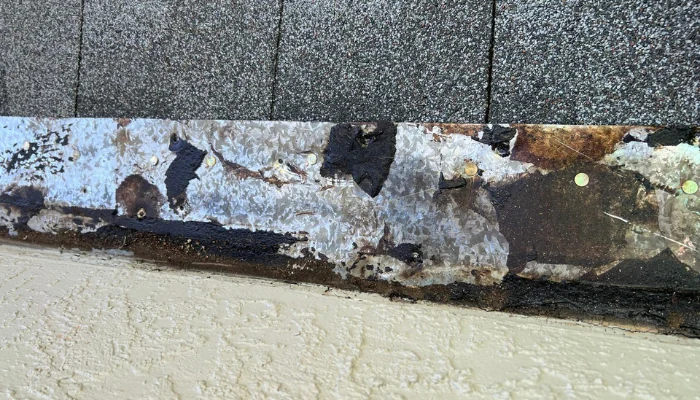
Flashing is the thin layer of metal that seals joints on your roof around chimneys, skylights and vents. Its job is simple: keep water out where shingles alone can’t. When flashing fails, leaks follow, and flashing fails when:
- Rust and corrosion from years of rain and salt air.
- Poor installation where seams weren’t sealed tight.
- Storm damage that loosens or bends the metal.
- Roof movement as wood expands and contracts over time.
Once flashing cracks or pulls away, water flows straight into the home. Here are some signs of flashing problems:

- Water stains near chimneys or vents.
- Damp attic insulation close to roof openings.
- Shingles curling around metal edges.
- Visible gaps, rust or bent flashing.
These weak spots often go unnoticed until a storm makes the leak obvious.
Cost of flashing repairs
On average, flashing repairs range from $400 to $1,000 depending on the area and damage. If ignored, the water damage inside can add thousands to the bill. And when leaks are already active, temporary tarping may be necessary to stop interior damage while waiting for a full repair.
Quick reminder from Protect Preserve Roofing: Flashing may look like a minor strip of metal, but it plays a major role. If it fails, your roof’s defenses are down. Regular inspections and quick repairs save you from bigger headaches.
Gutter and Drainage Issues That Lead to Repairs
Your gutters do more than catch leaves, they direct water safely away from your roof and foundation. When they fail, the problems pile up fast. A clogged or sagging gutter doesn’t just look bad; it can wreck both your roof and your home’s structure. Common gutter problems:
- Clogs: leaves, dirt, and granules block water flow.
- Sagging: heavy buildup pulls gutters away from the roofline.
- Leaks: cracks or rust create steady drips onto siding.
- Poor slope: water sits still instead of draining away.
Each issue creates the same result: water backing up into places it doesn’t belong. These are the warning signs:
- Water spilling over the sides during rain.
- Pools of water near the foundation.
- Rotting fascia boards where gutters attach.
- Streaks of dirt or mildew on siding.
The hidden cost of ignoring gutters
When gutters don’t work, water sneaks under shingles and soaks the roof deck. Over time, this leads to leaks, wood rot and mold inside the home. Worse, standing water near the foundation can crack concrete and shift walls.
That’s why gutter issues are tied directly to roof repairs. Fixing sagging gutters might cost $200–$600 but letting the damage spread can add thousands in roof and structural repairs.
Quick reminder from Protect Preserve Roofing: Ignoring gutter and drainage issues is like ignoring the oil light on your truck, you might drive a little longer, but the damage keeps building. Fix small problems now and you’ll avoid the bigger roof repairs later.
Skylight and Valley Leaks
Skylights and valleys make a roof look modern and functional. Therefore, they’re also weak spots. Both are natural collection points for water. When they’re not sealed or maintained right, leaks appear fast, usually right after a heavy Florida storm. Here’s why skylights and valleys leak:
- Poor installation – flashing not sealed tight around the frame.
- Worn gaskets – rubber seals dry out and crack under sun exposure.
- Condensation – trapped moisture builds up inside the skylight frame.
- Storm damage – wind-driven rain pushes water into gaps.
- Valleys are the “gutters” of the roof – they collect water from two slopes.
- If shingles are misaligned or flashing wears out, water slips under.
- Debris buildup (leaves, branches, granules) holds moisture that rots the underlayment.
These are some signs that your roof is in trouble:
- Water stains or soft spots directly under skylights.
- Drips along interior walls below roof valleys.
- Shingles cracked or missing where slopes meet.
Cost factor
- Minor skylight resealing: $300–$700.
- Full skylight replacement: $1,000–$2,500.
- Valley repairs: typically $400–$900.
- If leaks are severe, you may also need emergency tarping ($800–$1,600) while waiting for full repair.
Bottom line: Skylights and valleys are beautiful and practical, but they require extra care. Spot problems early, and you keep them as features, not liabilities.
Fascia and Soffit Repairs
The fascia and soffit may not be the first parts of the roof you think about, but they work quietly to protect your home. The fascia is the board that runs along the roof’s edge, holding the gutters in place. The soffit sits underneath the overhang, helping with airflow into the attic. When either one fails, bigger roof problems aren’t far behind.
So, fascia gets damaged when:
- Constant exposure to water – rain and overflowing gutters rot the wood.
- Pests – birds, squirrels, or insects chew or nest in soft spots.
- Age – paint peels, wood weakens and boards warp over time.
The soffits matter because:
- They ventilate the attic, preventing heat and moisture buildup.
- When blocked or rotting, moisture collects, creating the perfect environment for mold.
- Damaged soffits also make easy entry points for small animals.
And these are the signs that show they need repair:
- Flaking or peeling paint near the roof edge.
- Visible rot or holes in boards.
- Pests entering through gaps.
- Poor airflow in the attic or musty smells.
Cost factor
- Fascia repairs typically cost $600–$1,200, depending on length and material.
- Soffit repairs average $400–$1,000.
If water damage spreads beyond the boards, full roof edge repair can climb higher.
Pro tip from Protect Preserve Roofing: Small cracks or rotting boards at the roof’s edge are warning signs. Fix them early and you save the attic, the insulation and your peace of mind.
Ponding Water on Flat Roofs
Flat roofs may look simple, but they come with a unique challenge: water doesn’t run off as easily as it does on a pitched roof. When heavy rain hits and water lingers for more than 48 hours, it’s called ponding. And why ponding water happens:
- Poor drainage – blocked drains or low spots keep water stuck.
- Improper installation – roof slopes weren’t built correctly.
- Roof age – sagging areas form as materials settle and weaken.
- Debris buildup – leaves, branches, and dirt clog the water’s path.
The risks of ponding water:
- Roof leaks – standing water seeps into seams and weak points.
- Membrane damage – materials like TPO or EPDM blister or crack under pressure.
- Structural strain – water is heavy; a 10×10 area of one-inch-deep water adds over 600 pounds.
- Mold growth – moisture trapped long-term leads to health hazards inside the building.
And here’s the signs of ponding:
- Puddles visible after two days of dry weather.
- Dark or discolored patches on the roof surface.
- Debris rings showing past water levels.
- Leaks directly under flat sections of the roof.
Cost factor
- Minor patching: $300–$800.
- Drain and leveling work: $1,000–$3,000.
- Full system correction: $5,000+ depending on size.
Bottom line: Ponding isn’t just an eyesore. Left unchecked, it shortens roof life, invites leaks and can even push insurance companies to deny coverage, calling it “lack of maintenance”. Fix drainage and slope issues early, and you’ll extend the life of your roof by years.
Storm and Wind Damage Repairs
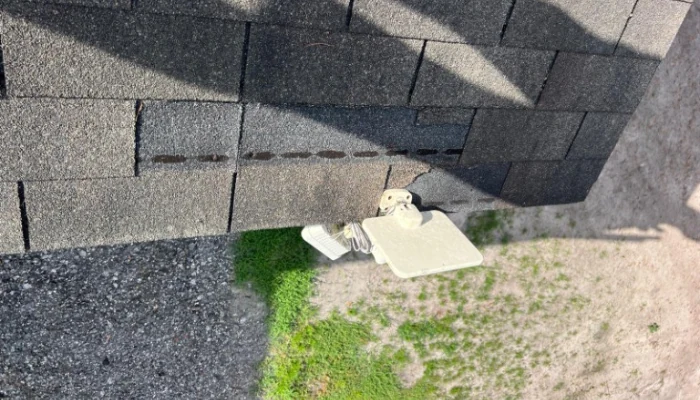
Florida roofs take a beating every year. Hurricanes, tropical storms and sudden wind gusts put shingles, flashing and gutters to the test. When storms hit, repairs are often urgent because even a small gap can turn into a major leak overnight. Here’s how storms damage roofs:
- High winds – rip shingles loose, leaving bare spots.
- Flying debris – branches, tiles or objects smash into the roof surface.
- Hail – knocks granules off shingles, exposing asphalt underneath.
- Heavy rain – pushes water under loose edges and into weak spots.
Each storm is different, but the result is the same: weakened protection and faster wear. These are the signs of storm damage:
- Missing shingles or large bald patches.
- Granules piling up in gutters after heavy rain.
- Dents or cracks in shingles from hail.
- Water stains on ceilings or walls that weren’t there before.
These are clear warnings that a repair is needed right away.
The role of emergency tarping
When a roof is badly damaged, repairs can’t always happen immediately. That’s when tarps come in.
- Proper tarping protects the home until full repairs start.
- Costs typically range from $800 to $1,600, depending on roof pitch and size.
- Nails or screws should never be used unless the roof is beyond saving. Instead, sandbags and safe methods secure tarps without extra damage.
A tarp is not a solution, but it buys critical time and prevents further water intrusion.
Insurance and storm repairs
Insurance often covers storm damage, but only if the contractor documents it properly. If adjusters see signs of neglect, they can deny claims. That’s why inspections and photo evidence matter after every major storm.
Preventive Maintenance to Reduce Roof Repairs
Most roof problems don’t appear overnight. They build slowly, storm after storm, season after season. With regular maintenance, many of the most common roof repairs (especially on tiles) can be avoided or at least delayed for years. Simple steps that make a big difference:
- Seasonal inspections – check the roof twice a year, especially before and after storm season.
- Clean gutters regularly – clogged gutters are one of the fastest ways to create leaks.
- Trim overhanging branches – falling limbs and constant shade both damage shingles.
- Check flashing and seals – small cracks around chimneys or vents turn into big leaks fast.
- Look for granules in gutters – they’re an early sign that shingles are wearing out.
Professional maintenance vs. DIY
Homeowners can spot obvious issues. However, a trained roofer sees what most people miss. Professional inspections often uncover hidden leaks, weak flashing or sagging areas before they cause real trouble.
A quick annual check is cheaper than replacing ceilings, drywall and flooring after a preventable leak.
Pro tip from Protect Preserve Roofing: Your roof doesn’t need constant attention, but it does need consistent care. Stay ahead with simple maintenance and you’ll avoid most of the costly roof repairs homeowners face.
When Roof Repairs Aren’t Enough: Replacement vs. Repair
Every homeowner hopes a quick repair will solve the problem. Sometimes it does. Therefore there comes a point where patching the same roof over and over is just throwing money away. Knowing when to repair and when to replace saves both time and frustration. Signs repairs aren’t enough:
- Frequent leaks – if you’re fixing a new leak every storm, the roof system has failed.
- Widespread shingle damage – curling, cracking and missing shingles across large sections.
- Sagging roof deck – structural issues that patches won’t solve.
- Rising repair bills – if you’re spending hundreds every season, replacement may be cheaper.
The cost comparison
- Small repairs: $300–$700 for shingles or flashing.
- Major repairs: $1,500–$4,000 for larger sections.
- Full replacement: $7,000–$14,000 depending on size and material.
Here’s the hard truth: spending $3,000 on repeated fixes for an aging roof doesn’t extend its life, it just delays the inevitable. At some point, a full replacement is the smarter investment because it is:
- Stronger protection against storms.
- Better energy efficiency with new materials.
- Higher home value and curb appeal.
- Peace of mind, no more constant patch jobs.
Pro tip from Protect Preserve Roofing: Repairs are great for small, isolated issues. However, if your roof is leaking in multiple spots, sagging or pushing past its lifespan, replacement is the smarter move.
Conclusion: Protecting Your Roof, Protecting Your Home
Your roof does more than block the rain. It protects your family, your belongings and the structure of your entire home. Now that you know what are the most common roof repairs, remember that those aren’t just minor inconveniences. They’re warnings that your first line of defense is under attack.
The good news? These problems can be solved and often prevented with the right team on your side. A trusted, licensed roofing contractor doesn’t just fix issues. They extend the life of your roof, save you money on long-term costs, and give you peace of mind knowing your home is secure.
Protect Preserve Roofing is here to help Florida homeowners with inspections, repairs and full replacements done right the first time.
Schedule your roof inspection today or get a quick estimate your roofing project and take the first step toward protecting your home, your investment and your family.
Don’t let small roof problems turn into big financial headaches.
FAQ: What Are the Most Common Roof Repairs?
The five most common roof repairs are leaks, shingle replacement, flashing repair, gutter and drainage fixes, and storm or wind damage repairs.
If damage is isolated, a repair usually works. But if leaks are frequent, shingles are failing across large sections, or the roof is near the end of its lifespan, replacement is often the smarter investment.
Small repairs like shingle replacement may cost $300–$700. Larger repairs range from $1,500–$4,000. Emergency tarping often costs $800–$1,600 while waiting for full repair.
Experts recommend a roof inspection twice a year — once before storm season and once after. Regular inspections help catch small issues before they become costly repairs.



Leave a Reply