



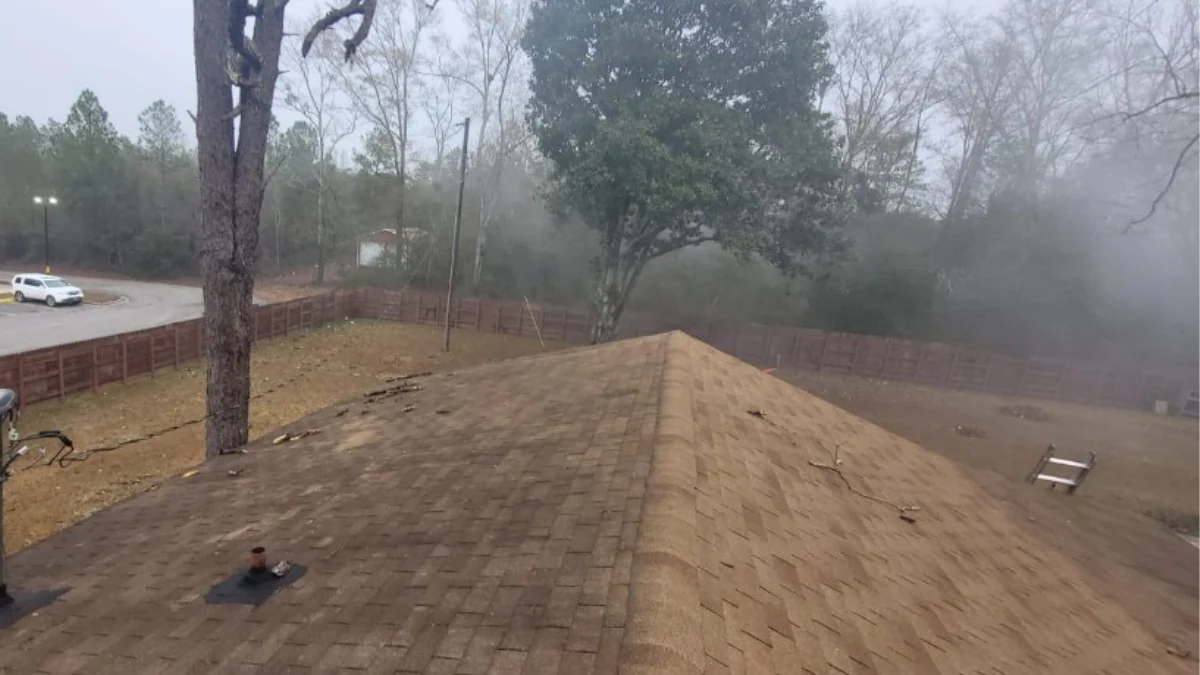


Does home warranty cover roof? It’s a common question and one that often comes up when homeowners face unexpected repairs after a storm or years of wear, because many homeowners don’t realize that home warranties and insurance cover very different things when it comes to roof issues.
If you’re wondering whether your home warranty can help with roof leaks, partial repairs, or even a full replacement, you’re not alone.
That’s why in this guide, we’ll break down exactly what’s covered, what’s not, and how to take full advantage of your home warranty when it comes to roof-related issues. You’ll also discover common mistakes that void your roof coverage, how to file a claim the right way, and the difference between warranty plans like American Home Shield versus others.
By the end, you’ll not only have clarity, you’ll be empowered to protect your home better, make smarter decisions and avoid paying out-of-pocket for something that should’ve been covered.
Ready to uncover the truth behind roof warranty coverage? Let’s get started.
Table of contents
What Exactly Does a Home Warranty Cover?
A standard home warranty does not automatically cover your roof. Most plans focus on systems like HVAC, plumbing, electrical and appliances like ovens, dishwashers, and washers. Roof coverage is often offered as an optional add-on, and even then, it usually applies only to leaks caused by wear and tear, not storm damage.
To be clear, a home warranty is different from homeowners’ insurance. Insurance steps in after a sudden event, like a fallen tree or fire. A warranty, on the other hand, is there for everyday breakdowns. Let’s break it down in a simple list:
Typically covered:
- HVAC systems (heating and cooling).
- Water heaters.
- Electrical systems.
- Plumbing systems.
- Refrigerators, dishwashers, ovens.
- Clothes washers and dryers.
Usually not covered:
- Structural issues (like foundation cracks).
- Windows, doors, walls.
- Pre-existing conditions.
- Improper installations.
- Damage from natural disasters.
So, if you were hoping that your warranty would handle a full roof overhaul, think again. However, if there’s a minor leak from normal aging and you’ve got the right add-on in place, you might be covered.
Quick tip from Protect Preserve Roofing: Before you assume anything is covered, read your contract carefully. Yeah, it’s boring, but that fine print can save your wallet from a nasty surprise.
Does Home Warranty Cover Roof?
Most home warranties don’t cover your roof, at least, not by default. To get roof protection, you usually need to add it as extra coverage to your plan. Even then, it only covers specific types of roof leaks and only under very specific conditions.
So, what kind of roof coverage are we really talking about?
- Only main residence roofs.
- Only certain materials: usually shingles, tile, shake, tar and gravel.
- Often limited to $1,000 max in repairs.
- Only leaks, not replacements or structural damage.
- Only if the roof was in watertight condition when coverage started.
If your plan says, “limited roof leak coverage,” that’s your green light, but you still need to check the exclusions. Leaks around chimneys, skylights, gutters, patio covers, or roof-mounted equipment (like satellite dishes) are almost always excluded.
Don’t forget: Your roof doesn’t get a free pass just because you have a warranty. If you let things slide (skip inspections, ignore missing shingles or don’t act quickly on a known leak) the warranty company might deny your claim.
What Types of Roof Issues Are Usually Covered?
Most home warranties that include roof coverage are very specific and very limited. “Roof coverage” usually means patching small leaks. That’s it. Here’s what’s usually covered:
- Leaks in the main structure’s roof.
- Caused by normal wear and tear.
- On approved materials (like shingle, tile, tar and gravel, shake, composition).
- Detected during warranty coverage period.
- Within the plan’s coverage limit (typically up to $1,000).
Now, here’s what’s usually not covered:

- Leaks from improper construction or previous damage.
- Damage from storms, hail, wind or tree limbs.
- Areas around skylights, gutters, flashing, chimneys, solar panels.
- Roofs over sheds, garages, or patio covers.
- Metal roofs (most companies exclude them).
- Missing shingles or poor maintenance.
- Leaks caused by walking on the roof or DIY tarp installs gone wrong.
If the leak happened because you (or someone else) did something that weakened the roof – including nailing a tarp into it – the claim will almost always be denied.
Quick tip from Protect Preserve Roofing: Before you count on a home warranty to fix your roof, make sure you know exactly what’s covered, what’s not, and where the warranty draws the line.
Common Exclusions in Roof Warranty Coverage
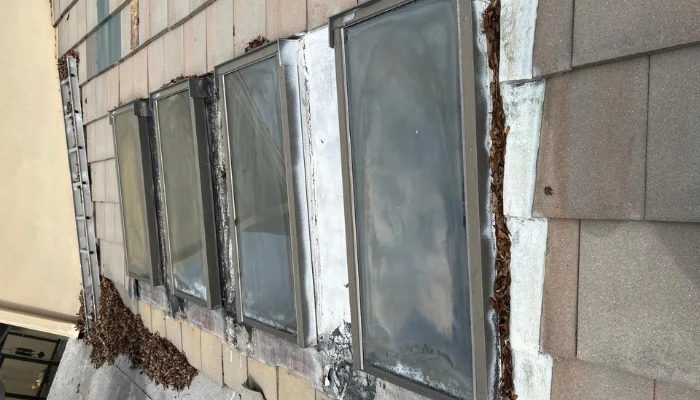
When it comes to roof warranty coverage, the exclusions matter just as much as what’s actually covered. So, here’s what they usually leave out and what you need to watch for:
- Leaks around roof features: Skylights, chimneys, flashing, vents, satellite dishes – if water is coming in near one of these, it’s probably not covered.
- Damage from outside forces: Storms, fallen branches, wind uplift, hail or animals – all excluded. That’s insurance territory, not warranty.
- Improper installation or prior damage: If the roof wasn’t installed correctly or if the issue existed before you got the warranty, say goodbye to coverage.
- Poor maintenance or neglect: Missed inspections, clogged gutters, broken tiles left unfixed – that’s on you. Warranty companies expect you to care for your roof like an adult.
- Non-traditional roofs: Metal roofs, green/eco roofs, flat commercial-style roofs, and roofs on sheds, patios or detached garages usually don’t make the cut.
- Tarp-related damage: If someone nails or screws a tarp into your shingles, that can void your coverage. Unless your roof is already toast or sitting at a steep pitch where sandbags won’t hold, don’t do it. Seriously.
These exclusions exist because warranty companies aren’t stupid. They know roofs are expensive to fix. So, they build tight guardrails around what counts as “wear and tear” and avoid anything that feels like an accident, disaster or poor judgment.
Pro tip from Protect Preserve Roofing: Always ask the warranty provider for a sample contract before signing. Look for the exclusion section. If it feels longer than the coverage section… well, that tells you something.
Does Home Warranty Cover Roof Replacement?
Short answer? No. A home warranty does not cover full roof replacement and it’s not trying to. That’s not what it’s built for.
Warranty plans are meant to help with small repairs caused by wear and tear, like a leak in one section of the roof. If your entire roof is failing, sagging, or missing big patches of shingles, a home warranty plan is going to walk away from that like it never saw you.
Let’s get clear on why:
- Roof replacement is expensive. Even partial replacements can cost $10,000 or more.
- Warranty companies limit their risk. Most plans cap roof leak repair coverage at $1,000, max.
- The word “replacement” rarely appears in warranty contracts unless it’s to say it’s not included.
Here’s what a warranty might help with:
- A small leak that can be patched.
- Localized damage from age, like a cracked shingle or weak flashing (not near a chimney or skylight).
- One-time repair calls within the coverage limit.
So… who covers the roof replacement? Usually:
- Homeowners insurance, but only if the damage was sudden (storm, fire, fallen tree).
- You, if the damage was from age or poor maintenance.
- Or Protect Preserve Roofing, if you want it done right and fast (but we’ll get to that later).
What Voids a Roof Warranty?
You can have the best roof warranty in the world. However, if you make the wrong move, it can all go out the window fast. The worst part? Most people don’t even know they’re voiding their coverage until it’s too late. So, let’s make sure you’re not one of them:
- Unqualified repairs or installations: Most warranty providers require that any work on your roof be done by licensed professionals, preferably certified by the roofing manufacturer or your warranty provider.
- Skipping regular maintenance: Yes, you need to maintain your roof. That means:
- Cleaning out the gutters.
- Removing debris.
- Replacing missing shingles.
- Checking for soft spots or rot.
- Modifications without approval: Installing solar panels, satellite dishes, skylights or ventilation fans without notifying your provider can make your warranty disappear.
- Improper tarp installation: If you nail or screw a tarp directly into your shingles to stop a leak, you could cause more damage than the leak itself. The only time it’s acceptable to fasten a tarp into the roof is when the pitch is too steep or the damage is so severe that replacement is the only option. Otherwise, don’t do it.
- Failing to register the warranty: Some warranties need to be formally registered after installation. If you skip that step, it’s like the warranty never existed in the first place.
- Letting unapproved people work on the roof: This includes handymen, general contractors, and sometimes even local roofing crews not certified by your warranty provider. If they aren’t on the approved list, your warranty may not honor future claims.
Quick tip from Protect Preserve Roofing: Keep a file – digital or physical – with all receipts, inspection reports, and service records. That way, if something goes wrong, you can prove you did everything right.
How to Make a Roof Warranty Claim
Here’s exactly what to do, so you don’t get denied for missing a small detail:
- Step 1: Confirm you have roof coverage: Check your warranty contract to make sure roof leak repair is included. If it’s not in the base plan, you might’ve needed to add it as optional coverage.
- Step 2: Review the exclusions: Before calling anyone, read the fine print. Make sure your situation doesn’t fall into one of the common exclusions, like:
- Leaks near skylights or chimneys.
- Storm damage.
- Pre-existing issues.
- Step 3: Document the damage immediately: Grab your phone. Take photos and videos of:
- The interior damage (ceiling stains, dripping, etc.).
- The affected area of the roof (from a safe distance).
- Any surrounding features (chimneys, solar panels).
- Step 4: Prevent further damage safely: Cover the area with a tarp, but do not nail or screw it into the shingles. That could void your warranty or even mess with your insurance. Use sandbags and tie-downs.
- Step 5: Call your warranty provider: Use the number or portal listed in your service agreement. Have this info ready:
- Contract number.
- Description of the issue.
- When it started.
- Photos (if requested).
- Step 6: Meet the technician & get the report: When the pro shows up be available, walk them through the issue and ask for a written assessment.
- Step 7: Follow up and confirm approval: Follow up with your warranty provider. Ask if the repair is covered, confirm the repair timeline and get clear on what you’re responsible for (e.g., service fees, uncovered portions).
- Step 8: Keep records of everything: Save emails, photos, service notes and receipts.
Final reminder: The best way to avoid frustration is to know your plan, act fast and follow every step. Most claims fail because someone skipped a detail or assumed coverage that didn’t exist. Now that’s not you.
Does American Home Shield Warranty Cover Roof Leaks?
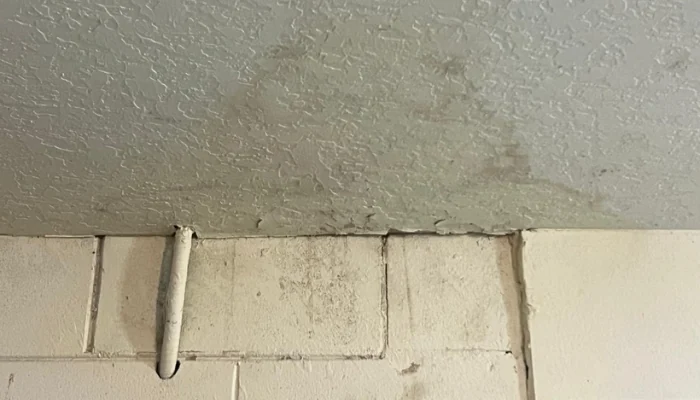
Yes, but only if you specifically add the roof leak coverage to your plan. American Home Shield (AHS) offers what’s called a “Roof Leak Repair” add-on. It’s not included in the basic plans and it doesn’t cover all types of leaks.
What’s included:
- Leaks in the roof over the main living area.
- Caused by normal wear and tear.
- Up to a $1,500 limit per contract term.
- Certain roofing materials: shingles, shake, tile, tar and gravel.
That’s the upside. It gives you some backup if your roof starts dripping on your dinner table after a rainy night… as long as it’s from aging, not something more dramatic.
What’s not covered:
- Leaks near chimneys, flashing, skylights and vents.
- Roofs over patios, porches, garages or additions.
- Damage caused by weather (storm, hail, wind), improper installation, lack of maintenance and rodents or pests.
Also, AHS requires that the leak didn’t exist before your coverage started. If the problem was already there and just got worse, your claim would likely be denied.
Important to know: Even though AHS has one of the more well-known roof add-ons, it still comes with tight limitations. Many homeowners find themselves surprised by exclusions or low payout limits, especially when they realize that $1,500 doesn’t go far when a roofer shows up. As mentioned before, Protect Preserve Roofing customers know this well and many choose to rely on local expertise when it comes to roof problems, instead of depending on small repair coverage with strict rules.
Roof Warranty vs. Homeowners Insurance
If your roof starts leaking, who’s supposed to help: your home warranty or your insurance company? The answer? It depends on what caused the leak.
Home warranty
A home warranty helps with repairs from normal use overtime. It’s designed for everyday breakdowns, when something stops working because it’s old, not because something bad happens. When it comes to your roof, a warranty might:
- Cover small leaks.
- Caused by age or deterioration.
- If you add roof coverage to your plan.
- And the roof was in good condition when the warranty started.
It does not cover total replacements, storm damage, or leaks around skylights and chimneys.
Homeowners insurance
Homeowners insurance steps in when something unexpected happens, like:
- A tree falls on your roof.
- Wind rips off shingles during a storm.
- Fire or hail damages your roof overnight.
These are sudden, accidental events, and that’s when insurance is supposed to protect you. But there’s a catch: If the damage happened because the roof was already leaking or poorly maintained, the insurance company might deny the claim.
Key difference
Warranty covers aging. Insurance covers accidents. Neither covers neglect. If you knew your roof had a problem and you didn’t act fast, no one may cover it. Always remember that:
- The warranty only helps with limited repairs, and only if your roof was solid when coverage began.
- Insurance may help with bigger events, but only if you kept the roof in good condition.
And if water gets inside, damages drywall, or causes mold because you didn’t tarp it or call for help? You could end up footing the bill alone.
How to Extend Your Roof’s Life and Stay Covered
Most roof issues don’t show up overnight. So, here’s how to keep that from happening (and keep your warranty or insurance from ditching you in your time of need):
- Inspect your roof twice a year: Once in the spring, once in the fall. You don’t need to climb up there like a ninja, just walk around the house and look for missing or curling shingles, discoloration, soft spots, sagging areas and rusty flashing.
- Keep gutters clean: Neither your warranty nor your insurance will cover damage caused by clogged gutters. Clean them out a few times a year, especially after storms or heavy leaf fall.
- Fix small problems fast: A tiny leak today can become a giant leak tomorrow. Loose shingle? Fix it. Small crack? Seal it. Waiting only makes the problem more expensive and harder to cover under any plan.
- Don’t let just anyone work on your roof: Letting an unapproved or uncertified contractor touch your roof can void your warranty. Always hire licensed, experienced pros.
- Use tarps correctly: Got a leak and need to act quickly? Cover it, but don’t nail or screw the tarp into the roof. Use sandbags or tie-downs instead.
- Keep records: Every inspection, repair and invoice. Keep it all. If you ever need to file a claim, having documentation can be the difference between an approval and an “I’m sorry, sir.”
- Register your warranty: Some people forget this and think they’re protected, but they’re not. Register it. Save the confirmation. It’s simple and can save you from a huge headache.
Pro tip from Protect Preserve Roofing: Take care of your roof and your roof will take care of you. Ignore it… and both your warranty and your wallet will suffer.
Conclusion: Does Home Warranty Cover Roof?
A home warranty can help with small leaks, sure. However, when the rain hits hard, or when your roof needs real attention, you don’t want to rely on fine print, hidden exclusions, or a $1,000 cap.
You want speed. You want someone who can solve the right problem at the right time. And that’s where Protect Preserve Roofing comes in. Our team understands that:
- One leak can lead to thousands of damages.
- A poorly placed tarp can void your insurance.
- Your home isn’t just a home; it’s your safe place.
So, if you’re dealing with a leak, worried about coverage or just tired of being left in the dark by warranty providers, call us today. You can also get an instant roof estimate or schedule a free roof assessment.
You deserve trust, swift action and a team that understands what’s at stake.
Frequently Asked Questions (FAQ)
– Poor maintenance
– Installing solar panels or satellites without notice
– Nailing or screwing tarps into shingles
– Skipping warranty registration
Homeowners insurance = big, sudden disasters.
Neither covers damage caused by neglect.
What voids a roof warranty?
– Letting unqualified people work on your roof
– Poor maintenance
– Installing solar panels or satellites without notice
– Nailing or screwing tarps into shingles
– Skipping warranty registration
Is roof repair from storm damage covered by a home warranty?
No. Storms, hail, wind, or falling trees fall under homeowners insurance — not home warranty.
What’s the difference between roof warranty and homeowners insurance?
Roof warranty = small, age-related repairs.
Homeowners insurance = big, sudden disasters.
Neither covers damage caused by neglect.
Is it worth getting roof coverage in a home warranty?
If your roof is newer and well-maintained, it can be. But know the limits: it won’t cover major repairs or full replacements. For real peace of mind, call a pro — like Protect Preserve Roofing.


Leave a Reply