




Roofing companies near you can seem easy to choose at first glance. A quick search brings up directories, large manufacturer networks, and local contractors ready to provide estimates. But when your home is involved, especially after a storm or sudden leak, choosing the first name you see can lead to costly mistakes.
Not every roofing contractor operates the same way. Some focus heavily on full roof replacements. Others prioritize targeted repairs. A few are equipped to provide emergency tarping to stop active leaks before interior damage spreads. Without knowing what to compare, homeowners often rely only on price, and that rarely tells the full story.
Before signing any agreement, it’s important to understand what separates a reliable roofing company from one that may create more problems later. Licensing, insurance, written estimates, storm experience, warranty clarity, and response time all matter, especially in areas prone to severe weather.
This guide will help you compare roofing companies near you the right way. You’ll learn what to evaluate, which red flags to watch for, when repair is enough, and when replacement or temporary protection is the smarter move. The goal is not just to find a roofer, it’s to choose the right one with confidence.
Why Searching “Roofing Companies Near Me” Isn’t Enough
Typing “roofing companies near me” into Google feels like the fastest way to solve the problem. Within seconds, you’ll see directories, sponsored listings, and contractors promising fast estimates. But search results don’t always show you who is most qualified, they show you who is visible.
Visibility and quality are not the same thing. Some companies rank well because they are part of national networks. Others appear because they advertise heavily. A few are genuinely experienced local professionals. The challenge is that, from the outside, they can all look similar.
After major storms, this becomes even more important. Severe weather often brings an increase in temporary or out-of-area contractors who offer quick replacements without properly assessing whether a repair or protective solution would be enough. Choosing based on urgency alone can lead to unnecessary expenses or incomplete fixes.
That’s why comparing roofing companies requires more than checking reviews or asking for the lowest price. You need to understand how they approach inspections, how detailed their written estimates are, whether they offer emergency protection like tarping when needed, and how clearly they explain long-term warranties.
Search results can point you in a direction. But comparison protects your home.
Roofing Company Comparison Checklist
When comparing roofing companies near you, surface-level impressions are not enough. A professional website or a fast estimate does not automatically mean the company follows proper inspection standards, transparent pricing practices, or protection-first recommendations.
Instead of focusing only on price, use a structured comparison approach. Reviewing contractors side by side makes differences clearer and helps you avoid costly decisions based on urgency alone.
Below is a practical checklist you can use when evaluating roofing companies.
| What to Compare | Why It Matters | What You Should Look For |
|---|---|---|
| License & Insurance | Protects you from liability and ensures legal compliance | Verifiable documentation, not verbal confirmation |
| Local Storm Experience | Roofing systems perform differently in severe weather regions | Proven local projects and familiarity with storm-related damage |
| Inspection Process | Determines whether repair or replacement is truly necessary | Detailed, hands-on roof evaluation before recommendations |
| Repair-First Approach | Prevents unnecessary full replacements | Clear explanation of why repair is or isn’t viable |
| Emergency Tarping Availability | Minimizes interior damage after sudden leaks | Ability to respond within 24–48 hours |
| Estimate Transparency | Reduces risk of hidden costs | Line-by-line written proposal with materials and scope |
| Warranty Clarity | Protects long-term investment | Written coverage for labor and materials |
Using this checklist shifts the decision from emotional to analytical. Instead of asking, “Who can do it cheapest?” you begin asking, “Who is evaluating my roof correctly and explaining my options clearly?”
A reputable roofing company should welcome these questions. If a contractor seems uncomfortable explaining inspection findings, warranty details, or why one solution is recommended over another, that hesitation itself becomes valuable information.
Comparing roofing companies near you in this way protects your home, your budget, and your long-term roof performance.
Repair vs. Replacement vs. Emergency Tarping: When Each Option Makes Sense
One of the biggest mistakes homeowners make when searching for roofing companies near you is assuming that every roofing issue requires a full replacement. In reality, the right solution depends on the extent of the damage, the age of the roof, and how quickly the situation needs to be stabilized.
Understanding these differences allows you to evaluate whether a contractor is recommending what your roof actually needs, or simply the most expensive option available.
When a Roof Repair Is Enough
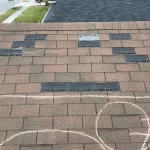
A targeted roof repair can often solve the problem safely and efficiently when the damage is limited. If only a small section of shingles is missing, flashing has loosened around a vent or chimney, or there is a minor leak without structural compromise, a proper repair may restore protection without replacing the entire system.
In these cases, the contractor should clearly identify the damaged area, explain the cause, and describe how the repair will extend the roof’s lifespan. If replacement is recommended without a clear technical reason why repair would fail, it’s reasonable to ask for a detailed explanation.
When Roof Replacement Becomes Necessary
Replacement becomes more appropriate when damage affects multiple sections of the roof, when leaks are recurring in different areas, or when the roofing system has reached the end of its expected lifespan. Severe storm damage that compromises underlayment or decking may also require a full replacement to ensure long-term safety.
Because replacement is a major investment, the recommendation should be backed by a thorough inspection and a clear breakdown of materials, installation methods, and warranty coverage. A rushed or vague explanation is a signal to slow down and compare carefully.
When Emergency Tarping Is the Smart First Step
Emergency tarping is not a permanent repair, but it can be the most important first step after a storm or sudden roof failure. When shingles are torn off, sections are exposed, or active leaks threaten ceilings and insulation, installing a tarp quickly helps prevent additional interior damage.
It also provides time for insurance documentation and proper inspection before committing to repair or replacement. Companies that offer emergency tarping within 24 to 48 hours often demonstrate a protection-first approach, focusing on stabilizing the home before discussing long-term solutions.
Choosing between repair, replacement, or temporary protection should never be driven by urgency alone. It should be based on condition, safety, and a clear understanding of what your roof truly requires.
When comparing roofing companies near you, listen carefully to how each contractor explains these options. The right company educates first and recommends second.
Red Flags When Comparing Roofing Companies
When searching for roofing companies near you, it’s easy to focus only on reviews and price. But certain warning signs can indicate deeper problems that may not appear in a five-star rating. Knowing what to watch for can protect you from unnecessary expenses and unfinished work.
No Written Estimate or Vague Documentation
A professional roofing company should provide a detailed written estimate. If the proposal only includes a single total price without listing materials, labor scope, disposal, permits, or timeline, you may face unexpected charges later. Clear documentation protects both you and the contractor.
Pressure to Sign Immediately
High-pressure tactics are a major red flag, especially after storms. If someone insists you must sign “today” to lock in pricing or claims materials will run out within hours, take a step back. Reputable contractors allow homeowners time to review estimates and compare options.
No Proof of License or Insurance
Verbal assurances are not enough. A legitimate contractor should provide proof of active licensing and insurance upon request. Without it, you could be exposed to liability if an accident occurs on your property.
Promises That Sound Too Good to Be True
Statements like “your insurance will cover everything” or “we can waive your deductible” should raise concerns. Insurance claims involve specific processes and documentation. Overpromising often leads to disputes later.
Replacement Recommended Without Clear Explanation
If a contractor recommends full replacement without clearly showing the extent of damage or explaining why repair is not viable, ask questions. A trustworthy company explains the reasoning behind its recommendation and is transparent about alternatives.
Spotting these red flags helps you compare roofing companies near you more confidently. Instead of reacting to urgency or marketing pressure, you evaluate professionalism, transparency, and accountability, the qualities that truly determine long-term results.
Preventive Steps to Protect Your Roof Before the Next Storm
When searching for roofing companies near you, most homeowners are already dealing with a problem. But the strongest roofing decisions often happen before damage becomes urgent. Preventive maintenance reduces the likelihood of emergency tarping, interior leaks, and expensive structural repairs.
Even simple inspections and small corrections can extend the life of your roof significantly.
Start with a visual ground-level inspection at least twice a year, especially before and after storm season. Look for missing shingles, lifted edges, visible debris accumulation, or sagging areas. While you should avoid climbing onto the roof without proper safety measures, early visible warning signs often indicate deeper issues.
Keep gutters and downspouts clear. Blocked drainage forces water to back up under shingles and flashing, increasing the risk of slow leaks that go unnoticed for months. Water management is one of the most overlooked factors in roof longevity.
Pay attention to flashing around chimneys, vents, and skylights. These penetration points are common sources of water intrusion. If sealant appears cracked or metal flashing looks loose, a minor repair now can prevent major interior damage later.
After heavy storms, inspect ceilings and attic spaces for subtle signs of moisture, such as small stains or damp insulation. Acting quickly reduces the chance of mold development and structural weakening.
Scheduling a professional inspection before peak storm season can also identify vulnerable areas early. A contractor who prioritizes protection may recommend minor repairs or reinforcement rather than waiting for failure to occur.
Preventive care doesn’t eliminate every roofing risk, especially in severe weather regions. But it reduces emergency scenarios and gives you more control over timing and cost.
When comparing roofing companies near you, consider which contractors discuss prevention, not just replacement. A company that educates homeowners on maintenance demonstrates long-term accountability, not short-term sales focus.
How long does roof replacement take in Florida?
Commercial flat roofs may take 5–14 days, especially if permits or inspections are needed.
Afternoon storms in Central Florida can cause delays, but we schedule smart — and tarp when needed.
What’s included in a roofing quote?
Tear-off and disposal
Materials (type, brand, warranty)
Labor and estimated timeline
Flashings, vents, underlayment
Cleanup and inspection
Permit costs if needed
No guesswork. No surprise charges.
Do you work on both residential and commercial roofs?
We handle:
Residential homes (shingle, tile, metal)
Commercial buildings (flat, TPO, coatings)
Emergency tarping (without nails unless truly needed)
We’re licensed, insured, and local.
Are permits required for roof replacement in Florida?
Don’t worry. We handle the paperwork, submit it, and wait for approval before starting the job.


Leave a Reply