





Roof inspection after a storm isn’t just a precaution, it’s a necessary step to protect your home and your wallet.
Florida sees more than 70 named storms and severe weather alerts annually, according to FEMA, hail and wind damage rank among the top five causes of roof insurance claims in the state. Yet, many homeowners don’t realize they have roof damage until it’s too late.
In fact, missing a hidden leak or compromised shingle could void your insurance claim or worse, lead to structural issues that multiply repair costs. So, ask yourself:
- Are you sure your roof is safe right now?
- Did that last storm hit harder than it looked?
- What happens if you wait too long to check?
In this guide, you’ll learn exactly what to inspect, how to spot the early signs of damage, and why acting fast in Orlando and Central Florida can make the difference between a simple repair and a major roof replacement.
Don’t wait for leaks to show up, let’s find out, step by step.
Table of contents
Why You Should Have a Roof Inspection After Storm?
Storms in Florida aren’t just noisy, they’re sneaky. One moment it’s windy and rain, the next your roof could be quietly letting water inside. And here’s the kicker: many homeowners don’t even realize there’s damage until it’s too late.
What’s at risk after a storm?
When heavy winds, hail, or flying debris hit, your shingles or tiles can loosen, crack or go missing. Even small storm damages can lead to:
- Water leaks.
- Ceiling stains.
- Mold growth.
- Electrical hazards.
- Insulation damage.
Ignoring one missing shingle today could turn into a $15,000 ceiling replacement next month.
The insurance trap most homeowners miss
Here’s what most people don’t know: Insurance doesn’t always cover water damage if you don’t act fast.
Most policies require you to take ‘reasonable steps to prevent further damage. That includes scheduling a prompt roof inspection and installing a tarp if necessary. If you delay, the insurance company might call it “neglect” and deny the claim.
That’s why acting fast matters. And that’s why Protect Preserve Roofing offers same-day inspections and emergency tarp services across Central Florida.
It’s not always visible from the ground
Just because your roof is fine from your driveway doesn’t mean it is. Some damage – like lifted shingles, cracked flashing or soft spots – can only be seen up close or with drone footage.
Our local team uses trained eyes, moisture readers, and advanced inspection tools to detect problems early before they cost you thousands.
Ready for us to inspect your roof? We serve Orlando and all of Central Florida with rapid inspections and emergency tarping. Get a roof inspection after storm now.
Visible Signs of Roof Damage You Should Never Ignore
After a storm, your roof may give you warning signs. Some are obvious, others are sneaky. The faster you recognize them, the cheaper the solution will be. Here are the most common visual clues that your roof may need inspection or emergency repair:
- Missing or shifted shingles: If you see bare patches or shingles lying in your yard, don’t wait, that’s a direct path for rain to enter your home. Even one missing shingle can lead to major internal damage.
- Granule loss in gutters or driveway: Asphalt shingles have protective granules that wear off during a storm. If you find black sand-like particles near your downspouts, it means your shingles have lost their protection. That accelerates sun damage and water absorption.
- Dark spots, streaks or water stains on ceilings: See a dark ring on your living room ceiling? That’s not just a stain, it’s a signal that water is getting in. By the time it reaches drywall, the damage may already be widespread.
- Flashing or sealant pulling away: Flashing (the metal around vents, chimneys and skylights) should sit tight and flat. If it’s raised, rusted or looks twisted, water could be seeping in right where you can’t see it.
- Dented or cracked roof vents and fixtures: Hail can dent metal vents or even crack plastic pipe boots. These openings can let water in every time it rains. If the components on your roof look deformed or damaged, they need professional attention fast.
- Visible debris or tree branches on the roof: Branches on your roof aren’t just messy, they can cause impact damage, hidden punctures, or break tiles and shingles on impact. If you spot debris, call for an inspection even if nothing “looks bad” from the ground.
- Loose or sagging gutters: Storm winds often yank gutters out of alignment. If your gutters are sagging or spilling over, they’re not doing their job and that can lead to water backing up under your roofline.
Don’t forget: The biggest mistake homeowners make? Waiting too long. Every hour that moisture sits under your roofing system increases the chance of mold, rot and structural damage. And remember most insurance providers won’t cover preventable water damage. If you don’t act fast, you may be left footing the bill.
After-Hail Roof Inspection: What Makes It Different
Not all storms are created equal and hail is a different beast. While wind tends to tear things off your roof, hail leaves bruises, cracks and hidden fractures that can be hard to detect from the ground. That’s why a standard walk-around inspection won’t cut it after hail. You need an inspection that digs deeper.

Why is hail damage so tricky?
Hail doesn’t always punch holes in your roof. Often, it causes granule loss, shingle bruising and underlying fractures that only show up over time, sometimes weeks or months later as leaks begin to appear.
And here’s the catch: If you wait too long to inspect, your insurance may deny the claim. Most policies have a limited window after the storm to report hail-related roof damage.
That’s why acting fast is key, even if everything “looks fine”, to get paid.
What we look for in a hail-specific inspection
Our trained teams check for:
- Circular impact marks on shingles.
- Granule displacement (bald spots).
- Cracked or split shingles.
- Dented metal vents and flashing.
- Soft spots that feel like a bruise when pressed.
- Gutter damage from hail impact.
We also document all findings with photo reports and carrier-approved forms using Xactimate and Cotality – the same systems your insurer uses.
Quick reminder from Protect Preserve Roofing: Don’t wait until leaks appear. If there was hail in your area, book an inspection, even if you don’t see anything wrong.
How to Inspect Your Roof After a Storm (Without Climbing It)
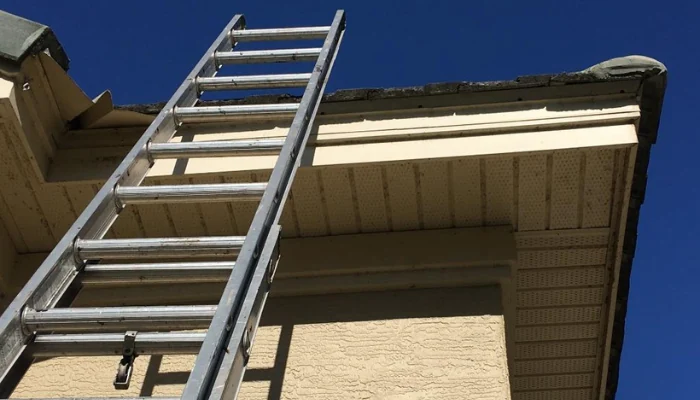
Let’s be honest, no one wants to climb on a wet, slippery roof after a storm. And the good news is: you don’t have to.
There’s a safe and smart way to check for damage without setting foot on a ladder. Here’s how to do it fast, clean and insurance friendly.
Step 1: Start with a perimeter walk
After the weather clears, walk slowly around your home and look up. Watch for:
- Missing shingles (you might see exposed felt or decking).
- Lifted or curled edges on roof corners.
- Loose flashing near chimneys or vents.
- Bent or dislodged gutters.
- Pieces of shingles on the ground or in the yard.
Tip: Use your phone to zoom in. Snap pictures of anything that looks off.
Step 2: Check the ground for clues
Sometimes the roof won’t show the whole story, but the ground will.Look for:
- Shingle granules near downspouts (looks like coarse sand).
- Broken tile pieces.
- Metal dents on gutters, AC units or fencing (sign of hail).
- Water pooling near the foundation (poor drainage from gutter issues).
These are small signs that your roof might be in trouble.
Step 3: Inspect your attic or ceiling
Next, go inside.
- Look for wet spots, stains, or dripping water on ceilings or walls.
- In the attic, check for damp insulation, water stains, or sunlight peeking through.
Even a small water stain today can mean a growing leak tomorrow.
Step 4: Don’t Guess – Get It Verified
Damage isn’t always obvious. Especially after hail or heavy wind. If you’re unsure – or just want peace of mind – let a pro handle the ladder.
At Protect Preserve Roofing, our team uses:
- Drones for aerial inspection.
- Moisture meters to detect hidden leaks.
- Photo and video reports formatted for insurance claims.
And yes, we come to you in Orlando and across Central Florida. Schedule a post-hail roof inspection after storm today.
Roof Inspection Checklist After Severe Storms
Not sure where to start after a storm passes through your neighborhood? Don’t worry, we’ve got you covered. Below is a straightforward, storm-ready roof inspection checklist you can follow step by step.
Whether it was heavy rain, hail, or high winds, this checklist helps you document damage, stay safe, and prepare for insurance if needed.
Exterior roof inspection (from the ground):
- Check for missing shingles or tiles, especially on roof edges and valleys.
- Look for lifted or curled shingles, these let water sneak underneath.
- Inspect gutters and downspouts for dents, separation or blockages.
- Scan for flashing damage near chimneys, skylights and roof vents.
- Spot shingle granules around your home’s perimeter or near gutter drains.
- Photograph any debris that fell on or around your roof.
After-hail specific signs:
- Dents in metal vents or gutters.
- Bruised, cracked or softened shingles (may feel spongy).
- Check air conditioner units, mailboxes or vehicles for pockmarks, they often show hail impact before shingles do.
Interior roof & attic inspection:
- Ceiling stains or discoloration (yellow, brown or dark rings).
- Peeling paint or bubbling drywall.
- Dripping water or signs of moisture in attic insulation.
- Visible daylight through roof boards or vent areas.
Insurance documentation tips:
- Take clear, date-stamped photos of every damaged area from multiple angles
- Save any broken shingle pieces you find on the ground
- Document any emergency fixes, like buckets under leaks or tarps
- Keep receipts for temporary repairs your insurer may reimburse you
Important: If any of the following apply, don’t wait:
- Active leaking inside.
- Large tree branches on the roof.
- You suspect hail but aren’t sure.
- You want documentation formatted for insurance.
And Protect Preserve Roofing offers free storm inspections in Orlando and across Central Florida; plus, we work directly with insurers using their approved systems.
How Soon Should You Schedule a Roof Inspection After a Storm?
The short answer? As soon as it’s safe. Roof damage isn’t always obvious. Even a small crack or lifted shingle can lead to leaks that silently rot the inside of your home. That’s why acting fast after a storm isn’t just smart, it’s essential.
Here’s why you shouldn’t wait more than 24–72 hours:
- Moisture moves fast. Within a day, water can soak into attic insulation and drywall.
- Insurance companies expect you to act quickly. Most policies require you to take steps to prevent further damage and delays can hurt your claim.
- Tarp demand spikes fast. After major storms, emergency roof tarp installations get booked quickly. The earlier you call, the sooner you’re protected.
The best practice is to book a roof inspection within 1–3 days. If the storm has passed and it’s safe to go outside, contact a trusted roofer immediately. You don’t need to get on the roof. A licensed inspector will do that for you — the right way.
Pro tip from Protect Preserve Roofing: Don’t wait for leaks to appear. A roof can be damaged and still look fine from the street. By the time water makes it to your ceiling, the damage inside has already started. If you notice neighbors getting inspections or tarps installed, it’s a strong sign you should too, especially after hail or high winds.
Conclusion: Live in Orlando or Central Florida? We Come to You
When storms hit Central Florida, timing is everything and so is trust. At Protect Preserve Roofing, we don’t just show up fast — we show up where it counts.
Whether you live in Orlando, Tampa, Daytona or any nearby community, our licensed Florida roofing team is already on the ground, ready to assess damage, install emergency tarps and help you avoid costly delays with your insurance claim.
What you can expect from our team:
- Fast, on-site inspections, often within two hours of your call.
- Emergency tarp installation when there’s active leaking or visible damage.
- Clear documentation for insurance, using tools like Xactimate and Cotality.
- No confusing jargon, just straightforward answers and next steps.
- Fully licensed and insured, with approved vendor status among top insurance carriers.
You don’t need to climb your roof. You don’t even need to leave your house. We come to you, handle the inspection, provide visual documentation and help protect your property fast. So, you’re not left guessing or exposed to more damage.
Don’t wait until a ceiling stain turns into major structural damage. Whether it’s a quick repair or an emergency tarp, our team is ready and nearby.
We’ll give you the honest truth, a fair quote and a perfect inspection that fits your life. Let’s protect your home the right way.



Leave a Reply