



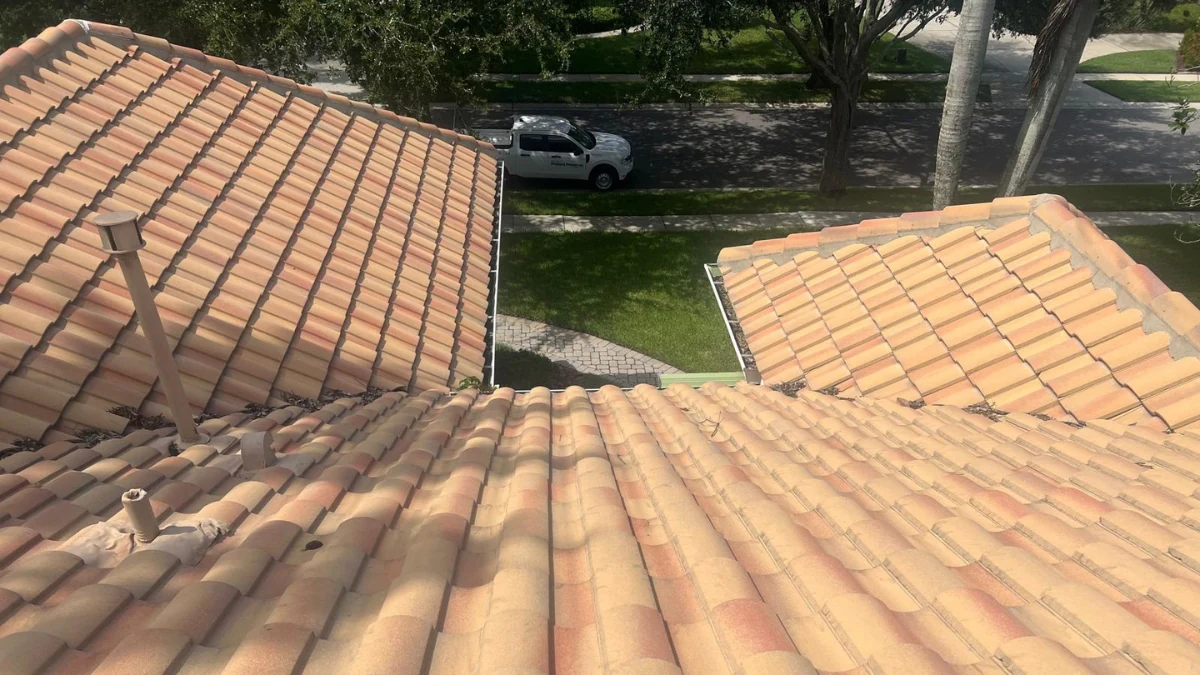


Tile roof repair may sound like a straightforward task, yet even small cracks or loose tiles can silently allow water to seep in, leading to costly structural damage over time.
According to the National Roofing Contractors Association (NRCA, 2024), over 65% of roof leaks in tile systems begin from minor tile fractures or misplaced flashing that homeowners often overlook during the first year of damage.
The truth is that Central Florida’s mix of intense sun, humidity and storm winds makes tile roofs especially vulnerable. A single displaced tile can allow moisture to penetrate underlayment layers, creating hidden mold or wood rot long before leaks become visible.
So, in this guide, you’ll learn how to identify early warning signs, understand repair methods for clay and concrete tiles and know when to call a certified specialist. Whether you’re in Orlando or anywhere across Central Florida, this article will show you how to protect your home, avoid unnecessary costs and keep your roof performing.
Let’s uncover the smart, proven ways to make tile roof repair simple, cost-effective and built to last.
Table of contents
Why Tile Roof Repair Matters More Than You Think
Tile roofs look solid. They feel heavy, strong and built to last a lifetime. However, even the smallest crack or slipped tile can turn into a major problem fast. When water seeps beneath the surface, it doesn’t stay put. It spreads through underlayment and decking, feeding mold and rot that quietly weaken the structure.
Tile roof repair matters because it protects everything underneath: insulation, drywall, wiring and the home itself. A well-maintained roof keeps your energy bills lower and your property value higher. Ignoring early warning signs often doubles the cost later, especially once water reaches structural wood or ceiling finishes.
At Protect Preserve Roofing, we take these small issues seriously because we’ve seen what happens when they’re ignored. A homeowner in Winter Park once called after finding a damp ceiling spot. Our inspection revealed a single displaced tile from wind gusts weeks earlier, a $250 fix that could have become a $6,000 ceiling replacement.
If you live in Orlando or Central Florida, your roof faces more heat and moisture than almost anywhere else in the country. Regular inspections and prompt tile roof repair are the best defense. They don’t just stop leaks; they stop the stress, cost and mess that come after.
Quick reminder: When was the last time your roof got a professional check? If it’s been more than a year, or you’ve noticed loose or cracked tiles, it’s time to act before the next storm season hits.
Common Tile Roof Problems Homeowners Face in Central Florida
Most homeowners don’t realize how quickly small issues grow into expensive repairs. Below are the problems we see most often across Orlando and Central Florida and what they mean for your home.
Cracked or broken roof tiles
Cracks often start after a storm, when flying debris or foot traffic hits a tile. One tile break might not seem serious, but water doesn’t need a wide opening, it only needs one weak spot. Once moisture reaches the underlayment, the leak begins to spread sideways instead of straight down, making it harder to locate later.
Signs to watch for:
- Hairline cracks or missing corners on individual tiles.
- Tiles that appear loose or shifted after strong winds.
- Brown or damp spots on interior ceilings.
Water leaks and hidden moisture damage
Moisture trapped beneath tiles can rot the roof deck or create mold inside attic spaces. Many homeowners discover leaks only after seeing paint bubbles or sagging drywall.
In most cases, tile roof leak repair requires removing the damaged tiles, replacing the underlayment and reinstalling the same tiles if possible. That process keeps your roof’s appearance consistent and avoids unnecessary replacement.
Wind and storm damage
Florida storms are powerful enough to lift tiles or break fasteners. When that happens, the tile might look fine from the ground but no longer seals properly. Concrete and clay tiles each react differently to these conditions:
- Concrete tiles may chip or shift under heavy wind pressure.
- Clay tiles can crack from impact or movement if the structure flexes.
Even if the damage seems small, unsealed gaps can invite water underneath with every rainstorm.

Moss, algae and dirt build-up
The growth may look harmless, but it traps moisture that weakens the tiles over time. It also adds unnecessary weight and can block drainage channels.
A gentle, low-pressure cleaning every 12–18 months helps prevent these problems. Avoid harsh chemicals or high-pressure washing, they can erode tile glaze or loosen flashing.
Underlayment deterioration
Tiles are your roof’s armor, but the underlayment is the real waterproof layer. Over years of exposure heat, it becomes brittle and loses flexibility. Once the underlayment breaks down, leaks appear even if every tile looks perfect.
Most tile underlayment’s last 20–25 years before needing replacement. During inspections, a roofing professional can check for early signs of wear, small tears, dry cracking or curling edges.
If you’re in Orlando or anywhere in Central Florida, our local team can inspect your tile roof and catch these problems before they spread. Schedule your roof check today at Protect Preserve Roofing.
Step-by-Step: Tile Roof Repair Process
Tile roof repair isn’t guesswork. It’s a precise process that balances skill, timing and experience. Here’s exactly how it works, from inspection to final seal:
- Detailed roof inspection and damage assessment: Every job starts with a thorough inspection. Our licensed technicians check for cracked, missing or displaced tiles and look beneath the surface for signs of hidden water intrusion.
- Safe tile removal and area preparation: Once we identify the issue, we carefully remove only the affected tiles. Every tile is lifted by hand or with specialized tools to avoid cracking neighboring pieces.
- Underlayment and flashing repair: Most leaks occur below the tiles, not above them. That’s why underlayment repair is the heart of a lasting fix. We install new underlayment rated for Florida’s heat and moisture, ensuring a watertight barrier beneath the surface. Around chimneys, skylights and vents, our team checks flashing seams and reseals them with high-grade waterproof membranes.
- Tile replacement and alignment: After the underlayment is restored, tiles are repositioned or replaced. Whenever possible, we reuse your original tiles to maintain color consistency and reduce cost.
- Waterproof coating and final seal: Once all tiles are secure, we apply a protective sealant or coating on vulnerable joints and ridges. This step increases water resistance and minimizes heat absorption. A final inspection follows to confirm watertight integrity and finish quality. Only after everything passes do we sign off on the repair.
- Cleanup, documentation and warranty: Once the job is complete, you’ll receive before-and-after photos, material and workmanship warranty details and a full summary report for insurance or personal records.
Quick reminder: Tile roofs are built to last, but only if they’re maintained with the right technique and attention to detail. That’s what our team delivers on every project.
Tile Roof Leak Repair: Finding and Fixing Hidden Leaks
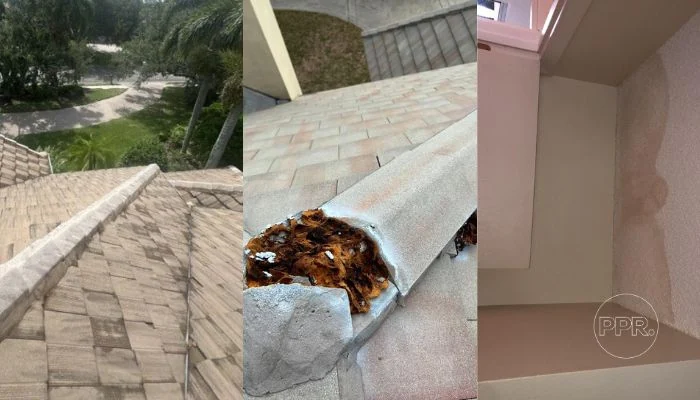
Often, it hides quietly behind insulation, spreading across wood beams and drywall before you ever notice a stain. By the time you see water indoors, the damage may already have spread. That’s why finding the real source of a leak matters as much as fixing it.
How to identify small leaks before they spread
The early signs of a tile roof leak are subtle, but easy to spot once you know what to look for:
- A musty smell in the attic after rain.
- Bubbling or peeling paint near the ceiling.
- Discolored spots that appear, fade and return.
- Tiles that look darker in one area after a storm.
Even one of these clues means moisture could be trapped beneath the tiles. Florida’s humidity makes it worse, turning a few drops of water into a full-blown mold issue if ignored.
Professional leak detection tools used in Orlando and Central Florida
Protect Preserve Roofing combines hands-on experience with advanced inspection technology. We use:
- Thermal imaging cameras to see temperature differences caused by water intrusion.
- Moisture meters to pinpoint damp decking before it decays.
- Drone imaging to safely survey hard-to-reach roof areas after storms.
These tools allow our team to trace leaks precisely, saving homeowners from unnecessary roof tear-offs and insurance delays.
Once we locate the issue, we photograph and document the findings for your records or insurance carrier.
Repair vs. replacement: Which option saves you more
Not every leak calls for a new roof. In most cases, targeted tile roof leak repair restores full waterproofing without replacing the entire system. Here’s how we decide:
- Localized Damage (One Section): Replace tiles and underlayment only in the affected area.
- Systemic Damage (Multiple Areas): Recommend partial re-roof or underlayment replacement across sections.
- Severe Structural Damage: Evaluate full replacement if water has compromised decking or framing.
For most Florida homes, repairing early is far more cost-effective. Delaying repairs often means paying double later, replacing insulation, drywall or even electrical systems damaged by hidden leaks.
Preventing future leaks
After the repair, prevention becomes the focus. We seal all ridge caps, inspect vent pipes and ensure flashings are watertight. Regular maintenance once a year keeps leaks from returning, especially before hurricane season.
If you suspect a leak but can’t see where it’s coming from, don’t wait until it’s visible inside your home. Contact Protect Preserve Roofing and request your fast, professional inspection at protectpreserveroofing.com/build-price-form and keep hidden leaks from becoming visible disasters.
Understanding Tile Roof Repair Costs
Every homeowner wants to know one thing before scheduling a roof repair: how much will it cost? The truth is the cost of tile roof repair in Florida depends on several factors and understanding them helps you make smarter decisions and avoid unnecessary expenses.
What affects the cost of tile roof repair
Tile roof repairs can vary from a few hundred dollars to several thousand. The final cost depends on the following elements:
- Extent of Damage: Replacing a few cracked tiles costs far less than repairing an entire leaking section or replacing underlayment.
- Roof Pitch and Accessibility: Steeper roofs or multi-story homes require more safety equipment and time, which increases labor costs.
- Tile Type: Clay tiles are usually more expensive to replace than concrete, and some older styles may require special ordering.
- Underlayment Condition: If the waterproof layer beneath the tiles has deteriorated, replacing it adds to the total cost but prevents future leaks.
- Permits and Inspection Requirements: Florida’s strict building codes often require inspection and documentation, especially for insurance claims.
Average tile roof repair costs in Central Florida
In Orlando and surrounding Central Florida areas, homeowners can expect the following general price ranges:
- Minor Repairs (single cracked or loose tiles): $250–$600
- Moderate Repairs (underlayment repair, small section leak): $800–$1,600
- Extensive Repairs (multiple leaks, structural deck repair): $2,000–$4,000+
These prices reflect local market conditions, Florida labor standards and current material costs.
How Protect Preserve Roofing keeps costs transparent
We believe in clarity from the start. That’s why our process includes:
- Free On-Site Inspection: Every estimate begins with a physical assessment and photo documentation of the problem.
- Carrier-Formatted Estimates: We use Xactimate and Cotality, the same software used by major insurance carriers, to ensure accuracy.
- Detailed Breakdown: No vague numbers — you see exactly what you’re paying for (materials, labor, and timeline).
- No Pressure Sales: If a small fix will solve the problem, we’ll say so. Our goal is to restore your roof, not replace it unnecessarily.
Insurance and payment options
Insurance may not cover leaks caused by long-term wear or poor maintenance. Our team helps you document your damage properly, but we don’t interpret or negotiate coverage, staying compliant with Florida Statute §626.854.
If your insurance doesn’t cover everything, we also offer financing options such as low monthly payments or no-interest if paid in full within 12–24 months, depending on approval.
Why early repairs save money
Delaying a tile roof repair might feel like saving money, but it’s the opposite. A small $400 repair today can easily turn into a $3,000 decking replacement after a heavy storm. Fixing problems early is the most cost-effective strategy you can take.
Think of it like maintaining your truck, it’s cheaper to change the oil than replace the engine later.
Also read:
Preventive Maintenance Tips to Extend Your Tile Roof’s Life
A tile roof can last decades. Therefore, only if you treat it right. In Florida’s heat and humidity, a little care goes a long way. These simple steps can help your tile roof last longer, look better and save you from surprise repairs down the road.
- Schedule yearly roof inspections: During each visit, the team checks for cracked or loose tiles, failing underlayment, clogged valleys and damaged flashing. Early detection is always cheaper than emergency repair.
- Keep gutters and valleys clean: Use a blower or have a professional remove leaves, pine needles and debris at least twice a year. Clean gutters allow water to flow freely and reduce the pressure on your underlayment during heavy storms.
- Remove moss, algae and dirt build-up: Avoid harsh pressure washing, it can chip tile glaze or loosen fasteners. Instead, ask about low-pressure, eco-safe roof cleaning, which removes organic buildup without damaging the finish.
- Check flashing and sealants after heavy storms: After strong winds or hail, inspect the areas around chimneys, vents, and skylights. Reapplying professional-grade sealant once every few years prevents water intrusion where tiles can’t protect on their own.
- Replace broken or slipped tiles right away: A single displaced or broken tile can let water through with every storm. The longer you wait, the more damage spreads beneath the surface. Replacing one or two tiles’ costs very little compared to replacing sections of decking later.
- Keep trees trimmed and branches away: In hurricane season, branches can break tiles or damage ridges. Trim trees back at least three feet from the roof to prevent friction and falling debris.
- Don’t walk on the roof unless you have to: Tile roofs are durable, but foot traffic causes cracks. Never let painters, cleaners, or installers walk freely across your roof.
- Plan for underlayment replacement: Most Florida homes need underlayment replacement every 20–25 years. Replacing it before leaks appear keeps your structure dry and extends your roof’s overall lifespan.
Proper maintenance doesn’t just save money; it protects your home’s comfort and value. Book your maintenance visit today at Protect Preserve Roofing and keep your tile roof looking sharp and lasting strong.
Why Tile Roof Repair Is Different from Replacement
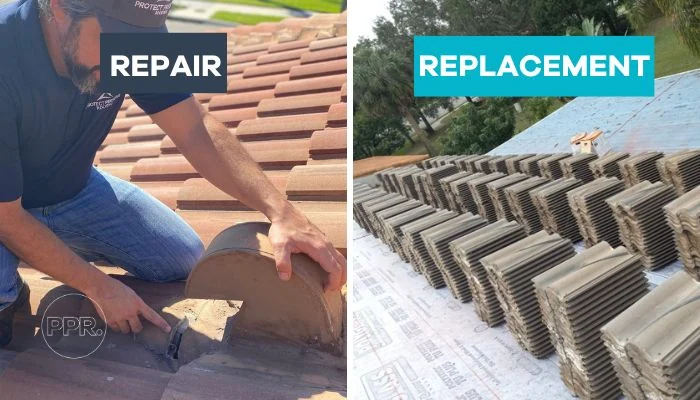
Tile roof repair and tile roof replacement sound similar, but they’re two very different jobs. Repair focuses on solving a specific problem, while replacement involves removing and rebuilding the entire roof system. Knowing the difference helps you make the right decision, save money and avoid unnecessary work.
When a repair is enough
Most tile roofs in Central Florida don’t need full replacement. If the damage is isolated, maybe a few cracked tiles or a small section of deteriorated underlayment, a targeted repair restores your roof’s waterproofing without disturbing the rest.
Common situations where repair makes sense:
- Wind dislodged a few ridge tiles.
- A small leak developed around flashing or vents.
- A few cracked tiles are letting in water after heavy rain.
These repairs can often be done the same week and cost far less than replacing the entire roof.
When replacement becomes necessary
There comes a point when repairs stop being the best long-term option. Full replacement is usually the right call when:
- The underlayment has failed across large sections.
- Multiple leaks have weakened the roof deck.
- The tiles are brittle, outdated, or discontinued.
- Your roof has reached its typical lifespan (20–25 years for underlayment, 40–50+ for tiles).
A replacement project allows us to inspect the entire structure, reinforce the decking if needed, and install modern waterproof materials that meet Florida Building Code standards.
Cost and time differences
The tile roof repair is focused, quick and budget-friendly. You pay for labor and materials in the affected area only. Most repairs fall between $800 and $1,600, depending on the scope.
A replacement, on the other hand, involves removing every tile, replacing underlayment, and reinstalling or updating the tile system. The process takes more time and costs several times more than a repair.
The role of maintenance and inspection
The best way to avoid premature replacement is routine maintenance. Regular inspections can identify loose tiles, flashing issues or early underlayment wear before they cause serious leaks. Think of it as preventative medicine for your roof, small fixes now prevent major surgeries later.
Long-term value: repair extends, replacement resets
A proper repair extends the life of your existing roof. A replacement resets it. The difference comes down to what your home needs most right now, longevity or renewal.
By evaluating your roof’s age, material and damage pattern, our specialists can guide you to the option that gives the best return on investment. Either way, both services are backed by our workmanship warranty and adherence to Florida’s strict roofing codes.
Quick reminder: If you’re unsure whether your home needs repair or full replacement, we can help you decide with honesty and precision. Schedule your professional evaluation. We document and explain your best path whether that’s a quick fix or a complete rebuild built to last.
The Protect Preserve Roofing Difference
Every roofing company promises quality. We prove it. At Protect Preserve Roofing, our difference lies in how we approach every project with precision, integrity and genuine care for the homeowner. Whether it’s a single cracked tile or a full roof replacement, our team treats every job like it’s protecting our own home.
- Built on experience and real results: We don’t guess. We inspect, document and deliver. Each project includes before-and-after photos, detailed reports and clear communication from start to finish. Homeowners know what’s happening, when it’s happening and why it matters.
- Approved by insurance carriers you know: We’re an approved vendor for multiple regional and national insurance carriers. That means our documentation, pricing and compliance meet the same standards used by the insurance industry.
- Fast, reliable and always prepared: When a storm hits, response time matters. Our emergency crews are available 24/7 for roof tarping and leak repairs, with a target two-hour response window across Central Florida.
- Florida licensed, minority-certified and community-focused: We’re proud to be a Florida-licensed roofing company and a minority-certified business, recognized for our commitment to diversity, quality and community service.
- Quality that meets code: Every roof we repair or replace meets Florida Building Code standards. But we don’t stop there. We use advanced materials that outperform minimum requirements
- A team that stands behind its work: Our commitment doesn’t end when the ladder comes down. Every project includes both a manufacturer warranty and a workmanship warranty, covering materials and labor.
Conclusion: Your Local Experts for Tile Roof Repair in Orlando & Central Florida
Tile roofs are built for beauty and endurance, but even the strongest need the right hands to stay that way. Florida’s weather doesn’t forgive delays; a single storm can turn a hairline crack into a full-blown leak overnight. That’s why having a trusted local roofing partner makes all the difference.
At Protect Preserve Roofing, we don’t just fix roofs; we protect homes, families and peace of mind. Every repair starts with a clear inspection, honest communication and precise workmanship. Whether you’re dealing with a few broken tiles, a hidden leak or storm damage that needs fast attention, our licensed team is ready to help 24/7.
When you call us, you’re not getting a temporary fix, you’re getting a solution that lasts.
So, if your tile roof is showing signs of wear, don’t wait for the next downpour. Schedule your free roof inspection today at Protect Preserve Roofing. Our experts will come to you, assess your roof and give you a clear plan to keep your home safe, dry and looking its best for years to come.
Because in Central Florida, protecting your roof isn’t optional, it’s essential. And that’s exactly what we do best.



Leave a Reply