



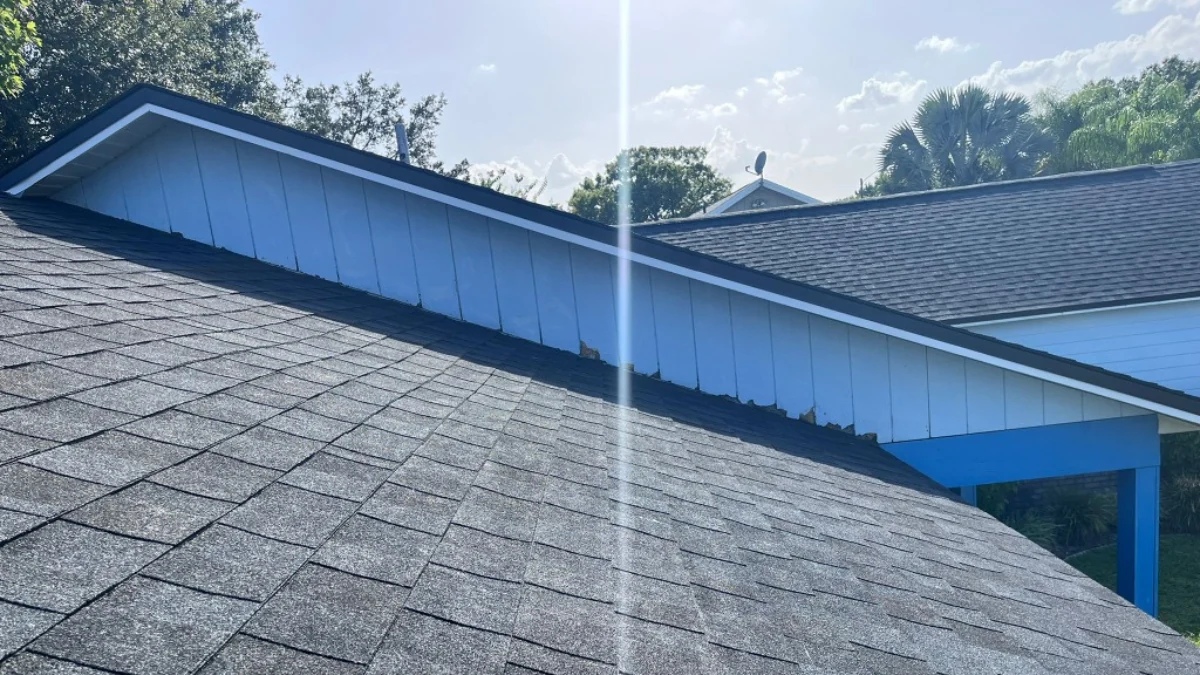


Shingle roof replacement may not be the most exciting home project, but it’s one of the most important. According to the National Roofing Contractors Association, nearly 70% of U.S. homes use asphalt shingles and many of those roofs in Florida are already past their 15-year mark due to the state’s intense sun and humidity.
If you’ve started noticing curling shingles, small leaks after heavy rain or granules washing into your gutters, your roof might be telling you it’s time for attention. However, should you repair it or replace it entirely? And how much will that cost in today’s market?
Understanding the right time and method for roof shingle replacement can save thousands of dollars in future damage. That’s where this guide comes in, it will break down how to know when to replace roof shingles, the average cost of shingle roof replacement in Florida, step-by-step insights into the replacement process, how to choose the right materials and contractors and smart financing tips to make your project stress-free.
Keep reading to learn how a professionally managed shingle roof replacement can protect your home, save money and restore peace of mind.
Understanding Shingle Roof Replacement: What It Really Means
A shingle roof replacement isn’t just about swapping old shingles for new ones; it’s about restoring the structural integrity and long-term protection of your home. Over time, Florida’s intense sun, humidity and tropical storms can wear down even the best roofing systems. Shingles begin to curl, crack, or lose their granules, allowing moisture to penetrate and cause damage to the underlying decking.
So, a roof replacement involves removing every layer down to the decking, inspecting for hidden water or mold damage and rebuilding with code-compliant materials. For Florida homeowners, this means installing products rated for high wind resistance and UV protection, ensuring the new roof can handle future hurricanes and temperature extremes.
Protect Preserve Roofing approaches every project with precision, beginning with a full roof inspection and moisture assessment. This allows the team to determine whether a full replacement is necessary or if a localized repair will restore integrity safely. Either way, you receive a transparent explanation, detailed report, and a project plan built to last, not a temporary fix.
If you’re in Orlando or anywhere in Central Florida, a licensed team member can visit your property to assess your shingle roof’s current condition and outline the smartest next step for you. Get a professional roof evaluation today.
Types of Asphalt Shingles and How They Affect Replacement
Below is a detailed comparison that highlights how each shingle type impacts replacement decisions for homeowners in Orlando and Central Florida:
| Shingle Type | Description | Average Lifespan | Wind Resistance | Pros | Cons | Best For |
| 3-Tab Shingles (Traditional / Strip) | Single-layer shingles with a flat, uniform look. Lightweight and cost-effective. | 15–20 years | Up to 60 mph | • Most affordable option • Simple installation • Lightweight | • Short lifespan • Poor wind resistance • Limited visual appeal | Budget-conscious homeowners or rental properties |
| Architectural Shingles (Dimensional / Laminated) | Multi-layer shingles with a dimensional appearance that mimics wood shakes. | 25–30+ years | Up to 130 mph | • More durable and weather-resistant • Enhanced curb appeal • Better long-term value | • Slightly higher upfront cost | Most Florida homeowners wanting better durability and style |
| Luxury Shingles (Designer / Premium) | Thickest and most durable asphalt shingles designed to resemble slate or cedar. | 40–50 years | Up to 150 mph | • Superior aesthetics • High impact resistance • Long lifespan | • Higher material cost • May require decking inspection | Upscale homes or long-term property investments |
Bonus options for Florida’s climate:
| Special Feature | What It Does | Why It Matters in Florida |
| Algae-Resistant Shingles | Prevents dark streaks and stains caused by humidity and algae. | Keeps roofs looking clean and extends lifespan in humid conditions. |
| Impact-Resistant Shingles | Built with reinforced layers to handle hail and flying debris. | Essential for storm-prone regions and hurricane seasons. |
| Cool Roof Shingles | Reflect more sunlight and reduce attic heat. | Helps lower energy bills and improve indoor comfort. |
How it affects your roof replacement
Choosing the right shingle type isn’t just about looks, it affects installation complexity, warranty coverage, and future maintenance. For example:
- Upgrading from 3-tab to architectural shingles may require underlayment and flashing adjustments but dramatically increases lifespan.
- Opting for impact-resistant or cool roof options can lead to energy savings and fewer post-storm repairs.
- Luxury shingles, while more expensive upfront, often save homeowners thousands in long-term maintenance and replacement costs.
Quick reminder: Protect Preserve Roofing helps homeowners throughout Central Florida make the right choice based on budget, performance and weather resilience.
Cost to Replace a Roof Shingles: What to Expect

Roofing costs can vary widely depending on materials, home size and labor, but with the right contractor, you can balance budget, quality and long-term value. Let’s break it down so you know what affects those numbers:
| Roof Type | Average Cost per sq. ft. | Average Total (2,000 sq. ft. roof) | Expected Lifespan |
| 3-Tab Shingles | $3.50 – $4.75 | $7,000 – $9,500 | 15–20 years |
| Architectural (Dimensional) Shingles | $4.75 – $6.50 | $9,500 – $13,000 | 25–30 years |
| Luxury (Designer) Shingles | $6.50 – $9.00 | $13,000 – $18,000 | 40–50 years |
Note: These estimates include materials, tear-off, underlayment, flashing and labor, all code-compliant to Florida Building Code. Prices may vary slightly based on your roof’s pitch, accessibility and deck condition.
Factors that influence roof replacement cost
- Roof Size and pitch: Larger roofs or those with steep slopes require more materials and safety setup time.
- Material choice: Architectural shingles cost more upfront but last nearly twice as long as 3-tabs, offering better value over time.
- Decking and underlayment repairs: If moisture damage is discovered during tear-off, replacing plywood or waterproof underlayment adds to the cost.
- Ventilation and code requirements: Florida’s heat demands proper attic ventilation systems. Installing ridge vents or intake vents can increase both lifespan and energy efficiency.
- Tear-Off vs. overlay: Protect Preserve Roofing performs full tear-offs only, not overlays. This ensures proper inspection, eliminates hidden leaks and guarantees manufacturer warranty compliance.
Additional costs to consider
| Optional Upgrade / Service | Estimated Range | Purpose |
| Roof Tarp Installation | $800 – $1,600 | Temporary protection before replacement (storm damage) |
| Gutter Replacement / Repair | $600 – $2,000 | Ensures water flow and prevents fascia damage |
| Attic Ventilation Upgrade | $400 – $1,200 | Reduces heat buildup and improves roof life |
| Disposal & Cleanup | Typically included | Responsible waste removal after tear-off |
How to get the best value
- Choose local expertise: Florida roofs face extreme conditions, always hire a licensed Florida roofing contractor familiar with state codes and hurricane standards.
- Request a detailed quote: A legitimate contractor will provide line-item pricing for labor, materials and cleanup.
- Ask about financing: Protect Preserve Roofing offers low monthly payments and 0% interest if paid within 12–24 months, helping homeowners manage costs without delay.
Replacing a roof isn’t just maintenance, it’s an investment in your home’s safety and value. If your shingles are worn, curled or missing, it may be time for a replacement. Get a free, Florida-based roof replacement estimate today.
Step-by-Step: How to Replace a Shingle Roof
Here’s how professional roofing contractors like Protect Preserve Roofing handle the process from start to finish.
1. Roof inspection and evaluation
Every replacement begins with a comprehensive inspection. The team checks:
- Existing shingle condition (cracks, curling, granule loss).
- Decking stability and moisture damage.
- Flashing, vents, and attic ventilation efficiency.
Protect Preserve Roofing uses drone imaging and moisture meters to identify hidden issues before work begins. This step ensures that your estimate is accurate and your roof’s foundation is solid.
2. Preparation and safety setup
Before the first shingle comes off, the crew:
- Sets up safety harnesses and perimeter guards.
- Covers landscaping, driveways, and AC units with protective tarps.
- Ensures all work complies with OSHA safety standards and Florida regulations.
This phase protects both your property and the crew, no shortcuts allowed.
3. Complete tear-off of old shingles
Protect Preserve Roofing performs full tear-offs only (never overlays). This involves:
- Removing all old shingles, nails, and underlayment.
- Inspecting the decking for rot, mold, or water intrusion.
- Replacing damaged plywood sections as needed.
Tear-offs are crucial in Florida’s humid climate, skipping this step can trap moisture and lead to premature failure or insurance claim denial later.
4. Deck preparation and underlayment installation
Once the decking is cleared, a waterproof underlayment is installed. Typically, this includes:
- Peel-and-stick ice & water shield in valleys and edges.
- Synthetic underlayment for the main roof surface.
This system acts as the roof’s second line of defense against storms and humidity. Protect Preserve Roofing uses only code-approved, wind-rated materials that meet or exceed Florida Building Code standards.
5. Flashing, drip edge and ventilation installation
Next, the crew installs:
- Metal drip edges to guide rain away from fascia.
- New flashing around chimneys, vents and skylights.
- Ridge vents or exhaust fans to improve attic airflow.
Proper ventilation can extend your roof’s lifespan by up to 30%, preventing heat and moisture buildup.
6. Shingle installation
Shingles are laid following the manufacturer’s specifications to ensure full warranty coverage. This includes:
- Starter strip installation for edge sealing.
- Proper nail placement and staggered rows for wind resistance.
- Sealing ridge caps for added weather protection.
Depending on your choice (3-tab, architectural, or luxury shingles), installation can take 1 to 3 days for an average-sized home.
7. Final inspection, cleanup and warranty
After installation, the crew performs a complete walkthrough and cleanup.
- Magnetic sweepers remove all stray nails and debris.
- Supervisors inspect every section for alignment, sealing and finish quality.
- You receive a written warranty for both materials and workmanship.
Protect Preserve Roofing’s quality assurance team ensures that your new roof not only looks great but performs perfectly, built for Florida weather and peace of mind.
Comparing Replacement vs. Reroofing (Recovering)
Homeowners often hear the terms roof replacement and reroofing (recovering) used interchangeably, but they’re not the same thing. The difference can affect your roof’s lifespan, code compliance, insurance eligibility and even the resale value of your home. Let’s clear up the confusion.
Roof replacement
A roof replacement means removing every old layer, shingles, nails, underlayment, all the way down to the decking. It’s the industry standard and the only method that allows full inspection of the roof’s structure before rebuilding.
What happens during a replacement:
- Old shingles and nails are completely removed.
- Damaged or rotted decking is replaced.
- New underlayment, flashing and shingles are installed.
- The entire system is rebuilt according to the Florida Building Code (FBC).
Key benefits:
- Detects and fixes hidden leaks or wood rot.
- Extends lifespan by 20+ Years.
- Qualifies for manufacturer and workmanship warranties.
- Meets insurance and wind mitigation requirements.
A replacement is an investment in long-term protection and compliance, especially in Florida’s high-wind zones.
Reroofing (recovering)
Reroofing, also called recovering, means installing a new shingle layer directly over the old one. While it might sound faster and cheaper, it comes with major drawbacks, especially in hot, humid climates like Central Florida.
Shortcuts of reroofing:
- Old shingles remain underneath, hiding potential leaks or structural damage.
- Extra weight adds stress to your roof’s structure.
- Trapped moisture accelerates rot and mold growth.
- Does not meet modern Florida wind or insurance requirements.
In Florida, most licensed contractors avoid reroofing, since the state’s code allows a maximum of two roof layers and even then, only under ideal conditions. If any damage, leaks or trapped humidity exist, a full replacement is required.
Replacement and reroofing at a glance
| Factor | Full Roof Replacement | Reroofing (Recover) |
| Layers Removed | All old shingles removed | Old shingles stay in place |
| Hidden Damage Detection | Yes — full decking inspection | No — underlying issues remain |
| Weight on Structure | Normal (new single layer) | Higher (double layer adds stress) |
| Wind Resistance | High — meets FBC hurricane codes | Lower — may not meet code |
| Warranty Coverage | Full manufacturer & labor warranties | Often voids manufacturer warranty |
| Lifespan | 20–30+ years | 5–10 years (temporary solution) |
| Insurance Compliance | Fully compliant | Often denied coverage or claim issues |
| Cost | Higher upfront, lower long-term cost | Lower upfront, higher long-term risk |
If your roof is showing signs of age, damage or leaking, our experts can evaluate whether a full replacement is needed and provide a detailed, transparent estimate before work begins. Schedule your roof inspection and replacement quote today.
Roofing Materials That Can Replace Asphalt Shingles
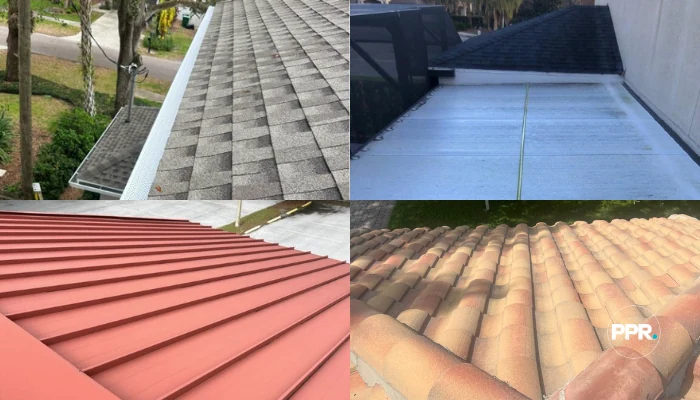
Here’s a breakdown of the top roofing materials you can consider when replacing your asphalt shingles, including their pros, costs and ideal uses.
Architectural asphalt shingles
Architectural shingles remain the top choice for Florida homeowners due to their balance of cost, durability and style. They provide better wind resistance, deeper texture and a more attractive look than 3-tab shingles.
| Category | Details |
| Average Lifespan | 25–30 years |
| Wind Rating | Up to 130 mph |
| Estimated Cost (2025) | $4.75 – $6.50 per sq. ft. |
| Pros | Affordable, durable, and attractive; great all-around performance |
| Cons | Still asphalt-based; shorter life than metal or tile |
| Best For | Homeowners wanting dependable performance without premium pricing |
Protect Preserve Roofing installs architectural shingles built to meet Florida Building Code and hurricane zone standards, offering lasting value for Central Florida homes.
Metal roofing
Metal roofing has become one of the fastest-growing replacement options for asphalt shingles in Florida. It’s lightweight, energy-efficient and designed to handle hurricane-force winds.
| Category | Details |
| Types | Standing Seam (hidden fasteners), Stone-Coated, 5V Crimp |
| Average Lifespan | 40–70 years |
| Wind Rating | Up to 150+ mph |
| Estimated Cost (2025) | $8.50 – $13.00 per sq. ft. |
| Pros | Reflects sunlight, low maintenance, excellent wind and impact resistance |
| Cons | Higher initial investment, needs professional installation |
| Best For | Homes in coastal or storm-prone areas of Florida |
Metal roofs can also be paired with solar panels, making them ideal for energy-efficient upgrades. Protect Preserve Roofing installs standing seam and stone-coated metal systems, both rated for Florida’s hurricane zones.
Tile roofing
Tile roofs are iconic across Florida, especially in coastal and Mediterranean-style homes. While heavier and more expensive than shingles, they offer exceptional durability and aesthetics.
| Category | Details |
| Types | Clay, Concrete, or Stone-Coated Tile |
| Average Lifespan | 50–100 years |
| Wind Rating | Up to 130–150 mph (properly installed) |
| Estimated Cost (2025) | $10.00 – $18.00 per sq. ft. |
| Pros | Extremely durable, fire-resistant, excellent insulation |
| Cons | Heavy; may require structural reinforcement |
| Best For | Coastal homes or those seeking long-term investment and curb appeal |
Protect Preserve Roofing installs clay and concrete tile systems, ensuring compliance with Florida Building Code and HOA aesthetic standards.
Flat roofing systems
Some Florida homes have flat or low-slope roof sections, especially over patios, garages, or commercial structures. In these cases, modern membrane systems are the best replacement solution.
| System Type | Description | Lifespan | PPR Performs? |
| TPO (Thermoplastic Polyolefin) | White, reflective membrane; energy efficient | 20–30 years | Yes |
| PVC (Polyvinyl Chloride) | Chemical- and heat-resistant membrane | 25–35 years | Yes |
| Modified Bitumen (Cold Applied) | Multi-layer asphalt system, self-adhered | 20–30 years | Yes |
| EPDM (Rubber) | Durable black membrane | 25–30 years | Limited (project-specific) |
Protect Preserve Roofing does not perform torch-down or hot mop installations for safety and compliance reasons.
Composite and advanced roofing systems
For homeowners seeking sustainable or specialty solutions, composite materials offer a modern edge. Made from recycled plastics or polymers, these roofs combine eco-friendly design with excellent storm resistance.
| Category | Details |
| Average Lifespan | 40–50 years |
| Wind Rating | 120–150 mph |
| Estimated Cost (2025) | $8.00 – $12.00 per sq. ft. |
| Pros | Lightweight, eco-friendly, customizable styles |
| Cons | Limited local availability |
| Best For | Homeowners wanting a premium yet sustainable roofing option |
Pro tip: Each material offers unique advantages. The key is finding what best fits your home’s structure, budget and environment. For instance:
- Asphalt shingles: practical and proven.
- Metal roofs: long-term strength and efficiency.
- Tile systems: unmatched beauty and longevity.
- Flat and composite systems: tailored to specific needs.
Protect Preserve Roofing provides expert guidance to help you compare materials side-by-side.
How to Choose the Right Roofing Contractor in Florida
Here’s a practical, Florida-specific guide to help you choose a roofing company that delivers quality, specially on roof replacement, compliance and peace of mind.
Verify licensing and insurance
Florida law requires all roofing contractors to hold an active license from the Florida Department of Business & Professional Regulation (DBPR).
Before signing a contract, verify their license and insurance coverage online or ask for documentation directly. Every legitimate contractor should provide:
- State roofing license (CCC or CGC number).
- Certificate of Insurance (COI) showing liability and workers’ compensation.
- Proof of registration with your county or municipality.
Don’t forget: Never hire unlicensed roofers. In Florida, doing so can void your warranty and insurance coverage.
Check experience with Florida Building Code (FBC)
Roofing in Florida isn’t like roofing anywhere else. Your contractor must understand FBC wind zone requirements, local permitting, and hurricane fastening systems. Ask questions like:
- “Do your systems meet or exceed Florida Building Code?”
- “What is your process for obtaining and closing roof permits?”
- “Are your installers trained on Miami-Dade or coastal wind standards?”
Look for insurance carrier approval and documentation expertise
If you’re working on a roof that may involve insurance inspection or reporting, choose a contractor who understands carrier documentation standards.
Protect Preserve Roofing is an approved vendor for major national and regional insurance carriers. We use the same industry platforms as insurers, Xactimate and Cotality, ensuring that every estimate and photo report is accurate, formatted and UPPA-compliant.
This doesn’t mean we handle claims (that’s for adjusters and attorneys), but it guarantees clean documentation that supports a smoother process with your insurer if needed.
Ask about warranty coverage (materials and labor)
A reliable contractor stands behind both the materials and the workmanship. When comparing roofers, make sure you get clarity on:
- Manufacturer’s limited lifetime warranty (covers materials).
- Contractor’s workmanship warranty (covers installation quality).
Tip: Avoid any contractor who hesitates to provide warranty details in writing.
Evaluate communication and professionalism
A professional roofing company doesn’t just show up, it communicate clearly, follow through and educate you throughout the process. Before signing, ask yourself:
- Did they answer questions clearly?
- Did they provide a detailed, line-item quote?
- Were they punctual for inspections and calls?
If the answer is “no” to any of these, keep looking.
Check local reviews and recent work
Reputation is everything in the Florida roofing industry. Read Google Reviews, ask for before-and-after project photos and request local references.
Confirm service area and response time
In storm season, fast response matters. Ask about the contractor’s emergency availability and service area coverage.
Protect Preserve Roofing serves homeowners coast-to-coast across Central Florida, from Daytona Beach to Tampa Bay, with a two-hour emergency response goal for active leaks or exposed interiors.
Choose a partner, not just a contractor
The right roofer doesn’t just install a product, they help protect your investment. Look for a company that:
- Explains your options clearly.
- Respects your home and schedule.
- Uses licensed crews and high-grade materials.
- Stands behind their work long after the final nail.
That’s the difference between a job that simply gets done and one that lasts for decades.
Choosing the right roofing contractor is about trust, expertise and accountability, values that define Protect Preserve Roofing. Request your licensed roof inspection and quote today.
Maintenance Tips to Extend the Life of Your New Shingle Roof
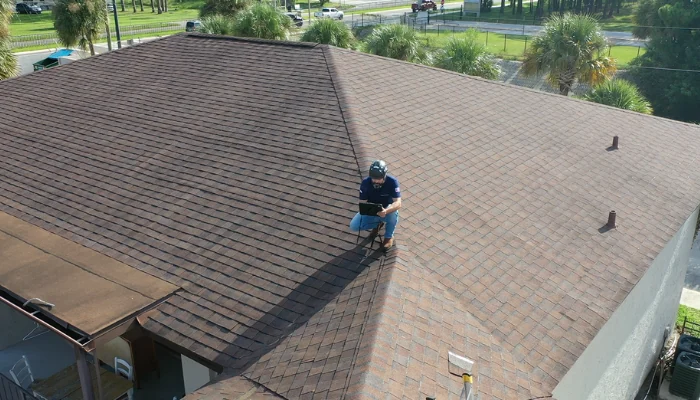
Between high humidity, hurricane seasons and year-round sun exposure, routine maintenance is key to keeping your roof in top shape. So, here’s how to extend the life of your new shingle roof and protect your home from preventable damage.
- Schedule annual professional inspections: Your roof should be inspected at least once a year, ideally before and after hurricane season. A professional inspection can catch small issues like loose shingles, worn flashing, or early signs of moisture before they become major leaks.
- Keep gutters and downspouts clean: Clean gutters at least twice a year (more often after storms), ensure downspouts direct water away from the foundation and consider installing gutter guards to reduce maintenance.
- Trim nearby trees and branches: Trim trees back at least 6–10 feet from the roof to prevent contact and reduce the amount of organic material collecting in valleys and gutters.
- Check attic ventilation and insulation: Make sure your attic has proper ridge or soffit vents for airflow, adequate insulation to reduce heat buildup and no blocked or damaged vents.
- Remove algae, moss and mold safely: Those dark streaks on shingles aren’t just cosmetic, they can shorten roof life by holding moisture:
- Use a low-pressure wash or soft cleaning solution (50/50 bleach and water mix).
- Never pressure-wash asphalt shingles, it strips protective granules.
- Consider algae-resistant shingles during your next replacement.
- Inspect after every major storm: After heavy rain, wind or hail, take a walk around your property and check for missing or lifted shingles, exposed underlayment or flashing and roof debris (branches, leaves or gravel).
- Keep tarps and temporary fixes professional: If a storm causes roof damage, avoid DIY tarp installations. Improperly nailed or screwed tarps can void insurance coverage and worsen leaks.
- Document maintenance for future warranty or insurance needs: Keep records of all inspections, repairs and maintenance, including invoices, photos and warranty documents. This proof not only helps with warranty claims but also supports homeowners during insurance inspections.
- Address minor repairs early: Never ignore a small leak or lifted shingle. Florida’s humidity can turn a minor issue into decking rot or interior damage fast.
- Partner with a reliable roofing company: The best maintenance plan starts with a trusted roofing partner. Protect Preserve Roofing provides ongoing care and inspections designed to maximize your roof’s performance, prevent costly repairs and ensure full code compliance.
Financing, Insurance & Warranty Insights for Roof Replacement
Whether you’re upgrading your shingle roof or recovering from storm damage, understanding how financing, insurance and warranties work together can save you money and headaches. Below is a clear, UPPA-compliant breakdown of what homeowners should know.
Roofing financing options in Florida
At Protect Preserve Roofing, we believe financial flexibility shouldn’t stand in the way of protecting your home. That’s why we offer secure and transparent financing options designed for different budgets.
| Financing Option | Description | Best For |
| Low Monthly Payment Plans | Spread your roof cost into predictable monthly payments. | Homeowners seeking long-term affordability. |
| 0% Interest if Paid in Full (12–24 Months) | Pay no interest when paid within the promotional term. | Short-term financing with no added cost. |
| Credit-Based Loans | Quick approval through trusted lending partners. | Fast funding for urgent replacements. |
| Partial Financing | Finance only the portion not covered by insurance. | Those using insurance for part of the project. |
All financing terms are fully disclosed, no hidden fees, prepayment penalties, or confusing fine print.
Insurance: what you should (and shouldn’t) expect
Florida’s roofing and insurance laws have changed significantly in recent years. Here’s what homeowners need to know:
- PPR is an approved vendor for multiple insurance carriers. We use Xactimate and Cotality, the same platforms insurers use, to create accurate, carrier-formatted documentation.
- What we can do (legally):
- Provide roof inspections for construction purposes.
- Offer detailed photo reports, condition summaries, and replacement recommendations.
- Deliver compliant estimates you may choose to share with your insurer.
- What we cannot do:
- Interpret your policy.
- Advise on coverage or payouts.
- Negotiate or influence claim outcomes.
- Recommend filing a claim.
Note: Protect Preserve Roofing operates 100% UPPA-compliant under Florida Statute §626.854. We build and document roofs, we don’t handle claims.
Understanding roof warranties
When you replace your roof, two warranties protect your investment and both are equally important:
| Warranty Type | Covers | Provided By | Typical Duration |
| Manufacturer Warranty | Material defects like shingle cracking or granule loss. | The shingle manufacturer (Owens Corning, GAF, etc.). | 25 years to lifetime (varies by product). |
| Workmanship Warranty | Installation quality and labor-related issues. | Protect Preserve Roofing. | 5–10 years, depending on project type. |
UPPA-compliant documentation and inspections
Homeowners often receive requests from insurance carriers for roof documentation, especially for roofs 15 years or older. PPR helps by providing construction-based inspection reports, which include:
- Roof age and material type (if known).
- Photo documentation of roof condition.
- Decking and flashing observations.
- Estimated remaining useful life.
- Code-compliant recommendations.
These reports are legal and factual, giving homeowners solid documentation without crossing into claim negotiation or policy interpretation.
Protecting your investment long-term
- Register your manufacturer warranty after installation, PPR assists with this step.
- Schedule yearly inspections to maintain warranty validity.
- Keep records of maintenance and storm evaluations.
- If financing was used, retain copies of all loan documents for your files.
The combination of financing flexibility, transparent documentation and certified installation means you get the full protection your home deserves with zero legal or coverage risks.
The PPR promise: transparency, compliance and care
Protect Preserve Roofing’s commitment goes beyond installation; it’s about protecting homeowners with honesty and professionalism.
- Fully Licensed & Insured Florida Roofing Contractor.
- Approved Vendor for Major Insurance Carriers.
- UPPA-Compliant Estimates and Reports.
- Financing Options for Every Budget.
- Written Warranties for Materials and Labor.
Conclusion: Shingle Roof Experts That Come to You
Your roof does more than protect your home, it safeguards everything underneath it. When it starts to age, leak or lose its strength, you need a roofing company that shows up fast, delivers quality and understands what it takes to build for Florida’s climate. That’s exactly what Protect Preserve Roofing stands for.
We don’t just replace shingles; we restore security, comfort and confidence to homeowners across Orlando and Central Florida. Whether you’re dealing with storm damage, worn-out materials or planning a full roof upgrade, our licensed Florida team comes to you.
Every roof we install is:
- Code-compliant, meeting or exceeding Florida Building Code standards.
- Wind-rated, built to withstand hurricane-force conditions.
- Backed by warranty, covering both materials and craftsmanship.
- Professionally documented, with estimates formatted in Xactimate and Cotality, the same systems used by insurance carriers.
And when financing is needed, we make it simple:
- Low monthly payments.
- 0% interest if paid in full within 12–24 months.
- Full transparency, no hidden fees.
If you’re in Orlando or anywhere in Central Florida, schedule your roof replacement estimate now.
Because your roof isn’t just a structure, it’s your first line of defense.
How do I know it’s time to replace my shingle roof?
What does a full roof replacement include?
Synthetic underlayment
Metal drip edges and flashing
Code-approved shingles
Ridge vents or exhaust systems
You receive a clean, structurally sound, fully warrantied roof — not just a cover-up.
What’s the difference between reroofing and replacement?
Protect Preserve Roofing only performs full tear-off replacements, ensuring long-term performance and warranty eligibility.
What roofing materials can replace asphalt shingles?
Architectural shingles – most common and hurricane-rated
Metal roofing – long lifespan, ideal for coastal areas
Tile roofing – premium durability and timeless aesthetics
Composite or flat roof systems – for specialized needs
Each option is code-compliant and selected based on your property’s structure and budget.


Leave a Reply