



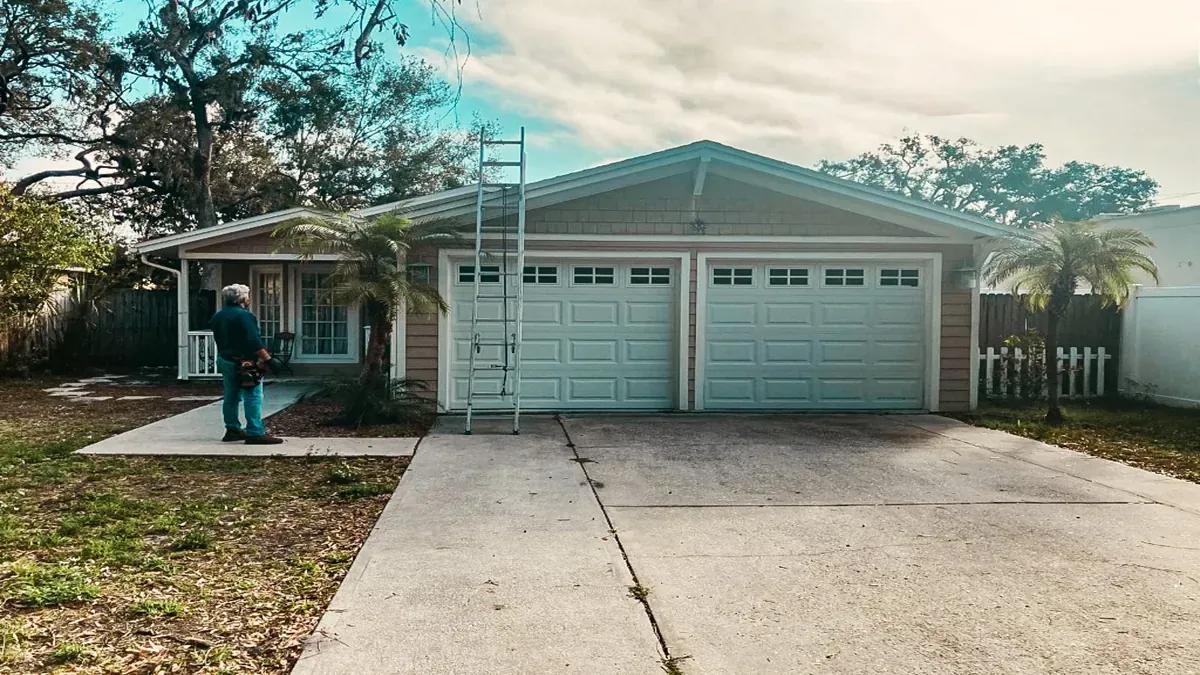


What is a roof inspection? The question sounds straightforward, but according to the Insurance Institute for Business & Home Safety, more than 60% of major roofing failures could have been prevented with timely inspections.
If you’ve ever noticed a stain on your ceiling and wondered whether it’s nothing, or the start of a bigger problem, you’re not alone. Thousands of homeowners in Florida face that same uncertainty every year, especially after heavy wind or intense summer storms. Don’t miss the opportunity to understand how a professional inspection can protect your home long before visible damage appears.
A roof inspection is more than a quick glance at missing shingles. It’s a structured, technical evaluation performed by a trained professional who knows exactly where problems hide.
This matters even more in Central Florida, where NOAA reported a 30% increase in severe wind and rain events in recent years. When storms hit harder and more often, early detection becomes the difference between a simple repair and a costly rebuild.
Throughout this guide, you’ll learn what’s actually included in a professional inspection, what inspectors look for inside and outside your home, when immediate mitigation, like installing a temporary blue tarp, is necessary, and how the final report helps you make confident decisions about repairs or insurance claims.
If your goal is to protect your property, avoid surprise expenses, and stay one step ahead of storm damage, you’re in the right place.
Table of Contents
What Is a Roof Inspection? What a Pro Really Looks For
A roof inspection is a structured, professional evaluation of your roof’s condition, inside and out, designed to catch hidden problems before they become expensive repairs.
Most homeowners think about inspections only after a leak appears, but roofing experts and groups like the National Roofing Contractors Association recommend annual inspections, plus extra checks after major storms.
That’s because many issues that lead to water intrusion or structural deterioration begin quietly, often with no visible signs from the ground.
When a licensed roofing specialist arrives, their goal isn’t just to “take a look.” They’re trained to spot early-stage damage, weaknesses caused by Florida’s heat or strong winds, installation errors from past work, and changes that develop after years of exposure. If you’ve ever wondered how pros detect problems you can’t see, the answer is simple: they know exactly where trouble starts.
A proper inspection goes far beyond shingles. It examines the roof deck, flashing, vents, sealants, drainage paths, fasteners, underlayment, attic structure, ventilation, moisture signs, and any area vulnerable to storm impact.
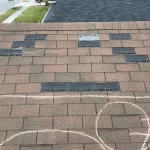
While homeowners may notice missing shingles, inspectors identify granule loss, subtle dips, or tiny cracks that often lead to leaks during heavy rain.
Homeowners in Orlando and Central Florida face an added challenge: the region’s weather is tough on roofs. NOAA reports significant increases in severe wind and rain events, meaning a roof that looks “fine” may already have weak points only a professional will recognize.
Detecting these early signs is often the difference between a simple repair and an emergency situation after the next storm. So, what does a pro really look for? They look for the truth, your roof’s real condition, the risks you can’t see, and vulnerabilities that could become costly.
As you’ll see next, a high-quality inspection follows a detailed checklist designed to protect your home long before damage becomes visible.
What Is Included in a Roof Inspection? Complete Pro Checklist
A professional roof inspection follows a structured checklist designed to reveal the true condition of your roof, inside, outside, and everywhere water can find a way in. Most homeowners only look for missing shingles, but roofing specialists evaluate far more.
In fact, studies from the Insurance Institute for Business & Home Safety show that over 70% of roof failures begin in areas homeowners rarely check, such as flashing points, underlayment transitions, and attic ventilation.

Below is what a qualified inspector examines during a full inspection, especially important for homes in Orlando and Central Florida where heat, humidity, and storm-force winds accelerate wear.
Exterior Roof Evaluation
A pro starts from the outside, checking components that face the toughest weather:
- Shingles or Roofing Material: Look for cracks, curling, granule loss, storm dents, lifted edges, or signs of aging.
- Flashing & Sealants: These are common leak points; inspectors check for loose metal, corrosion, gaps, and dried-out sealant.
- Roof Penetrations: Vents, skylights, chimneys, satellite mounts, anything that pierces the roof surface is inspected for tight seals.
- Ridge & Hip Lines: Weak spots often created by wind uplift or poor installation.
- Gutters & Downspouts: Improper drainage is a leading cause of hidden roof damage.
Structural Assessment
A roofing professional checks for early signs of structural stress:
- Roof Deck Condition: Soft spots, dips, or uneven surfaces.
- Sagging Areas: Indicates moisture damage or compromised framing.
- Wind or Storm Impact: Common in Florida, where gusts exceed 50–60 mph during storm season.
Interior & Attic Inspection
This part is often skipped by inexperienced inspectors, but it’s where many problems are discovered.
- Moisture Stains: On rafters, sheathing, or insulation.
- Active or Past Leaks: Even small drip patterns can reveal hidden weaknesses.
- Ventilation Quality: Poor airflow traps heat and moisture, shortening roof life.
- Mold or Odor Signals: Early signs of moisture intrusion or trapped humidity.
Storm Damage Indicators
Florida roofs face conditions that demand special attention:
- Hail Impact Marks: Small dents that weaken shingle structure.
- Wind Uplift: Shingles loosened or lifted during storms.
- Debris Damage: Branch impact, airborne objects, or gutter overload.
Safety & Longevity Factors
Inspectors also evaluate elements that affect long-term performance:
- Underlayment Exposure or Failure
- Fastener Wear or Backing Out
- Improper Repairs from Previous Work
Each detail helps the inspector build a complete picture of your roof’s health.
Why This Checklist Matters
A roof can look perfectly fine from the street, yet hide vulnerabilities that only show up under professional evaluation. By covering every component, surface, structure, and attic, a full inspection gives you the clarity you need before storms intensify or small issues become expensive emergencies.
What Is a Mid-Roof Inspection and When Is It Required?
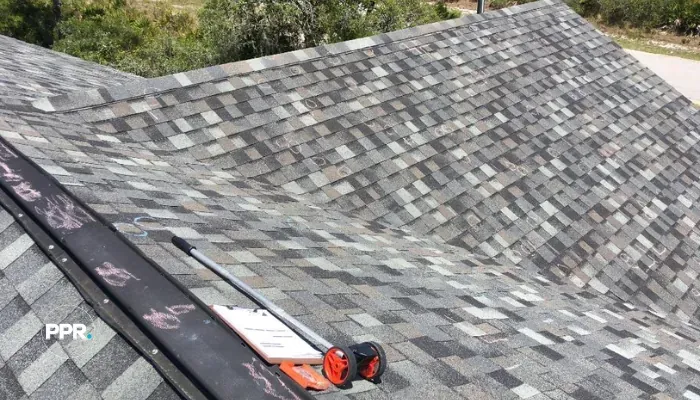
A mid-roof inspection is a professional evaluation performed during the roofing process, not before it starts and not after it’s completed. While many homeowners are familiar with standard inspections, fewer realize that a mid-roof inspection can determine whether the installation is being done correctly and in compliance with local building codes. In states like Florida, where roofing mistakes can lead to catastrophic failure during a storm, this step is especially valuable.
So, what happens during a mid-roof inspection, and why does it matter?
Mid-Roof Inspections Explained
A mid-roof inspection typically occurs after the old roofing materials are removed and the underlayment, decking, and key structural elements are exposed. This timing gives the inspector a rare opportunity to see parts of the roof that are normally hidden.
A qualified inspector checks:
- Roof decking condition
Ensures there is no rot, sagging, or structural weakness before new materials are installed. - Fastening patterns and spacing
Critical in Florida, where building codes require secure fastening to withstand high winds. - Underlayment installation
Dry-in materials must be laid correctly to prevent water intrusion during the installation period. - Flashing preparation
Flashing around valleys, chimneys, and penetrations should be properly aligned and secured to prevent future leaks. - Ventilation openings and airflow paths
Proper ventilation reduces heat buildup and moisture, extending roof lifespan.
When Is a Mid-Roof Inspection Required?
Although not required for every project, mid-roof inspections are typically recommended or mandated in situations such as:
- Full roof replacements
Especially for homes older than 20 years or those with previous storm damage. - Insurance-driven roof replacements
Insurers may request a mid-roof inspection to verify structural integrity and proper installation methods. - Homes in high-wind regions
Orlando and Central Florida fall under stricter roofing compliance standards because of the state’s exposure to hurricanes and tropical storms. - Projects involving code upgrades
When older homes must be brought up to modern Florida Building Code requirements.
Why Homeowners Benefit From a Mid-Roof Inspection
This type of inspection offers homeowners a layer of protection that many never consider. It helps ensure:
- Your roof is being installed correctly
- Hidden structural issues are caught early
- You avoid costly mistakes that would require reopening the roof
- The final installation meets Florida code and insurance expectations
According to Florida roofing compliance reports, construction errors discovered after a roof is completed are among the top reasons homeowners face denied insurance claims following storm damage. A mid-roof inspection significantly reduces that risk.
A mid-roof inspection gives you peace of mind during an active roofing project. It acts as a safeguard, ensuring the work meets the standards required to protect your home, especially in a region where storms strike hard and frequently.
If you need an inspection in the Central Florida region, we can help with more information.
What Is a Dry-In Roof Inspection? Florida Storm Context Explained
A dry-in roof inspection is a specialized evaluation performed after the old roofing material is removed and before the new shingles or final surface is installed.
Its purpose is simple but critical: to ensure your home is temporarily protected against water intrusion during the construction process. In states like Florida, where sudden downpours are common even outside hurricane season, this step can be the difference between a smooth project and severe interior damage.
While many homeowners don’t realize this inspection exists, roofing professionals consider it one of the most important phases of a replacement project, especially in regions with unpredictable weather patterns.
What “Dry-In” Really Means
“Dry-in” refers to securing the roof with temporary waterproofing materials so that the interior of the home stays dry even if a storm hits before the final roofing system is installed.
During a dry-in inspection, a qualified professional checks:
- Underlayment installation
Synthetic or felt underlayment must be properly layered, fastened, and sealed to prevent water seepage. - Secondary water barriers
Ice and water shield membranes are inspected in valleys, around penetrations, and along vulnerable edges. - Flashing preparation
Flashing at chimneys, vents, and sidewalls must be correctly positioned to redirect water. - Decking exposure
No areas of wood decking should remain uncovered or vulnerable to moisture. - Nail and fastener placement
Incorrect fastening can cause wind uplift, one of the leading causes of roof failure during storms.
Why Dry-In Inspections Matter in Orlando and Central Florida
Florida’s weather doesn’t wait for roofers to finish a job. NOAA climate data shows that sudden rainfall events in Central Florida have increased significantly over the past decade, with some areas experiencing abrupt downpours even on otherwise clear days. This makes the dry-in phase especially critical.
Without a proper dry-in inspection, homeowners face risks such as:
- Water intrusion damaging drywall, insulation, or electrical systems
- Mold growth from trapped moisture
- Delays in the roofing project
- Voided insurance coverage or denied claims if improper dry-in is documented
- Structural weakening caused by wet decking
A dry-in roof inspection ensures your home is protected even in that unpredictable window between tear-off and full installation.
Common Dry-In Mistakes Caught During Inspections
Professionals often discover issues like:
- Improper underlayment overlap
- Exposed nail heads
- Underlayment not sealed at edges or penetrations
- Missing secondary water barriers
- Flashing installed too late in the process
Catching these problems early prevents bigger failures when Florida storms hit, especially those with sudden, heavy rains.
A dry-in roof inspection isn’t just a technicality. It’s a safeguard that protects your home when the roof is most vulnerable. For homeowners in Orlando and Central Florida, where unexpected storms are a normal part of life, this step provides essential protection against preventable water damage.
What’s Included in a Professional Roof Inspection Report?
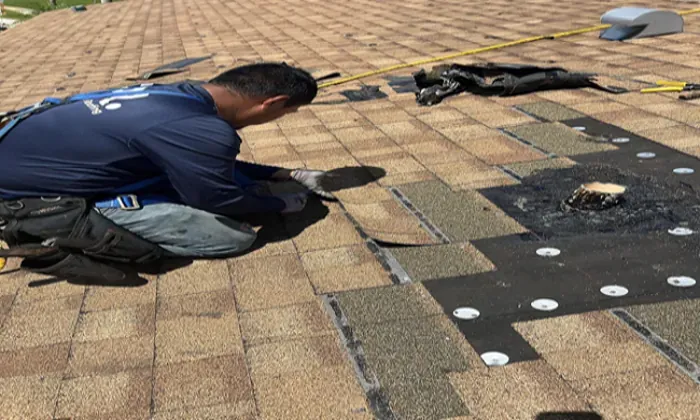
A professional roof inspection report is the document that turns observations into clear, actionable guidance. It shows the homeowner exactly what the inspector found, where the risks are, and what needs attention.
In Florida, where insurance companies often require proof of roof condition, this report becomes even more important. According to the Insurance Information Institute, well-documented roofing reports significantly speed up claim approvals after storm events.
A complete report includes photo evidence, notes on material condition, attic observations, storm-related findings, and the expected remaining lifespan of the roof.
It highlights issues by severity, helping you understand what requires immediate action, like leaks or exposed decking, and what can wait until the next maintenance cycle.
Most importantly, the report outlines your next steps: repair, reinforcement, mitigation, or replacement. At Protect Preserve Roofing, this is where our guidance becomes invaluable.
We explain each finding in plain language, ensuring you’re never left guessing about the condition of your roof or how to protect your home before the next storm hits.
When a Roof Inspection Requires Immediate Mitigation (Blue Tarp)
Not every roof inspection ends with routine maintenance recommendations. Sometimes the damage uncovered requires immediate action to prevent the situation from escalating.
In Central Florida, where sudden storms and heavy rainfall are common, even a small opening in the roof can turn into a major interior loss within minutes. That’s why one of the most important outcomes of any inspection is determining whether your home needs emergency blue tarp protection.
A tarp is used when the roof is compromised enough that waiting for repairs would allow water intrusion. This includes active leaks, missing shingles exposing the decking, broken flashing around vents or chimneys, or impact damage from wind-driven debris.
Even if the issue appears minor, inspectors understand how fast storm conditions can worsen, especially with Florida’s unpredictable weather patterns.
A professionally installed blue tarp creates a temporary but effective barrier against water intrusion. It’s secured tightly, anchored correctly, and positioned to direct water away from vulnerable areas, preventing damage to drywall, insulation, flooring, and electrical systems. This step protects your home while permanent repairs are being scheduled.
Immediate mitigation is not a sign of failure; it’s a sign of early protection. And when applied at the right time, it can save homeowners thousands of dollars in preventable storm-related damage.
Our Service Area: Roof Inspections in Orlando and Central Florida
Protect Preserve Roofing proudly serves homeowners throughout Orlando and Central Florida, offering detailed roof inspections designed for the region’s challenging climate.
From unexpected afternoon storms to prolonged humidity and hurricane-season winds, roofs in this area face conditions that require a trained eye and fast response.
Our inspection team works across a wide range of communities, including residential neighborhoods in Orlando, Winter Park, Sanford, Apopka, Kissimmee, Clermont, and other surrounding cities.
Each area has unique roofing challenges, older homes with aging shingles, newer constructions exposed to high heat, properties recovering from storm events, but the goal remains the same: delivering accurate assessments and clear guidance to protect your home before the next weather shift.
Because we understand the specific patterns of Central Florida weather, our inspections prioritize early detection and precise documentation.
Whether you’re preparing for insurance review, addressing storm impact, or simply maintaining your roof’s long-term health, our local expertise helps ensure your home stays protected year-round.
Conclusion
A roof inspection isn’t just another item on your home maintenance list, it’s one of the most effective ways to protect your property from Florida’s unpredictable weather and avoid costly surprises.
Whether the inspection uncovers minor wear, early-stage storm damage, or areas that need immediate mitigation, the goal is always the same: give you clarity, control, and a plan you can trust.
For homeowners in Orlando and Central Florida, where heat, humidity, and sudden storms take a steady toll on roofing systems, early detection is essential.
A professional inspection shows the true condition of your roof, helps you prepare for insurance needs, and ensures repairs happen before small issues turn into structural problems. With the right team guiding you, you don’t just react to damage, you stay ahead of it.
At Protect Preserve Roofing, we’ve helped homeowners across the region strengthen their roofs, document their claims, and secure their homes before the next round of weather hits.
If you want a clear picture of your roof’s health and expert guidance on the next steps, whether it’s repair, mitigation, or long-term protection, we’re here to help.


Leave a Reply