



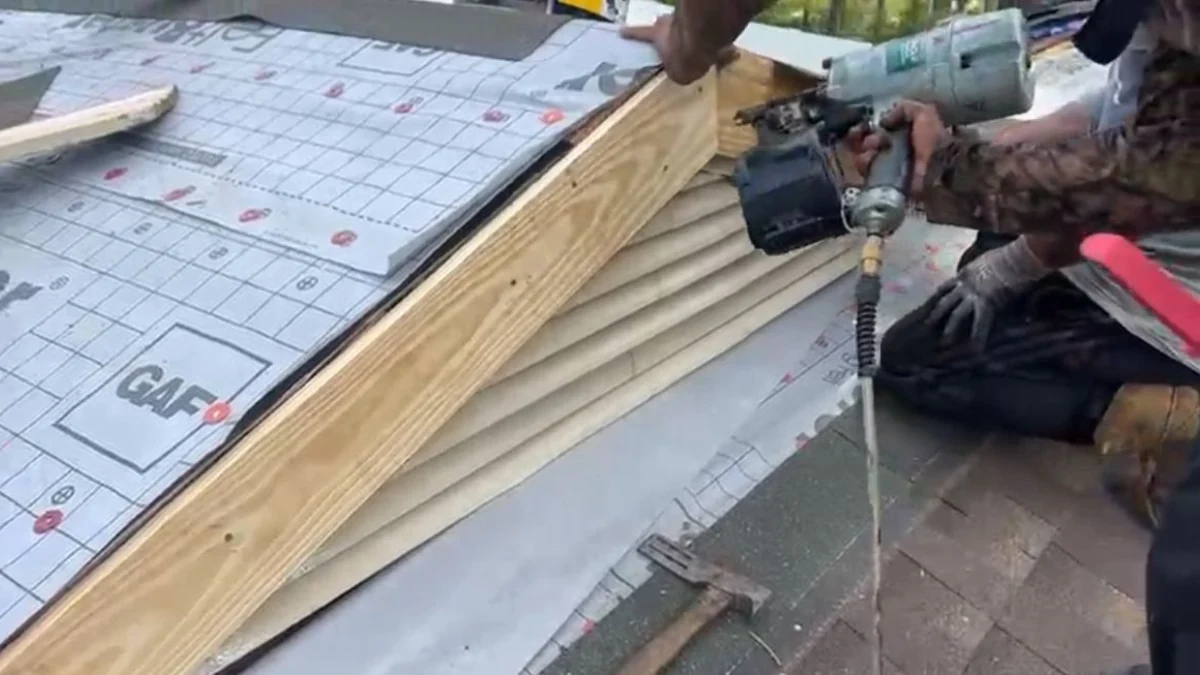


The best time to replace a roof in Florida isn’t just about what’s convenient, it’s about beating the weather before it beats your home.
Florida’s climate plays rough. The state typically records over 1,000 roof damage claims per week during peak storm months. With heat waves, torrential rains and hurricane season packed into a single year, knowing when to act makes all the difference between a simple replacement and a full-blown emergency.
But most homeowners only think about roof replacement when water’s already dripping through the ceiling. Sound familiar? What if we told you there’s a smarter, calmer, more cost-effective way to get your roof replaced?
In this guide, we’ll break down everything you need to know which months give you better prices, why some seasons are roofing disasters waiting to happen and what to avoid if you want to stay dry (and sane).
Stick around because we’re about to show you when to act, how to prepare and who you can count on to get it done right.
Table of contents
What’s the Best Time to Replace a Roof in Florida?
If you’re wondering what’s the best time to replace a roof in Florida, the answer might surprise you: it’s not just about the season. Florida’s weather can be unpredictable. Between high heat, sudden downpours and hurricane threats, picking the right time can save you stress, delays and even extra costs.
So, when should you do it? Well, roofing professionals across the state agree:
Late winter to early spring (January to April) is often the ideal window. Why?
- Lower humidity levels.
- Fewer afternoon storms.
- Mild temperatures for safer working conditions.
- Shorter material delivery delays.
According to data from the Florida Building Code updates and roofing associations, most successful roof replacements in Central Florida happen outside hurricane season.
That’s not a coincidence. Hurricane season (June through November) increases risks:
- Insurance delays.
- Material shortages.
- Unexpected rainouts or emergency rescheduling.
Let’s be honest: no one wants their roof halfway done when a storm warning hits. If you live in Orlando or anywhere in Central Florida, scheduling your project early in the year not only gives you peace of mind, but it can also help you avoid higher prices caused by demand for spikes after storms.
Pro tip from Protect Preserve Roofing: Book your roofing consultation in December or January when roofers are more available, and you’ll likely get quicker turnaround.
Seasonal Breakdown: Roof Replacement in Florida
Replacing a roof in Florida is all about choosing the right window. Not just for weather, but also for material availability, insurance traffic, and crew performance. Below is a practical seasonal comparison based on Florida’s unique climate:
| Season | Should You Replace? | Pros | Cons |
| Winter | Recommended | • Cooler, safer work temps • Low humidity • Less rain • Avoid hurricane delays | • Shorter days limit work hours • Holiday supplier slowdowns |
| Spring | Excellent Choice | • Ideal weather • More daylight • Materials available • Avoid storm season | • High demand = book early |
| Summer | Possible Risk | • Long working days • Crews are available | • Heat slows installs • Frequent rain • Hurricane season begins |
| Fall | High Risk | • Cooler temps (late fall) | • Peak hurricane activity • Emergency jobs take priority |
Key takeaways:
- Spring is often the safest and most balanced time to replace a roof in Florida.
- Winter works well if you book ahead and want to skip the storm rush.
- Summer and Fall are unpredictable due to heat and hurricane activity.
- If your roof is damaged during storm season, start with an emergency tarp, we’ll install one fast to protect your home.
Best and Worst Months to Replace a Roof
If you’re wondering when the best time to replace a roof in Florida is, the answer often lies in the calendar. Knowing which months to book your roof replacement can help you avoid delays, save money and protect your home from serious weather risks.
So, the best months for roof replacement in Florida are:
| Month | Why It’s a Good Time | Considerations |
| December – March | Cooler weather, dry season. Easier scheduling and fewer weather delays. | Limited demand = better availability. |
| April – May | Still dry, with warm temps. Ideal for planning before hurricane season. | Book early to avoid the pre-summer rush. |
And the risky months to replace a roof in Florida are:
| Month | Why It’s Risky | Considerations |
| June – November | Peak hurricane season. High rain, strong winds, and storm-related emergencies. | Emergency tarping often takes priority over scheduled replacements. |
| September – October | Highest storm frequency in Florida. Crews may be fully booked. | Expect longer waiting times and potential delays. |
What does this mean for you?
- If your roof is still in good shape, plan your replacement between December and May.
- If it’s showing signs of wear and we’re mid-hurricane season, get a professional inspection fast and consider a temporary emergency tarp to hold you over safely.
- Booking early (especially January–March) means you avoid the crowd and give your roofer enough time to handle permits and prep.
Signs It’s Time to Replace Your Roof
Not sure if your roof needs replacement? You’re not alone. Most homeowners in Florida delay roof replacement until the damage is too far gone and that’s where things get expensive. Let’s make it simple. Here are clear signs your roof is waving the white flag:

| Sign | What It Means | Why You Should Act Fast |
| Shingles Are Curling or Missing | Wind and rain are getting underneath, leaks come next. | Moisture damage spreads quickly through wood and drywall. |
| Dark Streaks or Stains | Algae, mold, or moisture trapped beneath the surface. | Could mean rotting materials under the shingles. |
| Sagging Areas | Structural issues. Your decking might be weakening. | Waiting can lead to full collapse in severe cases. |
| Sunlight in the Attic | Gaps or holes in the roof structure. | Every storm becomes a bigger threat. |
| Frequent Leaks | Temporary patches aren’t working anymore. | Insurance may not cover repeat water damage. |
| Roof is Over 15–20 Years Old | Most asphalt roofs hit their limit around this time. | Aging materials can fail even if no visible damage shows. |
| Granules in the Gutters | Shingles are deteriorating and losing protection. | UV and rain will speed up the decline. |
Quick reminder from Protect Preserve Roofing: Don’t wait for a disaster. Florida’s storms don’t give warnings. If your roof shows one or more of these signs, it’s not about “if”, it’s “when” it fails. And when it does, repairs may no longer be enough. A roof tarp can buy you time only temporarily. If damage is present, replacing it is usually more cost-effective in the long run.
How Florida Weather Affects Roof Replacement Timing
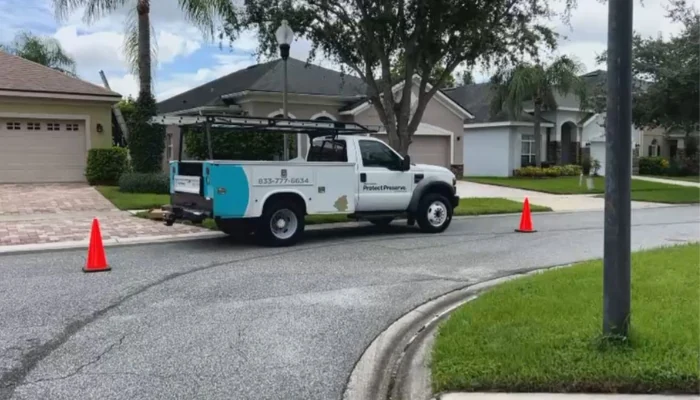
From scorching heat to surprise downpours, Florida’s climate has a direct impact on when and how a roof replacement should happen. So before scheduling your project, here’s what you need to consider:
| Weather Condition | Impact on Roof Replacement | Pro Tips |
| Summer Heat | Asphalt shingles soften, making installation tricky. | Early morning installs help avoid overheating risks. |
| High Humidity | Slows down adhesive curing time and ventilation prep. | Use moisture-resistant materials and ensure proper airflow. |
| Rainy Season (May–Oct) | Unpredictable delays, slippery surfaces, safety hazards. | Schedule flexible timelines and use emergency tarps if needed. |
| Hurricane Season | May halt deliveries, labor shortages, and permit delays. | Replace before storm season hits to avoid urgent costs. |
| Cooler Months (Nov–Feb) | Ideal for most roofing systems; better temps and fewer delays. | This is often the best time to book a full replacement. |
Why timing is everything in Florida
Unlike other states, Florida doesn’t give you long breaks between storms and heat waves. That’s why planning can save you stress and serious repair costs.
At Protect Preserve Roofing, we monitor weather forecasts daily. We know when it’s safe to tear off a roof and when it’s smarter to tarp and wait. And if things change? We adjust fast.
Benefits of Planning Your Roof Replacement at the Right Time
Timing isn’t just a detail; it can change everything. Planning your roof replacement for the right season in Florida means fewer headaches, smoother execution, and even lower costs. Here’s how smart timing works in your favor:
- You may save money: Prices for labor and materials can rise during peak storm season. If you plan your replacement before the summer rush or just after hurricane season, contractors are more available and sometimes more flexible on pricing.
- Bonus: Off-season demand is lower, so suppliers aren’t rushed and you avoid project slowdowns.
- Better scheduling = faster turnaround: When crews aren’t juggling multiple emergency jobs, your project stays on track. During off-peak months (like November through February), roof replacements often finish faster and with fewer weather delays.
- Safety first: Dry, cooler days mean safer working conditions for installers. No slippery shingles. No sudden lightning storms. Safer work leads to cleaner results and fewer installation errors.
- Less risk of water damage during the job: Removing an old roof exposes your home. If you schedule during rainy months, there’s a higher chance of leaks, even with the best crews. The right timing reduces your home’s exposure and keeps interiors protected.
- Increase home value at the right time: Selling your home soon? A new roof adds instant value, but only if it’s installed and fully cured before listing. Plan early and use your new roof as a selling point.
Quick reminder: Don’t wait for prices to rise or storms to hit. Schedule your roof replacement with Protect Preserve Roofing now and get the job done before it becomes urgent.
Mistakes to Avoid When Timing Your Roof Replacement
Timing your roof replacement in Florida can either save you a headache or cause one. Avoiding a few common mistakes can mean the difference between a smooth project and a costly setback. Here’s what to steer clear of:
- Waiting too long after damage: If your roof already has visible wear, leaks or missing shingles, don’t wait for the “perfect season.” Florida storms can make things worse fast. Even a small delay could lead to water intrusion and interior damage, repairs that cost far more than a planned replacement.
- Pro tip: A roof showing signs of damage during hurricane season is a race against the clock. Schedule fast.
- Choosing hurricane season to start: Florida’s hurricane season (June through November) is the worst time to replace a roof. Daily rain, high winds and emergency responses overwhelm crews.
- Reality check: Most reputable roofing teams, like ours, are prioritizing tarp installs and emergency repairs during this time — not full replacements.
- Relying only on price discounts: Yes, some contractors offer discounts during slow months. But if you base your decision only on price, you may end up with rushed work or poor materials. The “cheapest” option often ends up being the most expensive one in the long run.
- Ignoring permit timelines: Florida requires permits for roof replacement. And during busy seasons, local building departments take longer to approve applications. If you don’t account for that extra time, you could be waiting weeks to start your project.
- Pro tip: Ask your roofing company to handle the permits and manage the schedule for you.
- Scheduling without a roof inspection: Replacing a roof without a proper inspection? That’s like buying tires without checking your brakes. A licensed roofing pro will assess your deck, underlayment, ventilation and flashing. Skipping this step may lead to surprises mid-project. And no one likes mid-project surprises.
Key takeaway: Replacing your roof is a serious investment. Rushing it or delaying too long – especially in Florida’s climate – can lead to unnecessary damage, stress and expense.
Avoid these timing mistakes by:
- Booking inspections early in the dry season.
- Asking your roofer about local permit delays.
- Acting quickly when damage is visible.
- Choosing reliable companies, not just cheap quotes.
- Steering clear of hurricane season.
Conclusion: Replace Your Roof When It Makes Sense
Timing a roof replacement in Florida isn’t just about beating the rain, it’s about protecting your biggest investment before problems spiral.
If you’re seeing cracked shingles, water spots on the ceiling or your roof is pushing 15–20 years? That’s your sign. Waiting until the next storm could mean interior damage, insurance headaches and costs that go way beyond shingles and nails.
And let’s be honest, no one wants to deal with emergency tarps in the middle of a Florida summer.
At Protect Preserve Roofing, we help homeowners in Orlando and across Central Florida get ahead of the damage. With fast scheduling, weather-smart planning and detailed inspections, we make sure your roof is replaced when it makes sense, not when it’s already too late.
Ready to replace? Let’s talk:
- Schedule a clear, honest and free roof assessment.
- Call us directly, we actually pick up the phone.
- Get an instant roof estimate.
We’ve got your back because replacing your roof shouldn’t be a crisis. It should be a smart, timely move with the right crew by your side.
What’s the best time to replace a roof in Florida?
The ideal time is late winter through spring (January to May). Rain chances are lower, temperatures are manageable, and contractors have more availability.
Can I replace my roof during Florida’s rainy season?
Yes, but it comes with challenges. Contractors must monitor weather closely, which can delay work. Emergency tarps may be needed mid-project if rain hits unexpectedly.
Does roof replacement take longer in summer?
It can. Extreme heat slows down crews, and summer storms cause interruptions. Always ask about scheduling buffers and safety protocols.
What if a storm hits during my scheduled replacement?
We closely monitor forecasts and adjust the schedule if needed. If a project is already underway, we secure the site with approved tarps and resume work as soon as it’s safe.


Leave a Reply