



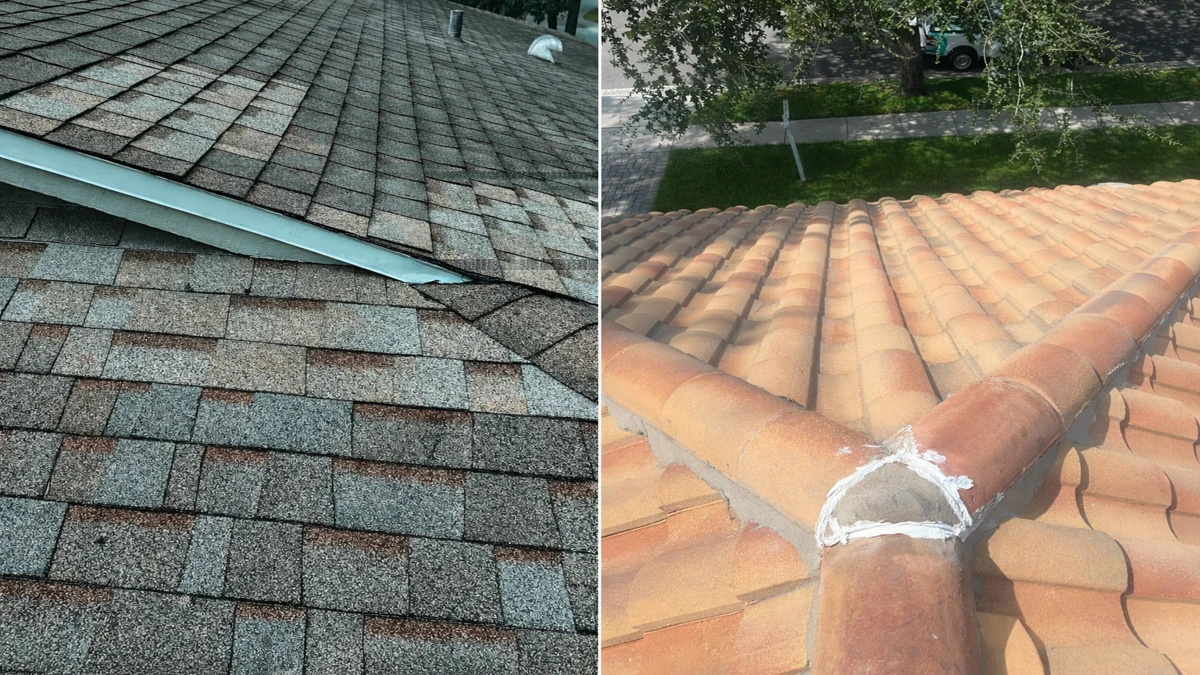


Concrete tile roof vs asphalt shingles is one of the most common, and confusing, decisions homeowners face when planning a roof replacement. At first glance, it seems like a simple comparison of materials. In reality, this choice can affect your budget, comfort, maintenance costs, and even how long you can forget about your roof altogether.
According to industry data, asphalt shingles still cover roughly 70–75% of residential roofs in the U.S., mainly because of their lower upfront cost.
Concrete tile roofs, on the other hand, are growing in popularity in warm and storm-prone regions due to their long lifespan, durability, and performance in extreme weather. But which option actually makes sense for your home? And more importantly, which one costs less over time, not just on installation day?
If you’ve ever wondered why some homeowners replace their roof every 15 years while others don’t touch it for decades, this guide is for you.
We’ll break down concrete tile roof vs asphalt shingles in plain terms, using real-world scenarios, current data, and field experience, not sales talk. By the end, you’ll have the clarity needed to avoid costly mistakes and make a confident decision before time, weather, or damage forces your hand.
Table of Contents
Concrete Tile Roof vs Asphalt Shingles: What’s the Real Difference?
When homeowners compare a concrete tile roof vs asphalt shingles, the difference goes far beyond appearance. These two roofing systems behave very differently once they’re exposed to heat, rain, wind, and time, especially in regions like Central Florida.
At a basic level, asphalt shingles are made from a fiberglass base coated with asphalt and mineral granules. They are lightweight, flexible, and quicker to install. Concrete tile roofs, on the other hand, are part of a heavier roofing system made from cement-based tiles designed to last for decades when properly installed.
But here’s the question most homeowners don’t ask soon enough: How do these materials actually perform after years of sun exposure, storms, and daily wear?
According to industry, asphalt shingles typically last 15 to 25 years, depending on climate, ventilation, and installation quality. Concrete tile roofs, under similar conditions, often reach 40 to 50 years or more, with many systems still performing well beyond that range when maintained correctly.
The real difference lies in how each system handles stress:
- Asphalt shingles rely on layered protection. Over time, heat and UV exposure can dry out the asphalt, leading to granule loss and reduced water resistance.
- Concrete tile roofs work as a durable surface layer combined with a critical underlayment system beneath. The tiles themselves resist UV damage exceptionally well, while the underlayment does the heavy lifting for waterproofing.
Imagine two homes facing the same summer heat and storm season. One roof slowly loses protective granules year after year. The other keeps its structural integrity but depends heavily on proper installation and periodic inspections. Same goal, protection, very different paths.
This distinction is why choosing between concrete tile and asphalt shingles isn’t about which material is “better,” but which system aligns with your home, your timeline, and your expectations for long-term performance.
No decision should be rushed here. The wrong choice can lead to frequent repairs or premature replacement, costs many homeowners don’t anticipate until it’s too late.
Cost and Long-Term Value: Which Roof Costs More Over Time?
When comparing concrete tile roof vs asphalt shingles, most homeowners focus on one number: the installation price. That’s understandable. Roofing is a major investment. But stopping the analysis there is one of the most common, and expensive, mistakes people make.
Asphalt shingles usually come with a lower upfront cost. On average, installing an asphalt shingle roof can cost 40% to 60% less than a concrete tile system, depending on roof size, slope, and complexity. This lower entry point explains why shingles dominate the U.S. residential market.
Concrete tile roofs require a higher initial investment. The materials are heavier, installation is more specialized, and in some cases, structural reinforcement may be needed. All of this adds to the upfront price. But here’s the critical question many homeowners don’t ask:
What will this roof actually cost you over the next 30 to 50 years? Studies cited by the National Association of Home Builders (NAHB) show that asphalt shingle roofs often need one to two full replacements within a 40-year period.

Concrete tile roofs, by contrast, are commonly installed once during that same timeframe. When you factor in tear-offs, disposal, labor, and material inflation, the long-term cost gap narrows significantly, and in many cases, reverses.
There are also hidden costs that influence real value:
- Maintenance frequency: Asphalt shingles typically require more frequent inspections and repairs as they age.
- Repair scope: Shingle damage often spreads, leading to larger repair areas. Concrete tile damage is usually localized.
- Storm-related expenses: After severe weather, shingle roofs are more likely to need widespread repairs or partial replacements.
Homeowners in Central Florida often discover that while shingles save money upfront, concrete tile roofs can offer greater cost stability over time, especially in regions exposed to heat, heavy rain, and strong winds.
If you’re planning to stay in your home for the long haul, long-term value matters just as much as the initial invoice. And understanding that difference early can prevent costly surprises later.
Lifespan, Durability, and Performance in Florida Weather
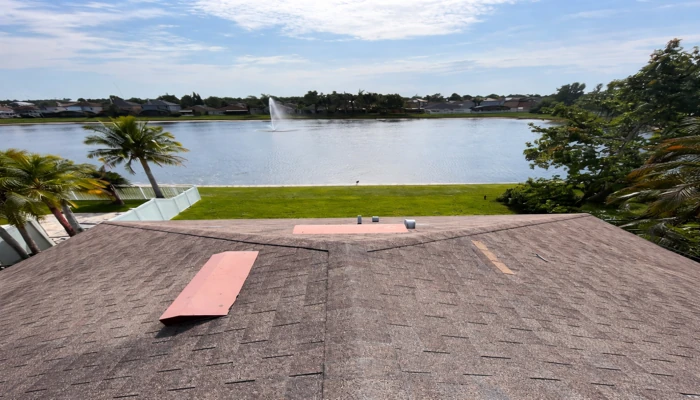
Choosing between a concrete tile roof vs asphalt shingles becomes much clearer when you look at how each option holds up over time, especially under Florida’s heat, humidity, and storm conditions. Lifespan and durability aren’t just about the material itself, but how that material reacts to the environment year after year.
Expected Lifespan Under Real Conditions
Under normal residential conditions, asphalt shingles typically last 15 to 25 years. In hot and storm-prone climates, that range often shifts toward the lower end due to accelerated aging from UV exposure and thermal stress.
Concrete tile roofs are built for longevity. When properly installed, they commonly reach 40 to 50 years, with many systems continuing to perform well beyond that mark. The tiles resist UV damage far better than asphalt-based products, which helps preserve structural integrity over time.
How Each Roof Handles Heat, Rain, and Storms
Florida’s climate puts constant pressure on roofing systems:
- Heat and sun: Asphalt shingles gradually lose protective granules, reducing water resistance. Concrete tiles remain stable under prolonged heat.
- Heavy rain: Shingle roofs rely on overlapping layers that can weaken as materials age. Tile roofs use a layered system where the underlayment plays a critical waterproofing role.
- High winds: Concrete tile systems, when correctly fastened, offer strong wind resistance. Shingles are lighter and more susceptible to lifting during severe storms.
Why Installation Quality Matters More Than Material Alone
Even the best roofing material can fail if installed incorrectly. Improper ventilation, poor fastening, or low-quality underlayment can shorten the lifespan of both systems. This is why professional installation and regular inspections are just as important as the material you choose.
A roof’s performance isn’t measured by how it looks on day one, but by how well it protects your home decades later.
Maintenance, Repairs, and Structural Considerations
Once the roof is installed, the real test begins. Understanding maintenance needs, repair behavior, and structural demands is essential when comparing a concrete tile roof vs asphalt shingles, especially for homeowners who want fewer surprises over time.
Ongoing Maintenance and Common Repairs
Asphalt shingles generally require more frequent attention as they age. Over time, exposure to heat and moisture can lead to granule loss, curling, and cracking. Small issues often spread, turning minor repairs into larger sections that need replacement.
Concrete tile roofs typically need less routine maintenance. The tiles themselves are highly durable, and repairs are often limited to individual tiles rather than large areas. However, periodic inspections are still important to monitor the condition of the underlayment and flashing beneath the tiles.
Repair Speed and Cost After Storm Damage
After severe weather, asphalt shingle roofs are more likely to experience widespread surface damage, which can increase repair costs and extend repair timelines. Tile roofs may suffer localized damage, such as cracked or displaced tiles, but these issues are often easier to isolate and fix when addressed promptly.
Structural Weight and Design Limitations
One key difference homeowners must consider is weight. Concrete tiles are significantly heavier than asphalt shingles. Some homes may require structural reinforcement before installation, particularly older properties or roofs with complex designs.
Roof slope, layout, and access also play a role. Not every roof design is ideal for concrete tile, while asphalt shingles offer greater flexibility for complex or steep roof structures.
Choosing the right system means balancing durability with your home’s structural readiness, a step that should never be skipped.
Energy Efficiency, Comfort, and Home Value Impact
Energy efficiency and indoor comfort often don’t get enough attention during a roof comparison, but they play a major role in how a home feels and performs day after day. When evaluating concrete tile roof vs asphalt shingles, the difference shows up not only on utility bills, but also in overall living comfort.
Concrete tile roofs naturally create an air space between the tile and the roof deck. This gap helps reduce heat transfer, allowing hot air to dissipate instead of being pushed directly into the attic.
In warm regions like Central Florida, this can help stabilize indoor temperatures and reduce the workload on air conditioning systems during long summer months.
Asphalt shingles rely more heavily on proper attic ventilation and insulation to manage heat. When those systems are well designed and maintained, shingles can perform efficiently. However, if ventilation is inadequate, heat buildup can become an issue, leading to higher cooling costs and faster material wear.
Comfort goes beyond temperature. A well-installed concrete tile roof can also help dampen outside noise, especially during heavy rain. Asphalt shingles provide adequate sound control as well, but thinner materials may transmit more noise over time as they age.
From a property value perspective, roofing choice can influence buyer perception. Concrete tile roofs are often associated with longevity and durability, which can be attractive to buyers planning to stay in a home long term. Asphalt shingles appeal to buyers looking for affordability and flexibility, particularly in neighborhoods where shingle roofs are the standard.
Ultimately, the right choice depends on how long you plan to stay in your home, how important energy efficiency is to you, and whether long-term value outweighs short-term savings.
Which Roofing Option Makes Sense for Your Home?
Choosing between a concrete tile roof vs asphalt shingles depends less on the material itself and more on how it fits your home and your plans.
Concrete tile roofing is often the better option for homeowners who plan to stay long term and want a roof designed to handle decades of heat, rain, and seasonal storms. It works especially well for homes built to support the added weight, offering durability and fewer replacement cycles over time.
Asphalt shingles tend to make more sense for those working with a lower upfront budget or planning to move within the next several years. They install faster, adapt easily to different roof designs, and can provide reliable protection when properly ventilated and maintained.
Timing also plays a role. In urgent situations, shingles may allow for quicker protection, while planned projects give homeowners the opportunity to invest in a longer-lasting system. The right choice is the one that balances immediate needs with long-term expectations.
Preventive Care and Temporary Solutions Before Full Replacement
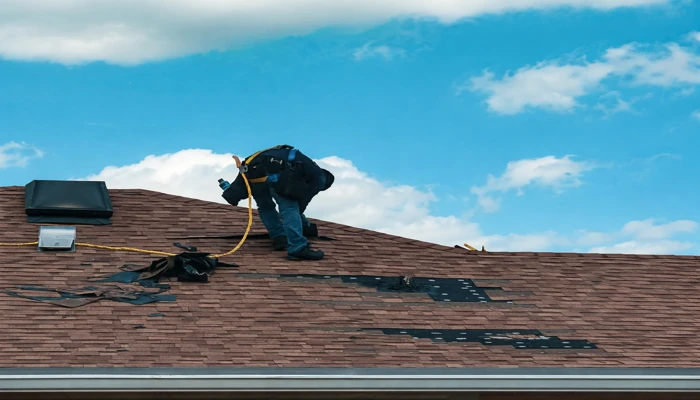
Many roofing problems don’t start with a sudden failure. They build slowly. Small issues go unnoticed until heat, heavy rain, or a strong storm pushes the roof past its limit. Understanding preventive care can help homeowners avoid emergency situations when comparing a concrete tile roof vs asphalt shingles.
Regular inspections are one of the most effective ways to extend roof life. Early warning signs like loose tiles, cracked shingles, granule buildup in gutters, or minor water stains often appear long before serious damage occurs. Addressing these issues early can prevent costly repairs and unplanned replacements.
In some situations, full replacement isn’t immediately possible. After storm damage or sudden leaks, temporary roof protection may be necessary to prevent further water intrusion. These short-term solutions are designed to stabilize the situation, not replace permanent repairs. Delaying a professional assessment after temporary protection can lead to hidden damage beneath the surface.
Proactive maintenance and timely inspections help homeowners stay in control, reduce stress during storm season, and protect their investment until the right long-term roofing decision can be made.
Choosing a Roofing Partner in Central Florida
After comparing materials, costs, and performance, one factor often makes the biggest difference in results: who installs and maintains your roof. In Central Florida, roofing decisions aren’t theoretical. Heat, humidity, heavy rain, and storm season put constant pressure on every roofing system.
Local experience matters because roofing here comes with specific challenges. Building codes, wind requirements, and installation methods are not the same as in cooler or drier regions.
A roofing partner who understands these conditions can identify risks early, recommend the right system for your home’s structure, and install it in a way that maximizes lifespan and performance.
Professional inspections are especially important before committing to either a concrete tile roof or asphalt shingles. Issues like ventilation, underlayment condition, flashing details, and structural readiness often determine whether a roof performs as expected, or fails prematurely.
Working with a roofing company that prioritizes proper evaluation, clear communication, and long-term protection helps homeowners avoid costly mistakes and unexpected repairs. The right partner doesn’t just install a roof; they help ensure it performs reliably for years in Florida’s demanding climate.
Conclusion
Choosing between a concrete tile roof vs asphalt shingles is not just a design decision. It’s a long-term choice that affects your home’s protection, comfort, and overall cost of ownership.
Each roofing system has its strengths, and the right option depends on factors like climate exposure, budget, structural readiness, and how long you plan to stay in your home.
Concrete tile roofs stand out for their longevity, durability, and consistent performance in Florida’s demanding weather, while asphalt shingles remain a practical solution for homeowners seeking flexibility and lower upfront costs. What truly determines success, however, is making an informed decision before damage, leaks, or storm season force a rushed choice.
This is where experience and local knowledge make the difference. A professional evaluation helps uncover hidden issues, clarify real costs, and ensure the roofing system you choose is installed correctly from day one.
If you are in Orlando or anywhere in central Florida and want clear guidance based on the specific needs of your home, Protect Preserve Roofing is ready to help you.
We will assess your options and plan the ideal solution before small problems turn into big losses.
Is a concrete tile roof worth the higher cost compared to asphalt shingles?
It can be, depending on your long-term plans. Concrete tile roofs cost more upfront, but they often last twice as long as asphalt shingles. For homeowners planning to stay in their home for decades, the reduced need for replacements can offset the initial investment.
Which roofing option performs better during Florida storms?
Concrete tile roofs generally handle heat, heavy rain, and strong winds better when installed correctly. Asphalt shingles can still perform well, but they tend to be more vulnerable to wind uplift and wear during repeated storm seasons.
Do concrete tile roofs require more maintenance than asphalt shingles?
Not necessarily. Concrete tiles are very durable and usually need less frequent surface maintenance. Asphalt shingles often require closer monitoring as they age, especially for granule loss and lifting. Both systems benefit from regular professional inspections.
Can my home support a concrete tile roof, or will I need structural changes?
Some homes may need reinforcement due to the added weight of concrete tiles. A professional roof inspection can determine whether your structure is ready or if adjustments are necessary before installation.


Leave a Reply