



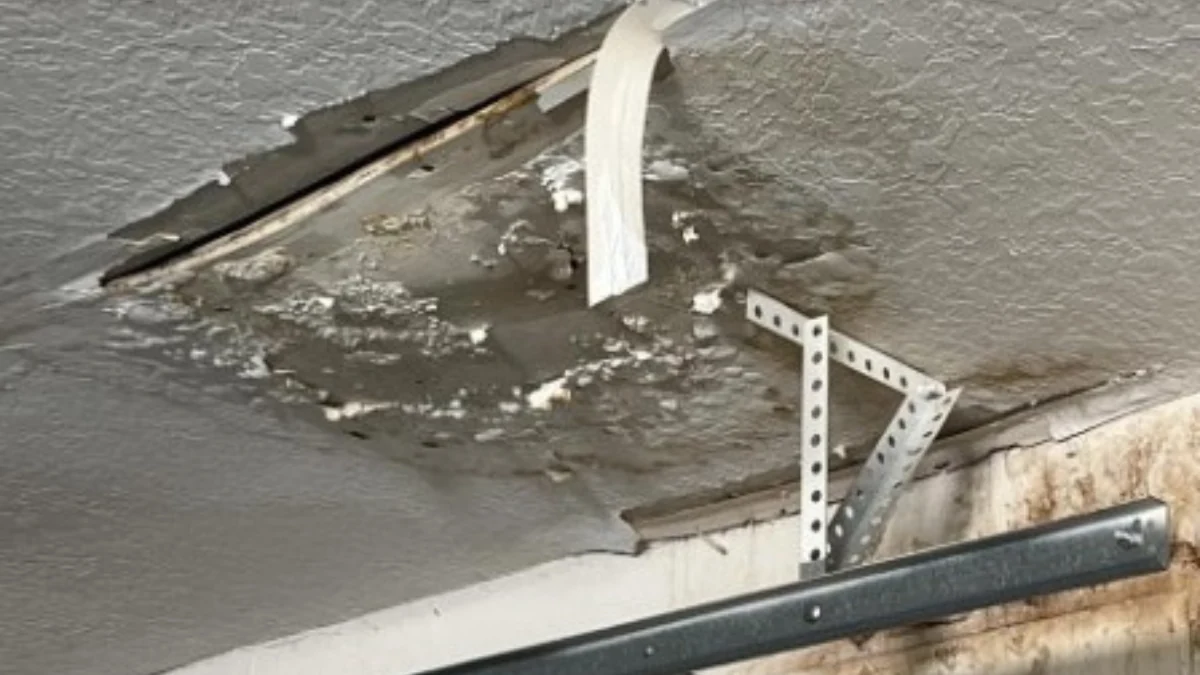


How long can you leave a leaking roof? If you’re asking yourself that, chances are you’re already dealing with a drip, a damp ceiling, or worse, a growing water stain staring back at you like a warning sign… and you’re not alone.
According to FEMA, even a small leak can lead to significant structural damage in as little as 48 hours. Mold growth can begin within 24 to 72 hours, and if left unattended, water can compromise insulation, electrical systems and your roof deck.
So, what should you do? What’s the real timeline before your leak turns into a full-blown renovation bill? In this guide, we break down exactly what happens when you delay, how to protect your home without risking safety and when to call in the pros.
Don’t wait until you hear the “drip” become a “splash.” Let’s fix it before it floods.
How Long Can You Safely Leave a Leaking Roof?
Let’s cut to the chase: not long at all. If your roof is leaking, the clock is ticking and fast. The longer you wait, the more expensive the damage becomes.
So, how long can you leave a leaking roof before it causes real damage? Let’s find out what can happen if you delay:
- Within 24–48 hours: Moisture starts seeping into insulation, drywall and wooden structures. Mold spores start forming.
- Within 3–5 days: Mold spreads, wood begins to soften, and electrical systems may short out.
- Within 1–2 weeks: Structural elements like ceiling joists and rafters start to warp. Indoor air becomes unsafe. Repair costs double or triple.
- Past 2 weeks: You’re now dealing with major rot, possible roof deck damage and unsafe living conditions. Your insurance may deny the claim if they believe you delayed action.
Pro tip: If you see a leak, act fast. Waiting isn’t saving, it’s silently stacking up bills, rot and risk. Don’t forget that Protect Preserve Roofing offers expert emergency cover-ups across Florida, done safely.
What Happens If You Ignore a Leaking Roof?
Think ignoring a roof leak will save you time or money? Think again. A small drip today can quietly destroy everything under your roof and by the time you notice it, the damage is already done.
Let’s break it down like a checklist of consequences no homeowner wants:
- Mold shows up fast: Mold is ugly and toxic. Once it’s in your attic, walls or insulation? Good luck getting rid of it cheaply. You’re not just patching a roof, you’re hiring mold remediation and probably tossing out part of your drywall.
- Insulation gets soaked: Wet insulation doesn’t insulate. Instead, it holds water like a sponge, spreading damage even further and driving up your heating and cooling bills.
- Wood rot and structural damage: If water keeps dripping in, your rafters, beams and ceiling joists start to weaken. What once held your roof firm now turns soft, unstable and dangerous.
- Electrical hazards: Leaky roofs and electricity? Bad combo. Water creeping into wires or ceiling fixtures can lead to shorts, outages or worse, fires.
- Your insurance might bail on you: If your insurance provider believes you waited too long to act, they might deny your claim.
Quick reminder: Call a roofing pro fast. Protect Preserve Roofing offers tarp installations across Florida with rapid response and zero structural damage.
Time vs. Damage
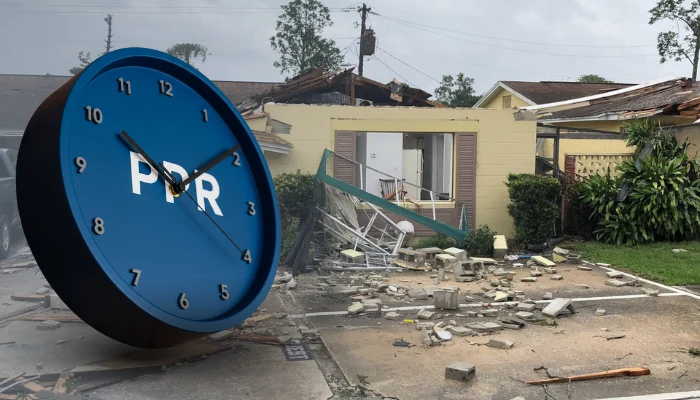
When it comes to a “how long can you leave a leaking roof”, time is damage and the clock starts ticking the moment that first drop hits. Here’s how fast a simple leak can turn into a full-blown headache:
| Time Passed | Visible Damage | Hidden Damage | Cost Risk |
| 24–48 hours | Water spots, musty smell | Mold growth, soaked insulation | Low–Medium |
| 3–7 days | Sagging ceiling, bubbling paint | Rotting wood, mold spread | Medium–High |
| 14+ days | Large leaks, structural stress | Compromised framing, high mold levels | Very High |
| 30+ days | Ceiling collapse, wiring issues | Systemic structural failure | Extreme $$$ |
So, how long can you leave a leaking roof? Not long at all. Every hour that passes lets water dig deeper into your home and your budget.
Signs Your Roof Leak Is Getting Worse
Think your roof leak is “just a little drip”? That’s how it always starts, but leaks don’t stay quiet for long, they shout louder a little more every day. Here are the signs that show the problem is growing (and fast):
- Water stains are spreading: That small brown spot on your ceiling? If it’s growing like a bad coffee stain, that’s your first red flag.
- Paint is bubbling or peeling: Looks like someone tried to do abstract art on your walls? That’s water trapped behind the paint and it’s not there to be pretty.
- Musty smell is now noticeable: If your house smells like a forgotten gym bag, mold is probably making itself at home. Mold thrives in moisture and a worsening leak is its VIP invitation.
- You hear dripping: No rain, but still hearing water? That’s your attic crying for help. Saturated wood or insulation may be slowly dripping into the house.
- Sagging ceiling or warped walls: A sagging ceiling looks like a balloon ready to pop. If you see this, step back. That area is no longer safe.
- Higher energy bills: Leaks ruin insulation. Your AC works harder and your wallet gets thinner.
- You’re using more buckets than chairs: If you’ve started naming the buckets in your living room, it’s time to stop DIY and call in the cavalry.
Pro tip from Protect Preserve Roofing: You need to take clear photos of all signs, don’t poke sagging areas (they can collapse) and avoid climbing on the roof, it’s risky and can void insurance.
Roof Leak Repair Cost
Let’s be real, roof repairs don’t come cheap. However, not fixing it? That can cost you way more in stress, damage, and money. A roof leak left unchecked is like ignoring a toothache. Eventually, the “little fix” becomes a root canal or in this case, a full roof replacement.
Here’s a breakdown of typical costs you might run into:
| Type of Repair | Average Cost Range |
| Minor leak (sealant, flashing) | $150 – $400 |
| Shingle replacement (small area) | $300 – $600 |
| Plywood/underlayment patching | $400 – $1,000 |
| Full tarp installation (temporary) | $800 – $1,600 |
| Major structural repairs | $1,500 – $5,000+ |
What affects the price?
- Roof height and pitch: A steep or high roof means more safety gear and more time.
- Extent of damage: The more water got in, the more layers may need repair.
- Emergency response time: Calling at 2 AM during a thunderstorm? Expect a premium.
- Location: Costs vary across Florida, but your zip code can make a difference.
How Long Can You Leave a Leaking Roof: Emergency Roof Leak Repair
There are emergency solutions that actually work and others that can make things worse. Let’s look at what you can do right now to protect your home, without risking safety or insurance headaches.

Professional tarp installation
If you only remember one thing, remember this: a properly installed tarp is your home’s best defense in an emergency.
- Installed without nails using sandbags or boards (never puncture the roof).
- Keeps water out for days or even weeks.
- Protects your claim: most insurance companies prefer professional solutions.
Plastic sheeting
If you’re waiting on a pro and rain is on the way, heavy-duty plastic sheeting (6 mil or more) can help. Just make sure:
- It covers the entire damaged area and slopes with the roof.
- It’s secured with weights, not screws or nails.
- You stay off the roof if it’s wet, dark or high-pitched.
Buckets and towels
Simple but effective. While you wait for help:
- Catch leaks with buckets or pots.
- Place towels under wet spots to stop floor damage.
- Move electronics and furniture out of harm’s way.
Attention: This won’t stop the leak, but it buys time and prevents costly interior damage.
Sealant sprays or roof patches
Spray-on roof sealers or adhesive patches can work on small cracks or holes, but only:
- On flat or gently sloped roofs.
- In dry weather (they won’t stick to wet surfaces).
- As a temporary solution, not a fix.
What NOT to do
- Climb on a wet roof.
- Nail or screw tarps unless there’s no other option.
- Ignore the leak just because the rain stops.
Even a small leak can grow fast; mold, rotting wood and insulation damage happen silently and quickly.
Warning About How Long Can You Leave a Leaking Roof (No Nails!)
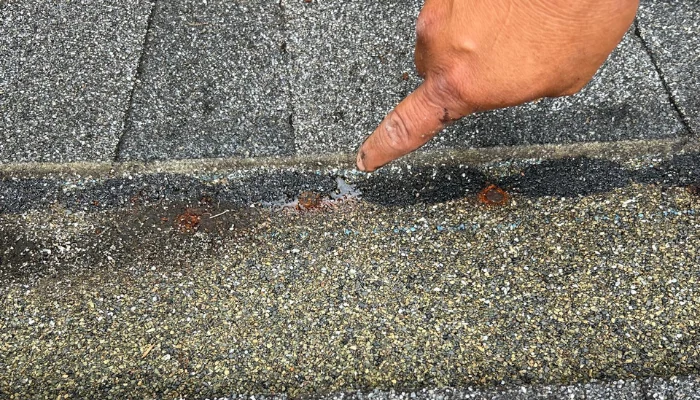
It might seem like a quick fix: toss a tarp over the leak, grab a drill, and lock it down. Please, don’t. What feels like a good idea can cause more damage than the leak itself.
- You’ll void your insurance claim: Most homeowner insurance policies require non-destructive mitigation. When you hammer nails into your shingles or decking you create new holes that weren’t there before, the insurer may argue the damage was made worse by you and your claim can get denied or reduced.
- You might turn a small leak into a full roof replacement: Every nail or screw hole is a new way for water to get in, plus wet wood beneath those holes can rot fast, mold and mildew love these new entry points, and the roof deck weakens over time.
- It’s not safe: Climbing onto a sloped or high-pitched roof in the rain is dangerous. Slips and falls are one of the top home injury causes, a misstep can result in broken bones and tools and tarps can slide off, hitting people below. You’re better off staying safe and letting trained pros handle it.
So… what should you do instead?
- Use sandbags, boards, or weighted anchors to secure the tarp.
- Call a professional like Protect Preserve Roofing, we respond in under 1 hour in most Florida areas.
- Avoid any permanent attachment unless the roof pitch is too steep and no other solution holds.
In very rare cases – such as extremely steep roofs or severe structural compromise – attaching the tarp with fasteners might be necessary. Therefore, even then, it should be done by pros and documented for insurance.
What to Do While You Wait for Help to Arrive
You found the leak. You called for help. Now what? You’ve got time to minimize damage, but only if you act smart. Here’s what you should do while the pros are on route:
- Move everything out of the way: Water finds the worst things to fall on, like electronics, documents and furniture. Use plastic sheets or trash bags if you can’t move items and unplug anything in the affected area.
- Contain the water: you don’t need fancy gear. Grab buckets, pans, or even Tupperware, place towels around the containers to catch splashes and empty the buckets regularly (especially if it’s still raining).
- Take photos and videos: Document ceiling stains, drips, damaged items and roof signs; record a short video of water entry (time and date it) and keep this as evidence in case you file an insurance claim.
- Ventilate if you can: If it’s safe and the rain has slowed, open windows or doors nearby. This helps prevent mold buildup and airflow keeps humidity from spreading.
- Stay safe and stay put: Whatever you do don’t climb the roof, try to tarp it yourself or ignore the leak thinking it’ll dry out. Let professionals handle it.
- While you wait: Save our number for future emergencies. The next storm won’t wait and neither should your roof protection.
How to Prevent Future Roof Leaks
A leaking roof isn’t just a one-time headache. Ignore it and it’ll return stronger, messier and way more expensive. That’s why preventing the next leak is easier (and cheaper) than dealing with the one you’ve got now. Let’s show you how:
- Schedule regular roof inspections: A professional eye catches what yours can’t. We recommend a twice-a-year roof check, spot cracked shingles, sagging spots, clogged gutters and the early detection leads to less drama later.
- Clean your gutters like your drywall depends on it: Clean gutters every 3 to 4 months, check for downspout clogs and watch out for birds making “cute little nests” (they cause big problems).
- Trim back overhanging trees: Branches rub and wear down roofing material, leaves trap moisture and fallen limbs = emergency call. Keep trees trimmed at least 6 feet away from the roof line.
- Check your attic after every major storm: Look for water stains, mildew smells or wet insulation, use a flashlight to inspect corners and roof decking and if you see something weird, don’t wait, call us.
- Don’t delay minor repairs: Get small issues fixed right away, don’t assume it’ll “hold up for now” because a $200 fix today beats a $2,000 ceiling replacement tomorrow.
- Always use professionals for maintenance: DIY videos won’t tell you about insurance risk or structural damage you can’t see. Protect Preserve Roofing installs tarps, repairs leaks and reinforces your home the right way. No shortcuts or nails that void insurance.
- Keep our number handy: Leaks don’t wait for business hours. Keep Protect Preserve Roofing on speed dial and stay protected year-round, rain or shine.
Why Professional Tarp Installation Is Worth It
When your roof starts leaking, panic hits. Some folks rush to YouTube, others grab a ladder and a cheap tarp from the garage. However, here’s the hard truth: a sloppy tarp job can do more harm than good.
It’s not just about throwing a tarp over the hole
Sounds simple, right? Just cover it, but a professional installation does way more than that:
- Measures the exact dimensions of the damaged area.
- Secures the tarp without nails or screws (which can void insurance or damage the roof even more).
- Chooses the right tarp weight and material based on wind conditions, roof pitch, and weather forecast.
- Ensures water drains properly to prevent new leaks from forming.
Prevents thousands in extra damage
One incorrectly placed tarp can send water underneath shingles, behind siding or into attic beams. That “quick fix” you did with rope and hope? It could cost you:
- Mold remediation.
- Insulation replacement.
- Ceiling collapse.
- Higher insurance deductibles.
- Complete roof replacement (yes, seriously).
A tarp might cost less than a dinner out but fixing tarp mistakes can cost you a vacation.
Insurance gets touchy with DIY mistakes
Here’s the part nobody tells you: insurance companies look closely at what happens after the damage begins. If they see:
- Nails drilled into the roof.
- Water redirected into framing.
- Evidence of “negligence”.
They might say, “Not our problem.” That’s why Protect Preserve Roofing never nails tarps, unless it’s an extreme case where the roof is already structurally shot.
Professionals respond faster and safer
While you’re still trying to Google “how to tie a tarp in the rain,” a pro team is already:
- On the road with commercial-grade equipment.
- Wearing safety harnesses.
- Climbing slippery rooftops without risking life and limb.
- Securing your home in under an hour.
It’s not as expensive as you think
The average cost of professional tarp installation? Between $800 to $1,600, depending on factors like:
- Roof height and pitch.
- Extent of damage.
- Weather conditions.
- Type of tarp used.
Bottom line: Hiring Protect Preserve Roofing means no risks, second-guessing and regrets. You stay dry, safe and covered – literally.
Conclusion: Real Help from Protect Preserve Roofing
So, now you know the answer to “how long can you leave a leaking roof“, if your roof is leaking, waiting isn’t an option and trying to fix it yourself could make things worse. You need a crew that:
- Shows up fast.
- Knows what they’re doing.
- Doesn’t damage your roof further.
- Understands insurance limitations.
- Installs tarps professionally and safely without nails unless absolutely necessary.
That’s exactly what Protect Preserve Roofing delivers every single day across Florida. From emergency tarp installations starting at $800, to complete roof inspections, we’re ready in under one hour to help secure your home and your peace of mind.
Don’t let a leak spiral out of control, call now or request your free schedule visit or even get a price estimate. We’ll respond quickly, treat your home like our own and make sure water damage doesn’t spread another inch.


Leave a Reply