



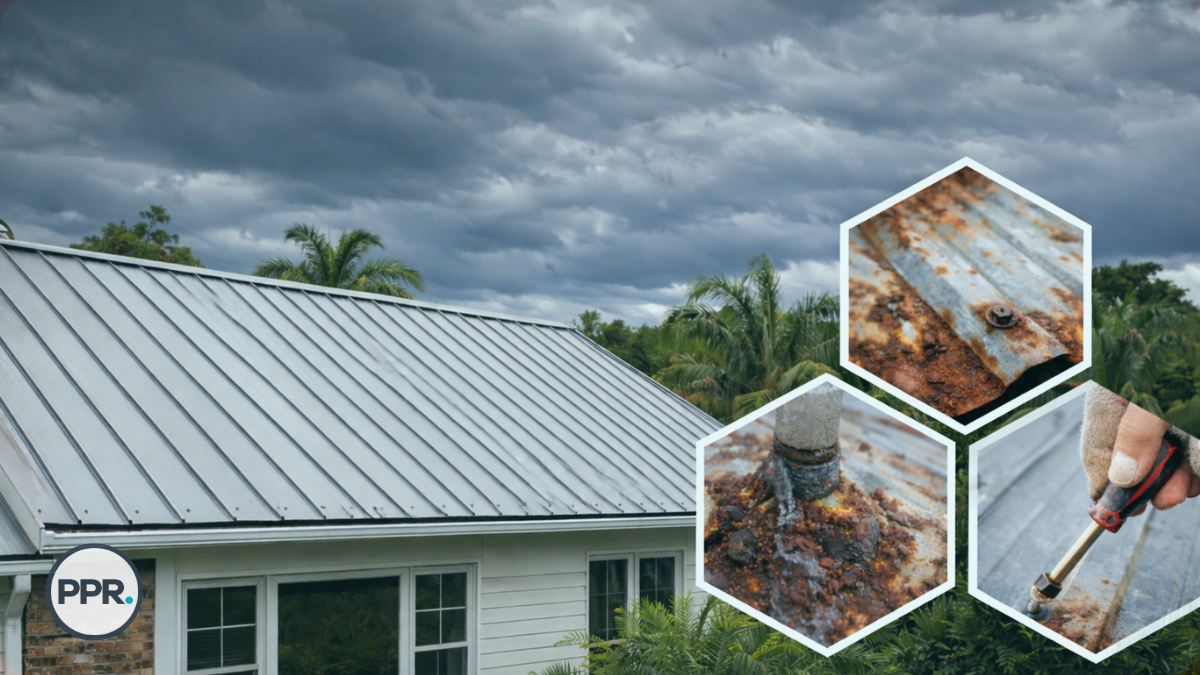


How long do metal roofs last? If you’re asking that question, you’re already doing the smart thing, because a metal roof isn’t a small purchase. It’s a long-term decision that can protect your home for decades.
Here’s the short version: a well-installed metal roof can last a long time, but the real lifespan depends on the type of system, the material, and how hard your local weather works against it. And in Central Florida, that weather doesn’t play nice.
According to the Metal Construction Association, metal roofing is often considered a 60+ year roof under the right conditions. That’s a big deal, especially when most homeowners are used to replacing a roof far sooner than that.
But let’s be honest for a second. You don’t just want the “best-case” number. You want the real answer for your house.
So in this guide, we’ll break down how long metal roofs last by type and care, what causes them to fail early, and what you can do to get the longest life possible out of your roof without wasting money on the wrong fixes.
If you live in Orlando or anywhere in Central Florida, this matters even more. One storm season can take years off a roof that wasn’t built or maintained the right way. Ready to figure out what your roof’s lifespan really looks like? Let’s get into it.
Table of Contents
How Long Do Metal Roofs Last? (Quick Answer)
Most metal roofs last 40 to 70 years, depending on the system, the metal, and how well it’s installed and maintained. If you want the most realistic breakdown, here’s the simplest way to think about it:
- Standing seam metal roofs usually last longer because the fasteners are hidden and better protected from weather.
- Screw-down (exposed fastener) metal roofs can still last a long time, but fasteners and washers often become the weak point over the years.
- Coastal exposure (salt air) and Florida storm seasons can shorten lifespan fast if the roof wasn’t built with the right details and materials.
And yes, metal can absolutely be a “60+ year roof.” The Metal Construction Association has stated that metal roofing can last 60 years or more when it’s properly designed and installed.
But here’s the part most people don’t hear upfront: A metal roof doesn’t fail all at once. It usually fails in small places first. A backed-out screw. A tiny gap in flashing. A worn-out seal around a vent pipe.
Then one heavy rain hits Orlando, and suddenly that “small issue” becomes a ceiling stain, a wet attic, or a full-blown leak.
If you’re trying to figure out how long your metal roof will last, the smartest move is to stop thinking in “years only” and start thinking in:
system + material + local weather + maintenance. That’s exactly what we’ll break down next.
If you’re in Orlando or Central Florida, and you want a clear estimate for your specific roof type, the fastest way is a professional inspection. A good one doesn’t take long, and it can save you thousands by catching the early problems before storm season makes them expensive. Next, let’s break it down by roof type.
Metal Roof Lifespan by Type (Standing Seam vs Screw-Down)
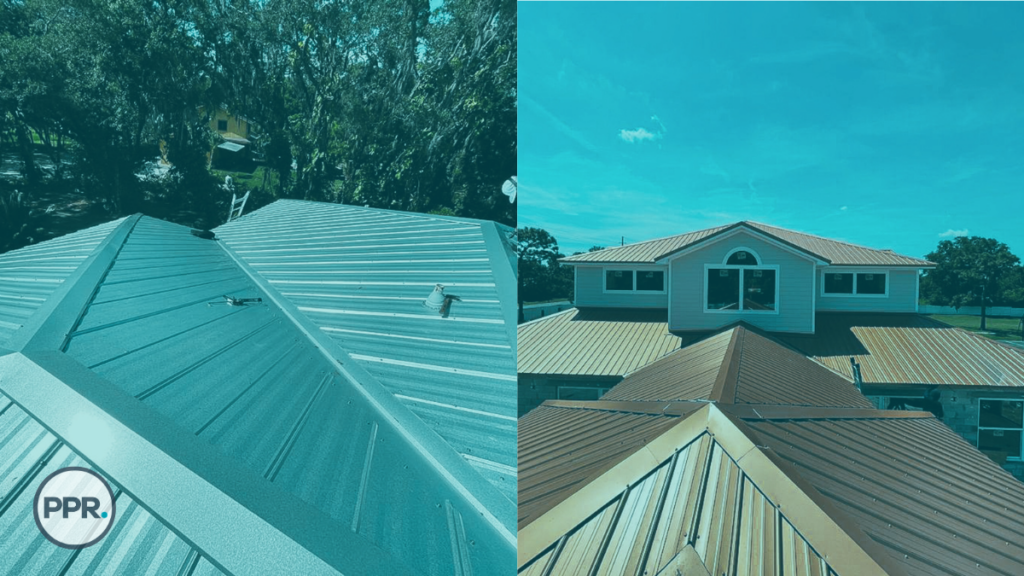
If you want the fastest, most practical answer, here it is: The roof system often matters more than the metal itself. A roof can be “metal,” but the way it’s built changes how long it lasts.
Standing Seam Metal Roof Lifespan
A standing seam metal roof usually delivers the longest lifespan because it’s designed to stay tighter and more protected over time.
In real-world conditions, a properly installed standing seam roof often lasts 50 to 70+ years.
Why it lasts longer:
- Fasteners are hidden, so they’re less exposed to sun, rain, and temperature swings
- The system is built to handle metal expansion and contraction more smoothly
- There are fewer exposed weak points where leaks typically start
In Orlando and Central Florida, this matters even more. Heat, humidity, and storm season constantly stress roofing systems. Standing seam tends to hold up better.

Exposed Fastener (Screw-Down) Metal Roof Lifespan
A screw-down metal roof (also called exposed fastener) can still last a long time, but it usually has one predictable weak spot: the screws and rubber washers wear out before the panels do.
Most exposed fastener metal roofs last around 30 to 50 years, depending on installation quality and maintenance.
What shortens the lifespan fastest:
- screws slowly backing out over time
- washers drying out and losing their seal
- small gaps turning into leaks during wind-driven rain
And here’s the truth many homeowners learn the hard way: A screw-down roof can look “fine” for years… until one storm proves it isn’t.
Best Choice for Central Florida Storms
If your goal is maximum lifespan, standing seam is usually the stronger long-term choice. That said, screw-down metal roofing isn’t automatically a bad option. It can perform well when:
- it’s installed correctly
- quality fasteners and washers are used
- the roof is inspected and maintained over time
Think of it like this: Standing seam usually lasts longer with less maintenance. Screw-down can last well, but it needs more attention as it ages.
Not sure which system you have?
- If you can see rows of screws on the roof surface, it’s exposed fastener
- If you don’t see screws and you see raised vertical seams, it’s standing seam
If you want a clear lifespan estimate for your specific roof in Orlando or Central Florida, Protect Preserve Roofing can inspect the system, fasteners, and flashing and help you avoid expensive surprises later.
Metal Roof Lifespan by Material (Steel, Aluminum, Copper & More)
Once you know your roof system, the next big question is the material. Because yes, metal roofs can last decades. But not all metals age the same, especially in Florida heat, humidity, and storm season. Here’s the breakdown homeowners actually need.
Steel Metal Roof Lifespan
Steel is one of the most common metal roofing materials because it’s strong, widely available, and cost-effective. A properly installed steel metal roof often lasts 40 to 60+ years.
Steel performs best when:
- it has a strong protective coating (like Galvalume)
- fasteners and flashing are installed correctly
- the roof is maintained before small rust spots become real corrosion
If steel is neglected, the lifespan usually doesn’t end because the panels “wear out.” It ends because moisture finds weak points and corrosion spreads.
Aluminum Metal Roof Lifespan (Best for Coastal Areas)
Aluminum is a great option when corrosion risk is higher. A well-built aluminum metal roof can often last 50 years or more, and it tends to handle salty air better than steel.
That’s why aluminum is often considered a smart pick for:
- coastal environments
- high-humidity regions
- homeowners who want a long-lasting roof with less corrosion worry
Even in Central Florida, aluminum can be a strong long-term choice if you want extra protection against moisture-related wear.
Copper and Zinc Lifespan (Premium Options)
Copper and zinc are premium metals, and they’re known for long lifespans. In the right setup, copper and zinc roofs can last 70+ years, and sometimes much longer.
That said, most homeowners don’t choose these metals because they’re trying to “beat Florida weather.” They choose them because they want:
- high-end aesthetics
- long-term durability
- a roof that can age beautifully over time
Galvalume vs Galvanized Steel: Which Lasts Longer?
This is one of the most common questions people don’t ask until after they’ve already bought the roof. Here’s the simple answer:
- Galvalume generally offers better long-term corrosion resistance than galvanized steel
- Galvanized can still perform well, but it depends heavily on environment and maintenance
If you’re in a humid, storm-prone area like Orlando, corrosion protection matters more than most homeowners realize. Because once corrosion starts, it doesn’t “pause.” It slowly keeps working until something fails. If you’re not sure what material you have, don’t guess. Many metal roofs look similar from the ground.
A quick inspection can usually confirm:
- the system type
- panel condition
- coating wear
- early corrosion risk points
And that’s often the difference between “this roof has 15 years left” and “this roof is one storm away from a major leak.” Next, we’ll cover the real factors that decide how long your metal roof lasts, no matter what it’s made of.
What Really Determines Metal Roof Lifespan (The Big Factors)
Here’s the part most homeowners don’t hear enough: a metal roof doesn’t “die” on a specific year. It lasts as long as the system details keep doing their job. That’s why two metal roofs installed in the same year can age completely differently. One can still look solid decades later, while the other starts leaking early and becomes a headache.
The biggest factor is almost always installation quality. Not the brand name. Not the sales pitch. The installation. A metal roof can be made of strong panels and still fail early if the flashing wasn’t formed correctly, if penetrations weren’t sealed the right way, or if fasteners were over-tightened, under-tightened, or placed wrong. These aren’t problems that always show up right away. They usually sit quietly until the roof gets tested by wind-driven rain.
Drainage matters too. Water should move off the roof cleanly. When it doesn’t, you get areas where moisture hangs around longer than it should. Over time, that speeds up coating wear, increases corrosion risk, and raises the odds of leaks around transitions and low points.
Now add the Central Florida reality. In places like Orlando, your roof deals with intense sun, daily heat expansion and contraction, heavy humidity, and storm season stress year after year.
That combination is rough on any roofing system, especially if small weaknesses are already present. Wind doesn’t just damage roofs when something crashes into them. It also works the roof over time, flexing panels, tugging at edges, and slowly loosening fasteners and flashing until one day water finds the opening.
And there’s one more factor most people overlook: what’s happening underneath the roof. Poor attic ventilation and trapped moisture can create problems that shorten roof life faster than you’d expect. A roof isn’t just what you see from the street. It’s a full system, and it only lasts as long as the system stays protected.
If you remember one thing from this section, make it this: metal roofs last longest when the details are installed correctly, water can drain properly, and the roof is inspected before small issues become expensive repairs.
Coatings and Paint Systems (PVDF vs SMP) — Do They Matter?
Yes, coatings matter more than most homeowners realize. The paint system isn’t just there to make the roof look nice. It’s one of the main layers that helps protect the metal from Florida sun, humidity, and long-term wear.
In simple terms, PVDF coatings (often associated with premium finishes like Kynar®) are known for holding up better over time. They tend to resist fading and chalking longer, which is important when your roof gets hit with intense UV exposure year after year. SMP coatings can still be a solid option, especially for budget-friendly projects, but they may fade sooner and may not perform as long in harsher environments.
Roof color plays a role too. Darker colors usually absorb more heat, which can increase daily expansion and contraction. Over time, that extra movement can add stress to seams, fasteners, and roof transitions.
The best takeaway is simple: a strong coating choice helps your roof age slower, and it can be the difference between a roof that still looks and performs great decades later versus one that starts breaking down early.
Why Metal Roofs Fail Early (And How to Prevent It)
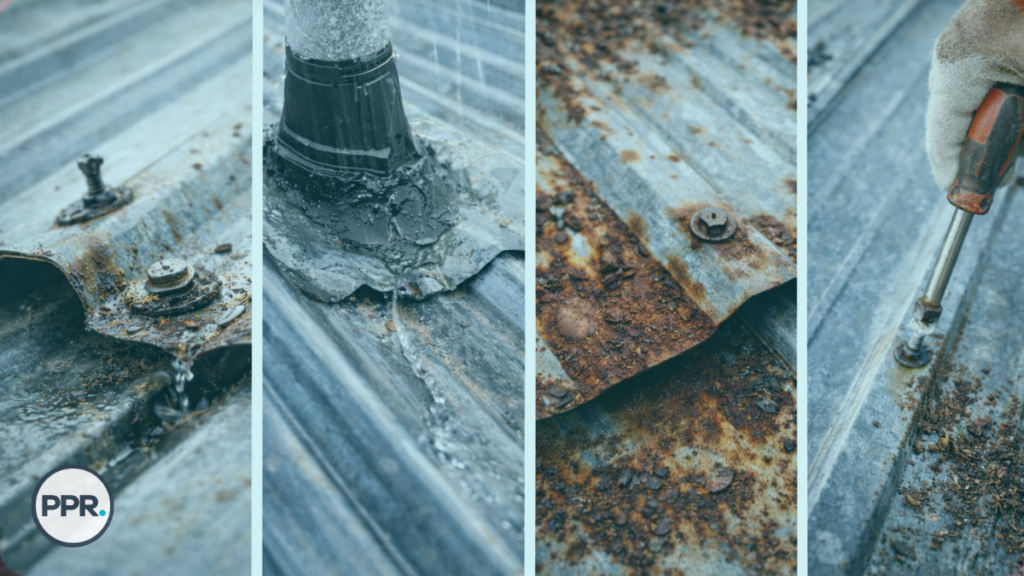
Most metal roofs don’t fail because the panels suddenly “wear out.” They fail early because a few small weak points keep getting hit by weather until they finally give up. Here are the most common reasons it happens, and what you can do about each one.
Fasteners Backing Out and Washer Failure
This is the classic issue on exposed fastener (screw-down) metal roofs.
Over time, screws can slowly loosen from:
- daily expansion and contraction
- strong winds and vibration
- normal aging of the rubber washer
Once the washer dries out or cracks, water can sneak in during heavy rain, especially when wind pushes it sideways. Prevention is simple but important: periodic inspections and fastener maintenance can stop small leaks before they turn into bigger repairs.
Flashing Problems Around Vents and Chimneys
Flashing is one of the most important parts of any roof system. And it’s also one of the easiest places for mistakes to happen.
Leaks often start around:
- plumbing vent pipes
- exhaust vents
- skylights
- chimneys and wall transitions
The roof panel might still be in great shape, but if the flashing detail fails, water gets in anyway. A proper inspection focuses heavily on these areas because they’re high-risk and easy to miss from the ground.
Rust, Oxidation, and Coating Breakdown
Metal roofs resist corrosion, but they’re not invincible.
Rust usually starts small:
- scratches in the coating
- exposed cut edges
- areas where debris holds moisture
Once corrosion spreads, it becomes harder to stop without professional repair. That’s why basic upkeep matters. Keeping the roof clean and addressing small damage early can add years to its life.
Dissimilar Metal Corrosion (The Silent Killer)
This is one of the most overlooked issues. When two different metals interact in the presence of moisture, it can trigger corrosion faster than expected. It often happens around:
- fasteners
- flashing materials
- roof accessories
Homeowners rarely notice it until there’s already damage. Prevention comes down to using compatible materials and making sure repairs are done correctly, not “patched” with whatever is available.
If your metal roof is aging and you want to avoid expensive surprises, the smartest move is catching these problems early. One small fix now can prevent a major leak later, especially in Orlando and Central Florida storm season. Next, we’ll cover the warning signs that your metal roof needs attention before the next big rain.
Signs Your Metal Roof Needs Repair (Before It Turns Into a Leak)
Most homeowners don’t notice a metal roof problem until water shows up inside the house. And by then, the repair usually costs more than it should.
The good news is that metal roofs often give you warning signs first. You just have to know what to look for. Start with what you can spot safely from the ground. If you see panels that look slightly lifted, uneven, or out of place, that can be a clue the roof has shifted under wind pressure.
On exposed fastener roofs, rows of screws that look uneven or “raised” can signal fasteners backing out. Rust spots, streaks, or areas that look worn and chalky can also mean the protective coating is breaking down.
Now pay attention to what’s happening inside your home. A metal roof leak doesn’t always drip straight down. Water can travel along framing before it shows up. So if you notice ceiling stains, bubbling paint, a musty smell after rain, or damp insulation in the attic, don’t ignore it. That’s often the roof telling you something is failing early.
After a storm, it’s smart to do a quick check. Look for new dents, debris impact marks, loosened flashing, or anything that looks “different than last week.” In Central Florida, one storm can turn a small weak spot into a real leak fast.
If you’re seeing any of these signs, the best move is getting it inspected before the next heavy rain tests the roof again. A small repair now can keep your metal roof performing for years longer.
How to Make a Metal Roof Last Longer (Simple Maintenance That Works)
Metal roofs are low-maintenance, not no-maintenance. If you want the longest lifespan possible, a few simple habits make a big difference.
Annual Metal Roof Maintenance Checklist
At least once a year, make sure these basics are handled:
- Clear leaves and debris that trap moisture
- Keep gutters and drainage paths flowing
- Look for rust spots, worn coating, or exposed edges
- Check flashing areas around vents and roof transitions
- On screw-down roofs, watch for raised or loose fasteners
You don’t need to obsess over it. You just need to stay ahead of small problems.
How Often to Inspect in Florida Weather
In Orlando and Central Florida, a yearly inspection is a smart baseline. But if your roof takes a hit from a major storm, it’s worth checking sooner. Storm season doesn’t always cause obvious damage. Sometimes it loosens parts of the system little by little, and the leak shows up later.
What Homeowners Should Never Do on a Metal Roof
This is where people accidentally shorten roof life.
Avoid:
- walking on the roof unless you know exactly where it’s safe
- pressure washing in a way that damages coatings or seams
- sealing leaks with random caulk as a “permanent fix”
- ignoring small fastener or flashing issues until they spread
A metal roof lasts longest when it’s treated like a system, not just a surface. If you want a clear plan for your specific roof type, Protect Preserve Roofing can help you set up maintenance that prevents leaks before they start.
Repair vs Replacement (What’s Smarter for Your Roof?)

This is the question most homeowners eventually reach: Should you repair the roof… or replace it? The honest answer is: it depends on what’s failing.
A metal roof can often be repaired and still last for decades if the problem is localized. That includes things like a flashing issue around a vent, a small leak caused by a seal failure, or fasteners that need attention on an exposed fastener system. In those cases, repairing early is usually the smartest move because you’re fixing the weak spot before it spreads.
Replacement makes more sense when the roof has widespread issues that keep coming back. If the coating is breaking down across large areas, corrosion is spreading, panels are damaged in multiple places, or the system was installed incorrectly from the start, repairs can turn into a cycle of spending without real progress.
There’s also a middle ground some homeowners consider: roof coatings. In the right situation, coatings can help extend roof life. But they’re not a magic fix. If the roof has structural issues, active leaks from bad details, or major corrosion, coating over the problem usually delays the pain instead of solving it.
The smartest way to decide is simple: figure out whether you’re dealing with a small fix, a system-wide issue, or a roof that’s nearing the end of its reliable life. A professional inspection makes that clear fast, and it helps you avoid spending money in the wrong direction.
Orlando & Central Florida Reality Check (What to Expect)
If you live in Orlando or anywhere in Central Florida, here’s the truth: your metal roof is working harder than it would in a mild, dry climate.
It’s not just the heat. It’s the combination. You get intense sun that bakes the roof surface day after day. Then you get sudden downpours that cool everything fast.
That constant expansion and contraction adds stress over time, especially around fasteners, seams, and flashing details. Add Florida humidity, and moisture becomes a long-term factor that can accelerate wear if the roof has weak points.
Storm season also changes what “normal aging” looks like. Wind-driven rain can push water into places it would never reach during a calm shower. Flying debris can dent panels, loosen flashing, or damage protective coatings in ways that don’t look serious at first. But months later, that small damage can become a leak.
And while Orlando isn’t right on the coast, Central Florida still sees the effects of tropical systems and heavy seasonal storms. That’s why the roof system matters so much here. A properly installed metal roof with the right materials, coatings, and details can last for decades. But a roof with shortcuts in installation, low-quality fasteners, or neglected maintenance can lose years of lifespan fast.
If you want your roof to last as long as possible in this region, the best approach is simple: don’t wait for a leak to prove there’s a problem. Catch the small issues early, especially before storm season ramps up.
Final Thoughts: How Long Do Metal Roofs Last?
So, how long do metal roofs last? Most metal roofs last 40 to 70 years, and in the right conditions, they can last even longer. But the real lifespan depends on the roof system, the material, the coating, the quality of installation, and how well it’s maintained over time.
If you remember one thing, remember this: A metal roof doesn’t usually fail all at once. It fails in small places first. If you’re in Orlando or Central Florida and you want a clear, honest estimate for your roof, Protect Preserve Roofing is here to help.
The sooner you check it, the more you can save.
Do metal roofs really last 50 years?
Yes, many do. A properly installed metal roof can often last 40 to 70+ years, depending on the system type, material, coating, and maintenance.
What type of metal roof lasts the longest?
In most cases, standing seam metal roofs last the longest because the fasteners are hidden and the system is built to handle weather and expansion more effectively.
How often should a metal roof be inspected in Florida?
A good rule is once a year, plus an extra inspection after major storms. In Central Florida, wind-driven rain and heat can speed up wear in small weak points.
What shortens a metal roof’s lifespan the fastest?
The biggest lifespan killers are poor installation, failing flashing around vents and transitions, loose fasteners on screw-down roofs, and ignored small issues that turn into leaks.

Leave a Reply