



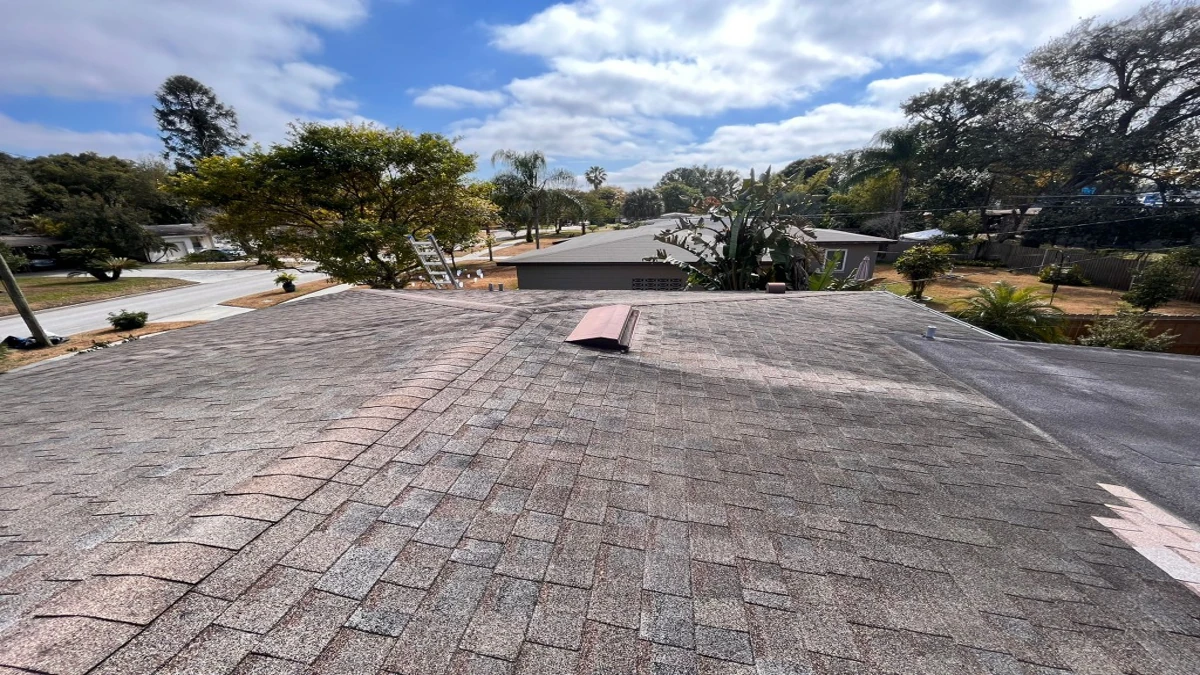


How long do roofs last in Florida is a question many homeowners ask only after the first leak, missing shingle, or insurance notice shows up. At first glance, the answer seems simple. In reality, Florida’s intense sun, high humidity, and hurricane-driven storms can shorten a roof’s lifespan by 30–40% compared to national averages, according to roofing industry studies and inspection data.
Why does this matter now? Because in Florida, roofs don’t usually fail all at once. They wear down quietly. UV radiation weakens materials year after year.
Moisture gets trapped where you can’t see it. Strong winds test fasteners and edges every storm season. Many homeowners in Central Florida only realize there’s a problem when repairs become urgent, costly, or tied to insurance requirements. Have you ever wondered why two roofs installed the same year can age so differently?
Roofing professionals see this every day. According to inspection reports across the state, most premature roof failures are linked to climate stress and delayed maintenance, not age alone.
That’s why understanding how Florida’s environment affects roof lifespan can help you make smarter decisions before small issues turn into emergencies. If you want to avoid surprises and protect your home’s value, now is the right moment to understand what your roof is really up against.
Table of Contents
Average Roof Lifespan in Florida: The Short Answer
In Florida, most residential roofs last between 12 and 25 years, depending on the material, installation quality, and how harsh the local climate is. That range is shorter than the national average. And there’s a reason for that.
According to industry inspection data and state-level roofing reports, Florida roofs can lose up to 30–40% of their expected lifespan when compared to similar roofs in milder states. Constant sun exposure, high humidity, and repeated storm cycles accelerate wear long before a roof looks “old” from the street.
So what’s the realistic expectation?
- Asphalt shingle roofs often last 12–18 years in Florida.
- Tile and metal systems can last longer, but only when the structure underneath holds up.
- Flat and low-slope roofs tend to age faster due to heat and water retention.
This is where many homeowners get caught off guard. A roof may still look fine from the driveway, yet already be near the end of its service life. Heat damage doesn’t announce itself. Moisture works quietly. Wind stress adds up season after season.
If you live in Florida, roof age alone doesn’t tell the full story. Climate does. Location does. Maintenance does. Understanding that early can save you from rushed decisions, emergency repairs, and costly surprises down the line.
How Florida’s Climate Directly Impacts Roof Lifespan
Florida’s climate is not just “hard” on roofs. It is relentless. The damage does not come from one big event. It comes from constant exposure, day after day, season after season.
Sun is the first problem. Florida receives some of the highest UV levels in the country. Over time, ultraviolet radiation dries out roofing materials, weakens protective layers, and speeds up surface breakdown. On asphalt shingles, this shows up as granule loss. On flat roofs, membranes become brittle. Even metal expands and contracts under daily heat cycles, stressing fasteners and seams.
Humidity is the second factor, and it works quietly. Warm, moist air finds its way into small gaps and shaded areas. When moisture cannot escape, it settles into the roof system. Wood components swell.
Underlayment deteriorates faster. Mold and rot become risks long before a leak is visible inside the home. This is especially common in Central Florida, where heat and humidity stay high most of the year.
Then comes storm season. High winds do not need to tear a roof off to cause damage. Repeated uplift slowly loosens shingles, tiles, and fasteners. Wind-driven rain finds weak points around flashing, vents, and edges. Flying debris adds impact damage that often goes unnoticed until the next heavy rain.
Here is the key point many homeowners miss: Florida roofs usually fail from accumulated stress, not age alone. The climate applies pressure from every angle. If the roof system is not designed, installed, and maintained with these conditions in mind, its lifespan shortens fast.
Understanding this climate impact is essential before looking at roof materials. Some systems handle heat better. Others resist wind or moisture more effectively. The next section breaks that down clearly.

How Long Do Roofs Last in Florida by Roof Type
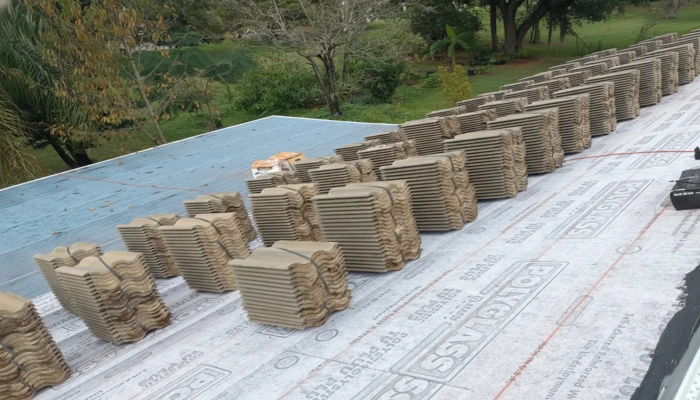
Not all roofing materials react the same way to Florida’s climate. Some handle heat better. Others struggle with moisture or wind. That’s why national lifespan estimates rarely apply here. Below is a realistic breakdown based on how each system performs under Florida conditions.
Asphalt Shingle Roof Lifespan in Florida
Asphalt shingles are the most common choice in Florida, and also the most vulnerable to climate stress. Constant heat accelerates aging. UV exposure dries out the asphalt. Over time, granules loosen and wash away, reducing protection.
In real-world Florida conditions, most asphalt shingle roofs last 12 to 18 years. Homes with poor attic ventilation or repeated storm exposure often see shorter lifespans. Wind uplift during storms also weakens shingle edges, even when no shingles are missing.
Tile Roof Lifespan in Florida (Concrete and Clay)
Tile roofs are often seen as long-lasting, and the tiles themselves can last decades. The weak point is not the tile. It is the underlayment beneath it. Florida’s heat and humidity break down underlayment faster than many homeowners expect.
Concrete and clay tile roofs typically provide 20 to 30 years of service in Florida when properly maintained. Without underlayment replacement at the right time, water intrusion becomes a real risk, even if the tiles still look intact.
Metal Roof Lifespan in Florida
Metal roofing performs well in heat and resists wind better than most systems. That makes it a strong option for Florida homes. However, expansion and contraction from daily temperature swings stress fasteners and seams.
In Florida, metal roofs often last 25 to 40 years, depending on the system design. Standing seam systems usually outperform exposed fastener roofs, especially in high-wind areas. Coastal environments require extra attention due to corrosion risk.
Flat and Low-Slope Roofs in Florida
Flat and low-slope roofs face a different challenge. Heat builds up quickly, and water does not drain as easily. Ponding water and trapped moisture shorten lifespan if not managed correctly.
TPO and modified bitumen roofs in Florida typically last 10 to 20 years. Regular inspections, proper drainage, and early repairs are critical for avoiding premature failure in these systems.
Each roof type can perform well in Florida. The difference comes down to how the material interacts with heat, moisture, and wind. Location also plays a role, which becomes clear when comparing coastal and inland areas.
Coastal Florida vs Inland Areas: Why Location Matters
Location changes everything. Two homes can have the same roof, installed in the same year, and still age at very different speeds. In Florida, the difference often comes down to where the house sits.
Coastal areas face a constant mix of wind and salt in the air. Salt particles settle on metal components, fasteners, and flashing. Over time, corrosion weakens connections and shortens the life of the roof system. Stronger and more frequent winds also place extra stress on edges, ridges, and uplift-prone zones. Even when storms do not cause visible damage, the pressure adds up.
Inland areas deal with a different kind of punishment. Central Florida, including cities like Orlando, experiences intense heat, high humidity, and frequent summer storms. Here, roofs are less exposed to salt but more exposed to daily heat cycles and moisture buildup. Materials expand during the day and contract at night. Humid air lingers in attics and roof cavities, accelerating wear from the inside out.
This is why lifespan estimates must be local. A roof near the coast may fail earlier due to corrosion and wind fatigue. A roof inland may age faster because of heat stress and trapped moisture. Neither scenario is better or worse. They are simply different.
Understanding these regional differences helps explain why Florida roof lifespan is not a fixed number. Climate sets the rules, but location decides how hard those rules are enforced.
How to Tell How Much Life Your Roof Has Left
Roof age gives a clue, but it rarely tells the full story in Florida. Climate stress changes how roofs wear, and the signs are not always obvious. Knowing what to look for can prevent late decisions and rushed repairs.
Warning Signs Florida Homeowners Can See
Some red flags show up without climbing on the roof. Inside the home, small water stains on ceilings or walls often mean moisture has already made its way through the system. Outside, missing shingles, cracked tiles, or uneven roof lines signal structural stress.
Granules in gutters are another common sign on shingle roofs. Those granules protect against heat and UV exposure. When they wash away, aging speeds up fast. On flat roofs, bubbling or soft spots usually point to trapped moisture and heat damage. If something looks “off,” it usually is. Florida’s climate does not give much grace once wear begins.
Issues That Only a Roof Inspection Can Confirm
Some of the most serious problems stay hidden. Underlayment breakdown beneath tile roofs cannot be seen from the ground. Loose fasteners, lifted flashing, and early moisture intrusion often require a trained eye to spot.
Professional inspections focus on stress points. Roof edges. Penetrations. Valleys. These areas take the most abuse from wind, heat, and rain. Catching problems here can add years to a roof’s service life. In Florida, waiting until a leak appears is rarely a smart move. By then, the roof has already been losing ground for a while.
Repair or Replace? Making the Right Choice in Florida’s Climate

This is where many Florida homeowners hesitate. Repair feels safer. Replacement feels expensive. But climate changes the math, and ignoring that can turn a small issue into a bigger problem.
Repairs make sense when damage is isolated and recent. A few lifted shingles after a storm. Flashing that loosened but has not allowed moisture inside. In these cases, fixing the problem early can slow climate-related wear and stabilize the roof.
Replacement becomes the smarter option when damage is systemic, not cosmetic. Heat fatigue across large sections. Repeated moisture intrusion. Widespread fastener failure after multiple storm seasons. Florida’s climate does not give partial failures much time before they spread.
There is also timing. A roof near the end of its expected lifespan in Florida may not respond well to repeated repairs. Each fix buys time, but heat, humidity, and wind keep applying pressure. At some point, repairs stop being protection and start becoming delay.
The safest decision weighs three things:
- The roof’s current condition, not just its age
- How Florida’s climate has stressed that specific system
- The risk of future storms hitting an already weakened structure
In Florida, the wrong choice usually costs more later. The right choice keeps control in your hands instead of forcing it during the next storm season.
How Roof Age Impacts Insurance and Inspections in Florida
Roof lifespan in Florida is not judged by homeowners alone. Insurance companies pay close attention to it, and climate plays a major role in how they assess risk.
In Florida, insurers look beyond the installation date. They focus on exposure. Heat, storms, and moisture increase the likelihood of future claims, especially as roofs age. That’s why inspections become more common once a roof reaches a certain point in its service life, even if no leaks are present.
Older roofs are not automatically a problem. Poorly documented roofs are. When insurers cannot verify condition, maintenance history, or past repairs, they often assume higher risk. This can lead to coverage limitations, higher premiums, or requests for corrective work before renewal.
Florida’s building codes also influence these evaluations. After major storms, inspectors may look for compliance with updated standards, especially around fastening, underlayment, and wind resistance. A roof that performs well structurally but lacks proper documentation can still raise concerns.
The takeaway is simple. In Florida’s climate, roof condition matters as much as age. Regular inspections, clear records, and timely maintenance help protect both the roof and the policy attached to it.
How to Extend Your Roof’s Lifespan in Florida
Florida’s climate will always test a roof. The goal is not to stop that pressure, but to manage it. Small, consistent actions make a real difference over time.
Seasonal inspections are a strong starting point. After heavy storms or long stretches of heat, checking for loose materials, damaged flashing, and clogged drainage paths helps prevent moisture from settling where it should not. On shingle roofs, catching early granule loss slows further deterioration. On flat roofs, keeping water moving is critical.
Ventilation also plays a major role. Excess heat trapped in the attic accelerates aging from below. Proper airflow reduces temperature swings and limits moisture buildup, especially during Central Florida’s long, humid summers.
Tree management is another overlooked factor. Overhanging branches scrape surfaces during wind events and drop debris that traps moisture. Trimming back vegetation reduces impact damage and allows the roof to dry faster after rain.
Preventive maintenance does more than extend lifespan. It reduces the chances of emergency situations during storm season. Roofs that are checked, cleaned, and reinforced ahead of time are far less likely to need temporary fixes when weather turns severe.
In Florida, maintenance is not optional. It is how roofs earn extra years under constant environmental stress.
Roof Lifespan Expectations in Central Florida
Central Florida sits in a unique position. It avoids constant salt exposure from the coast, but it absorbs some of the most intense heat and humidity in the state. That combination shapes how roofs age in this region.
In areas like Orlando and surrounding cities, roofs face long stretches of high temperatures, frequent summer storms, and daily heat expansion. Materials heat up fast during the day and cool quickly at night. Over time, that constant movement weakens fasteners, seals, and joints. Moist air trapped in attics adds another layer of stress from below.
Because of this, roof lifespan in Central Florida often falls in the middle of statewide estimates. Asphalt shingles may last a bit longer than on the coast, but still shorter than in cooler states. Tile and metal systems perform well here when ventilation and drainage are handled correctly. Flat roofs require close attention due to heat buildup and heavy rain cycles.
The key factor in Central Florida is consistency. Roofs that receive regular inspections and timely maintenance tend to age predictably. Roofs that are ignored often decline fast once early wear sets in.
For homeowners in this region, understanding local climate pressure helps avoid guesswork. It allows planning repairs or replacements on your terms, not in reaction to the next storm or inspection notice.
Final Thoughts: What Florida Homeowners Should Take Away
So, how long do roofs last in Florida? The honest answer is this: long enough if the roof is understood, maintained, and managed with the local climate in mind. Shorter than expected when it is not.
Florida does not give roofs a break. Heat works every day. Humidity never really leaves. Storms apply pressure year after year. Roofs here age faster not because they are poorly built, but because the environment is demanding. Ignoring that reality is where most problems begin.
The good news is that roof failure is rarely sudden. There are warning signs. There are decision points. And there is time to act before minor wear turns into urgent damage. Homeowners who stay ahead of inspections, understand how their roof type reacts to Florida weather, and address issues early avoid rushed repairs and emergency situations.
For homeowners in Central Florida, including the Orlando area, this awareness is even more important. Heat cycles and moisture buildup quietly do most of the damage. Planning around those conditions keeps control in your hands.
If you are unsure how much life your roof has left, or whether recent storms may have shortened it, now is the right time to get clarity. Protect Preserve Roofing helps homeowners assess roof condition based on actual Florida weather exposure, not guesswork.
Getting an accurate assessment today can prevent costly and unpleasant surprises tomorrow.
How long do roofs last in Florida compared to other states?
Roofs in Florida usually last less than in cooler, drier states. The combination of intense sun, high humidity, and frequent storms accelerates wear. In many cases, Florida roofs age 30–40% faster than the national average, even when well installed.
Can a roof still look good and be near the end of its lifespan?
Yes, and this is very common in Florida. Heat and moisture often damage materials beneath the surface first. A roof may look fine from the ground while underlayment, fasteners, or seals are already failing. That’s why inspections matter more than appearance.
Does living in Central Florida help roofs last longer than coastal areas?
Central Florida avoids salt corrosion, which helps. But it still faces extreme heat, humidity, and heavy summer storms. Roofs in areas like Orlando may last slightly longer than coastal roofs, but climate stress is still constant and should not be underestimated.
Is roof age the main factor insurance companies care about in Florida?
No. Age matters, but condition and exposure matter just as much. Insurers often focus on signs of wear, storm damage, and maintenance history. A well-documented roof in good condition can be treated very differently than an older roof with no records.
What is the best way to avoid emergency roof problems in Florida?
Regular inspections and preventive maintenance. Catching small issues after storms, managing heat and moisture through proper ventilation, and fixing minor damage early reduce the risk of sudden leaks and emergency repairs during storm season.

Leave a Reply