



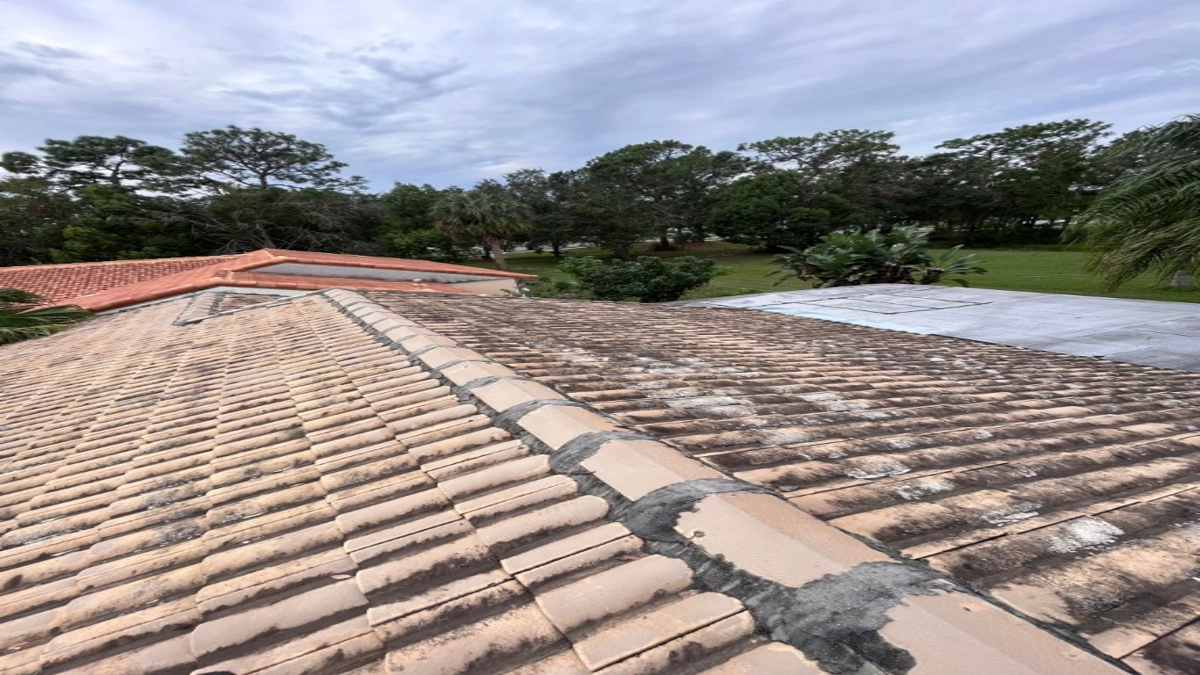


How old is my roof? If you’ve ever asked yourself this question, you’re not alone, and the answer matters more than most homeowners realize. According to industry estimates, asphalt shingle roofs are designed to last 15 to 30 years, but in places with intense heat, humidity, and frequent storms, that lifespan can shrink fast.
The problem is simple: many homeowners don’t know their roof’s real age until something goes wrong. A leak. A denied insurance claim. Or storm damage that could have been avoided.
So how can you find out how old your roof is before it becomes an expensive surprise? That’s exactly what we’ll walk through here. Not with guesswork. Not with vague advice. But with clear, proven ways to uncover your roof’s true age, even if you don’t have paperwork, permits, or records on hand. And yes, there are signs your roof may already be giving you, even if it still “looks fine” from the street.
Roofing specialists often point out that age is one of the top factors insurers and inspectors look at when assessing risk, especially in storm-prone regions like Central Florida.
Waiting too long to find answers can limit your options. Taking a few minutes now can help you plan ahead, avoid emergency repairs, and protect your home before the next storm season hits. Keep reading, you may discover your roof is telling you more than you think.
Table of Contents
Why Knowing How Old Is My Roof Matters More Than You Think
Knowing how old is my roof isn’t trivia. It’s a decision lever. Roof age influences repair options, insurance outcomes, and how your home holds up when weather turns ugly. Miss this detail, and small problems can snowball fast.
Here’s why it matters. Industry data shows asphalt shingle roofs are typically designed to last 15–30 years under ideal conditions. In hot, humid regions with frequent storms, like Central Florida, that window often narrows. Heat dries materials. Humidity traps moisture. Wind lifts edges. Time adds up quicker than most homeowners expect.
Insurance looks at age first. Adjusters and underwriters often ask for it before they review photos or estimates. Older roofs face higher deductibles, coverage limits, or extra inspections. That’s not theory, it’s how risk is assessed in practice, according to insurance and roofing professionals who review claims after storms.
There’s also the money side. On a newer roof, a minor issue can stay minor. On an older system, that same issue spreads under shingles, reaches the decking, and shows up inside your home weeks later. Think of it like worn tires on a car: they may look fine until rain hits. Then traction disappears.
One more point homeowners miss. Appearances can lie. A roof can look “okay” from the street and still be near the end of its service life. Inspectors see this every week. Materials age from the inside out, underlayment, fasteners, seals, not just what’s visible.
So if you’re asking this question now, that’s good timing. Finding out early gives you options. Waiting until damage forces the issue takes those options away.
How Old Is My Roof? Start With the Fastest and Most Reliable Checks
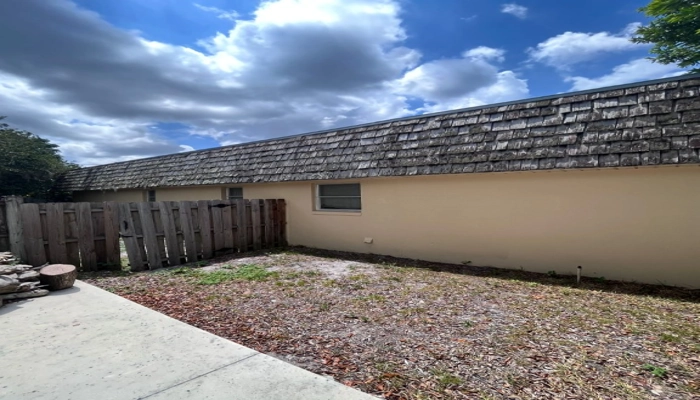
If you want a solid answer, not a guess, start with records. These checks save time, avoid risk, and usually give the clearest result. No ladders. No assumptions.
Check Building Permits and County Records First
This is often the quickest win. When a roof is replaced, a permit is typically filed with the local building department. That record can show:
- when the work was approved or completed
- whether it was a full replacement or partial repair
- which contractor pulled the permit
In Central Florida, many counties allow online searches by address. A few minutes here can answer the question outright. One caution: don’t confuse permit date with inspection date. The install date is what matters.
Why this works so well: permits are tied to real work. They’re harder to forget, lose, or misremember. Roofing professionals rely on them because they cut through noise.
Review Home Purchase and Warranty Documents
If permits come up empty, move to your paperwork.
Check:

- seller disclosures from your closing packet
- home inspection reports
- roofing warranties or invoices
Look for language like “roof replaced,” “new roof,” or “re-roof.” Dates matter, but context matters more. A warranty start date doesn’t always equal the install date. Some warranties are registered later. Others cover materials, not labor.
Here’s a common trap: assuming the home’s build year equals roof age. That’s rarely accurate, especially in storm-prone areas where roofs are replaced more often than siding or windows.
If these documents don’t give a clear answer, don’t force it. Records are powerful, but they’re not the only path forward.
How Can I Find Out How Old My Roof Is If I Don’t Have Records?
No permits. No paperwork. No clear trail. This is where many homeowners get stuck, and where guesswork usually starts. It doesn’t have to. There are still practical ways to narrow things down without relying on documents.
Contact Previous Owners or the Original Roofing Contractor
If you have a way to reach a previous owner, start there. One direct question often saves hours: When was the roof last replaced? Follow up with whether it was a full replacement or just repairs.
Contractor names sometimes appear on old invoices, inspection notes, or even attic stickers. If you find one, call. Roofing companies keep records longer than most people expect. Even a rough year helps.
What usually doesn’t work? Relying on memory alone. Dates blur. Storms blend together. That’s normal. Treat verbal info as a lead, not a final answer.
Use Manufacturer and Shingle Identification Clues
Some shingles carry manufacturer markings or codes. Inspectors know where to look. These can point to a production period, which helps estimate age.
There’s a catch. Production date isn’t install date. Shingles can sit in storage. Repairs can mix old and new materials. That’s why this method narrows a range, it rarely gives an exact year.
Think of it like reading a tire’s DOT code. Useful. Not the whole story. If you reach this stage and still feel unsure, that’s normal. Records and markings can only take you so far. The roof itself has more to say.
Visual Signs That Reveal the True Age of Your Roof
When paperwork runs out, the roof itself starts talking. Not loudly. Not all at once. But the signs are there, if you know where to look. This isn’t about guessing from the street. It’s about patterns professionals see every week during inspections.
Shingle Wear Patterns That Indicate Roof Aging
Asphalt shingles don’t fail overnight. They age in stages.
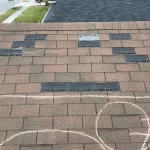
Common signs inspectors associate with older roofs include:
- Granule loss in gutters or at downspouts
- Curling or lifting edges, especially after hot seasons
- Brittleness, where shingles crack instead of flex
Here’s the key detail many homeowners miss: a few worn shingles don’t define age. Uniform wear across large sections does. That usually points to years, not months.
In Central Florida, sun exposure accelerates this process. Roof slopes that face south or west often age faster. Same roof. Different timelines.
Flashing, Valleys, and Penetrations: The Overlooked Clues
If shingles are the skin, flashing is the joints. Metal flashing around chimneys, vents, and roof valleys often reveals age sooner than shingles themselves. Look for:
- corrosion or rust
- sealant pulling away
- gaps where water can slip through
Roofing professionals pay close attention here because these areas fail first on aging systems. They expand and contract more. They handle more water. When they go, leaks follow.
Attic and Interior Warning Signs Most Homeowners Miss
Sometimes the roof tells its story from the inside.
Subtle signs include:
- darkened roof decking
- compressed or damp insulation
- faint stains that never fully dry
Important note: not every stain means “old roof.” Ventilation issues can create similar symptoms. That’s why experienced inspectors read these signs together, not in isolation. Think of it like a check engine light. One alert doesn’t explain everything, but it tells you where to look next.
At this point, many homeowners realize something important: roof age isn’t a single clue. It’s a pattern. And patterns become clearer when you understand what your roof is made of.
Roof Age by Material: What Changes Depending on Your Roof Type
Not all roofs age the same way. Two homes can be the same age, on the same street, and still have roofs in very different conditions. The difference often comes down to material.
Understanding what your roof is made of helps you interpret the signs correctly. It also prevents false assumptions that lead to bad decisions.
Asphalt Shingle Roofs: What Age Looks Like in Florida
Asphalt shingles are the most common choice in Central Florida. They’re also the most misunderstood.
There are two main types:
- 3-tab shingles, thinner and more uniform
- Architectural shingles, thicker and layered
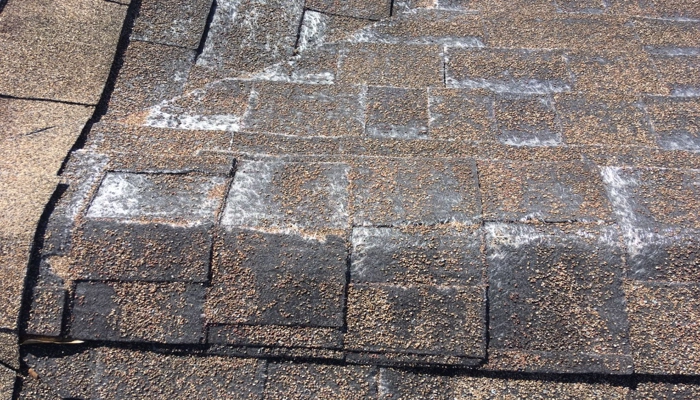
In the field, roofing specialists often see asphalt roofs show age through:
- widespread granule loss
- edge curling after years of heat exposure
- uneven wear caused by past storm repairs
Florida’s sun plays a big role here. UV exposure dries out asphalt faster, especially on slopes that get afternoon sun. That’s why two roofs installed the same year may age at different speeds.
Tile Roofs: Why They Can Look New but Be Old
Tile roofs are deceptive. Clay or concrete tiles can last decades. The problem usually isn’t the tile. What fails first is what’s underneath.
Underlayment, fasteners, and flashing age quietly. From the ground, everything looks solid. From above, tiles may still be intact. Meanwhile, water finds its way below.
Roof inspectors often say tile roofs “age in silence.” That’s why age estimates based on looks alone are unreliable here. A tile roof can appear healthy while its protective layers are nearing the end of their service life.
Metal and Flat Roofs: Different Aging Patterns to Watch
Metal roofs age through movement and exposure. Expansion and contraction loosen fasteners over time. Seams and penetrations are the first areas professionals check.
Flat roofs tell a different story. Their age shows up through:
- membrane wear
- seam separation
- ponding water patterns
These systems don’t fail loudly. They fail gradually. That makes regular evaluation critical, especially after heavy rain seasons.
The takeaway is simple. Roof age isn’t one-size-fits-all. Material changes how aging looks, where problems appear, and how soon action is needed. Knowing the material puts the clues into context, and keeps you from misreading the signs.
Can You Estimate Roof Age Without Climbing on It?
Short answer: sometimes. But only within limits. Many homeowners want to avoid ladders, and that’s smart. Falls remain one of the most common causes of home-related injuries. Roofing professionals train for this work for a reason.
From the ground, you can still gather useful clues:
- uneven shingle lines or sagging areas
- color differences that suggest older repair sections
- debris patterns near downspouts after storms
Satellite imagery can also help. Public mapping tools often show roof changes over time. A visible change in color or layout can narrow down a replacement window. That said, these methods estimate a range, not a date.
Here’s where people get tripped up. Ground-level checks can confirm that a roof is aging. They cannot confirm how far along that process is. Underlayment condition, fastener integrity, and hidden moisture don’t show from below. Think of it like judging a car’s mileage by its paint job. You’ll get clues, but not the full story.
If your estimate points to an older system, the safest move isn’t climbing higher. It’s getting clarity from someone who knows exactly where to look and how to read what they see.
When a Professional Roof Inspection Is the Only Reliable Answer
There’s a point where estimates stop being helpful. That’s when a professional inspection becomes the most reliable way to understand roof age and condition. Here’s why. Many of the components that determine age don’t sit in plain sight. Inspectors look past surface wear and focus on what actually protects the home.
What a Professional Inspection Can Confirm That You Can’t
During an inspection, trained roofers evaluate details most homeowners never see, such as:
- underlayment condition beneath shingles or tiles
- fastener wear and seal integrity
- early moisture intrusion that hasn’t surfaced indoors
These elements tell a clearer story than appearance alone. Inspectors don’t just ask “does it look old?” They ask “how is it performing?” According to roofing and insurance professionals, this level of assessment often becomes critical after strong storms or before insurance renewals. It’s also when disputes about roof age usually get resolved, with evidence, not assumptions.
When Roof Age Becomes a Safety or Insurance Concern
Age stops being just a number when risk enters the picture. Insurance reviews, storm claims, and real estate transactions often trigger closer scrutiny. In Central Florida, this tends to happen after severe weather cycles, when older roofs are more likely to fail under wind or heavy rain.
There’s also a safety angle. Aging materials don’t respond well to sudden stress. What holds during calm seasons may not hold during the next storm. Getting clarity before that moment isn’t about urgency or pressure. It’s about control. When you know where your roof stands, decisions become simpler, and far less stressful.
Roof Age, Storm Risk, and Emergency Tarping: What You Should Know
Roof age and storm damage are closely linked. Not by chance. By physics. As roofs age, materials lose flexibility and seals weaken. That’s when wind and rain stop being just weather and start becoming a problem. In inspections after storms, professionals often see the same pattern: newer roofs shed wind and water; older roofs let them in.
This is where emergency tarping enters the picture.
Older roofs are more likely to need temporary protection after storms because:
- shingles lift instead of resealing
- fasteners loosen over time
- underlayment no longer acts as a reliable barrier
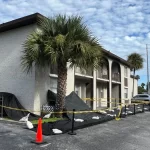
Once water gets past the surface, damage spreads fast. A tarp doesn’t fix the roof, but it buys time. It limits interior damage. It protects insulation, drywall, and framing until permanent repairs are possible. Here’s the part homeowners don’t always hear. Tarping isn’t about panic. It’s about timing.
In Central Florida, storms don’t always come one at a time. An older roof that survives the first system may not handle the second. That’s why professionals often recommend planning before storm season, not reacting after it.
Age doesn’t guarantee failure. But it raises the odds. Knowing your roof’s age helps you understand whether tarping would be a rare emergency, or a likely necessity if severe weather hits. This awareness alone can change how you prepare, what you inspect, and when you act.
Avoid These Roof Age Mistakes and Know Your Next Move
Most mistakes homeowners make when estimating roof age don’t come from neglect. They come from assumptions that seem logical, but aren’t reliable in practice.
One of the most common is trusting appearance alone. A roof can look straight, clean, and intact from the street and still be near the end of its service life. Aging usually starts in areas you don’t see first, seals, flashing, fasteners, and underlayment. That’s why inspectors rarely rely on surface looks to judge age.
Another frequent mistake is confusing repairs with replacement. Many homeowners remember work being done and assume the roof is “newer.” In reality, replacing a few shingles or fixing storm damage doesn’t reset the clock on the entire system. It only addresses one moment in its history.
There’s also the habit of treating one clue as the answer. A stain in the ceiling. A brittle shingle. A missing document. None of these alone tells the full story. Roof age is usually a range confirmed by patterns, not a single detail.
Once you have a reasonable estimate, the next step becomes clearer. Newer roofs typically benefit from simple monitoring and quick fixes after storms. Mid-life roofs often need inspections to separate cosmetic wear from real risk. Older roofs require planning. Not panic, but awareness. Older systems can still perform, but delays matter more, especially when weather turns unpredictable.
Knowing where your roof stands helps you choose the right action instead of reacting when options are limited.
Final Word: Get a Clear Answer Before the Next Problem Finds You
Asking how old is my roof is rarely about curiosity. It’s about control.
Roof age influences what can be repaired, what should be monitored, and how your home responds when conditions get rough. Waiting until water shows up inside usually means decisions are being made for you. Finding answers earlier keeps those decisions in your hands.
If you’re in Orlando or Central Florida, conditions add another layer of importance. Heat, humidity, and seasonal storms don’t leave much margin for uncertainty. Knowing your roof’s age helps you plan inspections, budget repairs, and avoid emergency situations that catch homeowners off guard every year.
A small step now can prevent a much bigger problem later.
How can I find out how old my roof is if I just bought the house?
Start with county building permits and your closing documents. If those don’t give a clear answer, visual signs and a professional roof inspection are usually the fastest way to estimate age accurately.
Can a roof look new but still be old?
Yes. Many roofs age underneath first. Underlayment, flashing, and fasteners can wear out while shingles still look fine from the street. This is common with tile and well-maintained roofs.
Does roof age affect insurance coverage in Florida?
It often does. Insurance companies commonly consider roof age when setting coverage terms, deductibles, or inspection requirements, especially after storm damage or during policy renewal.
Is it safe to estimate my roof’s age without climbing on it?
You can gather clues from the ground or records, but those methods usually give a range, not a precise answer. Climbing on a roof without training increases injury risk and can cause damage.
When should I get a professional roof inspection instead of guessing?
If records are missing, the roof appears older, or storm season is approaching, a professional inspection provides clarity. It helps confirm age, spot hidden issues, and guide next steps before problems escalate.


Leave a Reply