





How to get a blue tarp from FEMA is a question many homeowners ask after a major storm rips through their community. If your roof took damage and you’re not sure what to do next, you’re not alone. Thousands of people across the U.S. depend on FEMA’s Operation Blue Roof every year.
Let’s be honest—when you’re already stressed, navigating how to apply, who qualifies, and how long it all takes can feel overwhelming.
So here’s the deal: FEMA provides free temporary roof covering through the U.S. Army Corps of Engineers. It’s part of their disaster response plan and yes, it really helps. Still, there’s a catch: not everyone qualifies and the process isn’t always fast.
This article walks you through who qualifies, how to apply, what’s covered, what to expect during installation and when it’s smarter to go with a trusted local team like Protect Preserve Roofing.
You need answers fast and we’ll give them to you. Let’s break it down step by step and help you cover your roof the right way.
Table of Contents
What Is Operation Blue Roof and Who Manages It?
Operation Blue Roof is a government program that helps homeowners after a hurricane or severe storm. If your roof is damaged but your home is still livable, the program may provide a free temporary cover (a big blue tarp) to stop leaks and protect the inside of your house.
The goal is simple: buy you time until you can fix your roof for real. Here’s what many people miss: the U.S. Army Corps of Engineers—not FEMA—runs the program. The U.S. Army Corps of Engineers (USACE) manages the program on behalf of FEMA. That means when you apply, it’s the Army Corps who reviews your info, sends the crews and installs the tarp.
Because of that, they don’t just hand you a tarp and wish you luck. They send a team that shows up, measures your roof and installs the tarp properly. That includes sandbag anchoring and edge sealing, without nails or additional roof damage, if done correctly.
Quick facts
- Program name: Operation Blue Roof.
- Managed by: U.S. Army Corps of Engineers.
- Funded by: FEMA (Federal Emergency Management Agency).
- Purpose: Protect storm-damaged homes with free temporary roofing.
- Tarp type: UV-resistant blue plastic sheeting (polyethylene).
- States eligible: Only in federally declared disaster zones, changes by event.
How to Get a Blue Tarp from FEMA: Who Qualifies?
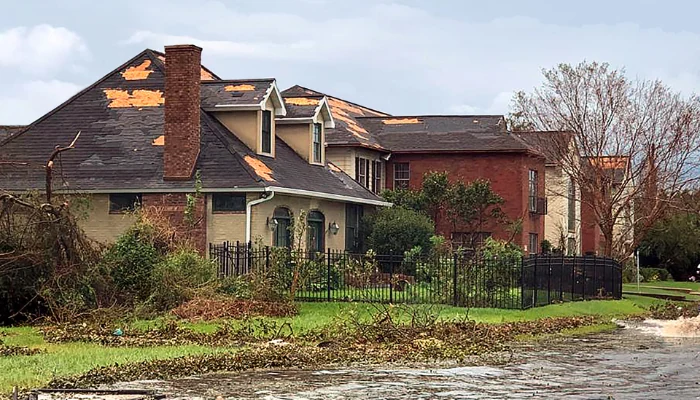
Not every house qualifies for a FEMA blue tarp. The program has specific rules and if you don’t meet the criteria, they won’t cover it. But relax, we’ll break it down like a clear checklist, straight to the point.
You may qualify if :
- Home is in a federally declared disaster zone.
- Roof has damage caused by the storm.
- House is still structurally safe to live in.
- Or someone in your household owns the property (not just renting).
- Submit your application within the deadline (usually a few days after the storm).
You’re likely not eligible if :
- Home has major structural damage or collapsed areas.
- Live in an apartment or rental property (unless the owner applies).
- Have a full insurance policy already covering temporary repairs.
- Apply too late or outside the designated zone.
Quick reminder from Protect Preserve Roofing: What does “safe to live in” mean? It means no major holes in the roof, no caved-in sections and no unsafe framing. If the roof is mostly intact but leaking or missing shingles, that’s usually okay. If part of your home is collapsing, you must repair it to a safe level before the program can help.
What you’ll need to apply:
- Name, address and contact info.
- A description of the damage.
- Proof of ownership or occupancy.
- Permission form (they won’t enter your property without it).
How to Get a Blue Tarp from FEMA: How to Apply
So your roof took a hit and you want to know how to get a blue tarp from FEMA? The good news: the process is clear. The bad news is that it’s easy to miss the deadline if you delay. Here’s how to get started, a step by step guide:
- Step 1: Confirm your area is eligible
- First, check if your county or zip code is part of a federally declared disaster zone. You can do this by visiting the official FEMA website or watching local news updates. The Operation Blue Roof program only works in specific counties approved by the government after a major storm.
- Step 2: Go to the official sign-up page
- Once your area is confirmed, go to: www.blueroof.us. This is the only official site to start your application.
- Avoid fake sites or people knocking on your door claiming to represent FEMA. If you’re unsure, call 1-888-766-3258 to confirm.
- Step 3: Fill out the right forms
- The main document you need is called the Right of Entry (ROE) form. This gives the U.S. Army Corps of Engineers permission to come onto your property and install the tarp.
- You’ll need to provide as well: your full name and phone number; property address; proof that you own or live in the home and a basic description of the roof damage.
- You can complete this form online or at a local Blue Roof sign-up center if available in your area.
- Step 4: Wait for inspection and installation
- After applying, your home will be added to the list for inspection and installation. This might take a few days, depending on demand. While you wait, don’t climb on your roof or attempt your own tarp install unless you have professional help.
- Step 5: Keep communication open
- FEMA or the Army Corps may call you to confirm info or schedule the visit. If they can’t reach you, you might lose your spot in line. Always pick up calls from unknown numbers during this period.
Quick reminder: Protect Preserve Roofing offers safe, fast tarp installation using the correct methods (no nails, roof damage and no insurance headaches). If you’re not sure FEMA will get there fast enough, we’ve got your back.
How Long Does It Take and What Does the Blue Tarp Cover?
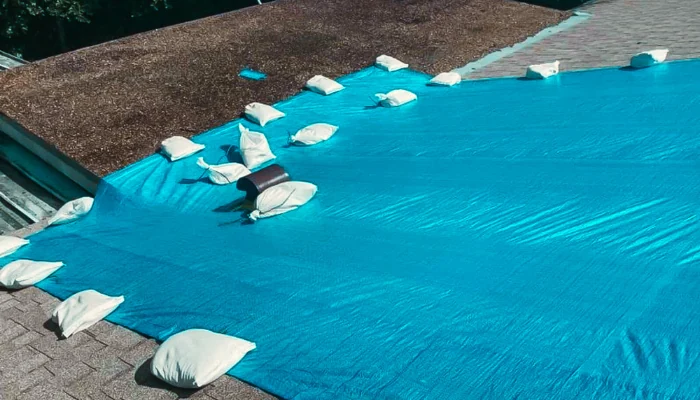
When you apply for a FEMA blue tarp, one of the first questions that hits is: how long until it’s on my roof? And the second is: will it actually protect my house, or just cover a hole?
Well, the answer is: depends, mainly on how many homes are ahead of yours and how soon you applied after the disaster. Here’s the typical timeline:
- Day 1–3: FEMA and USACE assess the disaster zone and open the program.
- Day 3–10: Installations begin for early applicants.
- Day 10–21: High demand causes delays, especially in large counties.
- After 3 weeks: Response slows down as program phases out.
Quick reminder: If you’re applying late, or there’s a backlog, you could be looking at a 2–3 week wait, sometimes longer. During that time, your home stays exposed, that’s why many homeowners call Protect Preserve Roofing to get immediate protection in the meantime.
What does the blue tarp actually cover?
Operation Blue Roof provides blue tarps specifically to cover damaged parts of your roof and keep water out, nothing more. This means that the operation includes:
- Covers up to half of your roof surface, depending on damage.
- Anchored with sandbags and straps.
- Installed by USACE contractors using UV-resistant polyethylene.
- Lasts for 30 days or more, depending on conditions.
But it doesn’t:

- Fix leaks inside your attic.
- Cover full roof replacements.
- Include gutters, siding, or broken windows.
- Stop heat buildup under the tarp.
Don’t forget: If your damage is more severe than FEMA can cover or if you need full protection right away, the blue tarp won’t be enough. In these cases, you’ll need fast, professional help with stronger materials, larger coverage and proper sealing techniques. That’s where Protect Preserve Roofing steps in.
The Limitations of FEMA’s Blue Roof Program
FEMA’s Blue Roof program helps a lot of people. However, it’s far from perfect. If you’re expecting full coverage, fast results and long-term protection, you may end up frustrated. Let’s look at what it can’t do and why that matters.
1. You might wait too long
After a major storm, tens of thousands of people apply at once. Installations happen in waves and crews often work from sunrise to sunset, but there’s only so much they can do.
That means you might have to wait one, two – maybe even three weeks – before someone installs your tarp. In the meantime, your roof stays exposed and every day without protection increases your risk of:
- Water damage.
- Mold growth.
- Insurance complications.
2. Coverage is limited
The tarp only covers damaged roof areas, not the whole roof, the broken gutters, not even the soffits or windows.
So if you have multiple leaks, widespread shingle loss and flashing or vent damage… FEMA might not cover it all. You also won’t get upgrades or extra protection. It’s temporary, minimal and designed for basic waterproofing, nothing more.
3. No repairs
The crews won’t fix anything under the tarp. They won’t remove debris, patch wood or inspect the attic and if the tarp comes loose? Even if you didn’t install the tarp yourself, you still need to keep it in place.
4. If your roof is too damaged
FEMA’s guidelines are clear: your home must be safe to enter and live in. That means no caved-in areas, sagging framing and active collapse zones. If your roof is in rough shape, FEMA might say no, even if you really need help.
5. Reapplication isn’t always possible
Once you apply and someone installs the tarp, the program won’t let you apply again, even if wind rips it off or it fails later. There are no second chances here, if it fails, you’re on your own.
Pro tip: If rain’s coming, waiting on a slow-moving process can cost you way more than just time. That’s why many homeowners call Protect Preserve Roofing right after the storm, even before FEMA is fully active. We respond fast and install professional-grade tarps, using the right method (without damaging your roof or slowing your insurance process).
FEMA Blue Roof vs. Professional Blue Tarp Installation
Both options use a blue tarp. Therefore, how it’s installed, what it protects and how long it lasts… that’s where the real difference shows. If you’ve ever wondered “Why pay for a tarp if FEMA offers it free?”, here’s the answer:
| Feature | FEMA Blue Roof | Professional Tarp (Protect Preserve Roofing) |
|---|---|---|
| Cost | Free (if eligible) | $800–$1,600 (based on size, pitch, and damage) |
| Response Time | 3–21 days (or more) | 1–2 days (often same-day service) |
| Installation Method | Standard wrap with sandbags | Custom-fitted, sealed, anchored (no nails) |
| Coverage Area | Damaged roof sections only | Full or partial roof — based on actual needs |
| Durability | 15–30 days (depending on weather) | 30–60 days+ (with inspection and reinforcement) |
| Materials Used | UV-treated plastic | Commercial-grade, heat-resistant tarp |
| Repairs or Patching Included | No | Minor prep included (like debris clearing, sealing) |
| Customer Service | Government contact center | Local, fast-response team |
What does that mean for you?
- FEMA is a temporary solution, not a complete fix.
- If your roof needs full protection, fast, or if you’re outside eligibility zones, FEMA won’t be enough.
- And even if you qualify, waiting weeks with no cover can lead to serious water damage.
Why homeowners choose professional help?
You don’t just get a tarp, you get peace of mind:
- Fast installation.
- No damage to shingles.
- Clear communication.
- Full explanation of what’s covered.
- Real humans you can reach, not just forms and hotlines.
Don’t forget: Protect Preserve Roofing handles everything from inspection to full tarp coverage with no shortcuts and we’ve helped hundreds of homeowners while FEMA was still setting up their tents.
Conclusion: How Protect Preserve Roofing Helps Homeowners Faster
FEMA’s Blue Roof program is a helpful resource if your home qualifies, you apply in time and you can wait. However, when a storm tears open your roof, “if” isn’t good enough. You need cover now, not in 3 weeks.
That’s where Protect Preserve Roofing steps in. We don’t send paperwork, we send people. With us you have:
- Same-day response in most areas we serve.
- Tarp installation done without nails or screws.
- Trained crews who inspect your roof and explain the damage.
- High-grade blue tarps that hold up in heat, wind, and rain.
- Respect for your home, your safety and your time.
If your roof is exposed and you can’t afford to wait, call us right now or schedule a free visit to your roof. If you’ve already encountered a problem and need to check repair costs, click here and find out quickly.
Let’s get your roof covered before the next drop falls.



Leave a Reply