



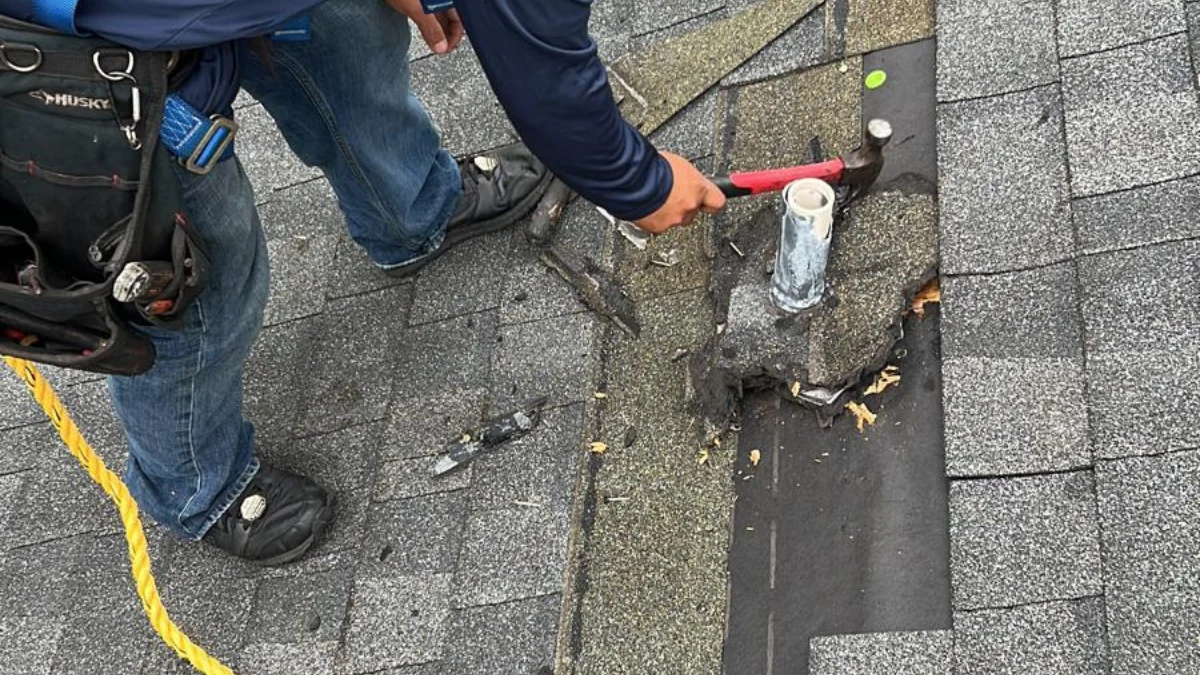


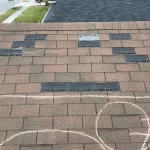
Repair missing shingles on roof might seem like a minor fix, but even a single missing shingle can expose your home to costly water damage, mold growth and structural issues. If you’ve recently looked up and noticed a patch where your shingles used to be, you’re not alone and yes, it’s something you need to handle sooner rather than later.
That’s why we created this guide, it’s precisely for homeowners like you, especially if you live in Orlando or anywhere in Central Florida, where strong winds and sudden storms frequently blow off roof shingles.
You’ll learn exactly how to identify missing shingles, how to repair them safely (or know when not to), what it really costs and what to do next, even if you’re not ready to climb a ladder today.
Thousands of Florida homeowners face this issue every year and the good news is the solution might be easier, faster and more affordable than you think.
If you’re ready to protect your roof, your home and your peace of mind, keep reading.
Table of contents
What Causes Roof Shingles to Go Missing?
Shingles don’t just disappear on a sunny afternoon. When they go missing, it’s a sign that something bigger is at play, usually weather, age or installation issues.
If you’ve ever spotted a bare patch on your roof after a storm, you’re not alone. It’s one of the most common roofing problems homeowners in Central Florida face. Let’s break down the usual suspects behind missing shingles.
Wind and storm damage
Florida weather doesn’t play nice. Strong wind gusts can lift shingles and rip them off completely. According to the Florida Climate Center, wind speeds in Central Florida often exceed 50–60 mph during storms, which is enough to compromise even a relatively new roof.
- Missing shingles often start at the roof’s edges or peaks, where uplift pressure is strongest.
- Storm-driven rain can seep underneath loosened shingles before they’re torn away, causing hidden damage.
Quick tip: After any major storm, walk around your property (safely from the ground) and look for any visible patches, debris or lifting edges.
Old or worn-out roofing materials
Every roof has a life expectancy. Asphalt shingles, the most common in Florida homes, typically last 15–25 years, depending on quality and exposure. As they age, shingles become brittle, curl at the edges or lose granules, making it easier for them to detach under minor stress.
Think of it like trying to pull tape off a surface after 10 years, it crumbles. That’s your aging shingle.
Improper installation
Yes, bad installations happen, and they don’t always show problems right away. Shingles nailed too high, too few nails per tab or poor sealing all leave your roof vulnerable.
- A shingle must be nailed in the correct zone and with enough fasteners.
- If the seal strip doesn’t bond properly (especially if installed in cool or humid weather), the wind can get underneath and pry it off.
Red flag: If multiple shingles are missing after a mild storm, poor installation could be the culprit.
Roof traffic and structural interference
Walking on your roof might seem harmless, but excessive foot traffic – from satellite installations, solar panel setups, or inspections – can weaken shingles. Even animals like raccoons or birds dislodging edges over time can lead to loss.
Poor roof ventilation and moisture issues
If your attic doesn’t breathe properly, heat and moisture can build up beneath the roof decking. This softens adhesive bonds and warps the roof structure, creating just enough lift for shingles to break away during a typical Florida storm.
Quick reminder: Protect Preserve Roofing helps homeowners across Central Florida identify the cause, not just patch the symptom. By understanding why the shingle failed, we help prevent it from happening again.
How to Repair Missing Shingles on Roof Safely
Repairing missing shingles might seem like a simple task: grab a ladder, nail a new one in, and call it a day, right? Not exactly. Even one wrong move can lead to leaks, injury or worse, a denied insurance claim.

That’s why safety and precision matter just as much as speed. If you’re considering repairing yourself, or just want to understand what goes into a proper fix, keep reading.
Should you repair it yourself or call a pro?
Ask yourself three quick questions:
- Is the damaged area easily accessible?
- Do you have roofing experience or the right tools?
- Is the pitch (slope) of your roof low and safe?
If you answered “no” to any of these, it’s best to call in professionals, especially if you’re dealing with storm damage. Remember: falling off a roof isn’t worth saving a few bucks.
In Central Florida, many insurance companies require repairs to be done by licensed contractors. Doing it wrong might risk your coverage.
Tools and materials you’ll need
If you’re tackling a small repair, gather these:
- Replacement shingles (same size and style).
- Roofing nails (galvanized).
- Pry bar or flat crowbar.
- Roofing sealant or adhesive.
- Ladder with stabilizer.
- Safety harness (yes, seriously).
Be careful: Do not use household glue or duct tape. It might hold… for a day. Maybe.
Safe shingle repair process
- Step 1: Access safely: Secure your ladder. Use a harness if you’re going onto the roof. Avoid working alone.
- Step 2: Loosen the shingles above: Use a pry bar to carefully lift the shingles above the missing one. You need access to the nailing strip.
- Step 3: Remove leftover nails or tabs: Take out any remaining nails or broken pieces from the damaged area. Clean the space.
- Step 4: Insert the new shingle: Slide the replacement shingle into position, lining it up with those around it.
- Step 5: Nail it down properly: Use galvanized roofing nails in the correct nailing zone, not too high, not too low. Secure them, but not too tight.
- Step 6: Seal the tabs: Use roofing sealant to glue down the tabs and prevent wind from lifting them.
And always remember:
- Avoid working on the roof during wet or windy weather.
- Never install a tarp using nails or screws directly into the roof unless it’s a last resort and only if the slope is dangerously steep or the roof is already beyond saving. Doing so could cause more damage and void your insurance coverage.
In 90% of cases, sandbags and weighted anchors are enough to secure a tarp temporarily.
Quick reminder from Protect Preserve Roofing: We’ve seen it all, that’s why we don’t just patch holes. We investigate, document and provide carrier-formatted reports that align with Florida insurance requirements.
Step-by-Step: Repair Missing Shingles on Roof Like A Pro
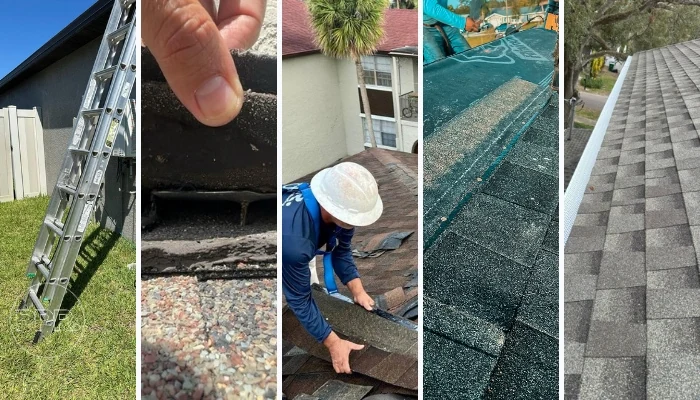
You don’t need to be a contractor to understand how the repair works, but you do need to follow the right steps if you want the fix to last and avoid extra damage. Here’s a clear breakdown:
- Prep the area and tools: Confirm the damaged shingle’s location from the ground, then use a ladder with stabilizer and wear non-slip shoes. Get your tools: pry bar, roofing nails, matching shingles, roofing adhesive, gloves.
- If you’re not 100% sure about what you’re doing, stop here and call a professional. A bad DIY repair can end up on your insurance adjuster’s list of “what not to do.”
- Lift the shingles above: Slide the pry bar gently under the shingle above the missing one, then lift it just enough to expose the nails holding the broken shingle in place. Don’t force it, shingles can crack if they’re brittle from sun exposure.
- Remove leftover nails and shingle fragments: Pull out the nails holding the damaged shingle and clean the area underneath – no debris, no torn paper, no loose granules.
- Insert the new shingle: Slide the replacement into the exact spot of the old one and make sure it lines up with the surrounding shingles, same exposure length, same angle. If it looks slightly “off,” it probably is. Misaligned shingles won’t shed water correctly.
- Nail it down in the right spot: Drive galvanized roofing nails just below the adhesive strip. Two nails on each side, evenly spaced, is standard.
- Avoid overdriving the nails. You want the nail flush, not digging into the surface.
- Seal and press: Add roofing sealant under the tabs of the shingle and press down firmly so it bonds with the ones below it. This step matters more than people think. Without proper sealant, the shingle is vulnerable to lift-off.
Pro tip from Protect Preserve Roofing: You need to avoid:
- Using the wrong nails: Regular nails rust. Use roofing-grade nails.
- Skipping the sealant: Shingle tabs must be glued down for wind resistance.
- Mismatching shingles: Don’t mix brands or types. Insurance might deny future claims.
Cost to Repair Missing Roof Shingles in Florida
Fixing missing shingles in Florida isn’t one-size-fits-all. Prices vary depending on the size of the damage, roof design, and whether you’re dealing with a storm emergency or a small patch job.
The table below gives you a clear picture of what to expect, whether you’re handling a few missing tabs or calling for urgent tarp installation after a hurricane:
| Service Type | Estimated Cost | When This Applies | Notes |
| Minor Shingle Repair | $250 – $450 | 1–3 missing shingles, no leaks, single-story roof | Usually done same-day. Best if caught early. |
| Moderate Shingle Repair | $450 – $850 | 4–10 missing shingles, minor leaks, some decking exposure | May involve sealing underlayment or reinforcing nearby shingles. |
| Emergency Roof Tarp | $800 – $1,600 | Severe storm damage, exposed wood, active leaks | Pricing depends on roof pitch, height and damage area. |
| Tarp Installed with Sandbags | Included in tarp pricing | Most residential roofs | Preferred by insurers. Prevents more damage. |
| Tarp Installed with Nails/Screws | Not recommended | Only in extreme cases (steep pitch or complete failure) | Can void insurance coverage or worsen damage. |
| Insurance Coverage (Repair/Tarp) | Varies | Covered event + homeowner acted quickly to prevent further damage | Keep all photos, receipts, and inspection reports. |
| Denied Coverage Risk | High if delayed response | Homeowners wait too long, or damage gets worse before action | Insurers may refuse claims if water enters due to inaction. |
Important considerations for Florida homeowners
- Tarp pricing is based on:
- Size of damaged area.
- Roof pitch (steep = more risk + cost).
- Height and access complexity.
- Protect Preserve Roofing always uses non-invasive tarp methods first:
- Weighted sandbags.
- Secure straps.
- Never nails or screws unless necessary.
- Insurance won’t always pay for damage caused by delays. Acting fast shows responsibility and that’s what adjusters want to see.
How Long Can You Wait to Repair Missing Shingles?
Short answer: not long at all. Even one missing shingle can expose your roof to water intrusion, wood rot and mold.
It’s tempting to wait a week or two. Maybe you’ve been busy. Maybe life is busy. However, every day you wait increases the risk of serious damage, especially if you skip temporary protection like a tarp. Here’s what happens when you delay:
| Time After Damage | What Can Happen | What It Costs You |
| Day 1–3 | Moisture starts penetrating underlayment. | Risk of soft spots in the roof deck. |
| Week 1 | Heavy rain can soak roof decking and attic insulation. | Minor leaks have become a major water issue. |
| Week 2–3 | Mold may begin to grow, especially in humid homes. | Potential indoor air quality concerns. |
| Week 4+ | Wood rot, structural damage, and ceiling stains. | Full roof replacement may be required. Insurance might deny delayed claims. |
Florida weather doesn’t wait
Central Florida averages over 50 inches of rain per year, with surprise showers, humidity spikes and hurricane season every summer. Even if the forecast looks dry, one popup storm can expose your home within minutes if shingles are missing.
That’s why many insurance policies in Florida require “reasonable steps to mitigate damage,” meaning you can’t just leave your roof open.
So, if you don’t act quickly, your insurance may reject the claim, arguing you failed to protect the property.
How to buy time (safely)
If you can’t get full repairs done right away, installing a professional emergency tarp is your best move.
- Do not nail or screw the tarp into the roof deck unless there is no other option.
- Use weighted sandbags or gutter-secured systems.
- Take photos of the damage and your tarp setup — this is crucial for your insurance documentation.
Don’t forget: Protect Preserve Roofing provides insurance-compliant tarp installation, with fast response across Central Florida. We aim to tarp active leaks in under two hours after your call.
When to Call a Professional for Roof Repair
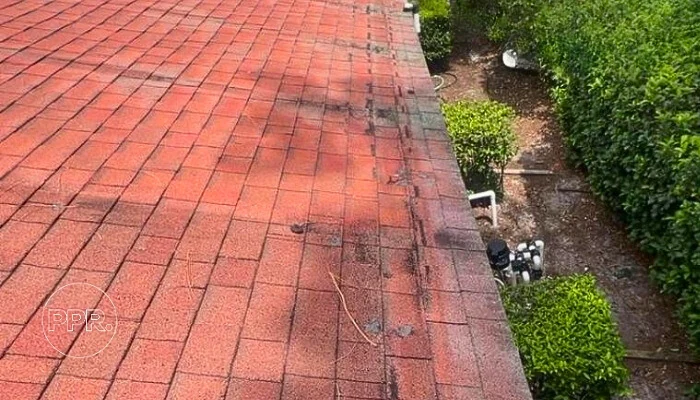
Some roofing issues are simple. A single tab out of place, a loose nail, things a confident DIYer might handle. Therefore, when shingles start going missing, especially after a storm, it’s not just a quick fix. It’s a risk. And most of the time, the smartest move is calling in a licensed roofing professional.
Here’s how to know when it’s time to stop watching YouTube tutorials and pick up the phone:
| Sign | Why You Need A Pro |
| Multiple shingles are missing | May indicate widespread damage or poor installation. |
| You see exposed decking or felt | High risk of leaks and water intrusion. |
| Roof has steep pitch or 2+ stories | Increases the chance of injury without proper safety gear. |
| You hear dripping or see stains | Already a leak. Needs fast inspection and documentation. |
| The home is insured | Most policies expect certified, documented repairs. |
What pros bring to the table
At Protect Preserve Roofing, we do more than patch holes. We:
- Perform full inspections of surrounding materials, not just the visible damage.
- Provide detailed photo documentation to meet Florida insurance standards.
- Offer licensed and insured service, with warranties on all repairs and replacements.
- Understand how to work within the strict rules of insurance carriers without jeopardizing your coverage.
And yes, we show up fast. We don’t book you three weeks out and “circle back.”
Why DIY repairs can backfire
Many homeowners think: “It’s just a couple of shingles.” But small mistakes can lead to:
- Improper sealing – shingles that blow off again in the next storm.
- Insurance denials – unlicensed work can make the carrier walk away.
- Leaks that spread slowly – causing mold, rot, and ceiling stains over time.
Fixing it twice costs more than fixing it right the first time.
Preventing Future Shingle Damage
Replacing missing shingles is one thing. Stopping the problem from coming back – that’s where the real savings are. In Florida, where strong winds and heavy rain are part of life, prevention isn’t optional, it’s essential. Here’s what every homeowner should do to reduce the chances of losing shingles again:
- Schedule routine roof inspections: One full inspection per year and one inspection after any major storm (even if you don’t see visible damage).
- Choose impact-resistant or wind-rated shingles: Not all shingles are created equal. In Florida, you need materials that can stand up to 60+ mph wind gusts and tropical rain. If you’re replacing your roof or upgrading materials:
- Ask about Class 4 impact-resistant shingles.
- Look for high wind ratings (130+ mph tested).
- Make sure installation follows Florida Building Code wind uplift requirements.
- Trim nearby trees and remove overhanging branches: Keep trees trimmed back at least 6–10 feet from the roofline when possible.
- Clean gutters and downspouts regularly: Clean gutters at least twice per year (more during fall or rainy season), install gutter guards if debris is a recurring problem and check for signs of sagging or overflow after storms.
- Address ventilation and moisture problems: Poor attic ventilation creates heat and humidity build up beneath your roof. That weakens adhesives and causes shingles to warp or curl. Fixing ventilation may not seem urgent, but it protects your roof from the inside out.
Quick reminder: Protect Preserve Roofing offers storm-readiness inspections, roof upgrade consultations and preventive maintenance packages for homeowners across Central Florida. We don’t just fix what’s broken, we help you avoid needing us again too soon.
Conclusion: Live in Orlando or Central Florida? We’ve Got You Covered
Now that you know how and when to repair a missing shingle, it’s time to remember that you don’t have to do it alone.
With Protect Preserve Roofing, we don’t just show up. We show up prepared. Our team is fully licensed in Florida, trained in emergency response and trusted by national and regional insurance carriers as an approved vendor.
If your roof is missing shingles, leaking after a storm or needs professional tarping, here’s what we guarantee:
- Fast response — We aim for emergency tarp installations in under 2 hours.
- Insurance-ready documentation — Estimates, photos, reports and forms tailored to your carrier.
- Repairs done right — Built to meet or exceed Florida Building Code.
- Personal service — From first inspection to final cleanup, we treat your home like our own.
So if you’re staring at shingles on the lawn or worse, water stains on your ceiling, don’t wait. Contact us to:
- Schedule a clear, honest, and free roof assessment.
- Call us directly, we actually pick up the phone.
- Get an instant roof estimate.
Let’s fix the damage before it spreads and give you peace of mind that your roof (and insurance) is in good hands.
How do I know if missing shingles need emergency repair?
If you see missing shingles, exposed roof decking, or signs of water leaking inside your home, it’s an emergency. In Florida’s weather, even a small opening can lead to interior damage fast. Don’t wait — get a tarp or professional inspection right away.
Can I wait a few days before fixing my roof?
We don’t recommend it. Florida’s storms are unpredictable. Waiting even a few days increases your risk of leaks, mold, and structural damage — and your insurance may not cover damage caused by delay.
How much does it cost to repair missing shingles?
Basic repairs range from $250 to $850 depending on the number of shingles and roof complexity. If a tarp is needed, expect $800 to $1,600 based on roof pitch, access, and damage severity.
Will my insurance cover missing shingles?
If the shingles were lost due to wind or storm damage, and you acted quickly to prevent further loss (like installing a tarp), then most policies will cover repairs. Always keep receipts and take photos as proof.


Leave a Reply