



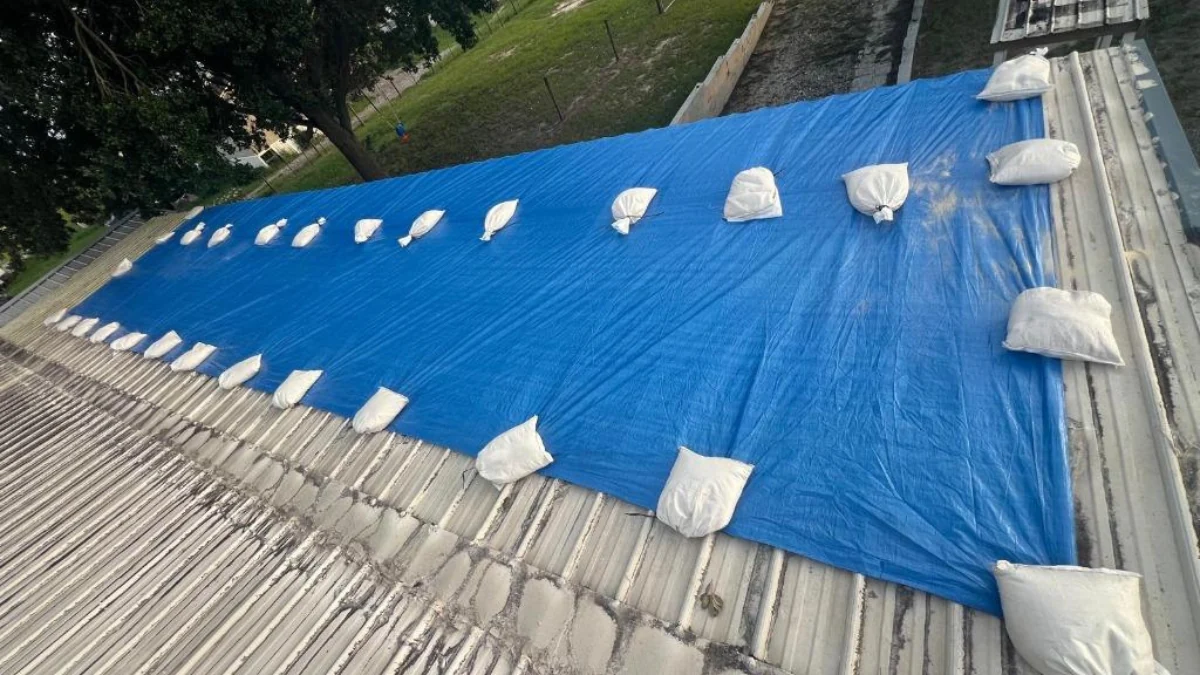


Roof water leakage solutions can seem like a mystery until you’re staring at a wet ceiling and a growing stain. Ever been caught off guard by a drip that turns into a disaster overnight? You’re not alone.
According to FEMA, even a minor roof leak can cause over $2,000 in damage in less than a week and that’s just from moisture exposure, not counting mold or electrical risks. In other words, this is no time to procrastinate.
However, most people either patch things the wrong way or wait too long for a fix. Others rush to slap on a tarp and end up with more problems. That’s why knowing what works, what doesn’t and how to act right now is essential.
In this guide, you’ll find real solutions used by pros, short-term fixes that buy you time and clear signs it’s time to call in experts like Protect Preserve Roofing, trusted for safe, fast tarp installations.
Let’s walk through the smart path to stop your roof leak before it becomes a nightmare.
What Causes Roof Water Leakage in the First Place?
Roof water leakage doesn’t just happen out of nowhere. Something always triggers it and most of the time? It starts small. Tiny problems snowball fast when ignored, especially here in Florida, where rain shows up without much warning. Let’s break down the usual suspects:
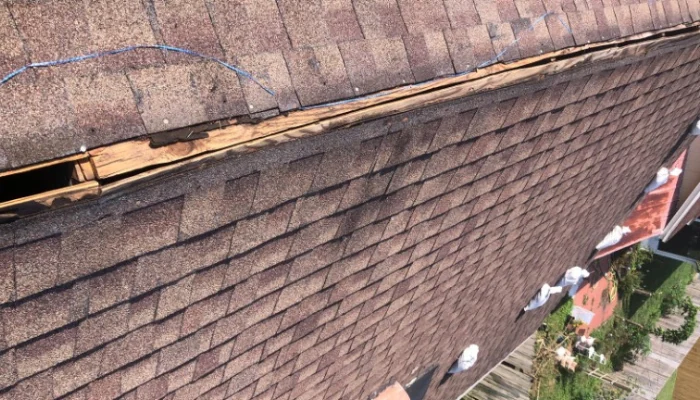
- Cracked or missing shingles: Over time, shingles crack, curl or blow away with strong winds. When that happens, the protective layer of your roof gets exposed. One storm later and you’ve got a soggy attic.
- Poor roof installation: Not every roofer plays by the rules. Bad sealing, misaligned flashing or cutting corners during installation often leads to trouble.
- Clogged gutters: If your gutters are packed with leaves and gunk, the water starts to pool on the roof. Eventually, it finds a way inside and usually through seams or soft spots.
- Flashing damage: Flashing is the thin metal you see around vents, chimneys or valleys in your roof. If it rusts or lifts, water slips underneath like a thief in the night.
- Roof age: Most asphalt shingles are good for 20–25 years. After that, even the best-maintained roof starts showing its age with leaks, cracks and soft spots.
- Heavy storms & hurricanes: High winds, flying debris and pounding rain all put extra pressure on your roof’s integrity. One bad storm can turn a minor flaw into a full-blown leak.
- Poor ventilation: Without proper airflow in your attic, heat and moisture build up under the roof. That leads to condensation, mold and leakage.
Quick reminder from Protect Preserve Roofing: Understanding the root cause is step one to fixing the problem right. Throwing a tarp on a roof might seem like the quick fix, but if you don’t know what caused the leak, it’s like putting duct tape on a dam.
How to Spot Water Leakage from Roof or Ceiling
The trick is always to catch the signs before the damage spreads, and your wallet takes a hit. Here’s how to spot roof or ceiling water leakage early, even if it hasn’t turned into a waterfall yet:
- Water stains or brown spots on the ceiling: If you see a brown, circular stain that looks like your ceiling got coffee-dripped on, that’s likely water creeping in from above. It often shows up in corners or near vents.
- Bubbling or peeling paint: When moisture builds up behind paint or drywall, it creates air pockets. You might see blistering or peeling especially near the top of your walls.
- Musty odors: Mold loves wet insulation and drywall. A musty scent often means moisture is already lingering in your roof system.
- Mold or mildew growth: Once you see black or green spots forming on your ceiling or near air vents, things are already escalating. Mold isn’t just a surface problem, it means water has been present for a while.
- Dripping or visible water: Place a bucket to contain the water you see dripping inside, but don’t stop there. A tarp or professional repair is your next step.
- Sagging ceiling panels: When drywall gets saturated, it loses structure. If your ceiling starts to look like it’s waving or drooping in sections, water has been sitting there too long.
- Wet insulation in the attic: If the insulation feels soggy or clumps together, you likely have a leak. Dry insulation should feel light and fluffy, like a fresh pillow, not a wet sponge.
Most roof leak disasters start with a tiny warning. Spotting these signs early means you can take action before things spiral and the faster you act, the more money you save (and the safer your home stays).
Best Roof Water Leakage Solutions
Let’s get real. Not every roof leak is the same and the fix shouldn’t be either. Whether you’re facing a tiny drip or a full-blown waterfall from your ceiling, there’s a specific solution that works best for each situation. That’s why you need to match the repair method to the damage type.
Below, we break down the smartest roof water leakage solutions for each kind of problem.
Minor surface cracks or worn sealant
Symptoms: Small stains, light seepage after heavy rain.
Best Solution:
- Apply waterproof sealant or elastomeric coating.
- Re-caulk flashing and vents where gaps form.
- If it’s on a flat roof, use cold-applied rubberized sealers.
Pro tip: These fixes are fast, affordable, and often prevent a major repair later.
Loose or broken shingles
Symptoms: Visible gaps on the roof, water entering attic.
Best Solution:
- Replace damaged shingles and underlayment.
- Reinforce surrounding area with roof cement.
Don’t forget: Don’t delay here. Missing shingles expose the felt and decking underneath.
Leaking through roof valleys
Symptoms: Water runs down where two roof slopes meet.
Best Solution:
- Reinstall valley flashing.
- Seal edges with high-grade roof cement.
- Use waterproof membrane as added layer.
Roof flashing failures
Symptoms: Leaks near chimneys, skylights, or vents.
Best Solution:

- Remove and replace damaged flashing.
- Apply a watertight silicone-based sealant.
Damaged roof deck or structural rot
Symptoms: Sagging, spongy feel when walking on roof, mold in attic.
Best Solution:
- Remove affected sections.
- Replace rotted wood.
- Install proper sheathing, underlayment, and shingles.
Attention: This is no DIY job. Call a pro immediately.
Temporary leaks during storms
Symptoms: Water dripping during active rainfall.
Best Solution:
- Cover the area with a professionally installed tarp (no nails or screws).
- Secure with sandbags or wood boards.
- Protect Preserve Roofing responds in under 1 hour in most areas of Florida.
Ceiling water leaks (interior signs)
Symptoms: Stains, bubbles, or cracks on your ceiling.
Best Solution:
- Locate and fix the roof issue first.
- Dry and treat the ceiling to prevent mold.
- Repaint or replace drywall as needed.
Temporary Fixes and Permanent Roof Leakage Repair
When water starts dripping from your ceiling, you don’t have time to sit and think Here’s a clear breakdown of what works right now and what will actually fix the problem for good.
Temporary fixes to stop the leak fast
These quick actions buy you time, but don’t let them sit too long:
- Use a tarp: Lay a waterproof tarp over the leaking area, secure it with sandbags or weighted boards and never use nails or screws (that makes things worse and voids insurance in most cases). For steep or high-pitched roofs, call a professional
- Catch water inside your home: Place a bucket or large container under the drip, lay down towels to prevent floor damage and if the ceiling bulges, poke a small hole to release water buildup, carefully.
- Apply roofing tape or sealant: Use self-adhesive waterproof tape or rubberized spray. Only do this if you can safely reach the area without climbing on a wet roof.
Permanent roof water leakage solutions
Once the storm has passed, here’s how you fix the root of the problem.
- Replace damaged shingles or tiles: One missing shingle? Swap it out. If multiple areas are affected, you may need a section rebuilt.
- Repair or replace flashing: flashing protects joints and edges around vents, skylights and chimneys. If it’s rusted, lifted or loose, it’s got to go.
- Fix cracks in roof cement or sealant: old cement dries out and cracks over time. Remove the old layer and apply new weatherproof sealant.
- Install waterproof membrane: A layer of rubberized membrane acts as a full roof shield. Ideal for flat roofs, commercial buildings or older homes.
- Replace rotten roof decking: If leaks went unnoticed, the wood underneath might be rotted. A proper repair includes removing damaged decking, replacing underlayment or installing new shingles or tiles.
Quick reminder from Protect Preserve Roofing: We install professional-grade tarps without nails or screws, avoiding extra damage and keeping your insurance safe. If your roof needs permanent repair, our experts inspect, estimate and restore it with zero headaches.
Solutions for Leaks in Clay or Concrete Tiles
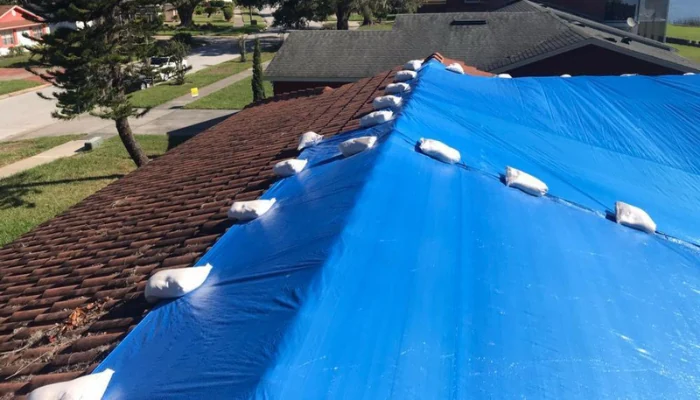
Clay and concrete roof tiles are durable and can last decades. Therefore, they’re not immune to water intrusion. When leaks appear, the key is to act quickly and smartly. Let’s walk through how to tackle those pesky drips.
Spot the source
Before reaching for the toolbox, inspect carefully for:
- Cracked or shifted tiles (often due to impact or freeze-thaw cycles).
- Gaps along ridge caps or flashing areas.
- Broken or deteriorated mortar between tiles.
- Clogged or misaligned gutters and valleys causing water backup.
Important note: Walking on tile roofs is risky. Use a roof ladder or hire a pro (tiles can crack easily underfoot).
Temporary leak control
Need a quick fix before a storm hits? These can help in the short term:
- Roofing tape or sealant strips: Useful around flashings or minor gaps. Make sure the surface is dry and clean before application.
- Spray or brush-on sealants: These fill small cracks in concrete tiles or sealing around nail holes. Not a cure-all, but useful until permanent repairs can be done.
Permanent solutions for tile roof leaks
Once the weather clears, consider these more lasting repairs:
- Replace broken tiles: No patch will hold on a shattered tile. Remove and swap with a matching tile, taking care not to disturb the surrounding ones.
- Re-bed and re-point ridge tiles: If mortar is failing, reapplying it prevents wind-driven rain from seeping in.
- Install underlayment or flashing upgrades: If leaks persist, the issue might be below the surface. Reinforcing the waterproof underlayment or updating flashing around vents and chimneys can make a big difference.
- Consider tile roof coating: For aging concrete tiles, a breathable, waterproof coating can extend lifespan and seal micro-cracks.
Ceiling Water Leakage Solution
Noticed a water ring on your ceiling? Or maybe a slow drip that seems to come from nowhere? You’re not alone, ceiling leaks are one of the most common signs of roof problems. Let’s cut straight to what works and how to keep that drip from turning into a downpour.
Find the real cause
Ceiling leaks aren’t always about what’s right above the wet spot. Water travels, it might enter through the roof 5 feet away and pool before dripping down. Here’s what usually causes it:
- Roof leak (missing shingles, cracked flashing, tarp damage).
- Condensation from poor attic ventilation.
- Broken or overflowing gutters.
- Plumbing leak in pipes above the ceiling.
Pro tip: If the water shows up only when it rains, odds are it’s your roof. If it leaks 24/7, suspect plumbing.
Ceiling water leakage solutions
Once you know what’s behind the leak, it’s time to act. Here’s how to fix it depending on the source:
- Roof-related leaks: Apply a temporary tarp or sealant until a roofer arrives, replace damaged shingles or flashing, clean clogged gutters and extend downspouts away from the house and hire a pro to assess attic ventilation and insulation.
- Condensation problems: Add attic ventilation (ridge vents, soffit vents), install vapor barriers if lacking and run a dehumidifier during humid months.
- Plumbing leaks: Shut off the water supply, call a licensed plumber to locate and repair the pipe and remove the affected ceiling section if saturated to prevent mold.
What to do immediately
Until help arrives, here’s how to reduce damage fast:
- Poke a small hole where the ceiling bulges, these releases trapped water and prevents a collapse.
- Place a bucket underneath to catch drips.
- Move furniture away from the area.
- Cut off electricity in the affected zone if water is near wiring.
Quick reminder: Ceiling leaks may look small, but they’re sneaky. What you patch today could grow mold tomorrow. That’s why you need a pro that doesn’t just patch, like Protect Preserve Roofing. We investigate the source, fix it and restore the area with safety in mind.
How to Prevent Roof Water Leakage During Rainy Seasons
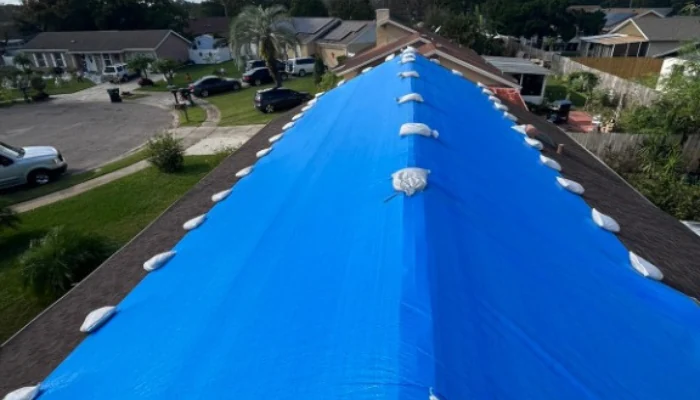
Roof water leakage during rainy seasons is common, but it’s avoidable with smart maintenance and some easy checks. Let’s break down how you can stay dry
- Inspect before it rains: Check for missing or cracked shingles, flashing around vents, chimneys and skylights; inspect attic for water stains or mold smell, examine gutter flow during a hose test to spot clogs or overflows and check the inside of your ceiling for small brownish rings.
- Keep gutters and downspouts clean: Clean the gutters every 2–3 months (or more if you have trees nearby), make sure downspouts extend at least 3 feet from your house and add gutter guards if debris is a constant problem.
- Seal and repair early: Preventive repairs are cheaper, faster and less stressful. Seal or fix loose or lifted shingles, cracks in cement roofing sheets, worn rubber boots around vent pipes and gaps in flashing or caulking.
- Upgrade your ventilation: Bad attic ventilation leads to trapped moisture and trapped moisture leads to mold, rot and structural damage. You need to install or unblock soffit and ridge vents, use attic fans or solar-powered roof fans to push out humidity and insulate properly to avoid warm air meeting cool surfaces.
- Consider a professional tarp installation: If your roof is already vulnerable or damaged, a tarp can buy you time if it’s done right.
Pro tip from Protect Preserve Roofing: Don’t delay small repairs, ignore bubbling paint or ceiling rings, use duct tape or plastic sheets or trust luck to get you through hurricane season. Be proactive to be safe.
Roof Water Leakage Solutions: Cost
If your roof is leaking, one of your first questions probably is: “How much is this going to cost me?” Here’s the short answer: it depends on the damage, the roof type and how fast you act. Therefore, don’t worry, we’ll break it all down:
| Type of Repair | Description | Estimated Cost |
| Minor Roof Leak Repair | Small issues like cracked shingles or flashing leaks. Quick fixes. | $150 – $400 |
| – Common on asphalt shingle roofs | ||
| – Usually fixed same-day | ||
| – Doesn’t worsen if fixed early | ||
| Moderate Roof Leak Repair | Missing shingles, small underlayment holes, minor rot. | $400 – $1,000 |
| – More labor/materials | ||
| – Often includes patching & sealing | ||
| – Still classified as a repair | ||
| Major Roof Leak / Structural Damage | Water has reached attic, framing, insulation. | $1,200 – $3,500+ |
| – May require replacing insulation, decking, drywall | ||
| – Could involve mold remediation | ||
| – Often results from long delay | ||
| Emergency Roof Tarp Installation | Temporary solution to stop active leaks. | $800 – $1,600 |
| (Protect Preserve Roofing) | – Depends on roof pitch, height, access, weather, square footage | |
| – No nails used (unless pitch is too steep) | ||
| – Preserves insurance coverage |
Cost by roof material
| Roof Material | Average Repair Cost |
| Asphalt Shingles | $150 – $700 |
| Cement Roofing Sheets | $500 – $1,500 |
| Flat Roofs (EPDM/TPO) | $300 – $1,000 |
| Tile or Slate Roofs | $750 – $2,500 |
| Metal Roofing | $400 – $1,800 |
Hidden costs to watch out for
| Repair Item | Estimated Cost |
| Ceiling Drywall Repair | $200 – $600 |
| Insulation Replacement | $150 – $400 |
| Mold Treatment | $500 – $3,000 |
Quick reminder from Protect Preserve Roofing: These additional costs go up the longer you wait. Quick action saves money.
Conclusion: Roof Water Leakage Solutions with Protect Preserve Roofing
When water starts dripping from your ceiling, it’s not just a leak, it’s a warning. Every hour you wait can mean more soaked insulation, warped beams and mold hiding behind walls. However, here’s the good news: you don’t have to face it alone.
At Protect Preserve Roofing, we don’t just install tarps, we protect homes, reduce stress and give you clear answers when you need them most. Here’s what makes our team different:
- Emergency response under 1 hour in most Florida areas.
- No nails or screws unless absolutely necessary, so your roof and insurance coverage stay safe.
- Photo documentation for your insurance claim.
- Transparent pricing from $800 to $1,600 depending on your roof’s pitch, access and damage.
- Friendly service by real people who treat your home like it’s their own.
You’ve already done the smart thing by looking for real roof water leakage solutions. Now it’s time to take action. Call us now, we done the job right the first time safely, professionally and with zero shortcuts, you also can schedule a free visit for your roof or get a quick estimate on the price.
You don’t need to climb on the roof, guess or wait. Let us take it from here.
FAQ: Roof Water Leakage Solutions
– Brown stains or bubbles on the ceiling
– Peeling paint
– Dripping sounds after rain
– Moldy smells or visible mold
– Light coming through attic boards
Don’t wait — even a slow leak can do a lot of damage in just days.


Leave a Reply