





What are blue tarps made of? Well, blue tarps may all look alike, but not all of them are built the same. The truth is, the material inside can be the difference between keeping your home dry and ending up with a soaked ceiling
Manufacturers make most blue tarps from woven polyethylene, a plastic that looks tough until the Florida sun puts it to the test. That’s because non-UV-treated tarps start breaking down in as little as 30 days under direct sunlight. And even a small weakness in the material can turn into a major leak.
Thousands of homeowners use these tarps every year. Some people choose the right tarp, while others learn the hard way that manufacturers don’t make all tarps with the same quality. You don’t want to guess when your roof’s exposed.
So, in this guide, we’ll break down what’s inside a blue tarp, what makes one last longer and how to choose the kind that won’t let you down when you need it most. Stick around, Protect Preserve Roofing will show you what to check and what to avoid before it fails.
Table of Contents
What Are Blue Tarps Made Of Exactly?
Manufacturers make blue tarps from a plastic called polyethylene, the same base material used in many everyday products like grocery bags and packaging. However, a tarp-grade polyethylene isn’t just any plastic. It goes through a process that turns it into something tougher, weather-resistant and (hopefully) ready for the roof.
So, what’s really inside that blue sheet you’re stretching across your home? Picture this:
- Inside: woven strips of polyethylene fibers, creating a grid-like base (think of a strong plastic net).
- Outside: laminated layers of polyethylene film on both sides to seal it all up and add durability.
This combo makes the tarp water-resistant and lightweight, perfect for quick installs. But not all blue tarps are equal. Manufacturers often use recycled or lower-grade plastic to make the cheaper ones. Manufacturers build the better tarps with virgin polyethylene and reinforce them with tighter weaves and thicker coatings.
Now, here’s where most people get it wrong. Just because it’s blue doesn’t mean it’s strong. The color is cosmetic, not a performance guarantee and that bright blue shade you see on every roof in Florida after a storm? That’s tradition, not science.
Quick breakdown
- Core: Woven polyethylene (for strength);
- Coating: Laminated plastic (for water resistance);
- Edges: Often reinforced with rope or extra stitching (good ones are);
- Grommets: Aluminum or plastic rings for tying it down. Quality matters here too.
Virgin vs Recycled Poly: Does It Really Matter?
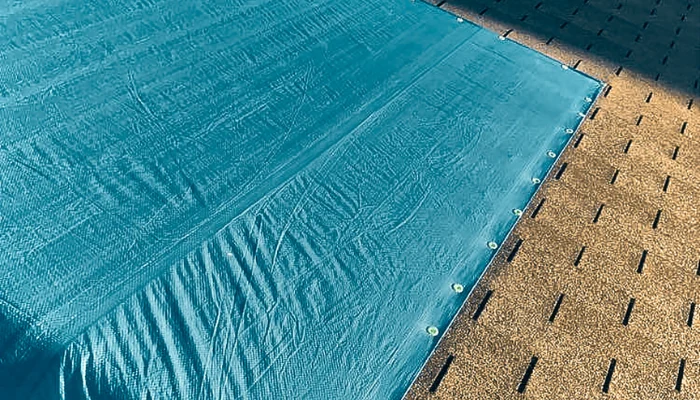
Short answer? Yes. Big time. If you laid out a tarp during a storm and it shredded like wet paper a week later, the manufacturer probably used recycled poly to make it.
What’s the difference?
| Feature | Virgin Polyethylene Tarps | Recycled Polyethylene Tarps |
|---|---|---|
| Strength | Higher tensile strength | Weaker, tears more easily |
| UV Resistance | Better when UV-treated | Rarely UV-treated |
| Consistency | Uniform weave and thickness | Inconsistent layers |
| Durability | Can last months under tough weather | May break down in weeks |
| Water Resistance | Excellent seal | Can delaminate or seep faster |
Virgin poly tarps are made from new, unused plastic resin. That means no impurities, no unpredictable weak spots and better fusion between layers.
Recycled poly, on the other hand, is made from melted-down plastic waste. That saves on costs, but it compromises everything else. Heat resistance? Lower. Stretching under tension? Likely. UV exposure? Good luck!
UV-Treated or Not? The Difference You Can’t See
You can’t tell just by looking. Many blue tarps look the same on the shelf. Shiny, clean, neatly folded. So unless you read the fine print, you won’t know if the manufacturer actually UV-treated that tarp and if they didn’t, your roof could pay the price. Florida’s sun will eat through it faster than your sunscreen on a beach day.
So what is UV-treatment anyway?
During manufacturing, producers add UV inhibitors to polyethylene as part of the UV treatment process. These chemical additives help:
- Block harmful UV rays.
- Prevent brittleness and cracking.
- Extend the lifespan of the tarp.
Without it, a tarp exposed to sunlight all day will start to break down, even if it’s just sitting there, doing “nothing.”
Why it matters for roof protection?
Florida sunlight isn’t just strong, it’s relentless. A non-UV-treated tarp can degrade in just 7 to 14 days under direct sun. That means:
- Pinholes start to appear.
- The coating peels.
- Water starts to seep.
- Your emergency cover becomes an emergency itself.
Don’t assume blue means UV-proof
Just because a tarp is blue doesn’t mean the manufacturer built it for sun exposure. Always look for one of these signs:
- “UV-resistant” or “UV-treated” on the label.
- Indication of outdoor durability (usually in months).
- Warranty that covers sun damage
Quick reminder from Protect Preserve Roofing: Too many homeowners trust the color, then end up with roof leaks and warped wood underneath. That’s why we only use UV-treated tarps tested, certified and proven to stand up to Florida’s climate.
What Are Blue Tarps Made Of: Internal Structure
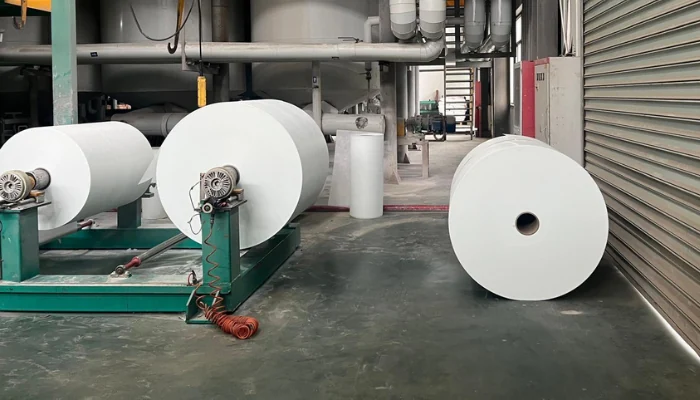
Manufacturers don’t build all tarps the same way. They usually use woven polyethylene to make blue tarps for roofs—but how they layer and structure those materials can determine whether the tarp holds for months or tears apart in the middle of a storm.
So, what’s inside a tarp?
Think of a quality blue tarp like a sandwich:
- Top layer: Laminated polyethylene (weather protection).
- Middle core: Woven polyethylene (strength).
- Bottom layer: Laminated polyethylene (waterproof seal).
This 3-layer system creates durability, flexibility, and resistance against tearing.
However, there’s a catch. Some low-end tarps skip steps. They use a weaker mesh weave, cut corners on lamination and don’t seal edges correctly. That leads to fast UV breakdown, edge fraying and water seepage during heavy rain.
Florida roof test
Under Florida’s blazing sun and brutal humidity, weak internal bonding fails quickly. The layers separate, the tarp curls and water finds its way in. So, you need a tarp with:
- Tightly woven core fibers.
- Heat-fused lamination.
- Edge-sealed hems and reinforced grommets.
Pro tip from Protect Preserve Roofing: If you’re trusting a blue tarp to protect your home, don’t just look at the surface. Ask about what’s underneath because that’s where the real protection lives.
Blue Tarps in Emergencies: Why They’re Popular and When They Fail
When storms hit, homeowners grab what’s fast, cheap and available. That’s where blue tarps come in. They’re the go-to solution for emergency roof coverage and for good reason.
Why blue tarps are so popular?
When your ceiling’s leaking and the rain won’t stop, grabbing a blue tarp can feel like the smartest move in the world because it’s:
- Easy to find: Big-box stores always have them in stock.
- Affordable: Basic poly tarps cost less than $50 at checkout.
- Lightweight: One person can drag it onto the roof without help.
- Fast install: With ropes or sandbags, you can secure it in minutes.
Furthermore, blue tarps can fail. Different emergencies demand different levels of protection—and many tarps just aren’t built to handle the toughest ones. Blue tarps can fail when:
- They’re not UV-treated and degrade under strong sun in just days.
- They’re too thin letting rain pool or punch through with wind pressure.
- They’re nailed into shingles which damages the roof and voids insurance claims.
- They’re loosely secured blowing off mid-storm, causing more water damage.
And let’s not forget that in Florida, where hurricane season brings harsh sun and heavy rain, most blue tarps don’t stand a chance unless they’re thick (10 mil or more), UV-resistant and properly installed without roof damage.
So, don’t use just any tarp. Choose emergency covers that pass high-heat tests, resist storm wind pressure and stay securely in place once installed.
Little tip from Protect Preserve Roofing: If you’re using a blue tarp for more than 72 hours, treat it like a temporary shield, not a permanent fix. It buys you time, but only if it holds.
Florida Heat vs Blue Plastic Tarp: Real Risks on Your Roof
A blue tarp might seem tough, but Florida’s heat has other plans. The sun here isn’t just hot, it’s brutal and when you throw in humidity, UV radiation and rooftop surface temps reaching over 160°F, most cheap tarps start to fall apart fast.
What really happens under Florida sun?
Here’s what we see every summer:
- Plastic melts into the shingles: On black asphalt roofs, blue plastic can literally soften and stick, especially if it’s a thin, non-UV-treated tarp. Try removing that without peeling off shingle granules.
- Tarp fibers shrink and curl: Heat breaks down the lamination, especially in tarps made from recycled poly. That curling at the edges? It’s the tarp failing slowly and quietly.
- UV exposure cracks the surface: After just a few weeks, sunlight makes the surface brittle. Then the first gust of wind or heavy rain splits the tarp right down the middle.
- Mold and moisture build up: Florida isn’t just hot, it’s humid. When the tarp doesn’t breathe or seal tightly, it traps moisture underneath. That creates the perfect environment for mold, rot and roof deck damage.
What makes it worse?
- Tarps below 8 mil thickness.
- No UV coating or additive layer.
- Tarps left up longer than 30 days without inspection.
- Tarps nailed directly into the roof, causing hot spots and leaks.
Tested (and approved) tarps on Florida roofs:
- Are UV-treated and reinforced.
- Resist shrinkage at high temps.
- Don’t melt, tear, or fray in 30+ days of direct sun.
- Are installed without damaging your roof. No nails unless absolutely required.
Pro tip from Protect Preserve Roofing: Florida sun can turn a quick fix into a bigger problem. If your blue tarp can’t handle real heat, it doesn’t protect your roof, it puts it at risk. If you have any doubts, call the professionals, like us.
Material Comparison Table: What Are Blue Tarps Made Of?
When it comes to roof protection in Florida, choosing the right tarp isn’t about color. It’s about performance and here’s a no-fluff breakdown of the most common types:
| Tarp Type | Material | UV Protection | Lifespan on Roof (FL) | Best For |
|---|---|---|---|---|
| Standard Blue Tarp | Recycled polyethylene | No | 3 to 7 days | Short-term emergency patch |
| UV-Treated Blue Tarp | Virgin polyethylene | Yes | 15 to 30 days | Temporary cover after storm |
| Heavy-Duty Silver/White | Laminated poly + mesh | Yes (enhanced) | 30 to 60+ days | Extended protection with better heat deflection |
| Canvas (Green/Tan) | Waxed cotton | Partial | 5 to 15 days | Dry shade or light-duty use only |
Key takeaways:
- Standard blue tarps are cheap and easy to find, but Florida heat eats through them fast.
- UV-treated tarps last longer and resist cracking. They’re what Protect Preserve Roofing uses in all emergency installs.
- Silver/white tarps offer more heat resistance and strength, but they’re heavier and harder to install quickly.
- Canvas tarps don’t cut it for roof protection. They’re breathable, not waterproof.
Quick reminder from Protect Preserve Roofing: If your tarp isn’t UV-treated or starts bubbling after a few sunny days, it’s not protecting anything. That’s why you need a tarp designed to hold up, not fold up.
How Tarp Composition Impacts Insurance and Home Safety
Not all blue tarps are the same and your insurance company knows that. When a storm hits and you need to protect your roof fast, the tarp you choose can either help your claim or hurt it.
So, you have to keep in mind that:
- Recycled plastic tarps can tear easily, pool water, and melt in Florida heat. If they rip and let water in, the insurance company might say you didn’t do enough to protect your property.
- Thin, untreated tarps don’t block UV rays. That means faster breakdown, more heat transfer and a roof that stays wet, not safe.
- Non-breathable, laminated tarps seal tight, resist sun damage and don’t require nails. So they keep you covered and your policy intact.
Why it matters for home safety:
- Loose tarps in high winds can blow off and injure someone.
- Improper installs with screws or nails might damage shingles and void warranty coverage.
- Water leaks under failing tarps can lead to mold and mold is rarely covered by insurance.
The bottom line? A strong tarp isn’t just a barrier. It’s part of your insurance strategy and your safety plan. That’s why you need to use UV-treated tarps, weighted anchoring (not nails) and do a fast installation that meets both roofing standards and claim requirements.
Storage and Handling: How to Make Your Tarp Last Longer
You don’t want to spend money on a tarp just to find it crumbling when you need it most. A quality tarp can last, but only if you treat it right. Here’s how to keep your tarp ready for the next emergency:
- Clean it before storing
- After use, rinse off any dirt, leaves or roofing grit. Let it dry completely. Storing a wet tarp is like trapping a swamp in your garage — it’ll mold, stink, and break down faster.
- Fold, don’t roll, and avoid sharp creases
- Rolling may seem easier, but folding protects the layers better. Avoid folding it the same way every time, deep creases weaken the plastic over time.
- Use a dry, shaded spot
- Don’t toss your tarp in the shed next to the mower. Store it off the ground, away from direct sunlight and heat. Florida garages get hot and UV damage happens even through windows.
- Keep it in a bag or bin
- Use a plastic container with a lid or even a canvas storage bag. That keeps out rodents, bugs and moisture (the triple threat to your tarp’s lifespan).
- Label your tarp
- If you have more than one, label them. Identify which tarp is UV-treated, which one has been used, and which one is ready to go.
Bonus tip from Protect Preserve Roofing: Don’t reuse a damaged tarp for your roof. A small rip today could be a full-blown leak tomorrow. If your tarp is worn, repurpose it as a ground cover or use it for yard projects, don’t rely on it for storm protection.
Conclusion: What Are Blue Tarps Made Of – Final Thoughts
A blue tarp might seem simple. However, when your roof is leaking and time is running out, the wrong one can cost you more than just repairs.
Buying the cheapest tarp off the shelf or reusing one that’s been sitting in the shed for years might save a few bucks now, but it can lead to denied insurance claims, mold, and water damage and faster roof deterioration. And no one wants to explain to their insurer why a flimsy tarp failed right when it mattered most.
At Protect Preserve Roofing, we don’t guess. We use UV-treated tarps, don’t nail them down unless absolutely necessary and we respond fast, with materials built to hold under Florida’s brutal sun, wind and rain.
So, need expert help now or want to be ready before the next storm hits? Call Protect Preserve Roofing because one good tarp can save your roof, your wallet and your peace of mind. You can also get a quick estimate of the cost of repairs to your roof or schedule a visit.
And don’t forget: you protect your home. We protect your cover.

Leave a Reply