



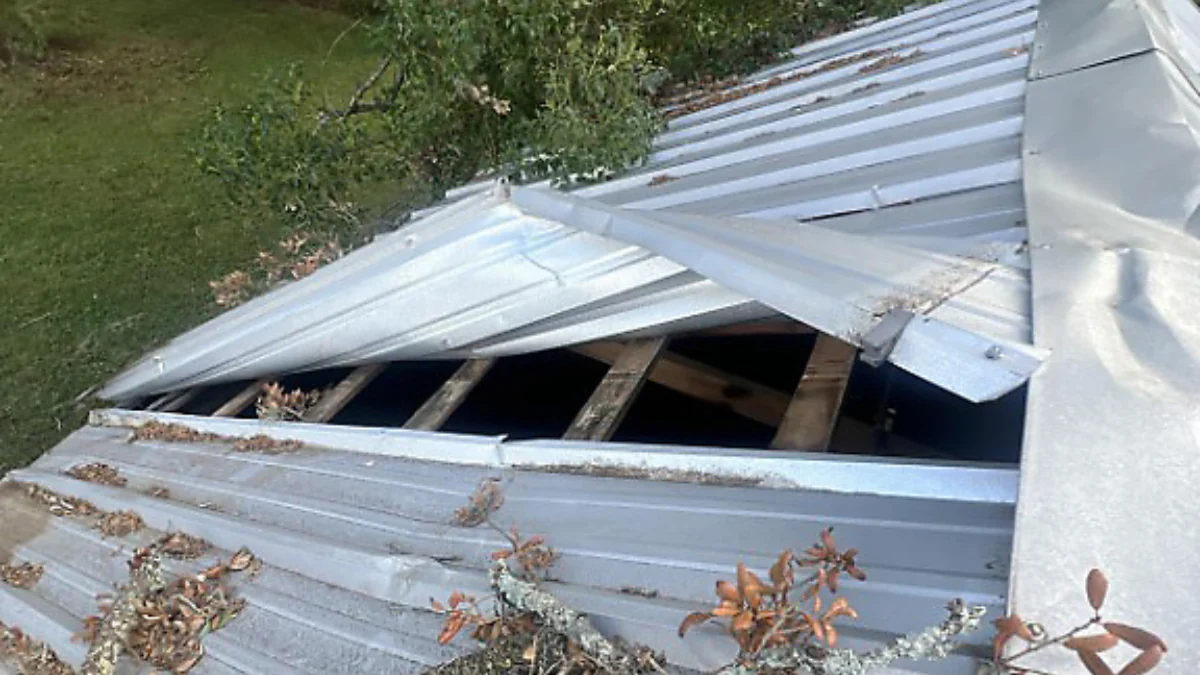


What do I do if I have a roof emergency for my home today? If that question just crossed your mind, you’re not alone and yes, timing matters. One storm, fallen branch or leak spreading through your ceiling overnight and suddenly, you’re scrambling to protect your family, your belongings and your peace of mind.
How you respond in the first 30 minutes can make or break your outcome. That’s why in this guide we’ll walk you through how to identify if your roof situation qualifies as a true emergency, what you should, how to protect your home without risking injury and why thousands of Florida homeowners trust Protect Preserve Roofing when the rain starts coming in.
So, let’s get started because when water’s falling from the ceiling, the last thing you want is to feel helpless.
Table of contents
Recognizing a Roofing Emergency
Knowing the difference can save you time, money and a lot of stress. So, what exactly counts as a roofing emergency? Let us explain:
- Water entering the home during a storm: Water entering the home poses a direct risk to ceilings, insulation, wiring and your foundation. Even small leaks can cause mold within 24–48 hours. If it’s raining inside your home, your roof needs help.
- Part of the roof is missing or caved in: Strong winds or falling trees can tear off entire sections of roofing material. When that happens, your home is exposed not just to water, but to pests and structural damage. It’s an urgent call.
- Sagging roof or visible drooping: A sagging area on your roof might seem harmless, but it often means structural failure beneath the surface. Wet wood, overloaded rafters or trapped water can lead to collapse.
- Fire or hail damage: After a house fire, even if it’s small, the roof may be unstable. And a cracked shingles and compromised underlayment can let water in fast. You need to check your roof.
- Storm debris or a tree on the roof: If a branch or an entire tree has landed on your home, it’s an emergency situation. Beyond the visible damage, there may be pressure on the structure, leading to hidden cracks or collapse risks.
- Leaks near electrical fixtures: If water is dripping near ceiling lights, outlets or fans, it’s a fire risk. Electricity and water don’t mix and the damage could affect more than the drywall. Shut off power to affected areas and call for help.
What Do I Do If I Have a Roof Emergency for My Home (Step-by-Step)
You’ve just discovered a serious roof problem. Maybe it’s water pouring in during a storm or a tree limb is sitting where your shingles used to be. Your heart’s racing and you’re asking, “What do I do now?”. Breathe. Then follow these steps in this exact order:
1. Get everyone inside to a safe space
If part of the roof collapsed or a branch has crashed through, your first move is to protect people, not property. Stay out of any rooms where the roof looks weak, sagging or open to the sky. If you hear creaking or see cracks growing, get out of that room fast.
2. Stop the water without risking yourself
Don’t climb on the roof or lean out a window with a tarp. It’s not worth the fall, especially in wet or windy conditions. Instead:
- Place buckets or bins under active leaks.
- Move electronics and valuables away from the water.
- Lay down towels or plastic to protect floors.
If the rain is light and you’re comfortable going to the attic, a plastic sheet or container under the leak can help minimize the spread.
3. Call a professional immediately
This is where time matters. Protect Preserve Roofing provides emergency response across Florida, and we don’t make you wait days for help. We dispatch fast, assess the situation and give you a clear plan within hours. If it’s outside business hours? Still call. Our on-call team can schedule tarp installation or emergency repair the same day in many cases.
4. Avoid nail-in tarp mistakes
We get it, you want to stop the rain. However, do not nail or screw a tarp into your roof. That might seem like a fix, but it could:
- Void your insurance coverage.
- Cause more damage to the structure.
- Lead to denied claims due to “unapproved mitigation”.
You need to install tarps the correct way, using sandbags or safe securing methods that don’t damage your home. Only in very rare situations, such as steep pitches or collapsed sections, should nailing be considered. And even then, let professionals handle it.
5. Document the damage with photos
Before anything gets fixed, take clear pictures of:
- The interior damage (ceilings, walls, floors).
- The exterior roof (from ground level if possible).
- Any debris (trees, broken tiles, torn gutters).
Save receipts, call logs, and messages from roofers and insurers. You’ll need this to:
- File your insurance claim.
- Prove immediate action.
- Track the cost of emergency services.
6. File your insurance claim (if applicable)
Now that the roof is covered and safe, call your insurance company. Explain the situation clearly and provide your photos. And just because water came in doesn’t mean the insurer has to pay for the roof repair. In many cases, they’ll cover interior damage, not the roof itself.
Pro tip from Protect Preserve Roofing: In an emergency, the worst thing to do is wait. Acting fast, with the right steps, can save you thousands and protect your claim.
Emergency Roof Repair Options
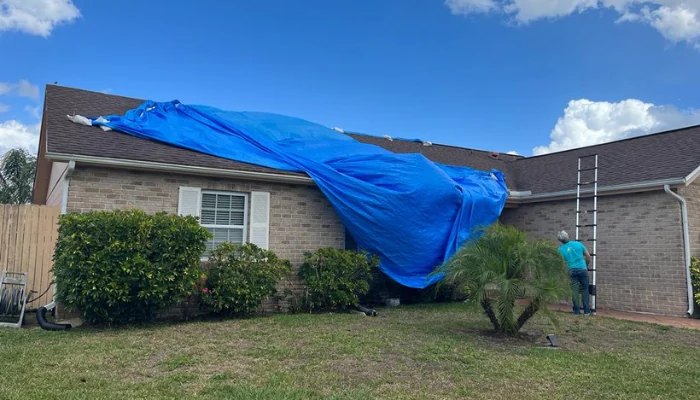
You’ve secured your home, called for help and taken photos. Now comes the big question: what do I do if I have a roof emergency for my home? Here’s a breakdown of real-world solutions that work.
Tarp installation
In most cases, the first thing you will do is cover the damaged area with a heavy-duty tarp. This buys time, stops further damage and protects the interior while you plan the full repair.

However, there’s a catch: the tarp must be installed correctly. No nails, screws or duct tape. Using any method that penetrates the shingles can void insurance coverage and make your situation worse.
Quick reminder: Protect Preserve Roofing uses safe, approved tarp systems with sandbags and weighted edges. No holes or risks.
Emergency shingle patching
If the damage is localized – maybe a few shingles flew off during a storm – you may temporarily patch it with roofing cement and replacement shingles. This fix can last a few weeks or months, depending on weather.
But remember, this is a bandaid, not a cure. It’s useful for keeping the water out until you’re ready for a full section replacement.
Flashing and vent cover seals
Sometimes the problem isn’t the shingles, it’s the flashing around chimneys, skylights or vents. If these areas were torn, you may need to install new flashing, sealant or custom-fit covers to stop leaks right away. These fast repairs help prevent future mold, which often starts near these joints.
Debris and tree limb removal
Got a branch sticking out of your roof? Before anything else, professionals will carefully remove the debris and check for hidden punctures underneath.
Important reminder: Never try this alone, even small limbs can shift and cause injury or further collapse. Protect Preserve Roofing handles debris removal with safety first, followed by sealing or covering exposed damage.
Structural reinforcement
If the impact damaged support beams or framing, emergency repairs may include:
- Bracing from inside the attic.
- Reinforcement with lumber.
- Creating temporary load distribution to avoid collapse.
These repairs are uncommon, but vital in homes with significant sagging or roof deck failure.
The Real Cost of Waiting
Delaying a roof repair might feel like saving money, but the reality is that you’re just giving the damage more time to grow teeth. So, what do I do if I have a roof emergency for my home? Let’s break it down.
Water damage spreads fast
A small leak in the attic becomes soaked insulation, then it reaches drywall, seeps behind baseboards, under floors and inside wall cavities. Before you know it, you’ve got:
- Mold growth in 24 to 48 hours.
- Rotting wood framing.
- Sagging ceilings or warped flooring.
- Shorted-out wiring.
Insurance may deny your claim
If you don’t act fast, your insurer might say the damage got worse because you didn’t do your part. Most policies require homeowners to mitigate damage, which means stopping it from spreading. Here’s what can get your claim denied:
- Waiting too long to call for emergency services.
- Using a DIY tarp with nails or screws.
- Not documenting the damage properly.
- Failing to cover exposed áreas.
Mold = health risk + big costs
Mold is sneaky. You won’t see it until it’s taken hold, and by then, you’re looking at:
- $3,000 to $10,000 in remediation.
- Possible damage to furniture, HVAC, and even clothes.
- Respiratory issues for anyone living in the home.
Repair becomes replacement
A fix that could have cost $1,000 becomes a job that runs $7,000 or more. Why? Because waiting usually means:
- More materials ruined.
- Larger areas exposed.
- Structural reinforcement needed.
- Additional labor hours.
Temporary housing and emergency relocation
In severe cases, the damage forces families to move out. That means:
- Hotel costs.
- Storage unit rentals.
- Missed work days.
- Pets needing boarding.
Quick reminder: If your roof is compromised, don’t sleep on it. Call Protect Preserve Roofing, we respond fast, act smart and protect your home without guesswork. You’ll save more by acting now than hoping for luck later.
Roof Emergency? Here’s What Insurance Really Covers
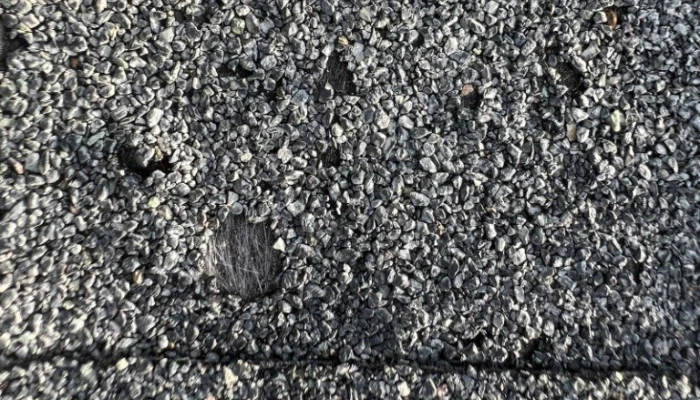
You’ve got roof damage, you’ve taken action. Now comes the next big question: Will my insurance cover this? Short answer is maybe. Most homeowners’ insurance policies cover sudden and accidental damage. That includes:
- Storm-related damage (high winds, hail, fallen trees).
- Lightning strikes or fire.
- Heavy rain that enters through a storm-created opening.
- Debris that punctures your roof during a weather event.
The key word is “sudden.” If your roof was in decent shape and something unexpected happened, you’ve got a good shot at coverage.
Furthermore, if the insurer believes the damage was due to neglect, wear-and-tear or lack of maintenance, your claim might get denied. Common reasons include:
- Old roof already in bad shape.
- Improper installation or repairs.
- Failure to act quickly after the damage occurred.
- Using nails or screws to install a tarp yourself.
And even if your roof repair isn’t approved, the interior damage often is, including:
- Water-damaged drywall and ceilings.
- Ruined flooring.
- Personal items affected by the leak (furniture, electronics, clothing).
- Mold remediation (if discovered and reported quickly).
Don’t forget: According to legal experts, timing is everything. If the damage gets worse because you didn’t act fast, your claim could be reduced or rejected.
How to help your claim get approved
Protect Preserve Roofing has seen how insurance companies work and we help our customers build stronger cases. Here’s what to do:
- Take clear photos of all visible damage (inside and out).
- Keep receipts of emergency services and materials.
- Save communication logs (calls, emails, texts).
- Get a detailed inspection report from a licensed roofer.
- File your claim as soon as possible.
How to Prevent a Roof Emergency
Most roof emergencies are preventable. With a little effort and the right routine, you can catch small issues before they turn into major problems.
- Schedule annual roof inspections: A yearly roof inspection is the smartest move you can make. A professional will check for minor damage, spot weak points before they fail, assess drainage and gutter performance and look for early signs of mold, rot or sagging.
- Keep gutters clean and flowing: Clean your gutters at least twice a year (spring and fall), more often if you have trees nearby or anytime you see overflow during rain.
- Trim trees and remove hanging branches: Take action to trim back limbs hanging over the roof, remove any trees leaning toward the house, and check after storms for new risks.
- Watch for warning signs after storms: After heavy rain, high winds or hail, take a walk around your property, look for shingles on the ground, debris in the yard or gutter, water stains on ceilings or walls or warped or bubbled drywall.
- Fix small leaks before they grow teeth: Think of leaks like termites, a drip today can be drywall, flooring and electrical rewiring tomorrow. Call a pro, get a quote and handle it while it’s cheap.
- Don’t DIY roof repairs: We get it, you’re handy, but roof work isn’t like fixing a fence. Doing it wrong could void your insurance, worsen the damage or lead to accidents or hospital visits Stick to what you do best, and let licensed pros like Protect Preserve Roofing.
- Ask about preventive maintenance plans: It’s like an oil change for your roof, small cost now, big savings later. Protect Preserve Roofing offers flexible, budget-friendly plans for homeowners who like to stay ahead.
Damage Type vs. Action Table
When something hits your roof or water starts leaking in, you don’t always have time to read an article. Sometimes, you just need to know: Is this serious? What do I do if I have a roof emergency for my home? That’s why we built this quick table that shows you exactly how to react based on the type of damage you’re facing:
| Damage Type | Risk Level | Immediate Action | Need a Pro? |
| Water leaking from ceiling during rain | High | Contain water, call for emergency tarp | Yes |
| Missing shingles after storm | Medium | Protect with tarp, schedule inspection | Yes |
| Tree limb puncturing roof | High | Stay clear, call emergency removal | Yes |
| Hail damage with no visible leak | Medium | Schedule inspection, photograph area | Likely |
| Loose flashing or vent boot leak | Medium | Cover if safe, schedule repair | Yes |
| Water stain on ceiling (dry day) | Low–Medium | Monitor, inspect attic, call for check | Maybe |
| Full roof collapse or sagging rafters | Extreme | Evacuate area, call emergency team | Immediately |
| Gutter backup flooding roof edge | Medium | Clear gutter if safe, check for leaks | Maybe |
| Mold smell or mildew in attic | Medium | Schedule moisture and leak inspection | Yes |
| DIY tarp installed with nails | High (legal) | Remove safely, call for proper re-tarp | Yes |
Quick reminder: Protect Preserve Roofing responds fast, installs safe tarps, and provides real repair solutions, not quick fixes with hidden costs.
Conclusion: What Do I Do If I Have a Roof Emergency for My Home with Protect Preserve Roofing
Whether its midnight rain pouring through your ceiling, a branch that turned your attic into a skylight or a slow drip that finally soaked your drywall, you don’t have time to gamble. You need the right team, right now.
That’s where Protect Preserve Roofing comes in. We’re not a franchise, not a call center. We’re a local Florida team that shows up fast with:
- Blue tarp installation done right (no nails, no insurance headaches).
- Emergency response in less than 1 hour in most areas.
- Clear communication, real timelines, no nonsense.
- Fully documented inspections to help you deal with your insurance.
- Pricing that matches the job, not inflated “emergency” rates.
If water is coming in, shingles are missing or you’re just not sure how bad it is, call us now. Protect Preserve Roofing is here for Florida homeowners who want the job done right the first time safely, professionally and with zero shortcuts, you also can schedule a free visit for your roof or get a quick estimate on the price.
Let’s keep the water out ,safely, quickly, and the right way.


Leave a Reply