





What is radiant barrier roof decking, and is it really worth the investment for your home? If you live in a hot, sunny region, chances are you’ve felt how intense attic heat can quietly drive up indoor temperatures and energy bills. According to the U.S. Department of Energy, up to 75% of the heat entering a home through the roof is caused by radiant heat gain.
That’s exactly where radiant barrier roof decking comes into the conversation, and why so many homeowners are now questioning whether this solution actually delivers long-term value or just sounds good on paper.
But here’s the problem: most explanations online stop at surface-level benefits. They tell you it “reflects heat” or “lowers cooling costs,” yet they rarely explain when it truly works, when it doesn’t, and what makes the difference between a smart investment and wasted money. Have you ever noticed how two homes can install similar solutions and get very different results? That’s not an accident.
In this guide, you’ll get a clear, honest breakdown, based on real-world performance, building science, and roofing best practices. We’ll walk through how radiant barrier roof decking works, how it compares to other cooling solutions, and what homeowners in hot climates like Central Florida should consider before making a decision. If you want fewer surprises, better comfort, and a roof system that actually works together, you’re in the right place.
Table of Contents
What Is Radiant Barrier Roof Decking and How It Works
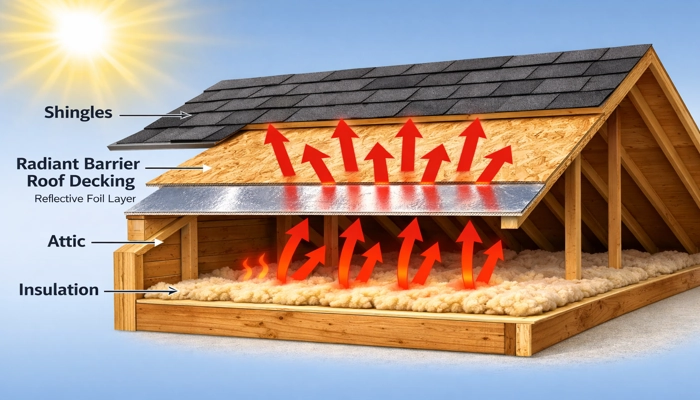
Radiant barrier roof decking is a roof sheathing panel designed to reflect radiant heat before it enters your attic. It looks similar to standard OSB or plywood, but with one critical difference: a thin, reflective foil layer bonded to one side of the panel. That reflective side faces the attic.
Here’s why that matters. On a hot day, the sun hits your roof and transfers heat inward. A large part of that heat moves by radiation, not by air movement. Standard roof decking absorbs that energy and releases it straight into the attic. Temperatures climb fast. Your AC works harder. Comfort drops. Radiant barrier roof decking interrupts that process.
Instead of absorbing heat, the reflective surface bounces a significant portion of radiant energy back toward the roof, reducing how much heat reaches the attic in the first place. Studies referenced by the U.S. Department of Energy show that radiant barriers can reduce attic heat gain by up to 30% in hot climates when properly installed and ventilated.
Think of it like this:
If the attic is a parked car in the sun, standard decking is leaving the windows up. Radiant barrier decking is cracking them open and adding a sunshade. Heat still exists, but it doesn’t pile up the same way.
The system works best because:
- The foil surface has low emissivity, meaning it releases very little heat downward
- The reflective layer faces an air space, which is essential for performance
- Heat is stopped before it reaches insulation or ductwork
This is not insulation, and it’s not meant to replace insulation. Its job is simpler and earlier in the chain: reduce heat entry at the roof level. When that happens, attic temperatures stabilize, HVAC systems run more efficiently, and indoor comfort improves, especially during long, sunny stretches.
If you’ve ever stepped into an attic in summer and felt that wall of heat hit your face, you already understand the problem radiant barrier roof decking is designed to solve. Next, the real question becomes: does this solution actually justify the cost? That’s where most homeowners pause, and where we’ll go next.
Is Radiant Barrier Roof Decking Worth the Investment
The short answer is: it depends on the home, the roof system, and the climate. And that’s not a dodge. It’s the honest answer most homeowners don’t get when researching this topic.
Radiant barrier roof decking tends to make sense when heat is a real problem, not just a seasonal annoyance. In hot and sunny regions, roof surfaces can exceed 150°F (65°C) during peak summer hours. When that heat pours into the attic day after day, the cooling system pays the price. Over time, so does comfort.
In homes where:
- The attic contains ductwork
- Air conditioning runs most of the year
- The roof receives direct sun exposure
- Energy bills spike during warmer months
Radiant barrier roof decking often delivers noticeable results. Lower attic temperatures mean the AC doesn’t fight an uphill battle all afternoon. That can translate into steadier indoor temperatures and reduced strain on mechanical systems. Now, here’s the part many articles skip.
Radiant barrier roof decking is not a magic fix. If a home already struggles with poor ventilation, air leaks, or aging insulation, the return may be limited. In those cases, adding a radiant barrier without addressing the basics is like putting sunglasses on a broken headlight. Helpful, but not enough.

Cost also plays a role. This solution tends to offer the best value:
- During new construction
- During a roof replacement
- When attic access is limited after installation
Retrofitting an existing roof just to add radiant barrier decking is rarely practical. The investment works best when it’s part of a larger roofing decision, not a standalone upgrade.
For homeowners in hot climates, especially places like Central Florida, the investment often comes down to comfort consistency rather than instant payback. Energy savings usually appear gradually, not overnight. The real win is a home that feels calmer, cooler, and easier to manage during extreme heat.
If you’re expecting dramatic utility bill drops in the first month, this may disappoint. If you’re aiming for long-term efficiency, better system balance, and fewer heat-related headaches, it often earns its place in the roof system. Next, let’s break down the advantages and the limitations clearly, no hype, no guesswork.
Pros and Cons of Radiant Barrier Roof Decking
No roofing solution is perfect. Radiant barrier roof decking delivers real benefits, but it also comes with limits that homeowners should understand before committing. Knowing both sides helps avoid frustration later.
Main Benefits for Homeowners
The most noticeable advantage is heat control at the source. By reflecting radiant heat before it floods the attic, this system helps keep attic temperatures more stable during peak heat hours.
Homeowners often report:
- A cooler attic environment during summer
- Less heat transferring into living spaces
- Reduced workload on air conditioning systems
- More consistent indoor comfort, especially in the afternoon
In homes with ductwork running through the attic, the impact can be even more meaningful. Cooler attic air means cooled air inside ducts stays cooler longer. That alone can improve efficiency without touching the HVAC system.
There’s also a durability benefit. Because the radiant barrier layer is bonded directly to the roof decking, it doesn’t sag, tear, or shift over time like stapled foil products can. Once installed correctly, it works quietly in the background without ongoing adjustments.
Real Limitations You Should Know
Now for the part many competitors avoid. Radiant barrier roof decking does not create cooling. It only reduces heat gain. If ventilation is poor, insulation is compressed, or air leaks are ignored, performance drops fast. The system relies on airflow and spacing to do its job.
Dust is another factor. Over time, attic dust can settle on exposed reflective surfaces. While this doesn’t eliminate performance, it can reduce efficiency if left unmanaged in attics with heavy debris buildup.
Installation quality also matters more than people expect. Incorrect orientation, blocked ventilation paths, or lack of proper air space can cancel out much of the benefit. When that happens, the material itself isn’t the problem, the setup is.
Finally, radiant barrier roof decking is not always cost-effective for mild climates or homes with limited sun exposure. In those cases, the return may feel underwhelming compared to other efficiency upgrades.
Understanding these limits doesn’t weaken the case for radiant barrier roof decking. It strengthens it. When used in the right conditions and installed properly, it performs exactly as intended. When used blindly, it can disappoint.
Radiant Barrier Roof Decking vs Other Cooling Solutions
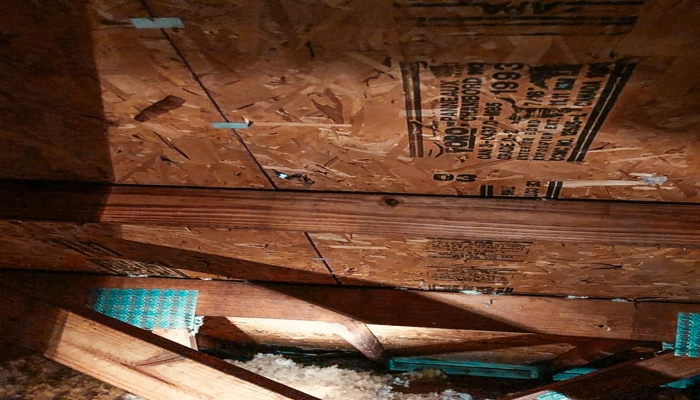
Radiant barrier roof decking often gets grouped with insulation and foil products, but they don’t all solve the same problem. Understanding the difference helps prevent mismatched expectations.
Radiant barrier roof decking works by reducing radiant heat before it enters the attic. That puts it at the front line of heat control. Traditional attic insulation works later in the process, slowing heat that has already entered the space. Both play important roles, but they attack different stages of heat transfer.
Stapled radiant barrier foil is another common comparison. On paper, the concept looks similar. In practice, the execution is very different. Foil products rely heavily on installation quality and long-term maintenance. They can sag, tear, collect dust unevenly, or block airflow when installed carelessly. Roof decking with an integrated radiant barrier avoids many of these issues because it is fixed in place and positioned correctly from day one.
Insulation upgrades, on the other hand, are often necessary regardless of whether a radiant barrier is used. Insulation controls conductive heat flow and helps stabilize indoor temperatures year-round. Radiant barrier roof decking does not replace insulation. It reduces how much heat insulation has to fight.
The most effective homes treat heat control as a system, not a single product. Radiant barrier roof decking works best when paired with:
- Proper attic ventilation
- Adequate insulation levels
- Sealed air leaks
When these pieces work together, each one becomes more effective. Skipping one usually means the others have to work harder, and results suffer.
If radiant barrier roof decking is chosen for the right reason and paired with the right supporting elements, it complements other cooling strategies instead of competing with them. That distinction is where many homeowners either win or waste money.
Installation Quality and Long-Term Performance
Radiant barrier roof decking delivers results only when the installation respects basic building science. This section is about performance, not risk. The reflective surface must face an open air space inside the attic. Without that space, radiant heat cannot be redirected effectively. The barrier needs room to do its job.
Ventilation also plays a direct role in performance. Proper intake and exhaust airflow help remove heat that accumulates above the living space. When airflow is balanced, the radiant barrier reduces attic heat faster and more consistently.
Orientation matters as well. The foil layer must face the attic. Reversing it eliminates most of the benefit. Once the roof is installed, correcting that mistake is costly and disruptive.
When installed as part of a properly designed roof system, radiant barrier roof decking remains stable over time. It does not sag, shift, or require adjustments. Performance stays predictable because the system works passively, relying on physics rather than moving parts.
Cost, Energy Savings, and Return on Investment
Cost is usually where the decision slows down. And it should. Radiant barrier roof decking is an investment, not an impulse upgrade.
The price varies based on a few clear factors. Roof size matters. So does roof design, pitch, and accessibility. Homes adding radiant barrier decking during new construction or a full roof replacement typically see the best cost balance, since the material is installed as part of work that already needs to happen. Retrofitting an existing roof just for this upgrade is rarely efficient.
Energy savings don’t arrive overnight. Most homeowners notice changes gradually, especially during long stretches of hot weather. Lower attic temperatures reduce how often and how hard the air conditioner runs. Over time, that can help stabilize utility costs and reduce wear on cooling equipment.
The real return shows up in:
- Improved indoor comfort during peak heat
- Less temperature swing between rooms
- Reduced strain on HVAC systems
- A roof system that manages heat more effectively
In hot climates, energy modeling and field data suggest radiant barriers can contribute to measurable cooling cost reductions, particularly in homes with ductwork in the attic. The savings vary, but the comfort improvement is often immediate.
This is where expectations matter. Radiant barrier roof decking isn’t about chasing fast payback. It’s about reducing long-term stress on the home. When paired with proper ventilation and insulation, the system works quietly in the background, doing its job without fanfare. Next, climate plays a major role in how much benefit homeowners actually see. Let’s address that directly.
Does Climate Affect Radiant Barrier Roof Decking Performance
Climate plays a bigger role than many homeowners realize. Radiant barrier roof decking performs best where sun exposure and heat are consistent, not occasional.
In hot regions, the roof absorbs solar energy for hours every day. That heat builds up fast and pushes into the attic. Radiant barriers shine in this scenario because they stop a large portion of that heat before it spreads. The longer and stronger the sun exposure, the more noticeable the effect.
This is why performance tends to be higher in warm, sunny climates than in mild or cold ones. In cooler regions, homes don’t experience the same sustained radiant heat load. The barrier still works, but the return is often smaller and harder to notice.
Homes in Central Florida are a good example of where radiant barrier roof decking often makes sense. Long summers, high sun angles, and extended cooling seasons create the right conditions for the system to do its job. Attics in this region can reach extreme temperatures, especially in homes with dark shingles or limited shade.
Humidity also matters. A hot, humid climate demands proper ventilation to keep moisture under control. When airflow is designed correctly, radiant barrier roof decking works without trapping heat or moisture. When ventilation is ignored, problems follow.
In short, climate doesn’t just influence performance. It decides whether the investment feels worthwhile or forgettable. That’s why local conditions should always be part of the decision, not an afterthought.
Conclusion: Is Radiant Barrier Roof Decking the Right Choice for Your Home?
Radiant barrier roof decking is not about chasing quick savings or following trends. It’s about managing heat where it starts.
When used in the right conditions, strong sun exposure, long cooling seasons, and a properly designed attic, it can reduce heat gain, ease the load on cooling systems, and improve daily comfort. When installed without attention to ventilation, airflow, or timing, results fall short. The difference is never the material alone. It’s the system.
Homes in Central Florida face heat for most of the year, not just a few weeks. That makes roof-level heat control more than a luxury. It becomes part of long-term performance and comfort planning. Still, not every home benefits the same way, and not every roof is at the right stage for this upgrade.
That’s why informed decisions matter. Understanding how your roof, attic, ventilation, and insulation work together prevents wasted investment and frustration later.
If radiant barrier roof decking is being considered as part of a roof replacement or efficiency upgrade, evaluating the full system first brings clarity. It turns uncertainty into confidence, and helps ensure the solution actually delivers what it promises.
Does radiant barrier roof decking really lower energy bills?
Radiant barrier roof decking can help lower cooling costs, but results vary by home. In hot climates, it reduces attic heat gain, which can ease the workload on air conditioning systems over time. Savings are usually gradual, not immediate, and depend on ventilation, insulation, and roof design.
Is radiant barrier roof decking better than adding insulation?
They serve different purposes. Insulation slows heat that has already entered the attic, while radiant barrier roof decking reflects heat before it gets inside. In most homes, the best results come from using both together rather than choosing one over the other.
Can radiant barrier roof decking cause moisture or mold problems?
No, not when installed correctly. Moisture and mold issues are typically caused by poor ventilation, air leaks, or roof leaks. Radiant barrier roof decking reflects heat but does not trap moisture if airflow paths remain open and balanced.
Is radiant barrier roof decking worth it in Central Florida?
In hot, sunny regions like Central Florida, radiant barrier roof decking often performs better than in cooler climates. Long cooling seasons and high sun exposure create the conditions where reducing radiant heat at the roof level makes the most impact.
When is the best time to install radiant barrier roof decking?
The best time is during new construction or a roof replacement. Installing radiant barrier roof decking as part of planned roofing work is usually more practical and cost-effective than retrofitting an existing roof later.



Leave a Reply