





What is the average cost of a roof replacement? For most Florida homeowners, this isn’t a hypothetical question, it’s one that comes up after a storm rips through or leaks start staining the ceiling.
Here’s the reality: in Florida, a full roof replacement service typically costs between $8,000 and $18,000, depending on size, material and complexity. And while a blue tarp might seem like a cheaper fix – at $800 to $1,600 installed by professionals – it’s a temporary bandage, not a cure – depending on the damage.
Why does this matter? Because every season here brings new threats: heavy rains, scorching sun and hurricane-force winds. All that tests even the best-built roofs and waiting too long or choosing the wrong solution can turn a small repair into tens of thousands in damage.
So, in this guide, you’ll get the facts straight: What you can expect to pay for a roof replacement, how size, pitch and materials shift the price tag, why insurance sometimes covers the job, when a tarp can buy you time and when it’s wasting it and how Protect Preserve Roofing safeguards your home with the right solution, at the right time.
Because in Florida, roofing isn’t just about keeping the rain out, it’s about protecting your biggest investment before the next storm hits.
Table of Contents
What Is the Average Cost of a Roof Replacement?
The average roof replacement in Florida generally starts in the $8,000 to $15,000 range, for most residential homes. This estimate includes both materials and professional labor. The final price depends on factors like roof size, pitch, material choice and how accessible the structure is for workers and equipment. For example:
- A small single-story home with asphalt shingles may cost around $8,000.
- A larger two-story home with premium materials such as tile or metal can reach $18,000 or more.
Industry data shows the national range is wider – from $7,000 to over $24,500 – but Florida prices tend to fall in the mid-to-upper end due to stricter building codes and hurricane-resistant material requirements.
It’s important to compare these numbers with temporary repair costs. Installing a professional-grade blue tarp, for instance, runs $800 to $1,600. While this can prevent immediate water intrusion after storm damage, it’s not a long-term fix for every type of damage. And delaying a full replacement can lead to higher repair bills from leaks, structural rot and insulation damage.
Little reminder: Protect Preserve Roofing provides clear, itemized estimates so you know exactly where your money is going. That means no vague “ballpark” numbers and no surprise add-ons halfway through the project, only accurate costs based on your roof’s specific condition.
Roof Replacement Cost by Material Type
The roofing material you choose directly affects the price, durability and style of your home. Here’s a breakdown for Florida homeowners:
| Material | Average Cost (Florida) | Lifespan | Key Benefits |
| Asphalt Shingles | $8,000 – $12,000+ | 15–30 years | Budget-friendly, quick installation, good for most homes |
| Metal Roofing | $12,000 – $18,000+ | 40–70 years | High wind resistance, low maintenance, fire-resistant |
| Tile Roofing (Clay/Concrete) | $14,000 – $22,000+ | 50+ years | Durable, classic appearance, great for Florida’s climate |
| Slate Roofing | $18,000 – $24,500+ | 75+ years | Premium look, extremely long-lasting, weather-resistant |
| Flat Roof Systems (TPO, EPDM, Modified Bitumen) | $9,000 – $15,000 | 20–30 years | Ideal for modern or commercial designs, versatile finishes |
Choosing the right material is about more than just price. A cheaper option might save money now but could need replacing sooner. Premium materials cost more upfront, however, can outlast multiple asphalt roofs, saving money over decades.
Roof Replacement Cost by Size and Pitch
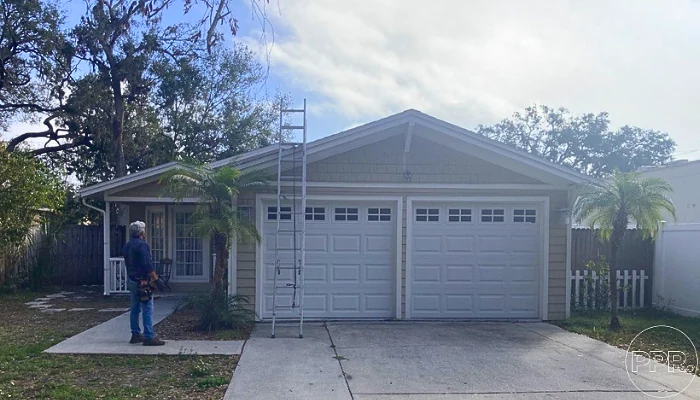
The size of your roof and its pitch (slope) are two major factors in determining the final price of a replacement. Larger roofs need more materials and labor. Steeper roofs require additional safety equipment and time, which increases labor costs. Here’s what Florida homeowners can expect:
| Roof Size (Square Footage) | Pitch Type | Average Cost Range | Notes |
| 1,000 – 1,500 sq. ft. | Low/moderate pitch | $8,000 – $10,500 | Common for small single-story homes. Faster installation, lower material use. |
| 1,500 – 2,000 sq. ft. | Low/moderate pitch | $10,500 – $13,500 | Standard for many Florida family homes. Cost varies by material. |
| 2,000 – 2,500 sq. ft. | Low/moderate pitch | $13,500 – $16,000 | Requires more material and labor hours; common in two-story homes. |
| Any Size | Steep pitch | +$1,000 – $3,000 extra | Safety harnesses, scaffolding, and slower installation add to labor costs. |
Why pitch matters:
- Steep roofs shed water faster, which is great for preventing leaks, but they take more effort and safety precautions to work on.
- Low-slope roofs are easier to install but need extra care in waterproofing to avoid pooling water.
Pro tip from Protect Preserve Roofing: Exact measurements and pitch angle during an inspection are the key, so your estimate is accurate from the start. That means no guessing games and no last-minute “surprise” charges once the job begins.
Labor Costs for Roof Replacement
The labor involved on “what is the average cost of a roof replacement” often makes up 40% to 50% of the total cost. The exact amount depends on the complexity of the project, the experience of the crew and safety requirements for your roof’s design. Here’s a clear breakdown:
| Roof Type / Condition | Average Labor Cost Range | Notes |
| Standard Asphalt Shingle Roof | $3,000 – $5,500 | Most common and quickest to install; minimal safety extras. |
| Metal Roofing | $4,500 – $7,000 | Requires precise fitting; slower installation process. |
| Tile Roofing | $5,000 – $8,000 | Heavy materials; extra care for alignment and underlayment. |
| Slate Roofing | $6,000 – $9,500 | Skilled craftsmanship needed; labor-intensive. |
| Steep Pitch Roofs (any material) | +$1,000 – $3,000 extra | Harness systems, scaffolding and slower pace increase costs. |
There are a few more factors that can change the values:
- Old roof removal – Removing heavy or multiple layers of shingles adds hours of work.
- Structural repairs – Damaged decking, trusses or fascia boards must be fixed before installation.
- Accessibility – Tight lot spaces, landscaping or power lines that limit equipment access can extend project time.
Little reminder: Protect Preserve Roofing uses trained crews who work efficiently without cutting corners. That means you get quality installation with minimal disruption to your daily life and no inflated labor charges from unnecessary delays.

Additional Costs You Should Expect
When budgeting for a roof replacement, it’s important to plan for expenses beyond just materials and labor. These extra costs can catch homeowners off guard if they aren’t discussed upfront. Let’s see the common additional costs:
| Additional Item | Average Cost Range | Why It Matters |
| Old Roof Removal & Disposal | $1,000 – $2,500 | Hauling away old materials is labor-intensive and requires proper disposal fees. |
| Permits & Inspections | $150 – $500 | Local building codes require permits to ensure safety and compliance. |
| Decking Repairs | $500 – $2,000+ | Damaged plywood or structural elements must be replaced before the new roof is installed. |
| Upgraded Underlayment | $300 – $1,000 | Improves water resistance, essential for Florida’s storm season. |
| Flashing & Ventilation Upgrades | $200 – $800 | Prevents leaks around chimneys, vents and skylights; improves airflow. |
| Gutter Replacement or Repair | $500 – $2,000 | Often needed if gutters are damaged or outdated. |
| Emergency Tarp Installation | $800 – $1,600 | A temporary but professional-grade cover to prevent further damage before replacement. |
Pro tip: Some contractors quote a low base price, then add these extras later. At Protect Preserve Roofing, these costs are addressed upfront, so there are no unpleasant surprises when the final bill arrives.
Roof Repair vs. Full Replacement
Not every roofing problem demands a full replacement. Sometimes a well-done repair can extend your roof’s life for years; other times, it’s just delaying the inevitable. The key is knowing when each option makes sense. Let’s take a closer look:
| Situation | Best Option | Why |
| Damage is limited to a small area | Repair | Replacing a few shingles or fixing a localized leak is cost-effective and quick. |
| Roof is under 10 years old | Repair | Newer roofs often have plenty of life left; targeted repairs can restore protection. |
| Multiple leaks or widespread shingle damage | Full replacement | Fixing scattered damage can cost more over time than starting fresh. |
| Roof is near or past its expected lifespan | Full replacement | Old roofs are more prone to recurring issues; replacement offers a clean slate. |
| Storm damage with insurance coverage | Often full replacement | Insurers may cover replacement if the damage is extensive and meets policy terms. |
Pro tip from Protect Preserve Roofing: Replacement may be smarter in the long run when you see that repairs can solve the immediate issue, but may not address underlying weaknesses, multiple repairs over a few years can exceed the cost of one replacement and a new roof boosts home value and can improve energy efficiency.
Regional Price Variations in the U.S.
What is the average cost of a roof replacement? Well, roof replacement costs aren’t the same from state to state, or even city to city. Prices shift based on labor rates, material availability, local building codes and weather demands. Here’s how different regions compare:
| Region | Average Cost Range | Why Costs Differ |
| Florida & Gulf Coast | $8,000 – $18,000 | Stricter hurricane codes, need for wind-resistant materials, higher insurance compliance. |
| Northeast (e.g., NY, MA) | $9,500 – $17,000 | Higher labor costs, cold-weather installation challenges. |
| Midwest | $7,500 – $14,000 | Seasonal labor availability and freeze-thaw cycle protection needs. |
| West Coast (e.g., CA, WA) | $9,000 – $16,500 | Higher cost of living, seismic safety requirements in some areas. |
| Southwest (e.g., AZ, NM) | $7,500 – $13,500 | Sun damage protection and demand for heat-reflective materials. |
Florida leans toward the higher end because of hurricane safety standards that require impact-rated shingles or tile, insurance inspections are more rigorous and labor demand spikes after storm seasons, pushing up rates.
Does Insurance Cover Roof Replacement?
Homeowners’ insurance can help with roof replacement costs. However, only in specific situations. Most policies cover damage caused by sudden, accidental events like storms, falling trees or fire. They usually don’t pay for wear and tear, neglect or roofs that have simply reached the end of their lifespan.
Typical scenarios where insurance may cover replacement:
- Wind or hail damage from a severe storm.
- Impact from falling debris, such as tree branches.
- Fire or other unexpected disasters named in your policy.
When insurance usually won’t cover it:
- Gradual deterioration from age.
- Damage from lack of maintenance.
- Pre-existing issues noted before you bought the policy.
Therefore, if you have roof damage and intend to file a claim, you need to understand what is and isn’t covered and how to do it. See the table below:
| Factor | Impact on Coverage |
| Roof Age | Older roofs (15–20+ years) may only get partial reimbursement or none at all. |
| Material Type | Some policies limit coverage for specific materials after a certain age. |
| Local Codes & Permits | If code upgrades are required, coverage depends on your policy endorsements. |
| Documentation | Clear photos and professional inspection reports strengthen your claim. |
Pro tip: Even after heavy rain, insurers often reject claims if they determine the roof’s age or maintenance played a role. If water damage occurs because of a worn-out roof, it’s usually the homeowner’s responsibility. Protect Preserve Roofing helps clients by providing detailed inspection reports and damage documentation, giving you the strongest possible case when you file a claim.
Emergency Roof Protection: When and How to Use a Tarp
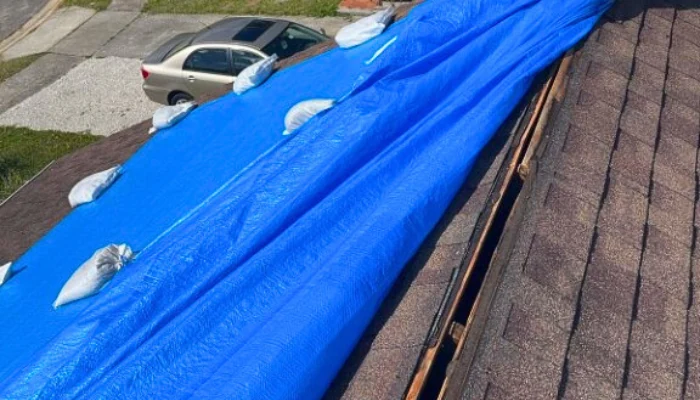
When severe weather damages your roof, acting fast can mean the difference between a manageable repair and thousands of dollars in interior damage. A professionally installed blue tarp can seal the damaged area, preventing water intrusion until full repairs or replacement can be done.
When a tarp makes sense:
- Storm damage has exposed underlayment or decking.
- Fallen branches or debris have punctured the roof.
- Missing shingles leave vulnerable spots before more rain arrives.
Average professional installation cost in Florida: $800 to $1,600, depending on roof size, pitch, and the extent of the damage. This cost includes heavy-duty materials and secure anchoring to withstand additional wind or rain.
Important installation rules:
- Do not nail or screw tarps directly into the roof under normal circumstances. This can cause more damage and create insurance complications.
- Exceptions: In rare cases, such as extremely steep pitches or roofs already beyond repair, mechanical fastening may be used as a last resort.
- Use weighted sandbags or secure tie-down systems whenever possible to avoid puncturing the roof surface.
You need to know that a professional installation ensures proper coverage that actually keeps water out, reduces risk of injury from working on a damaged roof and prevents costly mistakes that could void insurance claims.
Little reminder: At Protect Preserve Roofing, we respond quickly to emergencies, often on the same day, so your home stays protected until permanent repairs are completed. Our team uses high-grade tarps and secure anchoring techniques approved for Florida’s severe weather conditions.
How to Save Money on Roof Replacement Without Cutting Quality
Replacing a roof is a major investment. Furthermore, there are smart ways to control costs without sacrificing durability or performance. The key is making strategic decisions before and during the project.
- Choose the right material for your needs: Premium options like slate or tile last longer but come at a higher initial cost. For many Florida homes, high-quality asphalt shingles or metal roofing offer an excellent balance of price and lifespan.
- Time your project wisely: Roofing demand spikes after storm season. Scheduling work in off-peak months can help secure better rates and faster turnaround.
- Get a detailed, itemized estimate: This helps you compare apples to apples and avoid hidden costs.
- Address issues early: Small leaks or missing shingles may seem minor but ignoring them can lead to expensive structural repairs. Acting early keeps costs down.
- Consider energy-efficient upgrades: While they may cost slightly more upfront, features like reflective shingles or improved ventilation can lower energy bills and extend your roof’s life.
- Use insurance wisely: If your damage is storm-related, a proper inspection and clear documentation can strengthen your claim and potentially reduce your out-of-pocket expense.
Little reminder: At Protect Preserve Roofing, our goal is to maximize the value of your investment, not just lower the price. That means balancing affordability with high-quality materials, skilled labor and a roof built to withstand Florida’s harsh climate.
Return on Investment: Is a New Roof Worth It?
A roof replacement isn’t just a repair, it’s a long-term investment in your home’s value, safety and efficiency. A new roof can deliver a 60% to 70% return on investment (ROI) when selling your home, according to real estate data. Here are ways a new roof adds value:
- Curb appeal – A clean, modern roof makes a strong first impression on buyers.
- Energy efficiency – Upgraded materials and ventilation can lower cooling costs, especially in Florida’s heat.
- Fewer maintenance costs – New roofs typically need little to no repairs in the first decade.
- Better insurance rates – Many insurers offer discounts for homes with newer, storm-resistant roofing.
So, it’s worth the investment when:
- Your roof is nearing or past its lifespan and repairs are becoming frequent.
- You’re preparing to sell your home and want to boost market value.
- You’ve experienced significant storm damage and can use insurance coverage to offset costs.
A new roof isn’t just about dollars; it’s about peace of mind. You can rest easy knowing your home is protected from leaks, mold and structural damage.
Conclusion: Why Protect Preserve Roofing Is the Smart Choice
Replacing your roof is a big decision, one that affects your home’s safety, value and comfort for decades. The difference between a roof that lasts and one that fails too soon often comes down to the team you choose to install it.
Protect Preserve Roofing has earned the trust of Florida homeowners by delivering transparent pricing, premium materials and skilled workmanship on every project. From your first inspection to the final cleanup, our process is built around protecting your investment and giving you peace of mind.
Here’s what sets us apart:
- Accurate, itemized estimates so you know exactly where your money goes.
- High-grade materials that meet or exceed Florida’s hurricane safety standards.
- Fast, reliable emergency response, including professional blue tarp installation when immediate protection is needed.
- Clear insurance documentation to help strengthen your claim after storm damage.
- Local expertise that understands the unique climate and building code demands of Florida homes.
If your roof is showing signs of wear or damage, don’t wait for the next storm to test it. Call us today for a professional inspection. You can also schedule directly a free visit and a clear plan forward or get a quick estimate here, because your home deserves more than a quick fix; it deserves lasting protection.
Whether you need a full replacement or urgent storm damage repair, our focus is the same: doing the job right the first time so you can get back to living under a roof you can trust.
FAQ – Roof Replacement
What is the average cost of a roof replacement in Florida?
In 2025, most Florida homeowners spend between $8,000 and $15,000 for a full roof replacement. The price varies based on material, roof size, pitch, and accessibility.
Will my insurance cover a new roof?
Insurance often covers replacement after sudden damage from storms, falling debris, or fire. It generally won’t cover wear and tear or damage from neglect. Documentation from a licensed roofer like Protect Preserve Roofing can strengthen your claim.
How can I tell if I need a roof repair or a full replacement?
If damage is localized and your roof is relatively young, a repair may be enough. Widespread leaks, missing shingles, or an aging roof usually signal it’s time for replacement.
How long will my new roof last?
Lifespan depends on the material: asphalt shingles last 15–25 years, metal roofs 40–70 years, and tile or slate can exceed 50 years with proper care.


Leave a Reply