



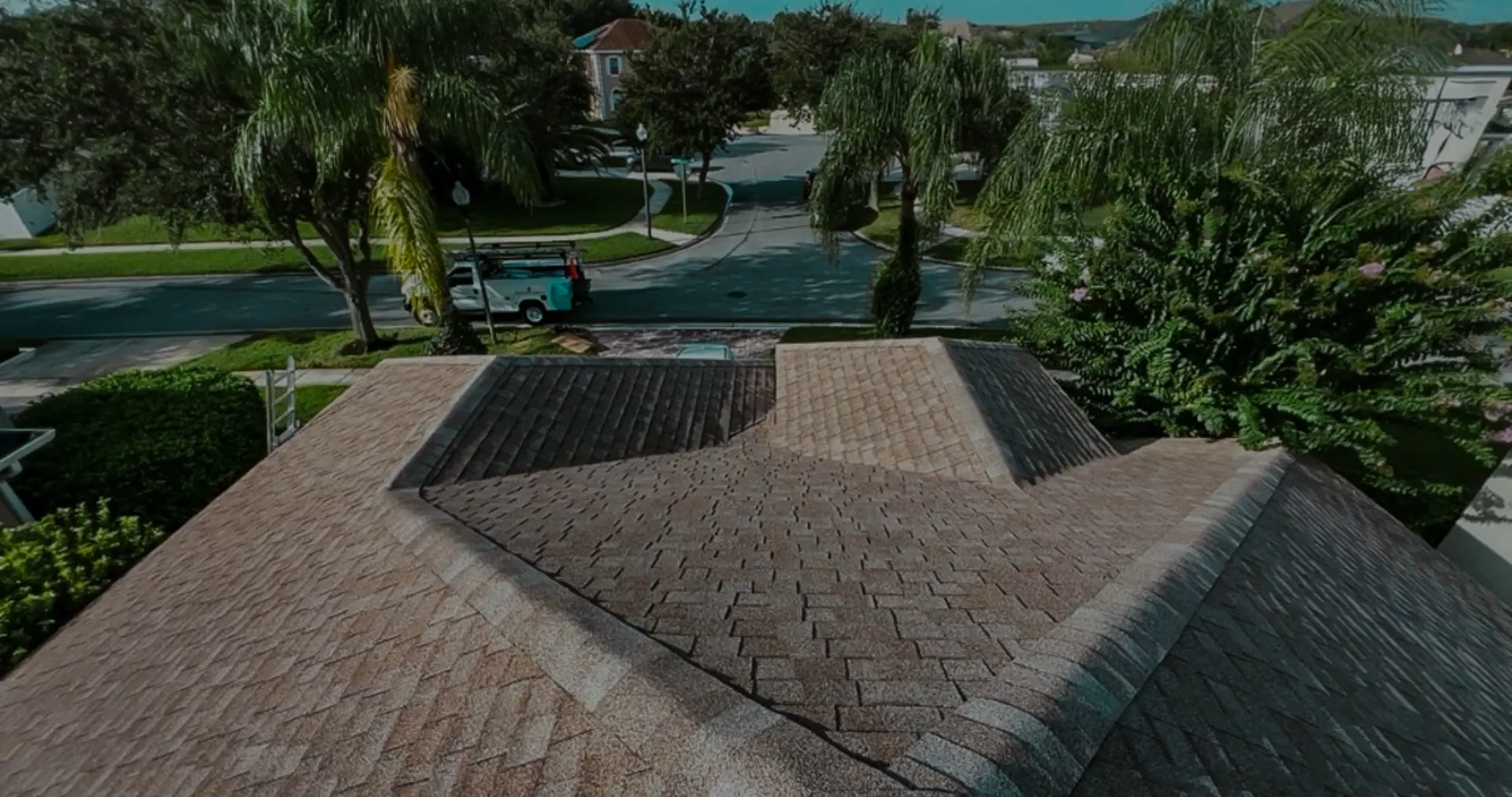
Roofing Company Central Florida for
Roof Repairs, New Roof Installation &
Emergency Tarping 24/7.
When heavy rain and wind hit, small roof problems turn into big damage fast. We inspect, explain what’s happening,
and fix it the right way, so you can feel safe again.


Built for Urgent Roof Problems in Central Florida. Trusted by Homeowners and Property Managers.

We Work With Insurance the Right Way
We help you document roof damage clearly, so your claim process feels less stressful and more organized.
Licensed & Insured Florida Roofing Team
You get professional work, proper safety standards, and peace of mind from day one.
Estimates That Are Clear (Not Confusing)
No vague numbers. We explain what needs to be fixed, why it matters, and what it costs.
Storm Damage Experience That Shows in the Details
We know what Central Florida storms do to shingles, flashing, and leakprone areas.
Repair-First Approach When It Makes Sense
If a repair solves the problem safely, we’ll tell you. No pressure to replace a roof that doesn’t need it.
Fast Turnaround When Time Matters
Roof emergencies don’t wait. We move quickly to protect your home and prevent bigger damage.
Photo-Based Inspection Reports
You’ll see what we see. We document issues with clear photos so you’re never guessing.
Roof Leak or Storm Damage in Central Florida? Get Help Before It Spreads.
A roof leak doesn’t always hit you all at once. In Central Florida, it usually starts small, after a storm, a heavy rain, or a windy day, and then spreads into bigger damage when no one sees it coming. What looks like “just a little water” can quickly turn into stained ceilings, warped drywall, and moisture trapped inside your attic.
That’s why we respond fast and inspect the roof the right way. We look beyond the obvious drip and check the areas that fail most often here, flashing, roof transitions, pipe boots, valleys, and shingles that lifted during wind-driven rain. Our goal is simple꞉ find the real source of the problem and stop it before it spreads further.
If the damage is storm-related, we also make the process easier on you. We document what we find with clear photos and straightforward notes, so you understand what’s happening and what needs to be done next. No confusing explanations. No guesswork.
Whether you need a focused roof repair, emergency tarping to prevent interior damage, or a full replacement, we’ll walk you through the best option for your home. You’ll get honest recommendations, clean work, and a roof you can trust again.
Preventive tip꞉ A quick seasonal roof check can catch weak spots early, before they become a leak during the next storm.
Fast Roof Leak Repair & 24/7 Storm Response in Central Florida.
Central Florida roofs take a beating from more than just rain. Between storm season, strong wind gusts, and wind-driven rain, small weaknesses can turn into leaks fast, especially around flashing, roof edges, and roof-to-wall transitions.
And if you’re closer to the coast, there’s another factor many homeowners don’t think about꞉ salty air and constant humidity. Over time, that can speed up wear on metal components, fasteners, sealants, and vulnerable roof details, making leaks more likely after the next heavy storm.
That’s why we focus on fast response and real diagnosis. We don’t guess. We inspect the areas that fail most often in Central Florida homes and businesses, document what we find with clear photos, and recommend the most effective fix, repair, replacement, or emergency protection when needed.
If your roof needs immediate coverage, our 24/7 emergency tarping service helps prevent interior damage while you plan the permanent repair. And if everything looks “fine” from the ground, we’ll still help you catch hidden storm damage early, before it spreads into drywall, insulation, and structural wood.
No pressure. Just clear answers, fast help, and roofing work that holds up in Central Florida weather.
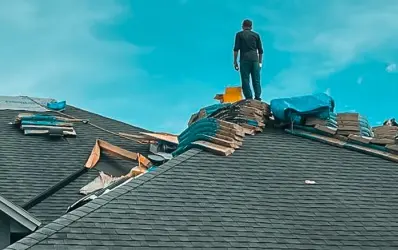
Roof Repairs That Make Sense (Not Automatic Replacement)
Sometimes your roof doesn’t need a full replacement, it needs the right repair in the right place. We inspect the weak points, explain what failed, and fix it properly so you don’t keep paying for the same leak twice.
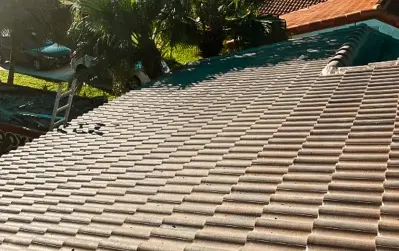
New Roof Installation Built for Central Florida Weather
Heat, humidity, and storm season are tough on roofing systems. We install roofs with the details done right, from underlayment to flashing, so your home or business stays protected long after the job is done.
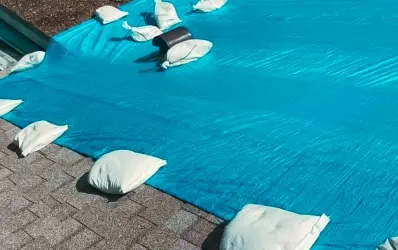
24/7 Roof Emergency Help Across Central Florida
Water coming in? Shingles missing after a storm? We act fast to protect your home and stop the damage f rom spreading. If emergency tarping is needed, we’ll secure your roof and help you plan the permanent fix next.
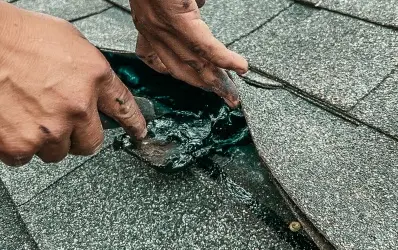
Leak Source Found. Problem Solved.
In Central Florida, leaks often travel before they show up on your ceiling. We track the real entry point, document what we find, and repair the cause, especially around flashing, transitions, and storm-lifted areas.
⭐⭐⭐⭐⭐
What Central Florida Homeowners Say About Our Roofing Work

Veronica Cartagena
⭐⭐⭐⭐⭐

We hired Protect Preserve to fix some damages on our roof and we were very happy with the results. They made what is normally a tedious process a very easy one. Thankful they were trustworthy and timely with the completion of the roof. Would definitely recommend.
Walter Barcelos
⭐⭐⭐⭐⭐
I had an excellent experience with Protect Preserve Roofing. From the first point of contact to the completion of the job, everything was handled with professionalism, efficiency, and care. I highly recommend this company for anyone looking for reliable and honest roofing services.
Vanessa Albuquerque
⭐⭐⭐⭐⭐
The best roofing company in Orlando and the surrounding area! I would give them 5 stars without hesitation. Their team is made up of experienced professionals who truly know what they’re doing. They were punctual, honest, and trustworthy throughout the entire process.
Margaret Renou
⭐⭐⭐⭐⭐
We are extremely satisfied with the work completed on our roof. Everyone was very professional. The work was completed in a timely manner and the quality is excellent. In addition the clean up was well done without leaving nails in our lawn which has not been my experience with other roofers. I would highly recommend.
Naomi Prosper
⭐⭐⭐⭐⭐
I strongly recommend Protect Preserve Roofing. They did an inspection after my house was affected by a 2.0 hail storm and they helped me thought claim process. Now I got a brand new and beautiful roof and I’m even paying less in my insurance premium. I couldn’t be happier.
John Graziano
⭐⭐⭐⭐⭐
I had a massive issue with hail damage on my roof, called insurance and this company was one of the recommended by the insurance, and what a great choice. They were fast, clean and easy to work with.
I recommend to my friends and I had to leave a review.
Great work guys !
Rick Melody
⭐⭐⭐⭐⭐
I’m extremely pleased with my experience with Protect Preserve Roofing. After doing a lot of research and comparing different companies, I’m so glad I chose them. Their team was professional from start to finish, great communication, fair pricing, and impressive attention to detail. The job was completed within the time frame they promised, and the quality of their work…
Greg Guldner
⭐⭐⭐⭐⭐
I just used these guys to replace my roof after the hurricane’s damage and they did an amazing job. They also did a very detailed clean up after the work was done. Tulio kept great communication with me throughout the entire process which gave me the peace of mind and no worries. I would highly recommend them.
Grace Gangapersaud
⭐⭐⭐⭐⭐
It was a pleasure doing business with Protect Preserve Roofing.it was a good experience. I was satisfied with the service done on my roof. I must say that MrTulio Silva and his team did an exceptional job on my roof. I was very impressed. I will never hesitate to recommend to others.
Rosemary Olivira
⭐⭐⭐⭐⭐
I had a great experience with this company from the first contact until they came to inspect my roof. They were knowledgeable, professional and I will most certainly use their service in the future, Definitely recommend it. Great work guys !

Quick Answers for Central Florida
Roofing Problems (No Fluff, Just Help)
Quick Answers for Central Florida Roofing Problems (No Fluff, Just Help)
1) How fast can you respond to a roof emergency in Central Florida?
If water is coming in or storm damage is active, we prioritize urgent calls. The goal is simple: protect your home fast and prevent the damage from spreading.
2) What counts as a “roof emergency” in Central Florida?
If you have active leaking, missing shingles after a storm, a sagging area, or visible openings where water can enter, that’s an emergency. Even “small” leaks can turn into big interior damage quickly here.
3) Do I always need a tarp after storm damage?
Not always. A tarp is usually needed when the roof can’t keep water out right now. If the roof is stable and the issue is minor, a repair may be enough.
4) How long can an emergency tarp safely stay on my roof?
A tarp is temporary protection, not the final fix. It can buy time, but the best move is scheduling the permanent repair as soon as possible, especially during storm season.
5) Why does my ceiling leak in one spot but the roof damage is somewhere else?
Because water travels. In Central Florida storms, wind-driven rain can push water under roofing materials and it may show up far from the real entry point.
6) Can you help if my roof leak only happens during heavy rain?
Yes. That’s a common sign of a roof detail failing under pressure, like flashing, transitions, or a small opening that only becomes a problem when the rain hits hard.
7) Should I try to patch the leak myself first?
If it’s safe and you can prevent water from spreading inside, you can place a bucket and move valuables. But climbing on a wet roof is risky. A quick DIY patch can also hide the real problem and delay the right repair.
8) What are the most common causes of roof leaks in Central Florida?
We often see issues around flashing, pipe boots, roof-to-wall transitions, lifted shingles after wind, and small openings that get worse after repeated storms.
9) If I’m not seeing leaks, should I still get my roof checked after a storm?
Yes, especially after strong winds. Some damage doesn’t leak immediately. It can show up days later once moisture builds up inside the roof system.
10) Do you work on both residential and commercial roofs?
Yes. We help homeowners and businesses across Central Florida with repairs, replacements, inspections, and emergency protection.
11) Will you recommend a full replacement even if I only need a repair?
No. If a repair is the smart and safe option, we’ll tell you. We focus on fixing what’s needed, not selling you something you don’t need.
12) What’s the difference between roof repair and roof restoration?
A repair fixes a specific problem area. Restoration is broader and may involve multiple improvements to extend the roof’s life. We’ll explain what fits your situation after inspection.
13) Can you find the leak source even if it’s not obvious?
Yes. Many leaks aren’t obvious from the ground. We inspect the roof system and common failure points to track the real entry source.
14) How do I know if my roof damage might qualify for an insurance claim?
If the damage is storm-related (wind, impact, heavy rain intrusion), it may qualify. We can document what we find clearly so you have the right information for the next step.
15) What should I do inside my home while waiting for roof help?
Move furniture away from the leak, place a bucket, and take photos of visible water damage. If you notice bulging drywall or ceiling sagging, keep distance and call for help.
16) How long does a typical roof repair take?
Some repairs can be done quickly once the issue is confirmed. Larger repairs depend on the roof type, access, and how widespread the damage is. We’ll give you a clear timeline after inspection.
17) Do you offer free roof inspections in Central Florida?
Yes. If you’re dealing with a leak, storm damage, or you’re unsure what’s going on, an inspection is the best first step.
18) Can heat and sun in Central Florida shorten the life of my roof?
Yes. Heat and UV exposure can wear down roofing materials over time, especially if the roof already has weak spots. Regular inspections help catch problems early.
19) How can I prevent needing emergency roof tarping in the future?
The best prevention is seasonal roof maintenance: checking flashing, sealing vulnerable areas, replacing damaged shingles early, and addressing small leaks before storm season hits.
20) What’s the fastest way to get an estimate from your team?
Call or submit the request form with your address and a short description of the problem. If it’s urgent, mention active leaking so we can prioritize your situation.