



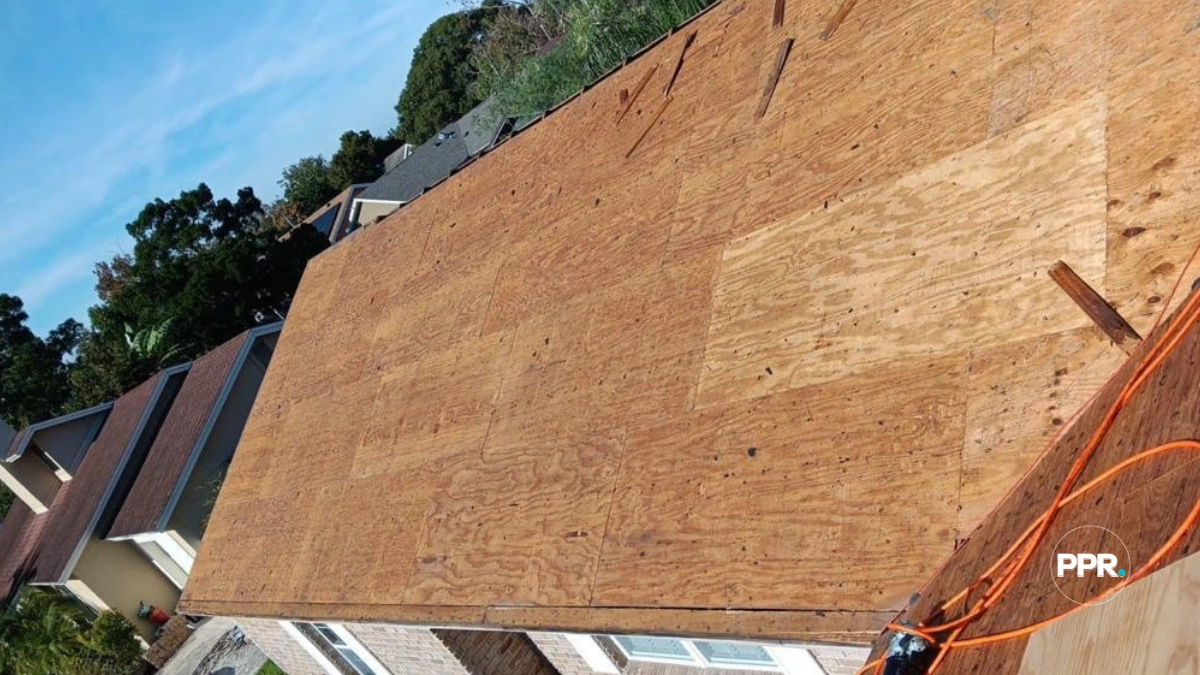


What is the best option for roof decking is a question many homeowners ask only after a problem appears, leaks, sagging areas, or unexpected damage after a storm. At first glance, roof decking may seem like a hidden detail. In reality, it is one of the most critical components holding your entire roof together.
According to roofing industry studies, a significant percentage of roof failures start below the shingles, often caused by weakened or improperly selected decking. That means even a brand-new roof covering can fail sooner than expected if the decking underneath is not right. Have you ever wondered why some roofs last decades while others struggle after just a few years?
The truth is simple: choosing the wrong roof decking material can lead to higher repair costs, moisture problems, and repeated maintenance. And once water reaches the decking, damage can escalate quickly. This is why roofing professionals stress that the right choice should be made before problems appear, not after.
In this guide, you will understand what really determines the best option for roof decking for your home, how different materials perform in real-world conditions, and what factors matter most when protecting your investment. If you want a roof that holds up over time, this is information you should not overlook.
Continue reading to make a confident, informed decision, before small issues turn into costly repairs.
Why Roof Decking Matters More Than Most Homeowners Realize
Most homeowners think the roof’s job ends with the shingles. That’s a common mistake. Shingles protect against rain and sun, but they do not hold your roof together. The roof decking does.
Roof decking is the structural base of your roofing system. It supports the shingles, absorbs loads from wind and rain, and helps keep everything aligned. When the decking is weak, even the best shingles cannot do their job properly. It’s like putting new tires on a car with a cracked frame. It may look fine, but the problem is still there.
Industry data shows that a large share of roof failures start below the surface. Moisture intrusion, long-term humidity, and poor material choices slowly weaken the decking. The damage often stays hidden until leaks appear or the roof begins to sag. By then, repairs are no longer simple or inexpensive.
You might ask yourself: “If my roof looks fine from the outside, why should I worry?” The answer is timing. Decking issues rarely announce themselves early. They build quietly, board by board, especially in areas exposed to heavy rain and strong storms.
In regions like Central Florida, where heat, humidity, and sudden storms are part of daily life, roof decking takes a constant beating. Homes that ignore this layer often face repeated repairs, emergency tarping after storms, or shortened roof lifespan. None of those are situations homeowners plan for.
Understanding why roof decking matters puts you ahead of the problem. It allows you to make smart decisions before damage spreads and costs rise. And that is exactly where choosing the right option makes all the difference.
What Is Roof Decking and How It Supports Your Roof System
Roof decking is the solid surface installed directly on top of the roof structure. It sits above the rafters or trusses and below every other roofing layer. In simple terms, it is the platform that holds your roof together.
This layer serves three essential functions. First, it provides structural support. The decking carries the weight of shingles, underlayment, and, in some cases, equipment or foot traffic during inspections.
Second, it creates a stable surface that allows materials to be installed correctly. Without a flat, secure base, fasteners loosen and materials shift over time. Third, it helps distribute loads evenly across the roof structure, reducing stress on specific points.
Many homeowners confuse roof decking with underlayment or even shingles. They are not the same. Shingles protect against weather. Underlayment adds a moisture barrier. The decking is what both layers rely on to stay in place. If the decking fails, everything above it is compromised.
Think of it this way. Shingles are the armor. Decking is the shield underneath. When the shield cracks, the armor cannot compensate.
Another detail often overlooked is how decking reacts to moisture. Even small amounts of trapped water can weaken boards over time. Nails may loosen. Panels may swell or soften. Once that happens, leaks become easier, and repairs become more complex.

Understanding what roof decking is and how it works helps clarify an important point: the roof is a system. Each layer depends on the one below it. Choosing the right decking material is not a technical luxury. It is a practical decision that affects durability, safety, and long-term costs.
What Is the Best Option for Roof Decking? A Quick, Clear Answer
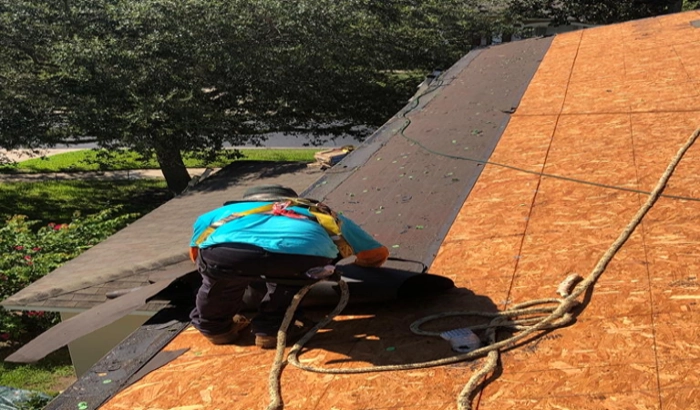
The short answer is this: the best option for roof decking depends on your home, your climate, and how long you want the roof to last. There is no one-size-fits-all solution, and anyone who says otherwise is oversimplifying the problem.
For most residential homes today, plywood and OSB are the two main options. Both are widely used. Both meet building standards when installed correctly. But they do not perform the same way in every situation.
Here is the practical breakdown most homeowners need:
- Plywood is often the better choice for homes exposed to high moisture, frequent storms, or long-term wear. It handles water more predictably and tends to maintain strength over time.
- OSB can be a solid option when budgets are tighter and moisture exposure is controlled. It performs well when installed properly and protected, but it is less forgiving if water problems appear.
- Metal or specialty decking is rarely used in standard residential roofing. It makes sense only in specific structural or design scenarios.
If your home sits in a humid, storm-prone area, cutting corners on decking is risky. Moisture does not ask for permission. It finds weak points and exploits them. On the other hand, overspending on materials that do not fit your roof system is also unnecessary.
So what matters most is not the label on the material. It is how that material matches your roof design, your environment, and your long-term expectations. Getting that balance right is what separates a roof that holds up from one that keeps asking for repairs.
In the next sections, we will break down each decking option clearly, without technical clutter, so you can see where each one works best, and where it does not.
The Most Common Roof Decking Materials Used Today
When homeowners compare roof decking options, three materials appear most often. Each one serves a purpose. Each one also has limits. Understanding where they work, and where they don’t, prevents costly mistakes later.
This is not about choosing what is popular. It is about choosing what fits your roof.
OSB Roof Decking: Pros, Cons, and Best Use Cases
OSB, or oriented strand board, is widely used in residential roofing. It is manufactured from compressed wood strands bonded with resin. The result is a strong, uniform panel that performs well when conditions are controlled.
The main advantage of OSB is cost. It is usually more affordable than plywood and readily available. When installed correctly and kept dry, it provides reliable structural support.
The weakness shows up with moisture. OSB does not like prolonged exposure to water. If leaks go unnoticed, panels can swell and lose strength. Once that happens, repairs often require replacement rather than simple fixes.
OSB works best for homes with good ventilation, solid moisture barriers, and regular inspections. In areas with frequent storms or humidity, it demands closer attention.
Plywood Roof Decking: Strength, Durability, and Cost
Plywood is built from thin layers of wood bonded together. This layered structure gives it better resistance to moisture and more predictable performance over time.
When water reaches plywood, it tends to dry more evenly. It is less likely to swell dramatically, which helps maintain nail grip and structural integrity. That is why many professionals prefer plywood for long-term durability.
The trade-off is price. Plywood typically costs more upfront. However, in climates with heavy rain or humidity, it often reduces the risk of repeated repairs. Over the life of the roof, that difference can balance out.
Plywood is a strong choice for homeowners who value durability and plan to stay in the home for years.
Metal and Specialty Decking: When They Actually Make Sense
Metal decking and specialty systems exist, but they are not common in standard residential roofing. These options are usually reserved for specific structural designs or commercial applications.
For most homes, metal decking adds complexity without clear benefits. It requires specialized installation and is not always compatible with traditional roofing systems.
Unless a roof design specifically calls for it, these materials are rarely the practical choice for residential properties.
Each option has a place. The key is knowing which one belongs under your roof, not someone else’s. Next, we will compare the two most common choices directly, so you can see how they perform side by side.
OSB vs Plywood: Which Roof Decking Is Better for Your Home?
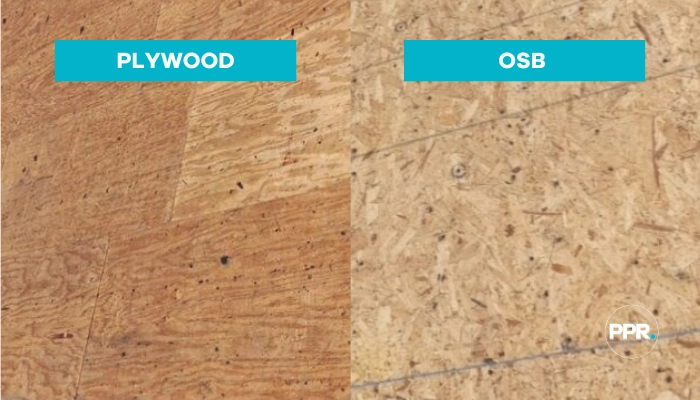
This comparison comes up in almost every roofing project. OSB or plywood. One costs less. The other tends to last longer. The real question is not which one is “better” in general, but which one makes sense for your home.
Let’s break it down in a practical way.
Strength and stability
Both materials meet building standards when installed correctly. In normal conditions, both can support shingles and roofing loads without issues. The difference appears over time, especially when moisture enters the equation.
Moisture performance
Plywood handles moisture more predictably. If it gets wet, it usually dries without major deformation. OSB reacts differently. Prolonged moisture can cause swelling, which affects nail hold and surface flatness. Once OSB swells, performance drops fast.
Durability after storms
In storm-prone areas, small leaks are not rare. Plywood gives you more margin for error. OSB demands quicker detection and repair. Think of it as tolerance. One forgives mistakes. The other does not.
Cost considerations
OSB usually wins on initial cost. Plywood costs more upfront, but often reduces the likelihood of future decking replacement. Over time, that difference can narrow.
So, which is better?
- If your home is exposed to frequent rain, humidity, or strong storms, plywood is often the safer choice.
- If moisture control is strong and budget is a priority, OSB can perform well when installed properly.
The smartest choice balances performance and risk. Spending less today should not mean paying more tomorrow. Up next, we will look at the factors that truly determine which decking option fits your situation best.
Key Factors That Determine the Best Roof Decking Option
Choosing roof decking is not about preference. It is about conditions. The same material can perform very well on one home and fail early on another. These are the factors that truly matter when deciding.
Climate and Moisture Exposure
Climate plays a bigger role than most homeowners expect. Heat, humidity, heavy rain, and sudden storms all stress roof decking over time. Moisture is the main enemy here.
In humid regions like Central Florida, decking is constantly exposed to moisture in the air, not just rain. When ventilation or protection fails, materials that do not handle moisture well degrade faster. This is why moisture tolerance should never be treated as a minor detail.
Roof Type and Structural Load
Not all roofs carry the same weight. Shingle roofs, tile systems, and metal roofs place different demands on the decking beneath them.
Heavier roofing materials require decking that can maintain strength and fastening power over time. If the decking weakens, fasteners loosen, and the entire roof system becomes vulnerable. Matching the decking to the roof type is essential for long-term stability.
Budget vs Long-Term Value
Budget matters. No one ignores cost. But cost should be measured over time, not just at installation.
Lower upfront savings can disappear quickly if repairs become frequent. Stronger decking materials often reduce the need for future interventions, inspections, or partial replacements. The goal is not to spend more. It is to spend wisely.
When these three factors align, the right option usually becomes clear. Next, we will look at the warning signs that tell you when roof decking may already be compromised.
Signs Your Roof Decking May Need Repair or Replacement
Roof decking problems rarely announce themselves loudly. Most of the time, the signs are subtle. They show up slowly and get ignored until the damage spreads.
Knowing what to look for makes a real difference. One of the most common signs is soft or spongy areas on the roof. If the surface feels uneven during an inspection, the decking underneath may be weakened. This often happens after long-term moisture exposure.
Another warning sign is sagging. A roof should sit flat and consistent. When sections dip or appear uneven, it can indicate structural stress below the shingles. This is not cosmetic. It is a structural issue.
Nail pops are also a red flag. When decking loses strength, fasteners no longer hold properly. Nails begin to push upward, damaging shingles and opening paths for water to enter.
Inside the home, water stains on ceilings or attic surfaces often point to decking problems. Even small stains matter. They suggest moisture has already passed through multiple layers.
You might think, “It’s just a minor leak.” That assumption causes more damage than the leak itself. Once decking begins to deteriorate, it rarely improves on its own. Delaying action usually turns a manageable repair into a larger replacement.
Catching these signs early helps protect the roof system and the structure beneath it. Up next, we will look at what homeowners should realistically expect when it comes to roof decking costs.
Roof Decking Costs: What Homeowners Should Expect
Roof decking costs often surprise homeowners. Not because the numbers are hidden, but because many people do not realize what actually affects the final price.
There is no flat rate. Decking costs depend on several variables working together. The first factor is how much decking needs attention. In some cases, only damaged sections require replacement. In others, moisture has spread further than expected, increasing the scope of work.
Material choice also plays a role. OSB generally comes with a lower upfront cost. Plywood costs more, but often reduces future repair risks. The difference is not just the price per panel, but how each material performs over time.
Labor is another factor. Removing roofing materials, inspecting the decking, and replacing compromised areas requires time and precision. Roof access, pitch, and layout can all influence labor effort.
It is important to understand this early: decking issues are rarely visible until work begins. This is why estimates often include allowances for potential replacement. It is not guesswork. It is preparation.
Homeowners who plan for this step avoid delays, rushed decisions, and unnecessary stress during the project. Next, we will explain how proper roof decking helps reduce emergency situations, including the need for temporary roof tarping.
Conclusion
Roof decking rarely gets attention until something goes wrong. By then, the damage is often larger, more expensive, and harder to contain. Understanding what is the best option for roof decking before problems appear gives homeowners an advantage that saves time, money, and stress.
Materials like OSB and plywood can both work well when chosen correctly. The difference is not just price. It is how they handle moisture, how they age, and how they protect the structure beneath your roof. Making this choice with the right information is far better than reacting after a leak or storm.
For homeowners in Orlando and Central Florida, roof decking decisions matter even more. Heat, humidity, and seasonal storms put constant pressure on roofing systems. A proper evaluation helps prevent repeat repairs and emergency situations down the road.
Roof decking issues get worse when ignored. A professional inspection now can help you avoid costly repairs later. Protect Preserve Roofing serves Orlando and Central Florida with clear evaluations and honest recommendations.
Schedule your inspection and protect your roof from the inside out.

Leave a Reply