



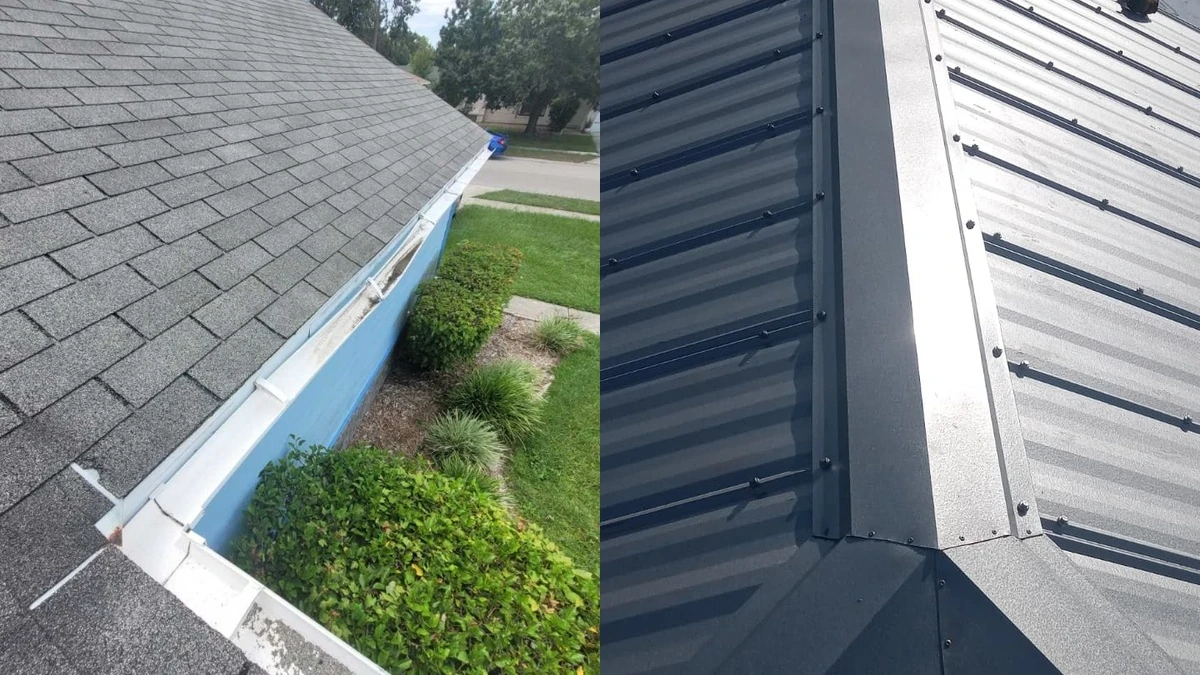


Metal Roof vs Shingles in Florida sounds like an easy choice… until you remember what Florida roofs actually go through.
This isn’t just “rain and sunshine.” It’s brutal heat, nonstop humidity, and storm seasons that can turn one bad afternoon into leaks, ceiling stains, and expensive repairs. And if you live in Orlando or anywhere in Central Florida, you’ve probably seen it happen to someone on your street.
So here’s the real question: do you want the cheaper option now, or the roof that holds up better when Florida weather stops playing nice?
According to NOAA, Florida is one of the most hurricane-prone states in the U.S., and severe weather events are a recurring reality year after year. That means your roof choice isn’t just about looks. It’s about protection, long-term cost, and peace of mind.
In this guide, you’ll get a clear, no-fluff comparison of metal roofing and shingles in Florida, including cost, lifespan, storm performance, and maintenance. Simple explanations. Real-world scenarios. And the kind of details most homeowners only learn after something goes wrong.
If you want to make a smart decision before the next storm forces your hand, keep reading.
Quick Answer: Metal Roof vs Shingles in Florida (Fast Pick)
Metal roof vs shingles in Florida comes down to one thing: how much risk you’re willing to live with when the weather turns ugly.
If you want the strongest option for Florida storms, metal roofing usually wins. It handles high wind better, sheds rain fast, and holds up longer when the sun is cooking your roof day after day. It also tends to need fewer major repairs over time, which matters when you don’t want surprise bills showing up like an uninvited guest.
If you want the lowest upfront cost, shingles are often the easier entry point. They’re widely used, faster to install, and they can look great on most home styles. For many homeowners in Central Florida, shingles feel like the practical choice because the price is easier to swallow right now. Just keep in mind: lower upfront cost can mean more maintenance later, especially after heavy storms.
If you care most about long-term value, the better choice depends on how long you plan to stay in the home. If you’re thinking short-term, shingles may make sense because you get a solid roof without paying the premium.
If you’re planning to stay put for 10+ years, metal often becomes the smarter investment because it can last longer and take more punishment without breaking down.
Now here’s the part most articles skip. Your location inside Florida changes the decision. Homes closer to the coast deal with salt air, which can be rough on certain metal systems if the wrong materials are used. Inland areas like Orlando still get heat, humidity, and strong storms, but corrosion tends to be less aggressive than right on the shoreline.
So what’s the best move?
If your main goal is storm protection and fewer headaches, lean metal. If your main goal is keeping the budget under control, lean shingles. If you want the best answer for your exact home, the smartest step is comparing both options based on your roof shape, ventilation, and how exposed your house is to wind.
And yes, there is a right way to do that. Let’s break it down.
What Florida Weather Really Does to Your Roof Over Time
Heat + UV: Why Florida Ages Roofs Faster
Florida sun doesn’t just “warm up” your roof. It slowly cooks it. Day after day, UV exposure dries out materials, weakens protective layers, and speeds up aging. Over time, that can mean cracking, warping, or surface breakdown that starts small and turns into leaks later.
Think of it like leaving a plastic tool outside for months. It doesn’t snap on day one. It gets brittle. Then one day it breaks when you actually need it.
That’s why roof material matters in Florida. Some systems handle constant heat better. Others look fine early on, but wear faster once the sun has had enough time to do damage.
Humidity + Rain: Leaks, Rot, and Hidden Damage Risks
Florida humidity is relentless. Even when it’s not raining, moisture is still in the air. That moisture finds weak spots. Tiny gaps around flashing. A vent seal that’s starting to fail. A small crack you can’t see from the ground.
Then the rain shows up and finishes the job.
The tricky part is that roof leaks don’t always announce themselves right away. Sometimes you won’t see a stain until the insulation is soaked or the wood has already started to weaken. By then, the repair is rarely “quick and cheap.”
Hurricane Winds: Uplift, Flying Debris, and Weak Points
Florida storms don’t just push water onto your roof. They try to lift it off your house. Wind creates uplift. It grabs edges, corners, and any loose section like a hand pulling up tape. If a roof system has weak fastening, poor installation, or worn-out areas, strong gusts can turn a small problem into missing sections.
And once the wind opens a path, rain gets in fast. Flying debris is the other threat. Branches, palm fronds, loose objects from nearby yards. It doesn’t take much impact to damage a roof surface or punch through a weak spot. That’s why storm resistance is not just a “nice feature” in Florida. It’s basic survival.
Salt Air in Coastal Florida: Corrosion and Fastener Problems
If you live near the coast, salt air is the quiet enemy most homeowners don’t think about. Salt speeds up corrosion. It can wear down metal components, fasteners, and exposed hardware faster than you’d expect. That doesn’t mean metal roofs are a bad idea near the ocean.
It means the details matter more. The wrong fasteners or coatings can shorten the life of the system. The right setup can perform extremely well.
Inland areas like Orlando and Central Florida usually don’t face the same level of salt exposure. But you still deal with heat, moisture, and storm season. So the roof still needs to be built for punishment.
Now that you know what Florida weather really does, the next step is simple: compare how metal roofing and shingles react to that reality.
Metal Roofing in Florida: Pros, Cons, and Real-Life Fit
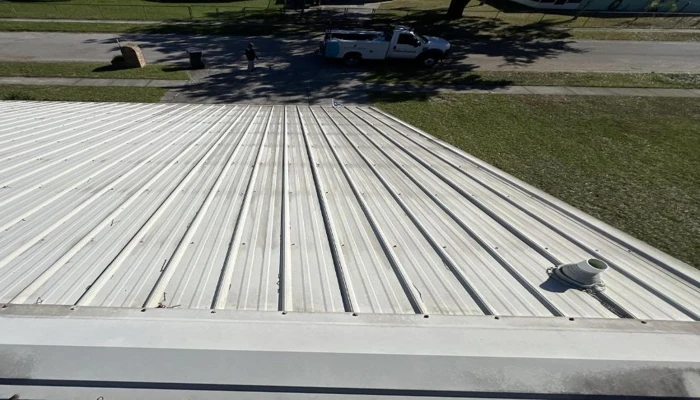
Metal roofing is popular in Florida for one main reason: it’s built to take a beating. When the weather goes from calm to chaotic, metal tends to hold its ground better than most homeowners expect.
That said, it’s not a magic shield. Like any roof, it’s only as strong as the materials, the installation, and the details around the weak points.
Why Metal Roofs Handle Wind and Heavy Rain Better
Metal panels are designed to create a tight, continuous surface. That helps in two ways. First, wind has fewer places to “grab” and peel things up. Second, rain moves off faster, which reduces the chance of water sitting where it shouldn’t. In Florida, where storms can dump heavy rain in a short time, that matters.
A properly installed metal roof can also reduce the number of failure points compared to systems with more exposed seams and overlapping pieces.
Metal Roof Lifespan in Florida (What to Expect)
Metal roofs are known for long service life. Many homeowners choose metal because they don’t want to replace their roof again anytime soon.
But here’s the honest truth. Lifespan depends on:
- The type of metal system used
- The quality of fasteners and sealants
- Proper ventilation and underlayment
- How well it’s maintained over time
- Exposure level (coastal salt air vs inland)
If those pieces are done right, metal can be a long-term solution that makes sense for Florida’s climate.
Energy Efficiency: Can Metal Roofs Lower Cooling Costs?
Florida heat makes your AC work overtime. Metal roofing can help because many systems reflect more solar heat than darker, heat-absorbing surfaces.
That doesn’t mean your power bill instantly drops in half. But in hot climates, a roof that reflects heat better can reduce attic heat buildup. That can improve comfort and help your HVAC system run less aggressively.
The biggest wins usually come when metal roofing is paired with:
- Proper attic ventilation
- Good insulation
- Smart color and finish choices
Common Metal Roof Problems (Noise, Dents, Expansion, Leaks)
Metal roofing has drawbacks. Ignoring them is how people end up regretting a “premium upgrade.” Here are the most common concerns in Florida homes:
Noise
Rain on metal can be louder than shingles. Most of the time, proper insulation and attic space reduce this. But yes, you may notice it more during heavy storms.
Dents
Falling branches or debris can dent metal panels. This is more common with thinner panels or certain profiles. It’s not always a functional problem, but it can be an aesthetic one.
Thermal expansion
Metal expands and contracts with temperature swings. Florida heat makes this more noticeable. If the system isn’t designed or installed correctly, movement can stress seams and fasteners.
Leaks at penetrations
Most roof leaks don’t happen in the “field” of the roof. They happen around vents, skylights, chimneys, and flashing details. Metal is strong, but bad flashing is still bad flashing.
Metal Roof Maintenance Checklist for Florida Homeowners
Metal roofs still need maintenance. The difference is that the maintenance is often more predictable.
A simple Florida-friendly checklist includes:
- Inspect fasteners and exposed hardware for loosening
- Check sealants around vents and flashing
- Clear debris from valleys and drainage paths
- Look for signs of corrosion near edges and gutters
- Inspect after major storms, even if you don’t see leaks inside
Metal roofing can be an excellent choice in Florida. But it works best when the system matches your home, your location, and your budget. Next, let’s look at shingles. Because for many Central Florida homeowners, shingles are still the most common option for a reason.
Shingle Roofing in Florida: Pros, Cons, and Best Use Cases
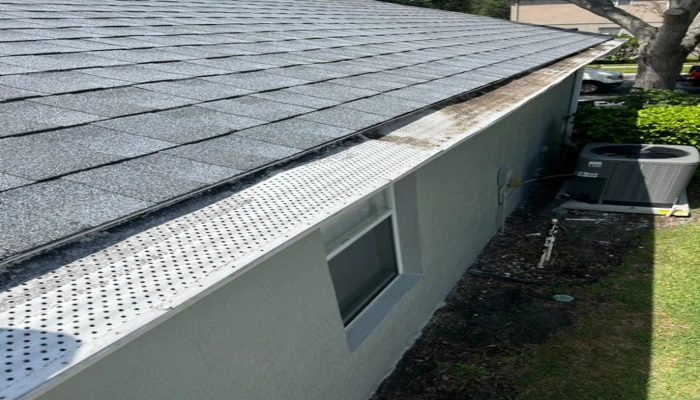
Shingles are still the most common roof choice in Florida because they get the job done without crushing your budget. They install faster, they’re easier to repair, and most neighborhoods are already built around that look.
For many homeowners in Orlando and Central Florida, shingles make sense when you want a solid roof at a lower upfront price. If a storm damages a section, repairs can be simpler and cheaper compared to replacing metal panels.
But Florida is not gentle on shingles. Heat and UV can dry them out. Humidity can speed up algae growth. Strong winds can lift edges, especially on older roofs or roofs with weak installation. Over time, shingles can lose granules, weaken, and start letting water in through small openings you won’t notice until the ceiling stain shows up.
Shingles can be a smart choice if you plan to sell in a few years, if your budget is tight, or if your roof design is straightforward and easy to maintain. Just don’t treat shingles like a “set it and forget it” roof in Florida. A little prevention goes a long way, especially before storm season.
Next, let’s talk money. Not the vague “metal costs more” answer. The real cost breakdown that actually helps you decide.
Metal Roof vs Shingles in Florida: Cost Breakdown (Short-Term vs Long-Term)
Most homeowners don’t choose a roof based on “what’s best in theory.” They choose based on what they can afford, what they’re scared of dealing with later, and how long they plan to stay in the house.
So let’s make this simple and practical.
Upfront Cost: What You’re Really Paying For
Shingles usually cost less upfront because the materials are cheaper and the installation is more straightforward. That’s why shingles are often the go-to choice when you need a replacement fast and the budget is tight.
Metal costs more upfront for a few reasons. The materials cost more. The labor is more specialized. And the details matter more, especially around edges, flashing, and penetrations. In plain terms, shingles are the “get it done now” option. Metal is the “pay more now to worry less later” option.
Repair Costs After Storms: Metal vs Shingles
Florida storms don’t ask what roof you picked. They test it anyway. Shingles can be easier to patch after storm damage. If a few shingles lift or break, a repair can be localized. That’s a big advantage when the damage is minor.
Metal roofs can take storms well, but repairs can be more complex if a panel gets dented, loosened, or damaged near seams. It’s not always expensive, but it often requires a crew that knows what they’re doing. That matters when everyone in your area is calling roofers at the same time.
Maintenance Costs Over 5, 10, and 20 Years
Here’s where people get surprised. Shingles may cost less upfront, but they often need more attention over time in Florida. Heat, humidity, and wind can slowly wear them down. Small fixes and preventive work can add up.
Metal roofs usually need less frequent major work, but when something does need attention, it can be more technical. Think fewer issues, but higher stakes if details were done wrong.
Cost Per Year of Roof Life (The Smarter Comparison)
The best way to compare cost isn’t just the price tag today. It’s the cost spread over the years you expect the roof to perform well.
A roof that costs less but needs replacement sooner can end up costing more over time. A roof that costs more upfront but lasts longer can be a better deal long-term, especially in a state where storms are part of life. This is the comparison most homeowners wish they made before signing anything.
What Changes the Price in Orlando and Central Florida
Roof pricing isn’t one-size-fits-all, even in the same city.
In Central Florida, cost can shift based on:
- Roof size and slope
- Tear-off complexity (how many layers come off)
- Deck condition and wood replacement needs
- Ventilation upgrades
- Flashing and roof penetration details
- Storm damage repairs before installation
- Material availability during busy seasons
If you want the best decision, compare both options based on your home, not someone else’s estimate. Next, let’s go beyond cost and look at durability. Because in Florida, durability isn’t a bonus feature. It’s the difference between “fine” and “flooded.”
Durability Face-Off: Which Roof Holds Up Better in Florida?
Florida durability isn’t about looking good on day one. It’s about staying sealed when wind, heat, and heavy rain hit at the same time.
Metal roofs usually perform better under high wind and long-term sun exposure. They tend to resist lifting, and they don’t break down from UV the same way shingles can. That’s why many homeowners see metal as the “storm-ready” option.
Shingles can still hold up well, especially when installed correctly and maintained. But they’re more vulnerable at the edges and corners, where wind likes to start trouble. Over time, Florida heat can also dry them out, making them more likely to crack, lift, or lose protective granules.
Leaks are a key point in this comparison. Most leaks don’t happen because the whole roof fails. They happen because one weak spot gives up first. Flashing, vents, valleys, and seals matter as much as the roof material itself. A strong roof system is the one that stays tight in those areas, season after season.
Next, let’s talk about something most homeowners care about more than they admit: how the roof looks, feels, and fits the home.
Which Roof Is Better for Your Home Style and Neighborhood?
Your roof protects your home, but it also changes how your house looks from the street. That matters more than most guys admit.
Metal roofing can look modern and “built tough.” It fits well on newer homes and clean designs. Shingles are the safer choice for curb appeal because they match almost any style and blend into most Central Florida neighborhoods.
HOA rules can also limit your options. Some communities restrict roof materials, colors, or profiles. It’s smart to check before you commit to anything. Noise is another factor. Metal can sound louder during heavy rain if insulation is weak. Shingles are naturally quieter.
Resale value depends on the buyer. Metal can feel like a premium upgrade. Shingles can still sell well if the roof is newer and the home looks well cared for. Next, let’s talk insurance and Florida roof requirements, because that’s where many homeowners get surprised.
Insurance and Florida Roof Requirements (What Homeowners Should Know)
In Florida, your roof isn’t just a home feature. It’s a risk factor. Insurance companies know it, and they price policies around it.
Roof type can matter, but what matters more is how well the roof is built and how it performs under wind. A strong-looking roof with weak details can still fail an inspection. A well-installed roof with solid wind resistance can make life easier when you need coverage.
Inspections are common, especially after storms or when a roof gets older. If your roof shows signs of wear, patchy repairs, or poor workmanship, it can raise red flags. That can lead to higher premiums, coverage limits, or demands to replace the roof sooner than you planned.
Wind mitigation is another big deal in Florida. It’s not just the material. It’s the system. How the roof is attached, how edges are protected, and how vulnerable areas are sealed can affect how the roof holds up and how it’s viewed during an evaluation.
One mistake homeowners make is waiting until there’s a leak to take action. Another is choosing the cheapest install and hoping for the best. In Florida, that gamble can get expensive fast.
When a Temporary Roof Cover Makes Sense (And When It Doesn’t)
A temporary roof cover can be a smart short-term move after storm damage. It buys time. It helps block water. And it can prevent a small leak from turning into soaked insulation, stained ceilings, and mold. But it’s not a real roof. It’s a patch. And if it’s done wrong, it can create new problems fast.
A temporary cover makes sense when your roof has active leaks, missing materials, or exposed areas after wind damage, and you need protection until repairs can be completed. The goal is simple: keep water out and stop the damage from spreading.
It does not make sense to treat a temporary cover like a long-term solution. Florida sun, wind, and rain will punish it. If it loosens or tears, you’re right back where you started.
The best way to avoid emergency situations is prevention. Before storm season, focus on the weak spots that fail first:
- Flashing around vents and edges
- Seals around roof penetrations
- Loose or lifted materials
- Debris buildup that blocks drainage
After a storm, the safest move is checking for warning signs without taking risks. If you see ceiling stains, dripping, sagging drywall, or debris impact on the roof, it’s time to act quickly. Waiting rarely makes it cheaper.
Orlando and Central Florida Roof Help (Service Area Overview)
Orlando and Central Florida roofs take a specific kind of beating.
You get intense heat, heavy rain, and storms that hit hard and fast. Most damage doesn’t look dramatic from the street. It shows up as small failures that grow over time.
The most common issues we see in this area usually start in the same places: flashing, roof vents, valleys, and any spot where water can sneak in during wind-driven rain. Shingles may lift or weaken at edges. Metal systems may develop problems around fasteners or penetrations if the details weren’t handled correctly.
The smartest move is catching these issues early, before they turn into interior damage. A clear inspection can show what’s happening on the surface and what may be starting underneath.
Conclusion
Metal roof vs shingles in Florida is not a one-size-fits-all decision. It depends on what you value most: lower upfront cost, long-term durability, storm performance, or fewer repairs over time.
Shingles can be a solid choice when the budget is tight or when you want a faster, more familiar roof replacement. Metal can be the better option when you want stronger storm resistance and long-term performance, especially in a state where harsh weather is part of the deal.
The best choice comes down to your home, your location, and how long you plan to stay. If you want a roof that protects your investment and keeps problems from piling up, the smartest step is getting a clear recommendation based on real conditions, not guesswork.

Leave a Reply