



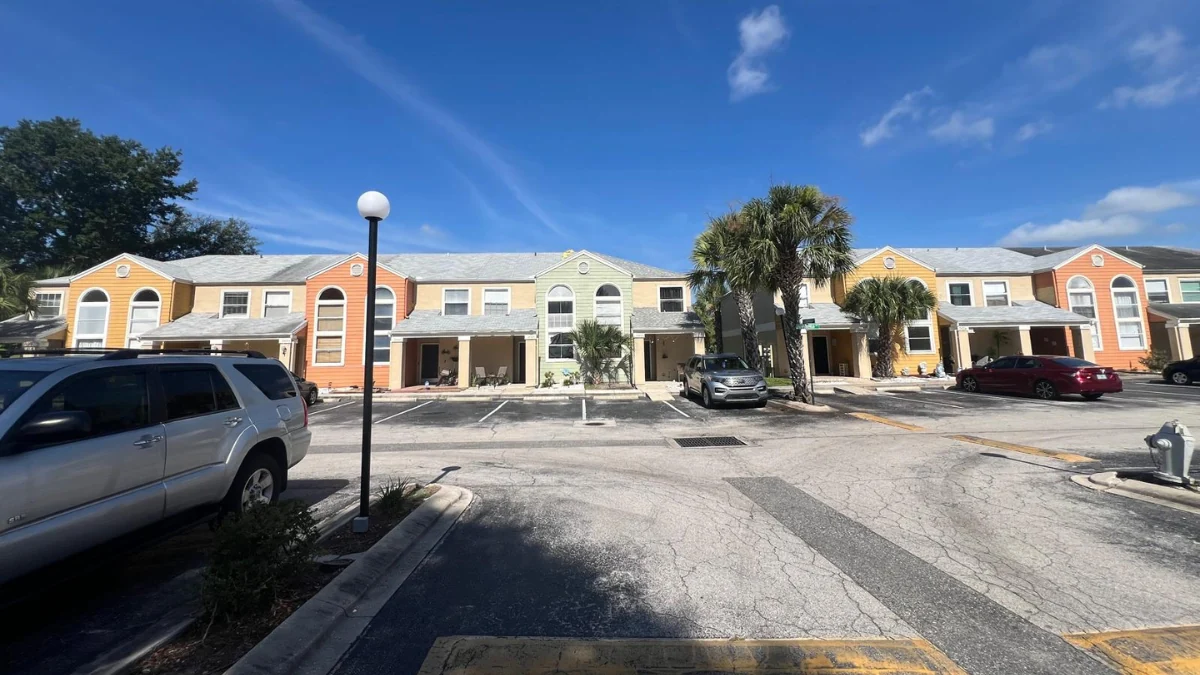


What is the best roofing material? It’s the question nearly every homeowner faces when the time comes to replace or build a roof. The answer isn’t simple and that’s why so many people feel stuck. According to the National Association of Home Builders, the average roof in the U.S. lasts between 15 and 30 years, depending heavily on the material. That means your choice today could decide whether you replace your roof once in your lifetime.
So, this guide was created to make your choice easier, smarter and safer. We’ll compare the 13 most popular roofing materials, breaking down their costs, durability, pros and cons. You’ll see which materials fit different climates, which stand up best in places like Florida, and which give you the most value for money.
By the end, you’ll not only know which material is “best” in general, you’ll know which material is best for your home, your budget and your peace of mind. Don’t miss this opportunity to make a decision that could save you tens of thousands of dollars over the years.
What Is the Best Roofing Material?
The truth is simple: there isn’t a single “best” roofing material for every home. The best choice depends on budget, climate, roof design and how long you want it to last. Here’s the quick breakdown homeowners need:
- Best for affordability: Asphalt shingles — the most common choice, easy to install, and budget-friendly.
- Best for longevity: Slate or clay tiles — these can last 50 to 100 years if maintained properly.
- Best for energy efficiency: Metal roofing — reflects heat, cuts cooling costs, and stands up to severe weather.
- Best for flat roofs: TPO or EPDM — durable membranes designed to prevent water pooling.
- Best for eco-friendly design: Green roofs or solar shingles — combine protection with sustainability.
So, what is the best roofing material? Is the one that gives you the right mix of cost, durability and performance for your specific home.
Key Factors When Choosing a Roofing Material
Choosing a roof isn’t just about picking what looks good. The right material should match your budget, climate, roof design and long-term goals. Here are the key factors to weigh before making the call.
Cost vs. lifespan
Some homeowners look at upfront cost only. However, the cheapest roof often becomes the most expensive in the long run.
- Asphalt shingles: Low upfront cost, shorter lifespan (15–25 years).
- Metal roofing: Higher upfront cost but can last 40–70 years.
- Slate and clay: Very expensive initially but may outlive the house.
Climate and location
Where you live makes a huge difference.
- Hot, humid climates (like Florida): Metal, clay or concrete tiles resist heat and hurricane-force winds.
- Cold climates: Slate and metal shed snow and ice better than asphalt.
- Storm-prone areas: Look for impact-resistant shingles rated for hail and high winds.
Roof slope and structure
- Flat roofs: Need specialized materials like TPO, EPDM or modified bitumen to prevent standing water.
- Steep roofs: Asphalt, metal and tiles perform best.
- Heavy materials (slate, clay): May require structural reinforcement before installation.
Style and resale value considerations
Your roof is one of the first things buyers notice. The right material can boost curb appeal and resale value.
- Premium look: Slate, clay, and standing seam metal.
- Classic style: Asphalt shingles (especially architectural shingles).
- Eco-conscious buyers: Solar shingles and green roofs.
A Zillow study found that homes with high-quality roofing materials sold for up to 7% more than those with basic options.
Pro tip from Protect Preserve Roofing: Your “best” roofing material isn’t just about what lasts longest or costs least. It’s about finding the sweet spot between price, performance and appearance that fits your home and your future plans.
The 13 Best Roofing Materials Compared
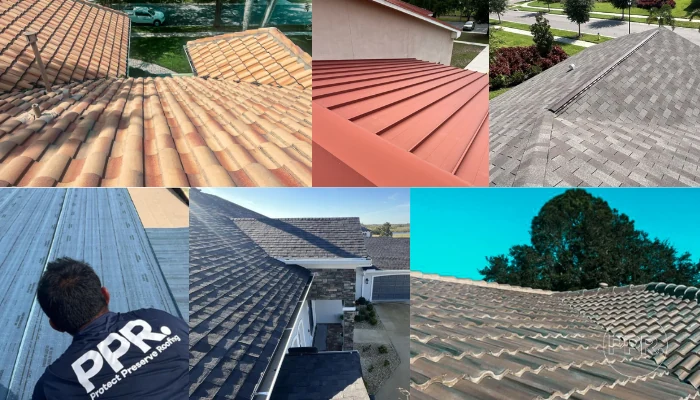
There’s no single material that fits every home. Each option has trade-offs in price, durability, style and maintenance. Below is a side-by-side comparison of the 13 most popular roofing materials:
| Roofing Material | Average Cost (per sq.ft.) | Lifespan | Pros | Cons |
| Asphalt Shingles | $3 – $6 | 15 – 25 years | Affordable, widely available, easy to install | Shorter lifespan, prone to storm damage |
| Architectural Shingles | $4 – $7 | 20 – 30 years | Better durability & curb appeal than basic asphalt | Higher cost than standard asphalt |
| Metal Roofing (Steel/Aluminum) | $6 – $12 | 40 – 70 years | Energy-efficient, fire-resistant, durable against storms | Higher upfront cost, noise if not insulated |
| Standing Seam Metal | $10 – $16 | 50+ years | Sleek modern look, long lifespan, excellent weather resistance | Expensive, requires pro installation |
| Copper/Zinc Roofing | $15 – $25 | 70 – 100+ years | Premium look, extremely durable, recyclable | Very expensive, limited contractors |
| Slate Roofing | $20 – $40 | 75 – 100+ years | Longest lifespan, highly fire-resistant, luxury appeal | Heavy (may need reinforcement), highest cost |
| Clay Tiles | $12 – $20 | 50 – 100 years | Ideal for hot climates, fire-resistant, stylish Mediterranean look | Heavy, brittle, high cost |
| Concrete Tiles | $10 – $15 | 40 – 75 years | Cheaper alternative to clay, durable, energy-efficient | Heavy, less color variety, may absorb water |
| Wood Shingles/Shakes | $6 – $12 | 20 – 40 years | Natural look, eco-friendly, decent insulation | Prone to fire, rot, and insects, requires regular maintenance |
| Synthetic Roofing (Rubber/Composite) | $7 – $13 | 40 – 50 years | Mimics slate/wood at lower cost, lightweight, durable | Still costly, relatively new so long-term data limited |
| Flat Roof Systems (TPO, EPDM, Modified Bitumen) | $5 – $10 | 20 – 30 years | Good for flat/low-slope roofs, waterproof membranes | Shorter lifespan, seams can fail without maintenance |
| Green Roofs (Living Roofs) | $15 – $25 | 40+ years (with care) | Eco-friendly, improves insulation, reduces stormwater runoff | High maintenance, costly installation, requires structural support |
| Solar Shingles | $20 – $30 | 25 – 30 years | Generates energy, modern appeal, tax credits possible | High upfront cost, limited installers, shorter lifespan than panels |
| Stone-Coated Steel | $9 – $14 | 40 – 70 years | Combines strength of metal with shingle/tile style, storm-resistant | More expensive than asphalt, fewer contractors available |
Quick reminder: Protect Preserve Roofing helps homeowners compare these choices based on budget, location and long-term goals with honest advice, not sales pressure.
What Is the Best Material for a Flat Roof?
Flat and low-slope roofs require special materials. Unlike steep roofs, water doesn’t run off as quickly, so the system needs to resist standing water, UV exposure and thermal expansion. Choosing the wrong material can mean leaks, bubbles and costly repairs. Here are the top flat roofing materials:
| Flat Roof Material | Average Cost (per sq.ft.) | Lifespan | Pros | Cons |
| TPO (Thermoplastic Polyolefin) | $5 – $9 | 20 – 30 years | Energy-efficient (reflective), resists algae & UV, lightweight | Seams may fail if poorly installed, limited color range |
| EPDM (Ethylene Propylene Diene Monomer) | $4 – $8 | 20 – 30 years | Budget-friendly, durable, easy to repair | Dark color absorbs heat, can shrink over time |
| Modified Bitumen | $4 – $7 | 15 – 25 years | Strong against foot traffic, flexible in cold climates | Shorter lifespan, seams prone to leaks |
| PVC Roofing | $6 – $12 | 25 – 35 years | Highly durable, chemical resistant, reflective surface | Higher cost, installation requires skilled contractors |
| Built-Up Roofing (BUR) | $5 – $8 | 20 – 30 years | Multi-layer protection, proven track record | Heavy, messy installation, requires structural support |
Special consideration for flat roofs
Because flat roofs are more prone to pooling water, insurers often scrutinize claims closely. Regular maintenance is key. If water intrusion occurs, a professionally installed tarp ($800–$1,600) can prevent further damage until repairs are made. However, never nail or screw a tarp into the roof, as that can void coverage.
What Is the Best Metal Roofing Material?
Metal roofing is no longer just for barns or industrial buildings. Today, it’s one of the fastest-growing residential choices because it combines durability, style and energy efficiency. Therefore, not all metal is created equal. The “best” metal roof for your home depends on budget, climate and style goals. Here’s how the main types compare:
| Metal Type | Average Cost (per sq.ft.) | Lifespan | Pros | Cons |
| Steel (Galvanized or Galvalume) | $6 – $12 | 40 – 70 years | Strong, affordable, widely available, recyclable | Can corrode if coating fails, needs repainting over time |
| Aluminum | $7 – $13 | 40 – 60 years | Lightweight, resists rust (ideal for coastal areas), reflective | Softer metal, dents more easily from hail/debris |
| Copper | $15 – $25 | 70 – 100+ years | Premium look, patinas beautifully, extremely long-lasting | Very expensive, limited availability |
| Zinc | $12 – $20 | 60 – 100 years | Self-healing surface (repairs scratches), eco-friendly | High upfront cost, fewer skilled contractors |
| Standing Seam Metal | $10 – $16 | 50+ years | Sleek, modern design, hidden fasteners, excellent weather resistance | Costly, requires professional installation only |
| Stone-Coated Steel | $9 – $14 | 40 – 70 years | Blends strength of metal with the look of shingles or tiles | More expensive than basic steel, fewer installers |
Important notes
- Metal roofing often qualifies for insurance discounts because of its fire resistance and storm durability.
- It reflects solar heat, reducing cooling costs, making it a smart investment in hot regions like Florida.
- While upfront costs are higher, metal roofs often pay off by lasting two to three times longer than asphalt shingles.
Quick reminder: Protect Preserve Roofing installs and services multiple types of metal roofing, helping homeowners pick the option that maximizes both protection and resale value.

Also read:
Roofing Material Costs: Side-by-Side Comparison

Homeowners want to know: What will it cost me now, and how long will it last? Below is the most updated cost comparison of popular roofing materials:
| Material | Cost per sq.ft. (Installed) | Maintenance Needs | Best For |
| 3-Tab Asphalt Shingles | $3 – $6 | Low, but shorter durability | Budget-focused homeowners |
| Architectural Shingles | $4 – $7 | Moderate, better weather resistance | Mid-range balance of cost & style |
| Metal Roofing (Steel/Aluminum) | $6 – $12 | Minimal, repainting or coating after decades | Long-term durability, energy savings |
| Standing Seam Metal | $10 – $16 | Very low, professional installation required | Modern design, high-storm areas |
| Copper/Zinc | $15 – $25 | Very low, natural patina protects metal | Premium homes, historic appeal |
| Slate | $20 – $40 | Very low, but heavy structure requirements | Luxury homes, longest lifespan |
| Clay Tile | $12 – $20 | Low, fragile if walked on | Hot climates, Mediterranean style |
| Concrete Tile | $10 – $15 | Low, can absorb water | Affordable alternative to clay |
| Wood Shingles/Shakes | $6 – $12 | High, needs sealing & pest protection | Rustic, natural look lovers |
| Synthetic (Composite, Rubber, Plastic) | $7 – $13 | Low, engineered durability | Mimicking slate/wood at lower cost |
| Flat Roof Systems (TPO, EPDM, Modified Bitumen, PVC) | $4 – $12 | Moderate, seams & coatings need maintenance | Low-slope/flat roofs, commercial use |
| Green Roofs (Living Roofs) | $15 – $25 | High, requires watering and ongoing care | Eco-conscious homeowners, urban areas |
| Solar Shingles | $20 – $30 | Moderate, tech upgrades may be needed | Energy savings, modern sustainability |
| Stone-Coated Steel | $9 – $14 | Low, very storm-resistant | Blend of strength & curb appeal |
Why this matters?
When you see roofing materials side by side, it’s clear: the lowest upfront cost isn’t always the smartest investment. Many homeowners spend more over time replacing cheaper roofs than they would have by installing a long-lasting option once.
That’s why Protect Preserve Roofing helps clients run the math: what’s cheaper today, what’s smarter tomorrow, and what fits your home’s structure best.
Maintenance Tips to Extend the Life of Your Roof
Even the best roofing material won’t last its full lifespan without regular care. A slate roof might be rated for 100 years, but neglect can cut that in half. Here are the steps every homeowner should follow to make their roof last longer and avoid costly surprises.
- Inspect your roof twice a year: Do a visual check in spring and fall. Use binoculars from the ground, walking on your roof can cause more harm than good.
- Keep gutters and downspouts clear: Clogged gutters back up water, causing leaks and ice dams. Clean them at least twice a year.
- Trim overhanging branches: Branches scrape shingles and drop debris that holds moisture. In storms, they can break and cause major damage.
- Address small repairs immediately: Small issues escalate quickly into expensive replacements and insurance often denies claims if the damage is traced back to neglect.
- Prevent moss and algae growth: In humid climates, algae streaks can weaken shingles. Use zinc or copper strips near the ridge to keep growth under control.
- Schedule professional inspections: Annual inspections give you documented proof that you maintained your roof, valuable if you ever need to file an insurance claim.
- Be smart about emergency tarps: If your roof gets damaged in a storm, an emergency tarp can save thousands in further damage, but only if installed correctly.
Bottom line: Routine maintenance and smart emergency responses can add decades of life to your roof and save you thousands in avoidable costs.
Conclusion: Choosing the Best Roofing Material for Your Home
So, what is the best roofing material? After comparing 13 options, the truth is clear: the best choice depends on your budget, climate, home design and long-term goals. Asphalt shingles may be the most common, but metal, slate or clay could deliver far more value over time. For flat roofs, membranes like TPO or PVC often win. For premium homes, copper or slate can last a lifetime.
The most important thing is making a choice that balances cost, durability, style and maintenance; not just for today, but for decades to come. A roof isn’t just a cover over your head. It’s an investment in your home’s safety, energy efficiency and resale value.
But here’s the good news: you don’t have to figure it out alone. Protect Preserve Roofing helps homeowners every day to:
- Compare material costs and lifespans side by side.
- Evaluate which roofing system fits their climate best (from Florida heat to northern snow).
- Prevent costly mistakes by inspecting, advising, and guiding with honesty.
- Offer emergency protection with safe, insurance-friendly tarping when storms hit.
So, call us for a free roof consultation or get a quick estimate for a roof project. Your home deserves a roof built for 2025 and beyond.
Don’t let your roofing decision be a gamble. The right choice today could save you tens of thousands of dollars in repairs and replacements tomorrow.


Leave a Reply