



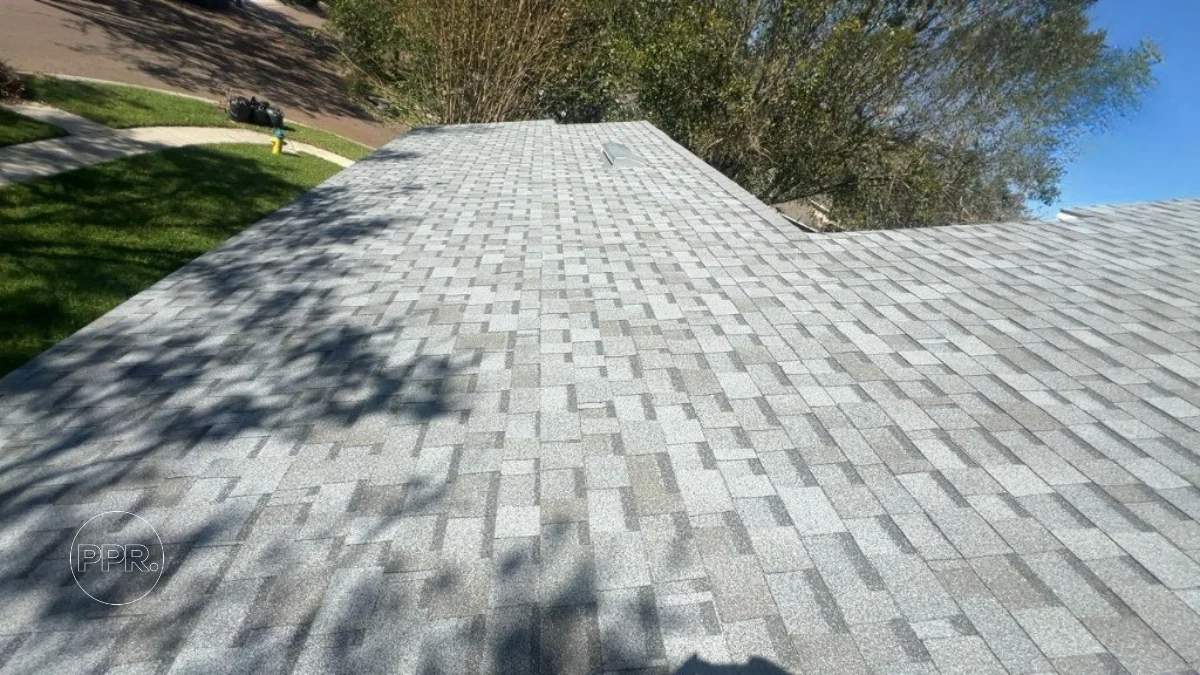


How long do asphalt shingles last? It’s a fair question, especially if your roof is starting to show signs of age. Most homeowners expect their roof to hold up for decades. However, the actual asphalt shingles lifespan depends on several factors, including the type of shingle, your climate and even how well your attic breathes.
And here’s the kicker: a shingle rated for 30 years doesn’t always last that long in real-world conditions. On the flip side, even basic 3-tab shingles can surprise you with their durability if installed and maintained correctly.
So, how can you know what to expect from your asphalt roof? Today you’ll discover everything you need to know. This guide will give you straightforward answers, real numbers and insights from roofing professionals who’ve seen it all. We’ll walk you through the real asphalt shingle roof lifespan, break it down by type and help you spot the red flags when your roof is reaching its end.
By the end, you’ll know exactly what to look for and how to extend your roof’s life without burning through your wallet.
Table of contents
How Long Do Asphalt Shingles Really Last?
The short answer is: 15 to 40 years. Therefore, if you want to know what actually makes those shingles hold up – or fall apart – over time, you need to ask the real question: what affects the lifespan of asphalt shingles?
There are three major things:
- Type of asphalt shingle (not all are created equal).
- Installation quality.
- Weather and sun exposure.
First, there are three main types of asphalt shingles:
| Type | Average Lifespan | Notes |
| 3-Tab Shingles | 15–20 years | Thin and basic; most affordable upfront. |
| Architectural Shingles | 20–30+ years | Thicker, more durable, and better in wind/rain. |
| Premium Shingles | 30–40 years (in ideal cases) | High-end look, added layers for strength. |
Second, a shingle installed the wrong way won’t survive one good Texas summer, for example. Because even a great product fails with a sloppy install. And third, shingles suffer more in places with:
- Frequent hail or strong winds.
- Constant sun and high UV.
- Poor ventilation in the attic.
We’ll explain all of this in the next section, but keep in mind that roofs in mild climates last longer. In states like Texas or Florida, the lifespan tends to be reduced by 5 to 10 years compared to colder areas.
What Affects the Lifespan of Asphalt Shingles?
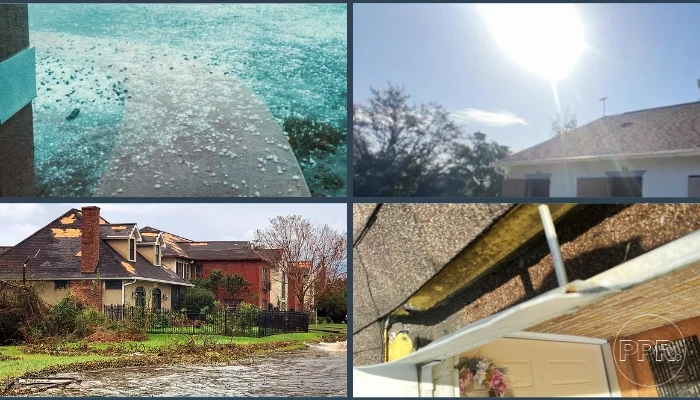
A shingle doesn’t wake up one day and decide to crack. If your roof is aging faster than expected, there’s a reason. Several, in fact, let’s check:
- Sun exposure (UV radiation): Asphalt shingles hate the sun. UV rays dry them out over time, making them brittle and shave years off the asphalt shingle lifespan:
- South-facing slopes wear out faster.
- Heat accelerates granule loss.
- Reflective coatings help, but only when installed right.
- Storms, wind and hail: Strong winds can lift the edges of shingles. Hail bruises the surface and breaks the protective granules:
- 3-tab shingles struggle more with wind (rated ~60 mph).
- Architectural shingles do better (often up to 130 mph).
- Hail-damaged shingles don’t always leak right away, but the damage is done.
- Poor ventilation and moisture build-up: This one’s sneaky. When your attic gets too hot or traps moisture, it cooks the roof from the inside:
- Mold eats into the decking.
- Shingles “bubble” from underneath.
- Your roof lifespan drops even with zero exterior damage.
- Bad installation: Sorry, but not all professionals are created equal. Misaligned shingles, skipped underlayment, poor nailing… all of this shortens the lifespan:
- Nails driven too high or too low? Risk of lifting and leaks.
- Wrong number of nails? Failures in strong winds.
- Missing starter strip or ridge cap? Shorter lifespan, guaranteed.
- Maintenance (or lack of it): Roofs aren’t “set it and forget it.” Little issues ignored can turn into big ones fast. Keep an eye out for:
- Missing or cracked shingles.
- Granules in the gutter.
- Moss or algae buildup.
3-Tab vs Architectural vs Luxury: What’s the Difference in Lifespan?
Not all asphalt shingles are built the same. While they may look similar from the street, the differences in materials, thickness and construction can drastically affect how long they’ll actually last on your roof.
3-tab asphalt shingles
These are the traditional flat shingles you’ll see on many older homes. Lightweight and budget-friendly, they’re often used on starter homes or rental properties.
- Expected Lifespan: 12 to 20 years (real-world average: ~15 years).
- Best for: Homeowners on a tight budget or those needing a short-term roofing solution.
- Key characteristics:
- Made of a single asphalt layer.
- Rated for winds up to 60 mph.
- More prone to curling, cracking and losing granules.
- Typically fade faster under intense sun.
Architectural shingles
These shingles have a layered look and are made from thicker materials. They’re now the most popular type of asphalt shingle in the U.S.
- Expected lifespan: 20 to 30 years (real-world average: 25+ years).
- Best for: Homeowners who want better protection, improved curb appeal and a great return on investment.
- Key characteristics:
- Constructed with multiple layers for durability.
- Wind resistance up to 130 mph.
- Hold up better in harsh weather conditions.
- More stylish and textured appearance.
Luxury shingles
These are the top-of-the-line asphalt shingles. Heavier, thicker, and engineered to replicate the look of slate or wood shake.
- Expected lifespan: 30 to 50 years (real-world average: 40+ years).
- Best for: High-end homes or long-term homeowners looking for maximum longevity and visual appeal.
- Key characteristics:
- Highest wind and impact resistance.
- Superior fire and UV protection.
- Requires a reinforced roof structure due to weight.
- Most expensive asphalt option.
Pro tip from Protect Preserve Roofing: Manufacturer warranties can be misleading. A 30-year shingle might only last 20 in harsh weather. Proper installation and regular maintenance matter just as much as the type of shingle you choose.
What Do Studies and Real-World Tests Say About Durability?
When it comes to asphalt shingles, lab tests tell one story, but the real world can tell another. So, what do independent studies, insurance reports and on-the-ground roofing pros have to say about how these shingles actually perform over time? Let’s break it down without fluff.
Manufacturer ratings vs reality
Manufacturers often rate their shingles with lifespans like “30 years” or even “50 years” for luxury models. However, studies and roofing professionals agree: those numbers reflect “ideal conditions”, not real-world wear and tear.

In practice, most shingles last:
- 3-tab shingles: ~15 years.
- Architectural shingles: ~25 years.
- Luxury shingles: Often pass 35+ years if maintained properly.
Bottom line: Expect about 70–80% of the “labeled lifespan” in actual use, depending on your location, roof ventilation and installer quality.
Insurance industry and weather impact
A report by the Insurance Institute for Business & Home Safety (IBHS) tested various asphalt shingles under simulated storm conditions. Key findings:
- High-quality architectural shingles resisted winds up to 130 mph with minimal damage.
- Poorly installed 3-tab shingles failed at just 60 mph.
- Improper nailing and flashing were often the reason shingles failed, not the shingle material itself.
In regions prone to hurricanes, hail or heavy snow, impact-resistant shingles (Class 4 rated) consistently outlast standard shingles.
Heat and UV exposure
The U.S. Department of Energy reports that roofing materials exposed to prolonged UV radiation break down faster, even more so on south-facing roof slopes. Roofs in hot zones like Texas, Arizona or Florida can lose 20–30% of their expected lifespan due to heat and solar damage alone.
Little reminder: Shingles don’t fail all at once, they weaken quietly until a strong wind or storm finishes the job. That’s why regular inspections, quality materials and working with experienced pros like Protect Preserve Roofing matter.
How Long Do Asphalt Shingles Last in Harsh Weather?
No shingle stands a chance if Mother Nature is in a bad mood. Harsh weather is one of the biggest threats to asphalt roof shingles and it can shave years off their lifespan if you’re not paying attention. Let’s break it down by weather type.
High winds
Most standard asphalt shingles are rated to resist 60–80 mph winds. Architectural shingles go further, some up to 110–130 mph when installed properly with reinforced sealing strips.
But here’s the catch: Wind damage isn’t just about wind speed, it’s about uplift. Shingles start to peel, flap and eventually rip off if edges aren’t sealed or if the nails miss the mark. In hurricane-prone zones, even Class A-rated shingles need special fasteners and underlayment to stay in place.
Hailstorms
Hail is brutal, especially in places like Colorado, Oklahoma and Florida.
- 3-tab shingles: typically crack or bruise on impact.
- Architectural shingles: perform better but still show granule loss.
- Class 4 impact-resistant shingles: designed for hail but cost more up front.
- Impact-resistant shingles reduce hail damage claims by up to 40%. That’s a big deal when your deductible is high.
Extreme heat and UV radiation
High UV exposure, especially in southern states, speeds up shingle decay:
- Granules loosen and fall off.
- Asphalt dries out and cracks.
- Adhesive seals can weaken prematurely.
If your attic isn’t properly ventilated? It’s like slow roasting your shingles from the inside out. That’s why dark shingles absorb more heat. Choosing a lighter color can help reduce wear in hot regions.
Snow, ice and freeze-thaw cycles
In cold climates, freeze-thaw cycles are a shingle’s silent enemy. Water seeps under the shingle, freezes, expands and causes cracks or buckling. Heavy snow can add extreme weight to your roof and if ice dams form, water might back up under the shingles and into your attic.
Good underlayment and ventilation are key here.
Heavy rain and drainage issues
Shingles handle water well, if your roof is clean and your gutters are flowing. But if debris piles up or you’ve got sagging sections, water sits… and shingles soak. Over time, that leads to:
- Blistering.
- Curling.
- Algae or moss growth.
How long do asphalt shingles last in these conditions?
Here’s a quick look at how harsh weather can affect the average lifespan:
| Shingle Type | Normal Lifespan | Harsh Climate Lifespan |
| 3-Tab Asphalt | 15–20 years | 10–15 years |
| Architectural | 25–30 years | 18–25 years |
| Luxury Shingles | 30–40+ years | 25–35 years |
Pro tip from Protect Preserve Roofing: If you live in a high-risk weather zone, don’t trust that “30-year shingle” label. The quality of your installation, ventilation and local weather patterns will always have the final say.
How to Know When Your Asphalt Shingles Are Nearing the End
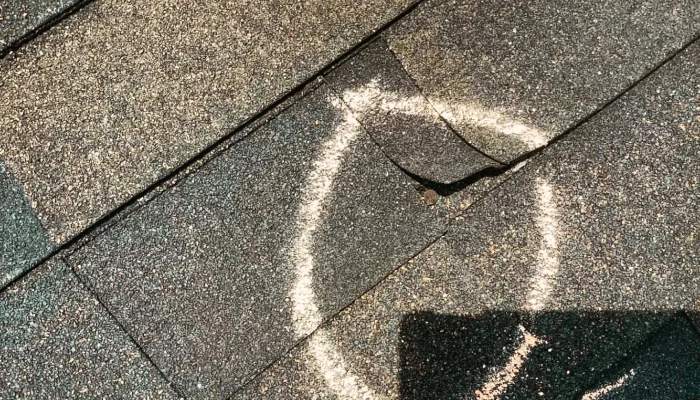
Shingles don’t quit overnight. They give off signs and knowing these signs can help you avoid leaks, mold and a whole lot of regret.
- Shingles start curling or cupping: If your shingles look like they’re trying to roll up like potato chips… bad news:
- Curling edges = advanced aging.
- Cupping (edges rise, center sinks) = moisture damage underneath.
- Granules are all over the place: Check your gutters. That’s the top protective layer of your shingles wearing off. Without granules, your shingles become vulnerable to UV damage, cracking and premature leaks.
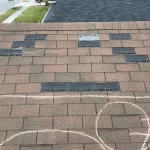
- Cracks and bald spots start showing: If your shingles look like they’ve been in a fistfight with the sun, it’s time to plan for replacement.
- Moss, algae or dark streaks everywhere: Shady, humid areas of the roof often grow algae or moss. While not an emergency at first, they hold moisture. That eats away at the shingles over time. Also, if you see long, dark streaks on a hot, sunny slope? That’s often-airborne algae and it can heat up your roof and speed up decay.
- The roof is 15+ years old (or more): Even if it looks “fine” from the ground, a 3-tab roof that’s 15–20 years old has probably passed its prime. Age + other signs = replacement coming soon.
- You keep patching the same spots: Frequent repairs = structural weakness underneath. At some point, it’s smarter (and cheaper) to replace the entire roof than keep chasing leaks.
- You notice sagging or soft spots: Sagging isn’t a shingle issue; it’s a decking issue. But the shingles often wear out first in those spots, allowing water in. That weakens the wood below.
Little reminder: The signs are there. The trick is not to wait until the ceiling stains, or the attic smells like a swamp. Still in doubt? Call Protect Preserve Roofing; we offer free inspections and honest evaluations.
Can Proper Maintenance Extend Asphalt Shingle Lifespan?
Yes. Most asphalt shingles don’t fail because they reach their “expiration date.” They fail because they’re neglected. If you want your roof to stick around longer (and save yourself a few grand), routine care isn’t optional, it’s smart. Let’s take a look:
- Keep it clean, but gently: Gently remove debris with a broom or leaf blower, avoid pressure washing. It strips protective granules and use a 50/50 water and bleach solution for algae (rinse well).
- Clean your gutters like your life depends on it: Clean them at least twice a year, especially after fall or big storms.
- Do a visual check twice a year: A good pair of binoculars from the ground works. Look for curling or missing shingles, cracked flashing, granule loss and dark streaks or signs of moisture.
- Fix small issues immediately: If you notice minor damage, don’t wait. It’s way cheaper to fix a handful of shingles than a whole section of decking.
- Trim overhanging tree branches: Shade may be nice for you, but it’s trouble for your shingles. Trim those branches back by at least 6–10 feet from your roof.
- Check your attic ventilation: Proper airflow = longer shingle lifespan and fewer headaches.
- Keep an eye on the flashing: Flashing is the thin metal around vents, chimneys and edges. Replacing a piece of flashing is quick and way cheaper than replacing drywall.
Pro tip from Protect Preserve Roofing: Regular maintenance isn’t just about preventing leaks; it’s about adding years to your roof’s life. With basic seasonal care, 3-tab shingles can push past 15 years, and architectural shingles can stretch well beyond 25–30.
When Should You Repair vs Replace Asphalt Shingles?
Not every roof issue means starting from scratch, but sometimes, a quick patch job just delays the inevitable and costs more in the long run. Let’s break it down.
When repairing makes sense
Repairs are the better move when:
- Damage is small and isolated. Think missing tabs from one section or a few cracked shingles after a storm.
- Your roof is still young. If the shingles are under 10–12 years old (for 3-tab) or under 20 (for architectural), it likely has good life left.
- The roof was installed properly. If the rest of the roof looks solid (no sagging, no widespread wear) fix the problem area and move on.
- No signs of water damage. As long as there are no leaks or rotted decking, spot repairs are safe and cost-effective.
When replacement is the smarter choice
Replacing makes more sense when:
- Your roof is nearing the end of its lifespan. If you’re asking, “how long do asphalt shingles last?” and yours is past 15–20 years (for 3-tab) or over 25 (for architectural), the clock’s ticking.
- There’s widespread granule loss. Bald spots, shiny patches and clogged gutters full of grit mean your shingles are losing protection fast.
- Leaks are frequent. One leak? Patch it. Two or more, especially in different areas? The system may be failing.
- Shingles are curling, buckling or lifting across large sections. That’s not cosmetic, it’s a sign the sealant strip has failed, and wind can get underneath.
- The repair cost adds up. If you’re throwing money at repeated repairs every season, it might be cheaper (and smarter) to start fresh.
Hidden costs of delaying replacement
Holding on too long to a dying roof? Here’s what could happen:
- Water damage to drywall and insulation.
- Mold growth inside your attic.
- Higher energy bills from poor ventilation.
- Insurance claim denials due to neglect.
Little reminder: Don’t risk turning a $6,000–$10,000 roof job into a $20,000+ home repair disaster. Protect Preserve Roofing offers honest inspections and clear advice, not pressure. We’ll walk you through your options, show you what we see and help you decide what’s best for your home and budget.
How Long Do Asphalt Shingles Last: Final Comparison Table
When you’re deciding between shingle types, knowing the real-world lifespan can help you avoid headaches later. Here’s a side-by-side look at how long each major type of asphalt shingle typically lasts based on product design, roof conditions and local weather:
| Shingle Type | Average Lifespan | Best For | Limitations |
| 3-Tab Shingles | 15–20 years | Budget-conscious homes, low-slope roofs | Less wind-resistant, lower curb appeal |
| Architectural | 25–30+ years | Homes in moderate to harsh climates | Heavier than 3-tab, slightly higher cost |
| Luxury/Designer | 30–40 years (some longer) | High-end homes, historical style restorations | More expensive, often overbuilt for basic homes |
| Asphalt in Humid Zones | 10–15 years (3-tab), 20–25 years (arch) | Southern states, coastal areas | Moisture speeds up algae growth and aging |
| Asphalt in Snowy Areas | 15–20 years (3-tab), 25–30 years (arch) | Northern U.S., mountain homes | Ice dams, freeze/thaw cycles can shorten life |
| Asphalt in Desert Heat | 12–18 years (3-tab), 20–25 years (arch) | Southwest homes with high sun exposure | UV rays dry out shingles faster, leading to cracks |
Will Insurance Cover Roof Replacement After 20 Years?
Short answer? Usually not. Once your asphalt shingles hit the 20-year mark, especially if they’re 3-tab, your roof is considered at or near the end of its expected life. That makes it much harder to claim full coverage.
Here’s how most insurance companies see it:
- Under 15 years: Coverage is more likely, especially if the damage is storm related.
- 15–20 years: They may inspect and prorate the value based on age and condition.
- 20+ years: Replacement usually falls on the homeowner unless the damage is sudden, severe and well-documented.
Common reasons insurance denies roof claims:
- Normal wear and tear.
- Old age (your roof was past its life expectancy).
- Lack of maintenance or visible neglect.
- Improper repairs or poor prior installation.
How to improve your chances of approval:
- Keep up with regular inspections and maintenance.
- Document damage as soon as it happens (photos, notes).
- Install emergency tarps immediately after storms (like those used by Protect Preserve Roofing).
- Use professional roofers with a history of working directly with insurers.
Pro tip from Protect Preserve Roofing: Even if your roof is older, we know how to navigate the insurance process. If there’s a chance to claim, we’ll document everything the right way and help you avoid costly mistakes that lead to denial.
Conclusion: How to Get the Most Years Out of Your Asphalt Shingles?
Asphalt shingles aren’t meant to last forever, but with the right care, you can squeeze every useful year out of them. Here’s what truly extends asphalt shingle lifespan:
- Choosing the right type for your home and climate.
- Getting professional installation with proper ventilation.
- Scheduling regular inspections (especially after storms).
- Cleaning debris and moss early, before they cause damage.
- Fixing minor issues before they become major headaches.
Think of your roof like a truck: ignore it and it’ll leave you stranded. Take care of it and it’ll keep going for miles.
At Protect Preserve Roofing, we don’t just install shingles, we help homeowners protect their investment. Whether your roof is brand new or hitting year 18, we’re here to keep it in shape, spot problems early, and help you avoid insurance headaches down the road.
Ready for peace of mind?We offer:
- Honest, straightforward roof inspections.
- Quick repairs that don’t cut corners.
- Full replacements when the time is right.
- Help with storm damage documentation for insurance.
Call us, our emergency team is ready 24/7. You can also schedule a free visit or get a quick estimate for the damage. No rushed sales. Just the real answer from people who actually climb roofs.
FAQ: Common Questions About Asphalt Shingle Lifespan
On average, asphalt shingles last 15 to 30 years, depending on the type:
- 3-tab shingles: ~15–20 years
- Architectural shingles: ~25–30 years
- Luxury shingles: Up to 40 years with ideal care
It’s possible — especially with luxury-grade shingles and excellent maintenance. But most homes will need a replacement between years 20 and 30.
The biggest culprits include:
- Poor attic ventilation
- Improper installation
- Lack of routine maintenance
- Moss buildup or tree debris
- Storm damage left unrepaired
If your roof is under 15 years old and the damage is minor, repair may be enough. But if shingles are curling, cracking, or shedding granules, a full replacement might save more money and stress long-term.
What’s the average lifespan of asphalt shingles?
3-tab shingles: ~15–20 years
Architectural shingles: ~25–30 years
Luxury shingles: Up to 40 years with ideal care
Can asphalt shingles last over 30 years?
What shortens asphalt shingle lifespan the most?
Poor attic ventilation
Improper installation
Lack of routine maintenance
Moss buildup or tree debris
Storm damage left unrepaired


Leave a Reply