



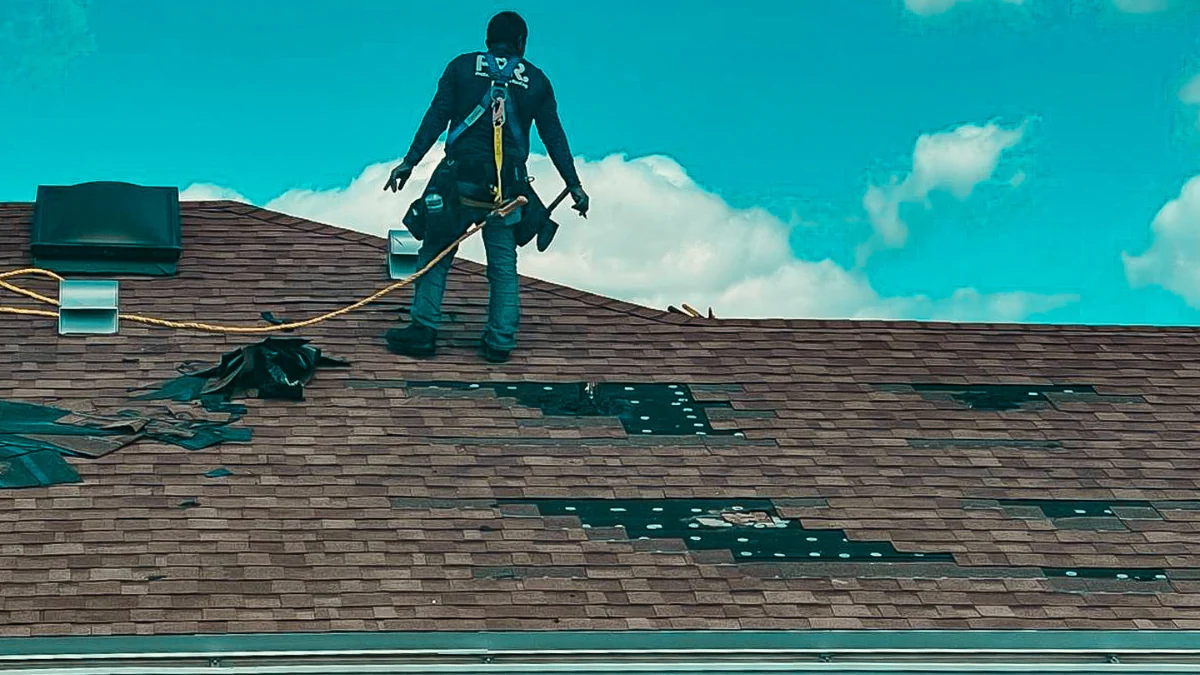


How do roofing companies handle emergency roof repairs? It’s a question many homeowners don’t think to ask, until a violent storm rips through their neighborhood or a sudden leak threatens the integrity of their home. The reality is that emergency roof repairs can’t wait. They demand fast action, skilled professionals and a clear plan.
Have you ever been caught off guard by a sudden roof leak or falling debris? Do you know who to call when your roof is at risk of collapse? If not, you’re not alone. Thousands of people each year find themselves scrambling for solutions, unsure of the process, costs or who they can trust.
So, in this guide, you’ll discover exactly how professional roofing companies tackle emergency repairs; you’ll also learn how to prepare, what to avoid and how to ensure your safety while protecting your property. Don’t wait until the next storm hits, know what to expect now.
Let’s dive into what really qualifies as an emergency roof repair and why understanding this process could save you thousands of dollars and possibly your home.
Table of contents
What Qualifies as an Emergency Roof Repair?
Emergency roof repairs aren’t about minor drips or loose shingles. They’re about urgent, high-risk damage that threatens your home’s safety or structure. So, what really counts as a roofing emergency? Let’s break it down simply:
- Visible holes in your roof from fallen trees or flying debris.
- Major leaks that allow water to soak your ceiling, walls or electrical systems.
- Collapsed roofing sections, especially after storms, snow or long-term neglect.
- Loose or missing structural materials that leave your home exposed to the elements.
These are not situations to put off. Time is your biggest enemy here. A roof leak at 10 AM can become mold and ceiling damage by 3 PM. Water spreads faster than you think and when it reaches drywall, insulation or electrical wiring, costs skyrocket.
In fact, according to the Insurance Institute for Business & Home Safety, water damage is responsible for a lot of insurance claims and most stem from delayed response.
Therefore, not every leak or shingle out of place qualifies as an emergency. To qualify as one, you need to know the severity, location of the damage and weather condition. Here’s a quick cheat sheet of common emergency roof situations:
- A tree or branch has fallen and punctured the roof.
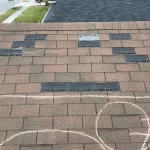
- Large sections of shingles have blown off, leaving underlayment exposed.
- Heavy leaks during rainstorms that can’t be contained.
- Interior ceiling sagging or discoloration from moisture buildup.
- Fire damage to roofing structures.
Pro tip from Protect Preserve Roofing: Don’t climb up there yourself. We know it’s tempting to throw a tarp over it and feel like a hero. Therefore, a wet and unstable roof is no place for a quick fix. One wrong step and you’re not fixing anything, you’re heading to the ER.
Common Causes of Emergency Roof Problems
The key to handling emergency roof repairs isn’t just knowing how to fix them but understanding what causes them in the first place. Let’s get into the usual suspects:
- Severe weather: High winds can lift entire roofing sections, hail can bruise or puncture shingles, making them useless and heavy rain finds the smallest crack and turns it into a leak.
- Fallen trees or branches: If a branch punctures the roofing deck or creates a hole, that’s a full-blown emergency. It can expose your insulation, wiring and drywall to direct moisture, inviting mold in like an unwanted guest.
- Poor maintenance and neglect: Common signs of neglect that lead to emergency calls are clogged gutters that cause water to back up, damaged flashing around vents and chimneys and cracked sealants left unrepaired for years.
- Improper installation or repairs: That shingle “patch job” your cousin did last summer? It might be the reason your living room is soaking today.
- Aging roof structures: Most roofs last between 15 and 30 years, depending on materials. As they age, shingles become brittle, flashings loosen, and the chance of a leak skyrockets. That’s why emergency repairs are more common in homes with roofs past their prime.
- Ice dams and heavy snow (in colder regions): When snow melts and refreezes at your roof’s edge, it creates ice dams. Weight from heavy snow can also cause sagging or even collapse in poorly supported roofs.
Quick reminder from Protect Preserve Roofing: Your roof is the first line of defense between your home and whatever nature decides to throw at it. Knowing what causes emergencies helps you prevent some of them and react fast when others hit.
How Roofing Companies Respond to Emergencies
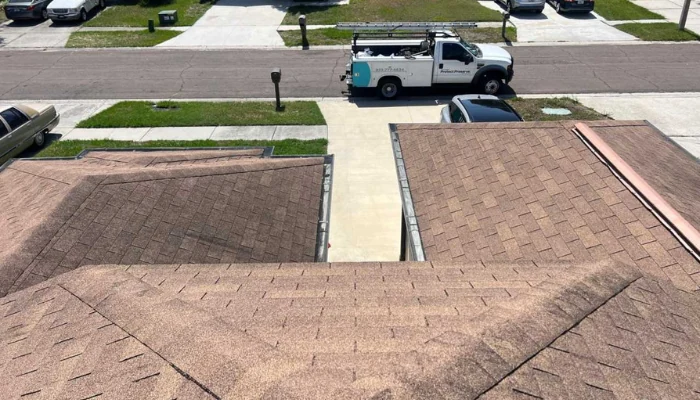
When disaster strikes your roof, you need a fast response and that’s exactly where professional roofing companies, especially ones like Protect Preserve Roofing, step in with precision.
So, how do roofing companies handle emergency roof repairs? It’s not just about tossing a tarp and hoping for sunshine. There’s a system.
Initial call and rapid response
You call, they answer. Simple, right? But it’s not always like that with every company. The good ones, like Protect Preserve Roofing, have an emergency protocol that kicks in immediately:
- Triage: On the phone, they’ll ask key questions. Where’s the leak? When did it start? Is water coming in?
- Priority check: If the damage is letting water into living spaces or poses a collapse risk, it goes to the top of the list. No debate.
- Estimated arrival time: Most real emergency teams will be at your property within hours, even during high-demand storm periods.
On-site damage assessment
Once on-site, the crew doesn’t just climb up and guess. They assess everything carefully, inside and out.
- They check for visible breaches, like missing shingles, holes, or sagging structures.
- Inside, they inspect for water penetration, moisture on ceilings, bubbling paint, soaked insulation.
- Using tools like moisture meters and thermal cameras, they detect hidden issues you might never see.
Temporary stabilization (tarping)
Here comes the tarp and no, it’s not just a “cover and forget it” job. Protect Preserve Roofing follows safe and approved methods:
- No nailing or screwing directly into the roof, unless absolutely necessary (like extreme pitch or full structural collapse).
- They use sandbags and weighted anchors, or secure strapping, to hold tarps in place without causing further damage.
This is huge because many insurance claims get denied due to improper emergency repairs. Nail a tarp down the wrong way and you could void your coverage. Speaking of cost:

- Tarp installations range from $800 to $1,600, depending on the roof’s pitch, size and level of damage.
- Higher homes or complex angles increase the rate because it requires specialized equipment and more labor.
Clear communication and documentation
After stabilization, the roofing company walks you through everything what:
- They did.
- They saw.
- Needs to happen next.
They’ll also provide photos of the damage and a written assessment you can use for insurance purposes. No guesswork, it’s direct, clear and documented.
Action plan for permanent repair
You’ll get a clear breakdown of what permanent repairs are needed, how long they’ll take and when they can start. Some companies drag their feet. Protect Preserve Roofing prioritizes fast turnarounds, especially when further damage is on the line.
Step-by-Step: Emergency Repair Process
Real emergency roof repairs follow a clear sequence. So, how do roofing companies handle emergency roof repairs? Let’s walk through exactly how Protect Preserve Roofing tackles an emergency roof repair.
- Arrival and safety first: They don’t just rush up the ladder like action movie heroes. The crew inspects the scene from the ground before anyone climbs. Why? Because there could be live electrical lines, slippery surfaces or structural instability.
- Visual inspection and fast diagnosis: Once it’s safe, the team checks the extent of visible damage: missing shingles, holes and debris, the interior ceiling and attic and any ongoing leaks or vulnerable spots that could worsen with more rain.
- Tarp installation for temporary protection: If your home is exposed to weather, they install a tarp, but not just any tarp and definitely not nailed into your roof (tarps secured using sandbags, anchors or straps to avoid more damage).
- Interior protection: If water already made its way in, they’ll set up buckets or catch systems to stop spread, plastic sheeting to shield furniture and floors and, in some cases, they’ll recommend dehumidifiers to dry out the space before mold sets in.
- Written estimate and insurance support: You’ll get a detailed repair estimate, broken down by materials, labor and timeline, all photos and documentation ready to go for your claim and support on how to talk to your insurance company.
- Schedule full repair or replacement: Once the emergency is handled and the tarp is in place, the real work begins because the team will help you schedule the full repair, often within days. If the damage is beyond repair, they’ll guide you through a replacement plan with clear options.
Temporary Repair vs. Full Replacement
When disaster strikes your roof, the big question hits fast: “How do roofing companies handle emergency roof repairs? They fix it or rip it all off and start fresh?” Let’s break it down like a real conversation, not contractor-speak.
When a temporary repair makes sense
Not every leak needs a full-blown replacement. Sometimes, a quick fix is the smart move. Here’s when a temporary repair is usually enough:
- Minor to moderate storm damage (a few shingles, a small hole).
- Roof is relatively new (under 10–12 years).
- Damage is isolated to one spot, not widespread.
- You need to stop water fast, then buy time to plan bigger repairs.
When a full replacement is the smarter move
Sometimes, it’s like patching a tire with duct tape. You can do it, but you really shouldn’t. A full replacement is often the better call when:
- Your roof is 15+ years old and showing signs of wear all over.
- There’re multiple areas of damage, or water got under the shingles.
- The structure beneath (decking, insulation) is compromised.
- Temporary fixes keep failing, and costs are stacking up.
Quick reminder: Insurers are more likely to cover one proper replacement than repeated temporary patches but remember: they rarely pay for repairs if the roof was neglected or the leak wasn’t addressed fast enough.
What do the pros recommend?
Protect Preserve Roofing doesn’t guess. We document and give you a clear breakdown on the damage, what can be fix and what’s not worth saving. The goal isn’t to scare you, it’s to protect your home the right way. So, here’s a quick comparison table:
| Temporary Repair | Full Replacement | |
| Cost | $800 – $1,600 (short term) | $8,000 – $15,000+ (long term) |
| Lifespan | Weeks to months | 20–50 years |
| Insurance coverage | Sometimes partial | Often more favorable |
| Risk | Problem may return | Resolved at the root |
| When to use | Short-term fix, isolated damage | Widespread damage, old roofs |
Roofing Tools & Materials
What’s actually in the toolbox when Protect Preserve Roofing shows up on your driveway to answer “how do roofing companies handle emergency roof repairs”?
Tarping materials
Tarps are the MVPs of emergency roof work, but they’re not all the same and they’re not used the same way.
- Heavy-duty polyethylene tarps: Thick, weatherproof and built to handle wind and rain.
- Sandbags and roof anchors: These keep the tarp in place without damaging your roof.
- Ropes and tie-downs: Used to secure the tarp around chimneys, vents or odd-shaped sections.
Don’t forget: Nailing or screwing tarps directly into your roof is a bad idea unless it’s a last resort.
Inspection and leak detection tools
Before any fixing happens, crews need to understand what they’re working with. That means tech, not guesswork.
- Moisture meters: Identify damp spots behind ceilings and walls.
- Thermal imaging cameras: Spot heat loss and water infiltration under the surface.
- Inspection drones: Get a bird’s-eye view of damage without walking on a sketchy roof.
Sealants and roofing patches
When there’s minor damage, crews can apply quick, waterproof solutions.
- Roofing cement: Used to patch small leaks temporarily.
- Bitumen rolls and peel-and-stick membranes: Great for flat roofs or damaged seams.
- Rubberized coatings: Provide temporary weather resistance on exposed areas.
These materials buy you time, but remember, they’re not permanent. Think of them like a spare tire, not a full replacement.
Ladders, harnesses and safety gear
This isn’t a cowboy operation. Climbing on wet, damaged roofs is risky, even for pros.
- Fiberglass extension ladders with stabilizers to prevent slipping.
- Full-body harnesses with rope grab systems.
- Roof anchors to secure technicians safely while they work.
Portable lighting and weather gear
Emergency repairs don’t always happen in perfect daylight.
- LED floodlights and headlamps help crews see during nighttime calls.
- Rain gear and slip-resistant boots keep them working safely in bad weather.
Pro tip from Protect Preserve Roofing: The right materials, used the right way, can stop major damage in its tracks.
Insurance Workflow & Documentation
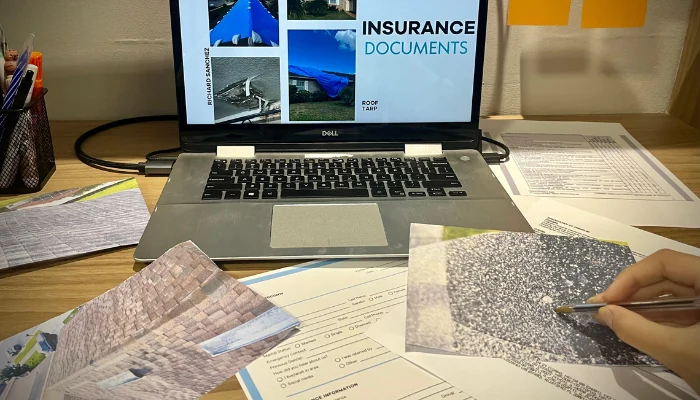
How does the insurance workflow actually work during an emergency roof repair when we’re in search of the answer to “how do roofing companies handle emergency roof repairs”? Let’s walk through it step by step.
- Immediate damage documentation: Before a single nail is touched or a tarp is laid, documentation starts. Photos from every angle, videos (when possible) and written inspection notes.
- Temporary repair receipts and details: Every step of the emergency fix is logged with date and time of service, type of tarp used and how it was secured, labor hours and materials and cost breakdown (remember: emergency tarping can range from $800 to $1,600, depending on the roof’s pitch, height and the damage).
- Understanding what’s actually covered: Most policies don’t cover damage caused by lack of maintenance, old age-related roof failure due to old age, or additional damage caused by improper DIY repairs.
- Assistance during the claims process: Good roofing companies don’t leave you hanging. They help meet with the adjuster during their site visit, provide estimates in the format insurers prefer and answer technical questions about what was done and why.
- Final approval and repair plan: Once the claim is approved, the insurance payout is issued (minus your deductible). Then it’s time to get to work on the permanent fix.
Pro tip from Protect Preserve Roofing: Keep all documents, emails and texts related to your claim. If things get complicated, you’ll have a paper trail that proves your case.
Preventive Maintenance
Real professionals follow strict safety rules and legal standards. Why? Because mistakes don’t just cost money, they cost lives. Let’s break this section into two parts.
Part 1: Safety and compliance in emergencies
Emergency roof repair isn’t a free-for-all. There are legal, safety and insurance standards that professionals must follow. Here’s what roofing companies like Protect Preserve Roofing always do:
- Use full-body harnesses and anchored safety lines. One slip on a wet roof can be fatal. No reputable roofer skips this.
- Secure ladders correctly with stabilizers. It’s not just about getting up, it’s about staying up without tipping over.
- Follow OSHA regulations for working at heights, using power tools and handling debris.
- Respect electrical lines and roof-mounted utilities. One misstep around those and you’ve got more than roof damage to worry about.
Now, let’s talk legal: If a roofing company cuts corners and someone gets hurt, you could be liable, especially if they’re uninsured or unlicensed. Always check credentials and don’t forget about insurance.
Part 2: Preventive maintenance to avoid emergencies
Want to avoid needing emergency repairs in the first place? Here’s the secret: regular roof checkups, like simple maintenance checklist that keeps emergencies away.
- Inspect your roof twice a year (spring and fall). Look for cracked shingles, loose flashing, or soft spots.
- Clean your gutters. Clogged gutters lead to standing water and overflow, which can rot your roof edge.
- Trim back tree branches. One windy day and that limb becomes a wrecking ball.
- Check your attic for signs of leaks: dark spots, mold smell or insulation that feels damp.
- After any major storm, do a visual check from the ground, don’t get on the roof. If something looks off, call a pro.
Pro tip from Protect Preserve Roofing: Prevent the emergency altogether. A few small checks a year can save you thousands and spare you the 3 A.M. panic during the next thunderstorm.
Conclusion: How to Choose an Emergency Roofing Company Near Me
How do roofing companies handle emergency roof repairs? Well, when your roof is leaking, cracking or collapsing, you need help fast… the right help. So, how do you pick the right one near you? Here’s what to look for:
- 24/7 emergency response.
- Licensed and insured.
- Experience with insurance claims.
- No-pressure estimates.
- Local reputation.
Now here’s the real deal: Protect Preserve Roofing checks every box and then some we built a name on speed, precision and trust. From the first call to the final repair, our team works with a level of care that’s hard to find.
Don’t wait for the next storm to find out your roof wasn’t ready. Call us, let the pros protect what matters before it’s too late. You can also schedule a free visit to your roof or get a quick estimate of the damage.
If you’re searching “emergency roofing company near me,” stop scrolling. You’ve just found us.
Frequently Asked Questions (FAQ)
• Major leaks
• Holes from fallen branches
• Collapsed roof sections
• Any opening exposing interiors to rain or wind
If you can’t wait for normal business hours—it’s an emergency.
• The roof’s pitch and height
• Extent of damage
• Materials and labor required
This usually covers tarp installation and temporary protection—not full replacements.
• Place buckets or containers under active leaks
• Do not attempt to climb on the roof
• Take clear photos of any visible damage
• Contact your insurance provider and call a roofing contractor immediately
What qualifies as an emergency roof repair?
• Major leaks
• Holes from fallen branches
• Collapsed roof sections
• Any opening exposing interiors to rain or wind
If you can’t wait for normal business hours—it’s an emergency.
How much does emergency roof repair cost?
• The roof’s pitch and height
• Extent of damage
• Materials and labor required
This usually covers tarp installation and temporary protection—not full replacements.
Can I install a tarp on my roof myself?
What should I do while waiting for emergency roof service?
• Place buckets or containers under active leaks
• Do not attempt to climb on the roof
• Take clear photos of any visible damage
• Contact your insurance provider and call a roofing contractor immediately


Leave a Reply