



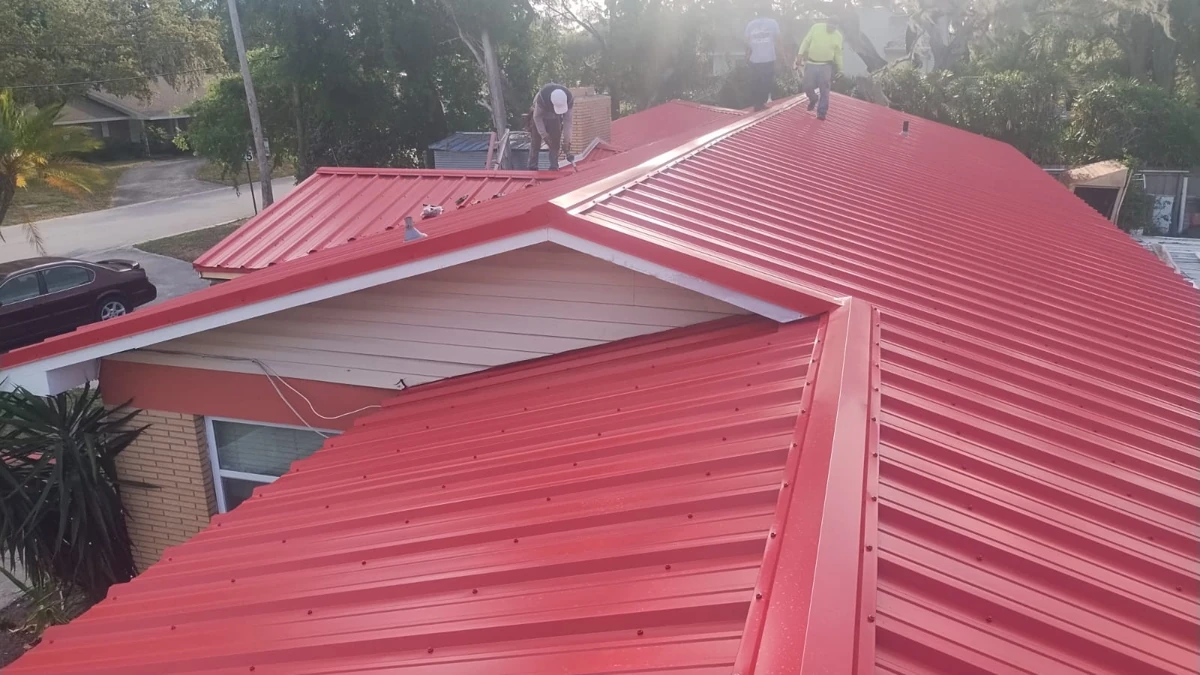


Are Metal Roofs Good in Florida? That’s the question most homeowners ask right after the first brutal summer heatwave… or the first big storm warning pops up on the phone.
Because in Florida, your roof doesn’t get “normal weather.” It gets sun that feels like it’s cooking your attic, humidity that never quits, and wind that can turn a loose branch into a flying weapon.
So here’s the real question behind the question: Are metal roofs actually a smart upgrade in Florida… or just an expensive trend?
If you’ve been hearing people say metal roofing lasts “forever,” saves money on AC, and handles hurricanes better, you’re not alone. In fact, the metal roofing market has been growing steadily across the U.S., and Florida homeowners are a big reason why.
According to industry research, metal roofs can last 40 to 70 years depending on the system and installation quality, which is a huge leap compared to many traditional asphalt roofs.
But let’s be honest for a second. A roof isn’t “good” just because it’s metal. It’s good when it’s the right type of metal, installed the right way, on the right home, in the right part of Florida. And that’s exactly what you’re going to learn here.
In the next few minutes, we’ll break down the real pros, the real cons, and what metal roof cost looks like in Florida, without the sales talk or vague promises. You’ll also see when metal roofs are better in Florida than shingles, and when they’re not worth the money.
Quick heads-up: If you wait until storm season is already here to make a decision, your options get smaller fast. Contractors book out. Prices jump. And emergency fixes become the only choice. So if you want clarity before that happens, you’re in the right place.
Are Metal Roofs Good in Florida? The Short Answer
Here’s the honest answer: Yes, metal roofs can be very good in Florida. But only when the system matches your home, your location, and your budget. That’s what most articles don’t say clearly enough.
Because Florida isn’t “one weather type.” A home in Orlando faces different conditions than a home right on the coast. And that difference can change what “best roof” really means.
When a Metal Roof Is a Great Choice in Florida
A metal roof is usually a smart move in Florida if you want:
- Strong storm performance (especially in high wind events)
- Long-term durability without frequent repairs
- Better energy efficiency in extreme heat
- A roof that holds value over time
And here’s a big reason people switch: lifespan. Many well-installed metal roofing systems can last decades, often in the range of 40–70 years depending on material, environment, and maintenance. Asphalt shingles typically don’t offer that kind of longevity in Florida’s heat and storm cycles.
Now, that doesn’t mean every metal roof automatically lasts that long. Installation quality matters a lot. The right underlayment matters. Fasteners matter. Ventilation matters.
But when it’s done correctly, metal is one of the most durable roofing options Florida homeowners can choose.
When a Metal Roof Is NOT the Best Option
This part is important. Because the “wrong” roof choice doesn’t just cost money. It costs peace of mind.
A metal roof may not be your best option if:
- You’re in a coastal area and choose the wrong metal or coating
(Salt air is no joke. Corrosion is real.) - You want the lowest upfront price, no matter what
(Metal is usually more expensive upfront.) - Your roof structure needs repairs first
(A new roof won’t fix underlying deck issues.) - You hire someone who treats metal roofing like “just another install”
(That’s how leaks happen later.)
If you’re thinking, “Okay… so how do I know what applies to my home?” Good. That’s the right question. Because the best roof in Florida isn’t just about material. It’s about how your roof handles heat, storms, water, and time. And that’s exactly what we’re breaking down next.
Pros of Metal Roofs in Florida (Real Benefits That Matter)
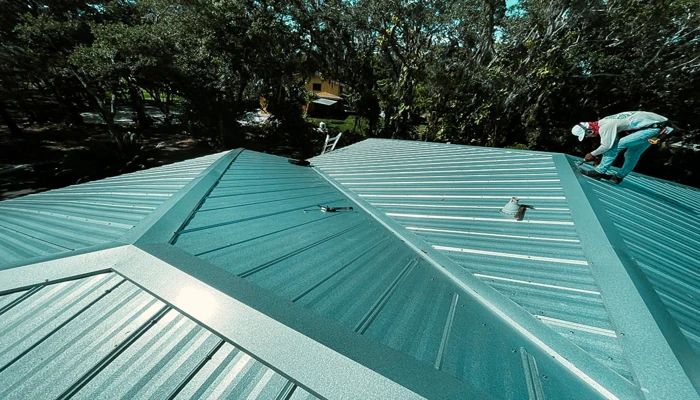
Let’s cut through the hype. The reason metal roofs are popular in Florida isn’t because they “look modern” or because someone on Facebook said they’re indestructible. It’s because, in the right setup, they solve the problems Florida homeowners actually deal with:
Heat. Storms. Leaks. Repairs. Rising costs. Here are the benefits that matter most.
Wind Resistance and Storm Reliability
Florida storms don’t play fair. A normal roof can look fine for years… until the first serious wind event hits. Then you see what the system was really made of.
Metal roofing is known for strong wind performance because it can be installed as a more secure, continuous system compared to many traditional roof coverings. But here’s the key: A metal roof doesn’t resist wind because it’s metal. It resists wind because it’s installed to stay locked down.
That includes things like:
- Proper fastening patterns
- Correct underlayment
- Tight flashing work around penetrations (vents, chimneys, edges)
- Quality edge details (this is where wind tries to “start the peel”)
Real talk: after storms, many roof leaks don’t start in the middle of the roof. They start at weak points. Edges. Valleys. Flashings. Poor sealing.
That’s why Protect Preserve Roofing focuses heavily on inspection details, not just surface looks. If something is starting to loosen, it’s better to catch it early than to find out when water is dripping onto your drywall.
Quick question: Would you rather fix one weak point now… or pay for ceiling damage later?
Longer Lifespan vs Asphalt Shingles
This is one of the biggest reasons homeowners consider switching. Metal roofs are often installed with the expectation of long service life. Many systems can last 40–70 years depending on the material, the environment (coastal vs inland), and how well the roof is installed and maintained.
Compare that to asphalt shingles, which can wear faster in harsh climates due to:
- UV exposure
- Heat cycling (hot days, cooler nights)
- Heavy rain and wind-driven moisture
- Storm debris impacts
Florida heat speeds up aging. That’s not opinion. That’s reality. So even if shingles cost less upfront, they can cost more long-term if you’re replacing or repairing them more often.
If you’re planning to stay in your home for a long time, lifespan matters. Because the cheapest roof isn’t always the one with the lowest price tag.
Energy Savings in Florida Heat (What’s Realistic)
This is where a lot of homeowners get excited… and where a lot of websites oversell. Yes, metal roofs can help with energy efficiency in Florida. But let’s keep it realistic.
A metal roof can reduce heat absorption especially when paired with:
- Reflective finishes (lighter colors usually help more)
- Proper ventilation in the attic
- Quality insulation
- Correct underlayment setup
In simple terms: your roof isn’t just a cover. It’s part of your home’s cooling system. When your attic turns into an oven, your AC has to fight harder. That’s when your electric bill gets ugly.
So while every home is different, the energy-efficiency advantage is real enough that it’s one of the top reasons Florida homeowners choose metal. And if you’ve ever walked into your house after work and felt that “trapped heat” hit your face?
You already know why this matters.
Low Maintenance (When Installed Correctly)
Most people don’t want a “high-maintenance” roof. They want a roof that does its job quietly in the background. Metal roofing can be low maintenance, but only when it’s designed and installed the right way.
Because the truth is: A roof that needs constant patching isn’t a roof. It’s a monthly bill waiting to happen.
With metal, the biggest maintenance advantage is that the material itself holds up well over time. But you still need to stay ahead of:
- Loose fasteners (more common on exposed-fastener systems)
- Sealant wear around penetrations
- Debris buildup in valleys and gutters
- Small issues that can become leak paths during heavy rain
This is why smart homeowners don’t wait for a leak to “prove” there’s a problem. If you’re in Orlando or anywhere in Central Florida, scheduling a roof inspection before storm season is one of the easiest ways to avoid emergency calls later.
And if you’re already seeing signs like:
- A small water stain that comes and goes
- A musty smell after rain
- Paint bubbling near the ceiling line
That’s your warning shot. Don’t ignore it. If you catch it early, you may avoid the kind of damage that forces temporary fixes like emergency tarping. Next up, we’ll cover the other side of the story: the cons. Because a good decision needs both.
Cons of Metal Roofs in Florida (The Honest Downsides)
Metal roofs can be a great upgrade in Florida, but they’re not magic. And if a contractor promises you a “zero-problem roof forever,” that’s usually a red flag. The real downside of metal roofing isn’t the material itself. It’s what happens when the wrong system is chosen for the wrong home, or when the install is rushed.
One of the biggest Florida-specific issues is coastal corrosion. If your home is near salt air, the wrong metal type or coating can age faster than expected. That’s why material choice matters more here than in many other states.
Another concern is cosmetic wear. Metal can dent from debris, foot traffic, or hail, and while that may not always cause leaks, it can bother homeowners who want a perfect-looking roof.
Noise is also a common fear. Most of the time, the “metal roof sounds like a drum” idea is exaggerated, especially when attic insulation and ventilation are solid. But if your home already has poor insulation, you may notice sound more during heavy rain.
And finally, metal expands and contracts with temperature swings. In Florida heat, that movement is normal, but it means installation details matter.
Fasteners, seams, and flashing work have to be done correctly, or small gaps can become leak paths over time. So yes, metal roofing can be excellent here. But only if you treat it like a system, not just a product.
Are Metal Roofs Better in Florida Than Shingles?
In many Florida homes, yes, metal roofs are better than shingles. But not because shingles are “bad.” It’s because Florida is hard on roofing materials.
Metal usually wins on durability and storm reliability. It can handle high winds better when installed correctly, and it doesn’t crack or dry out the same way shingles can after years of intense sun. Shingles can still be a solid option, especially for homeowners who need a lower upfront cost, but they often require more repairs over time in hot, wet climates.
Comfort is another difference. Metal roofs can reflect more heat, which helps reduce attic temperatures and can ease the load on your AC. Shingles tend to absorb more heat, and in peak summer, that extra heat has to go somewhere.
Now let’s talk money, because that’s where most people get stuck. Shingles usually cost less upfront. Metal costs more at the start, but it can pay off long-term through longer lifespan, fewer replacements, and fewer “surprise repairs” after storms.
So the better question isn’t “metal or shingles?” It’s “what’s the smartest roof for your home, your budget, and Florida weather?”
Best Metal Roof Options for Florida Homes (What to Choose)
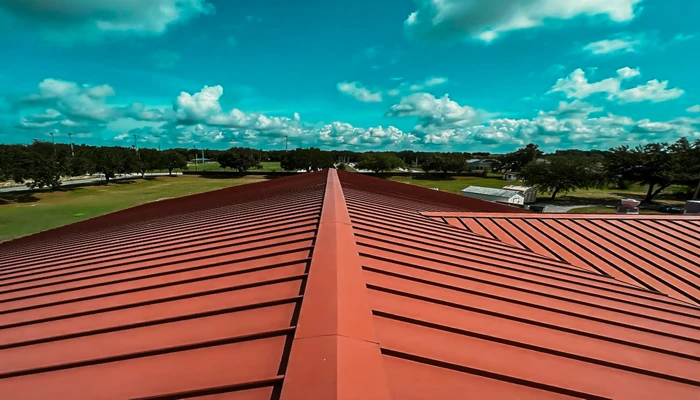
Choosing a metal roof in Florida isn’t just picking a color and signing a contract. The type of system you choose can decide how well your roof holds up in heat, heavy rain, and storm season. Here are the options that matter most.
Standing Seam vs Exposed Fastener: Which Is Better in Florida?
Standing seam is often considered the premium option because the fasteners are hidden. That usually means fewer exposed points where water can eventually work its way in. It also tends to look cleaner and can require less maintenance over time.
Exposed fastener systems can still work well in Florida, but they rely heavily on the quality of the fasteners, washers, and installation. Over the years, fasteners can loosen slightly due to heat expansion and contraction. That doesn’t mean the roof will fail, but it does mean you may need inspections and maintenance to stay ahead of leaks.
If your goal is long-term peace of mind, standing seam is usually the stronger choice. If your goal is a more budget-friendly metal roof, exposed fastener may make sense, as long as it’s installed correctly and maintained.
Aluminum vs Steel: What Works Best in Central Florida?
In Central Florida, both aluminum and steel can be good choices. The best one depends on your environment and what you value most.
Aluminum is naturally more resistant to corrosion, which is a big deal if you’re closer to salt air or you want extra protection against rust over time. Steel is strong, widely used, and often more cost-effective, especially when it has the right protective coating.
The right choice comes down to location, budget, and how long you plan to stay in the home. A good roofing inspection and a clear quote should explain why one option fits your roof better than the other.
Colors, Coatings, and Finishes That Handle Florida Sun
Florida sun is intense, and darker roofs can trap more heat. Lighter colors and reflective finishes often help reduce heat buildup, which can improve comfort and lower cooling demand.
Coatings matter too. A quality finish helps protect the metal from weather exposure and keeps the roof looking better longer. If you want your roof to stay efficient and attractive for years, don’t treat the coating as an afterthought. It’s part of the performance.
Metal Roof Cost in Florida: What Impacts the Price Most
Metal roof cost in Florida can vary a lot, and that’s usually what makes homeowners hesitate. The truth is, you’re not paying for “metal.” You’re paying for a full roofing system and the labor skill to install it correctly.
The biggest price factors are your roof size, the pitch, and how complex the layout is. A simple roof with fewer valleys and penetrations is faster to install and usually costs less. A roof with steep slopes, multiple sections, skylights, or tricky edges takes more time and detail work, which raises the price.
Materials also matter. Standing seam systems typically cost more than exposed fastener roofs, and aluminum may price differently than steel depending on availability and the finish you choose.
Labor is another major piece of the total cost, because a quality metal roof install requires precision. Poor workmanship can turn an expensive roof into a leak problem.
Orlando & Central Florida Pricing Factors (Quick Note)
In Orlando and Central Florida, pricing can also shift based on storm-season demand and how quickly you need the work done. That’s why it’s smart to get your roof evaluated before the busy season hits. Waiting until damage happens can limit scheduling options and raise urgency costs.
Storm Readiness: What Matters More Than the Metal Itself
In Florida, storm readiness isn’t optional. And the truth is, a metal roof only performs as well as the system and installation behind it. Wind doesn’t usually “break” a roof in the middle first. It attacks the weak points: edges, corners, flashing, vents, and any place where water can be pushed sideways during heavy rain.
That’s why fastening patterns, underlayment, and clean flashing work matter so much. When those details are done right, metal roofing can handle Florida storms with confidence. When they’re rushed or poorly installed, even a strong material can develop leak paths over time.
The tricky part is that storm damage isn’t always obvious. Sometimes it shows up as small issues that homeowners ignore: a faint ceiling stain, paint bubbling, a musty smell after rain, or a leak that only happens when the wind is blowing hard. Those signs usually mean water is getting in during wind-driven rain, and it rarely fixes itself.
If you want to avoid emergency repairs later, the best move is simple: catch the weak spots early, before the next storm makes them worse.
Maintenance Tips to Prevent Leaks (and Avoid Emergency Tarping)
Most roof problems don’t start as emergencies. They start as small, easy-to-miss issues that quietly get worse with every Florida downpour. The good news is you don’t need to be a roofing expert to reduce your risk.
One of the smartest things you can do is a quick visual check after heavy rain or strong wind, without climbing onto the roof. Look for new stains on ceilings, damp smells in the attic, water marks near vents, or debris piled in valleys and gutters. If water can’t drain properly, it backs up. And in Florida, backed-up water finds a way in.
It also helps to stay ahead of the “slow leaks” that homeowners often ignore. A loose fastener, worn sealant, or slightly lifted flashing may not leak every day, but during wind-driven rain, that small gap can become the start of bigger interior damage.
If you’re in Orlando or Central Florida, a professional inspection before storm season is one of the easiest ways to prevent emergency calls later.
Because once a leak turns into a sudden storm problem, the only option may be temporary protection like emergency tarping until repairs can be scheduled. A little prevention now is cheaper than damage control later.
Final Thoughts: Is a Metal Roof the Right Move for Your Florida Home?
Metal roofs can be an excellent long-term choice for Florida homes, especially if you want stronger storm performance, fewer repair headaches, and a roof that holds up better under intense heat and heavy rain.
But here’s the part that really matters: a metal roof isn’t automatically “good” just because it’s metal. The outcome depends on choosing the right system for your home, selecting materials that make sense for your location, and making sure the installation is done correctly from day one.
That’s what separates a roof that protects your home for decades from a roof that looks fine at first but turns into a leak problem later. If you’re still on the fence, think about what you actually want from your next roof.
Do you want something that reduces the chances of storm-season surprises? Do you want fewer patch jobs and less stress every time the forecast changes? Do you want a roof that’s built for Florida, not just “acceptable” in Florida? Those are the questions that lead to the right decision, whether you choose standing seam, exposed fastener, aluminum, steel, or even a different roofing option altogether.
If you’re in Orlando or anywhere in Central Florida and you want a clear answer based on your roof’s real condition, contact Protect Preserve Roofing today to schedule a professional roof inspection and get a straightforward estimate before storm season fills up the calendar.
Getting an accurate assessment today can prevent costly and unpleasant surprises tomorrow.

Leave a Reply