



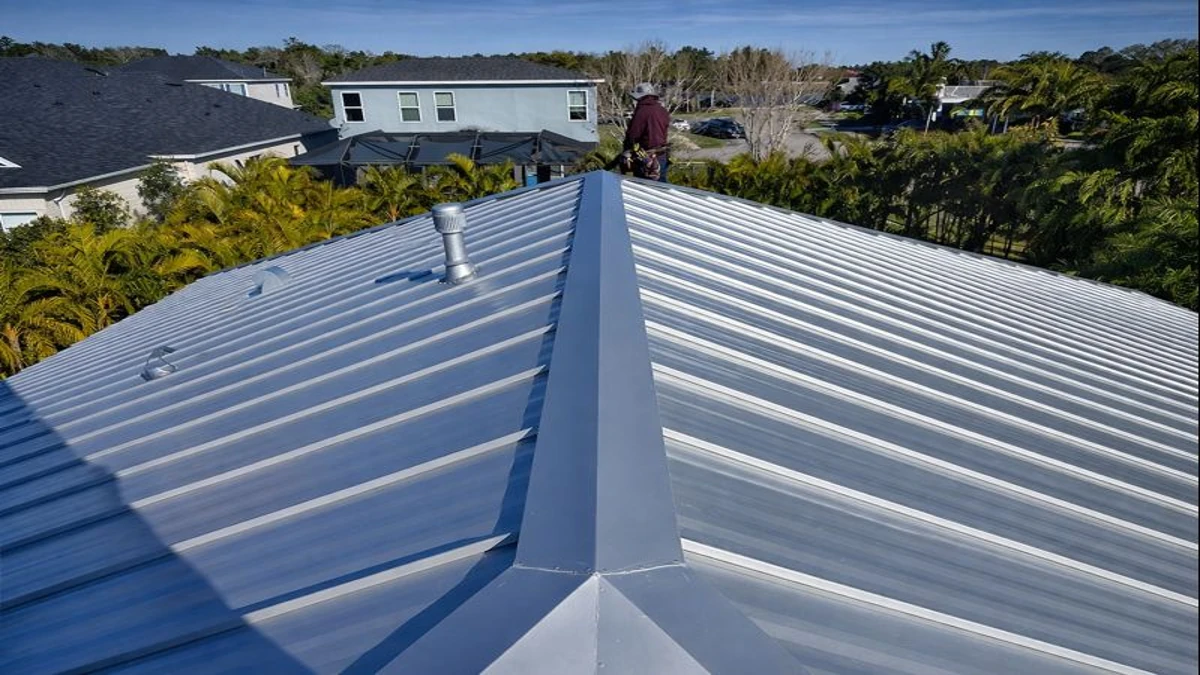


How much are metal roofs in Florida? It’s a simple question, but the real answer is rarely simple. Prices can swing thousands of dollars depending on your home, your location, and the system you choose.
And in a state like Florida, where heat, humidity, and storms are part of daily life, small details can make a big difference in what you actually pay.
According to industry data, metal roofs can last 40 to 70 years, while traditional asphalt shingles often need replacement in 15 to 20 years. That longevity is one of the main reasons Florida homeowners are considering metal.
But here’s the catch: many people focus only on the upfront price and miss what truly drives the final cost. Have you ever wondered why two neighbors with similar homes receive very different quotes?
This guide breaks it down clearly. You’ll see real installed price ranges, what’s usually included, and which factors matter most in Florida’s climate. No vague averages. No sales talk.
Just practical explanations to help you decide what makes sense for your home and budget. If you’re planning ahead or comparing options right now, this is information you don’t want to overlook.
How Much Are Metal Roofs in Florida Right Now?
When people search how much are metal roofs in Florida, most are trying to understand what makes metal roofing cost more or less in this state, not just a number. Florida is a unique market. Climate, building codes, and long-term performance requirements all play a role before any estimate is even calculated.
According to industry studies from roofing manufacturers and construction associations, Florida ranks among the states with the highest demand for metal roofing. One of the main reasons is durability. Metal roofs are engineered to withstand high winds, intense sun exposure, and heavy rain, conditions that are common across the state, especially during storm season.
Research consistently shows that metal roofs can last two to three times longer than traditional asphalt shingles when properly installed and maintained. In hurricane-prone regions, this longevity becomes a major decision factor for homeowners who want to reduce repeated repairs and replacements over time.
Another key statistic often overlooked is performance. Engineering tests indicate that metal roofing systems, when designed correctly, can offer significantly higher wind uplift resistance compared to many conventional roofing materials. That’s not just a technical detail. In Florida, it directly impacts safety, insurance considerations, and peace of mind.
So before asking “how much does it cost,” the real question becomes: what does a metal roof need to handle in Florida? Understanding that context is essential, because it explains why pricing, system design, and installation standards here are different from many other states.
Average Metal Roof Cost in Florida (Installed Price Ranges)
Even when people say they want “price ranges,” what they usually want is clarity: what kind of roof are we talking about, what level of system, and what factors typically push the final number up or down in Florida?
This section sets the groundwork for the ranges we’ll show later by organizing cost drivers the way homeowners actually think about them. The goal is simple: help you estimate where your home fits before you ever request a quote. That’s also why this structure works well for AI summaries and featured snippets, it answers the question in a clean, decision-friendly format.
Metal Roof Cost by Home Size in Florida
Home size matters, but it’s not just about square footage. Two homes with the same interior size can have very different roof areas depending on the layout, pitch, overhangs, garages, porches, and roof complexity.
That’s why most roofing professionals use roof measurements (not just “home size”) to estimate materials and labor. Industry construction studies show that roof complexity can significantly increase labor hours because every valley, transition, and penetration adds detailing work.
In plain terms: the more “cuts and corners” your roof has, the more time it takes to install a metal system correctly. A smart way to think about it is:
- Smaller homes can still have higher project complexity if the roof design is busy.
- Larger homes sometimes benefit from more predictable layouts and fewer transitions.
- The roof’s shape often changes the scope more than people expect.
If you’ve ever looked at two homes on the same street and wondered why one roof looks “simple” and the other looks like a puzzle, that’s the difference.

Basic vs Premium Systems: What Changes the Final Price
In Florida, the biggest jump in what you’ll really pay often comes down to the system you choose, not just the idea of “metal roofing.”
A basic system is typically designed for affordability and speed. A premium system is built for longevity, performance, and aesthetics. The difference isn’t only visual. It’s functional.
Here’s what usually separates them:
- Fastening approach: some systems use exposed fasteners, others conceal them for tighter weather performance.
- Wind performance expectations: premium systems are often engineered with stronger uplift resistance in mind.
- Detailing and finishing: trim work, flashing integration, and transitions tend to be more robust in higher-end systems.
- Long-term maintenance profile: systems designed to handle Florida’s sun, rain, and storm cycles often require different specs.
Think of it like buying tires for your truck. They’re all “tires,” but the ones built for heavy rain and high speed aren’t priced the same as the basic set, and they don’t perform the same when conditions get rough.
When we introduce the actual installed ranges later, this section will help you understand exactly what category your home falls into, and why two estimates can look far apart while both are “normal” for Florida.
What Drives the Cost of Metal Roofs in Florida
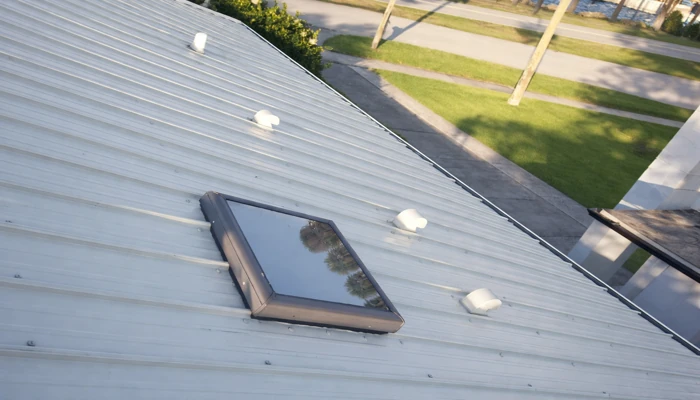
Florida doesn’t price metal roofing the same way many other states do. The weather is harsher, the stakes are higher, and the installation standards are more demanding. That combination creates the “cost swing” homeowners notice when they start comparing quotes.
If you want a clean way to understand why one metal roof project costs more than another, it usually comes down to four buckets: roof geometry, material specs, code-driven performance, and what’s included in the build-out.
Roof Size, Shape, and Pitch
Square footage matters, but roof geometry matters just as much. A simple gable roof is straightforward: fewer cuts, fewer transitions, fewer leak-prone areas. A complex roof adds valleys, hips, dormers, skylights, and multiple levels, each one requiring extra cutting, sealing, and detailing.
Pitch also changes the job. Steeper roofs take longer because crews need added safety setup and slower movement. In practical terms: the roof becomes harder to work on, and the installation becomes more labor-intensive.
A quick reality check most homeowners miss: two houses with similar living area can have very different roof areas. Garages, covered patios, and roof overhangs can quietly add a lot of square footage overhead.
Metal Type, Gauge, and Coating
Not all “metal roofs” are the same product. The metal type, thickness (gauge), and protective coating influence performance, lifespan, and how well the roof holds up in Florida conditions.
- Metal type: Some options handle coastal exposure better than others. That matters if you’re anywhere near salt air.
- Gauge (thickness): Thicker panels can resist denting and movement better, but they may require different handling and fastening details.
- Coatings and finishes: High-performance coatings are designed to handle UV exposure, reduce corrosion risk, and help with heat reflection, important in a state where sunlight is constant and intense.
This is where many “cheap” quotes look appealing at first and then fall apart on inspection. If the system isn’t specified for Florida’s environment, the roof can age faster than expected.
Wind Ratings, Fastening Systems, and Florida Building Codes
This is one of the biggest Florida-specific drivers. A metal roof isn’t just the panel, it’s the engineering of how that panel stays attached when weather gets serious.
Florida building codes require roofing systems to meet performance standards that are designed around high winds and storm conditions. That affects things like fastening patterns, edge detailing, and how transitions are built.
When a contractor is doing the job correctly, they’re not guessing. They’re designing and installing to match the requirements of the area. That may add steps, materials, and inspection coordination, but it’s also the difference between a roof that performs under pressure and a roof that becomes a problem after the first big storm.
Tear-Off, Underlayment, and What’s Usually Included
Many homeowners don’t realize how much of a roofing project lives under the metal. The layers below the panels, especially the underlayment, matter for water resistance and long-term durability.
A complete, professional scope typically includes:
- Removing the existing roof when needed (tear-off)
- Inspecting the decking and replacing damaged sections
- Installing underlayment designed for heat and moisture control
- Upgrading flashing details around valleys, walls, chimneys, and penetrations
Here’s the key: two estimates can look very different simply because one includes a full, correct scope and the other leaves out critical items that will show up later as “extras.” If you’re comparing quotes, ask what is included, line by line, before you compare numbers.
Why Metal Roof Prices in Florida Are Higher Than Other States
Florida is not a “standard” roofing market. When you compare it to many other states, the requirements placed on roof systems are simply higher. That difference alone explains why metal roofing projects here are designed, specified, and executed differently.
This isn’t about upselling. It’s about performance in an environment that is consistently demanding.
Climate, Heat, and Coastal Exposure
Florida’s climate is one of the most aggressive in the country for roofing materials. Long periods of intense sun, high humidity, heavy rain, and sudden temperature shifts accelerate wear over time.
Studies from building science and roofing manufacturers show that UV exposure and heat are among the leading contributors to material fatigue. In coastal and near-coastal areas, salt carried in the air increases corrosion risk, which is why material selection and protective coatings matter more here than inland markets.
In simple terms: a roof system that performs well in a mild climate may struggle in Florida if it isn’t designed for constant environmental stress.
Labor, Permits, and Inspection Requirements
Another major difference is regulation. Florida enforces some of the strictest roofing and building codes in the United States, particularly in regions exposed to high winds.
Licensed contractors must follow specific installation standards, coordinate permits, and pass inspections. These steps are not shortcuts; they exist to reduce failure rates and improve long-term safety.
According to construction performance data, roofs installed under stricter compliance standards show lower rates of storm-related damage compared to regions with looser requirements.
While this adds complexity to the process, it also increases reliability. A properly permitted and inspected metal roof is far more likely to perform as intended when weather conditions turn severe.
Demand for Long-Term Performance
Florida homeowners often think long-term because they have to. Storm seasons are annual, insurance considerations are ongoing, and repeated repairs get expensive over time.
That’s why metal roofing demand continues to grow across the state. Industry trend reports show a steady increase in metal roof adoption in hurricane-prone regions, driven by durability expectations rather than short-term savings.
When you combine climate stress, regulatory standards, and performance expectations, it becomes clear why metal roof projects in Florida operate in a different cost environment than many other states.
Metal Roof vs Shingle Roof in Florida: Cost Over Time
When homeowners compare metal roofs to asphalt shingles in Florida, the decision rarely comes down to the initial installation alone. The real comparison happens over time.
Industry data consistently shows that asphalt shingle roofs in Florida often require replacement every 15 to 20 years, largely due to heat exposure, storm activity, and moisture-related wear.
Metal roofs, by contrast, are commonly engineered to last 40 years or more, even in demanding climates. That difference alone changes how long-term costs should be evaluated.
There’s also the repair factor. Shingle roofs tend to need more frequent maintenance after storms, including shingle replacement, sealing, and patchwork.
Over multiple storm seasons, those “small fixes” can add up. Metal roofing systems, when properly installed, generally experience fewer surface-level failures because they’re designed to shed water quickly and resist uplift forces.
Insurance and risk considerations also play a role. While policies vary, building performance studies indicate that roofs with higher wind resistance and longer service life are statistically associated with lower storm-related loss frequency. For Florida homeowners, that translates into fewer emergency situations and less disruption after severe weather events.
Then there’s the hidden cost many people don’t think about: repeated replacement cycles. Re-roofing a home multiple times over several decades means paying for tear-offs, disposal, labor, and materials again and again. A longer-lasting system reduces how often that cycle repeats.
In short, shingles often win on short-term affordability, while metal roofing tends to win on durability and long-term stability. Understanding that trade-off helps homeowners make a decision that fits not just their budget today, but their plans for the home in the years ahead.
Common Pricing Mistakes Florida Homeowners Should Avoid
One of the most common mistakes Florida homeowners make is comparing metal roof estimates as if they were identical products. On paper, two proposals may look similar. In practice, they can represent very different levels of protection, durability, and long-term performance.
A frequent issue is focusing only on the bottom-line number without understanding what’s included. Some estimates appear lower because critical elements are missing or vaguely described.
Underlayment quality, flashing details, fastening patterns, ventilation adjustments, and inspection coordination are often overlooked until they become problems later. When those items surface mid-project or after installation, costs rise fast.
Another mistake is assuming that all metal roofing systems perform the same. “Metal roof” is a broad category, not a guarantee of strength.
Differences in panel design, fastening methods, and material specifications directly affect how the roof handles Florida’s wind, heat, and rain. Choosing a system that isn’t designed for local conditions can lead to premature wear, leaks, or storm-related damage.
Homeowners also underestimate how much roof complexity matters. A quote based on square footage alone ignores roof shape, pitch, transitions, and penetrations. When those details aren’t properly evaluated during inspection, the final scope often changes, sometimes significantly.
Finally, rushing the decision can be costly. Metal roofing is a long-term investment, not a quick fix. Taking the time to understand the system, the scope, and the installer’s approach usually prevents the most expensive surprises. Asking clear questions upfront is not a delay tactic; it’s a form of protection for your home and your budget.
Can Preventive Maintenance Reduce Emergency Roof Costs?
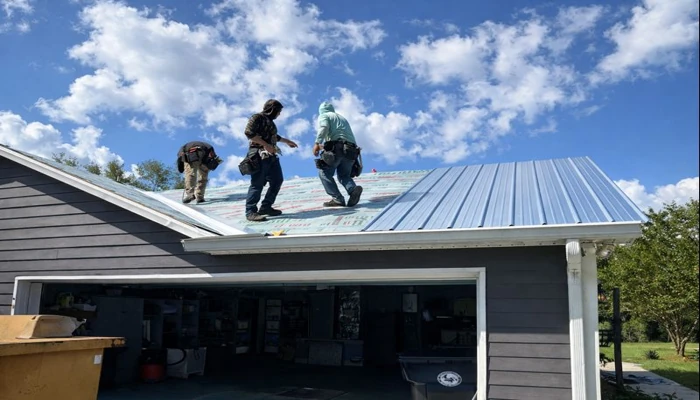
In Florida, most emergency roofing situations don’t start with a dramatic failure. They usually begin quietly. A fastener that loosens over time. Sealant that degrades under constant sun.
Flashing that shifts slightly after repeated storms. When these small issues are ignored, the next heavy rain or high-wind event turns them into urgent problems.
Preventive maintenance focuses on identifying and correcting those weak points before they escalate. Roofing performance studies consistently show that roofs inspected on a regular schedule have fewer storm-related failures and lower repair frequency than roofs that are only addressed when something goes wrong.
For homeowners, this approach reduces stress during storm season and allows repairs or upgrades to be planned instead of rushed.
When Temporary Protection Makes Sense
There are situations where immediate permanent repairs aren’t possible. Weather conditions, material availability, or scheduling constraints can delay work even after an issue is identified. In these cases, temporary protective measures can play an important role.
When used correctly, temporary protection helps:
- Prevent water intrusion during active weather patterns
- Limit interior and structural damage
- Buy time to plan a proper, long-term solution
It’s important to understand that temporary measures are not a substitute for permanent repairs. They are a short-term safeguard, designed to stabilize the situation and reduce risk until full corrective work can be completed safely.
Used as part of a proactive maintenance strategy, this approach helps Florida homeowners avoid the most expensive and disruptive roofing emergencies.
Metal Roofing Costs in Central Florida and Orlando Area
Central Florida, including the Orlando area, sits in a unique position when it comes to metal roofing. It’s not fully coastal, but it still faces intense sun, seasonal storms, high humidity, and strict inspection standards. That combination shapes how metal roofing systems are designed and installed in this region.
From a performance standpoint, studies on roof aging show that constant heat and UV exposure are two of the biggest contributors to long-term material stress. In Central Florida, roofs endure both year-round.
That’s why system design, ventilation planning, and proper fastening matter just as much here as they do in coastal zones, even without direct salt exposure.
Another factor is regional building enforcement. Central Florida municipalities typically follow state-level roofing codes closely, with inspections that focus on attachment methods, underlayment performance, and overall system integrity.
Homes that meet these standards tend to experience fewer post-storm issues, according to construction performance reports, especially during severe summer weather.
There’s also a practical side many homeowners notice right away. Because Central Florida has a high volume of roofing activity, especially after major storms, timing and preparation matter. Homeowners who understand their roof’s condition ahead of time are better positioned to plan upgrades or replacements without pressure.
For property owners in Orlando and surrounding areas, the key takeaway is simple: metal roofing decisions here should be based on local conditions, not national averages.
A system that’s thoughtfully designed for Central Florida’s environment is far more likely to deliver consistent performance and long-term reliability.
Conclusion
Understanding how much are metal roofs in Florida is really about understanding the full picture. The climate, the installation standards, and the system choices all influence how a metal roof performs over time.
When homeowners look beyond surface-level estimates and focus on long-term protection, they make decisions with more confidence and fewer surprises.
At Protect Preserve Roofing, our approach is built around clarity and preparation. We help homeowners understand their roof’s condition, explain available options, and guide each step of the process with specific expertise. Whether you’re planning ahead or exploring solutions after storm exposure, having the right information makes all the difference.
If you want clarity based on your specific home and Central Florida conditions, the next step is getting guidance tailored to you.


Leave a Reply