



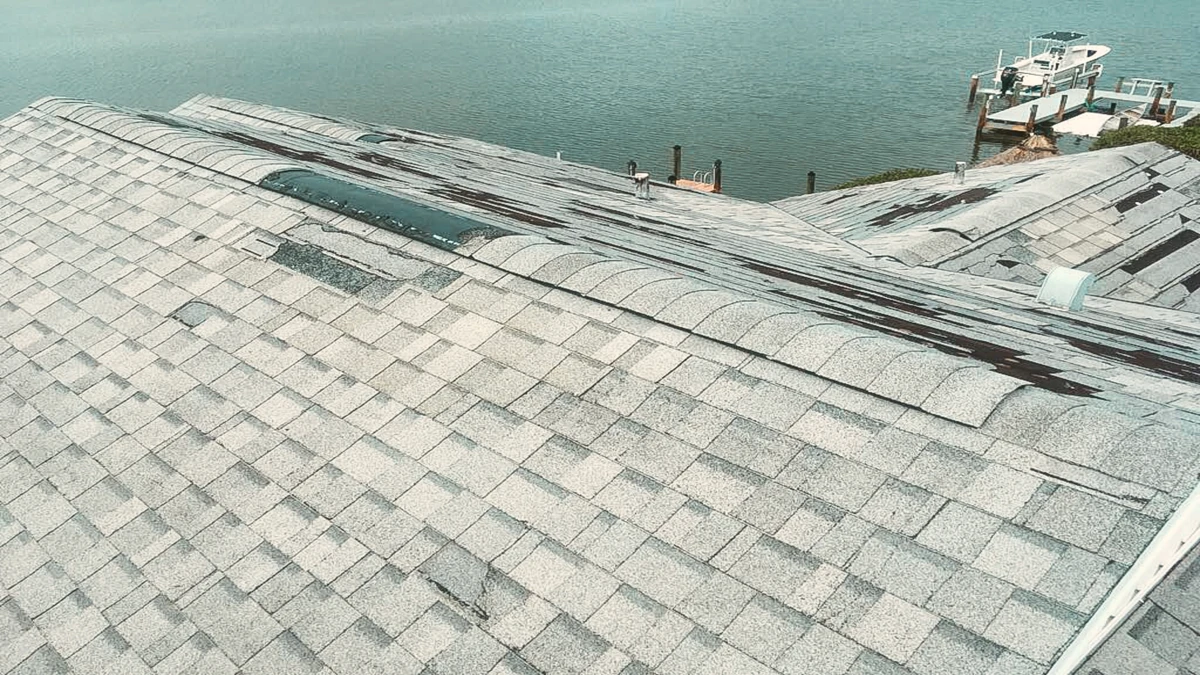


How Old Is My Roof? How to Find the Age of Your Roof Safely is one of the most common questions homeowners ask, usually right before a problem shows up. And that timing matters. If you live in Florida, especially in Central Florida, roof age isn’t just a detail; it’s a risk factor.
According to FEMA data, hurricanes, tropical storms, and severe wind events are among the leading causes of residential property damage in the state, and older roofs consistently suffer the most severe losses.
Have you ever looked up at your roof and wondered if it’s still protecting your home, or just buying time? Many homeowners don’t know the exact age of their roof, especially after buying a property or inheriting paperwork gaps.
That uncertainty can lead to missed maintenance, denied insurance claims, or costly surprises after the next storm. Roofing specialists agree: knowing your roof’s age helps you make smarter decisions before damage becomes urgent.
Here’s the good news. You don’t need to guess, climb onto your roof, or rely on hearsay. There are safe, reliable ways to estimate roof age using documents, visible signs, and professional insight.
In the next sections, you’ll learn exactly how to find the age of your roof, what clues actually matter, and when it’s time to act, so you can protect your home with confidence and avoid preventable costs. If your roof is older than you think, don’t wait until the next storm tests it.
Why Knowing the Age of Your Roof Matters More Than You Think
Knowing the age of your roof helps you make decisions before problems grow. Roof age affects safety, repair costs, insurance claims, and resale value. In Florida, this detail carries even more weight due to storms, heat, and humidity.
Many homeowners assume a roof fails only when leaks appear. That assumption causes delays. Damage often starts before water enters the house. Shingles lose granules. Sealants dry out. Flashings weaken. These changes reduce protection even if the roof still “looks fine.”
Government data supports this risk. FEMA reports that wind and water damage are the main causes of residential losses in Florida after storms. Older roofs show higher failure rates during these events. Age alone does not cause failure, but age combined with weather stress increases exposure.
Roof age also affects insurance outcomes. Insurers review roof condition and age when handling claims. If the roof allows water inside, coverage is not guaranteed. These cases are limited and depend on policy details. Knowing the roof’s age helps you act early, before coverage questions arise.
There is also a planning factor. A roof near the end of its service life limits options. Maintenance may no longer solve the problem. Repairs may offer only a temporary fix. Early knowledge gives you time to plan work on your terms, not after unexpected damage.
If you do not know how old your roof is, you are not alone. Many homeowners lack records after buying a home or inheriting paperwork gaps. The next sections explain how to find the age of your roof using safe, reliable methods. This process does not require guesswork or risky inspections.
The Fastest Way to Answer “How Old Is My Roof?”
The fastest way to answer this question is to start with records. Documents give dates. Dates remove doubt. This step saves time and avoids unsafe inspections.
If records are missing, visual checks come next. These checks do not give an exact year, but they narrow the range. A professional inspection confirms the estimate when accuracy matters.
Below are the fastest paths, in the right order.
When Documents Give You the Exact Roof Age
Documents provide the most reliable answer. They show when work occurred and who performed it.
Check these sources first:

- Building permits
Local permits often list the installation or replacement year. Many counties keep these records online or by request. - Re-roof permits
A home may have more than one permit. A re-roof permit matters more than the original build date. - Installation receipts or invoices
Past owners, builders, or contractors may have copies. Even partial records help. - Roof warranty documents
Manufacturer warranties usually start on the install date. This date gives a strong reference point.
If you find one of these, you likely have your answer. If you find more than one, use the most recent re-roof record.
When Records Are Missing or Incomplete
Missing paperwork is common. Homes change owners. Files get lost. This does not stop the process. In this case, move to visible signs and roof details. These signs help estimate age, not confirm it. They still provide value when read correctly.
- Shingle wear patterns
- Granule loss in gutters
- Cracks or curling at edges
- Condition of flashings and vents
These clues work best when combined. One sign alone does not define age. Several signs together create a clearer picture.
When a Professional Estimate Becomes Necessary
Some decisions need more certainty. Insurance questions. Home sales. Storm damage reviews.
A roofing professional uses experience, material type, and local weather impact to estimate roof age. This estimate includes limits. A responsible contractor explains those limits.
If accuracy affects cost or risk, a professional review is the safest step. The next section explains how to estimate roof age when paperwork is missing, using clear visual clues and safe methods.
How to Find the Age of Your Roof Without Paperwork
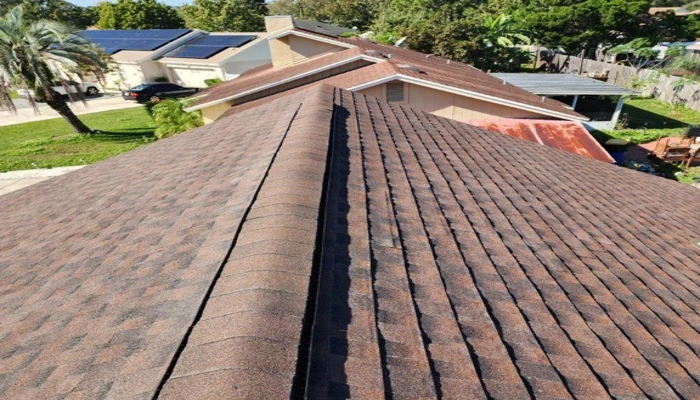
Missing documents do not end the search. You can still estimate roof age by observing how materials respond to time and weather. This method relies on visible patterns, not guesses, and it should always start from a safe position on the ground.
Roof systems age in stages. Materials lose protection, seals dry out, and stress points show wear first. When these signs appear together, they form a reliable timeline.
Reading Visual Wear Patterns Without Stepping on the Roof
A safe visual check often reveals more than expected. From the ground, shingles tell a story through texture and shape. Asphalt shingles that hold granules well usually belong to younger roofs. When granules collect in gutters or bare fiberglass becomes visible, age is already advanced.
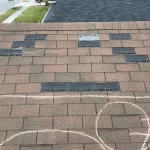
Edges also matter. Flat edges suggest a roof that still holds structure. Curling or cupping points to long exposure to heat and moisture. Cracks often appear later, after years of sun damage. Color changes or uneven patches can indicate past repairs, which often happen on older systems rather than newer ones.
These signs should not be read in isolation. One worn area does not define roof age. Consistent wear across sections carries more weight.
How Roof Components Reveal Time-Based Wear
Shingles do not age alone. Supporting components often fail sooner and help narrow the timeline. Rubber pipe boots harden and split after years of exposure. Vent seals lose flexibility. Metal flashings show rust, separation, or seal failure after long service periods.
Valleys and roof edges deserve close attention. These zones handle more water flow and debris. When wear appears early in these areas, the roof has likely faced years of stress. Inside the home, attic signs also matter. Stains, daylight, or persistent damp smells often point to long-term exposure rather than recent damage.
These elements work together. When multiple components show similar wear stages, the age estimate becomes clearer. So when you ask yourself “How old is my roof? How do I find out the age of my roof?”, don’t feel lost, we’re here to help.
Why Appearance Alone Can Mislead Roof Age Estimates
Some roofs look clean but hide weakened materials. Others appear worn yet still perform. Visual appeal does not equal structural health. A careful review focuses on patterns and consistency, not surface looks.
This approach reduces error and helps homeowners avoid wrong decisions based on guesswork. It also helps identify when a professional inspection is needed.
The next section explains how roof type and material change the way age should be estimated. Different systems age at different speeds and in different ways.
How Roof Type and Materials Affect Roof Age Estimates
Roof age does not follow a single pattern. Material changes how time leaves marks. Two roofs installed in the same year can age at different speeds. Sun exposure, wind, fasteners, and moisture shape that process. This is why material type matters when estimating age.
What Aging Looks Like on Asphalt Shingle Roofs
Asphalt shingles are common in residential homes and tend to show age earlier. This helps with estimation. Thin shingles age faster than thicker ones. Flat shingles with even color usually indicate earlier service years. Curling edges, cracking, and exposed fiberglass suggest later stages.
Some signs appear more often on older shingle roofs:
- Granule loss in gutters or at downspouts
- Edges that lift or curl under heat
- Seals that no longer hold shingle tabs together
Architectural shingles often last longer than basic strip shingles. Luxury shingles last longer still. Even so, all asphalt systems show wear once exposure builds over time. In humid areas, algae stains may appear. These stains alone do not define age, but they support other indicators.
How Tile Roofs Age Without Clear Surface Warnings
Tile roofs age in a less obvious way. Clay, concrete, and slate tiles can remain intact for decades. Many still look solid long after installation. This surface strength can hide aging below.
Age clues often come from supporting parts, not the tiles themselves:
- Underlayment condition
- Fasteners and flashings
- Movement or cracking near edges and valleys
A tile roof may look strong while hidden layers weaken. Because of this, surface checks alone rarely give an accurate age estimate for tile systems.
Why Metal Roofs Often Appear Younger Than They Are
Metal roofs hold shape well. Paint systems fade slowly. Panels resist cracking. These traits make metal roofs look newer than their actual age.
Age signs usually appear at connection points:
- Exposed fasteners that loosen or fail
- Washers that dry out or crack
- Seams and seal lines that lose strength
Standing seam systems hide fasteners, which reduces visible clues. Exposed fastener systems show age sooner. Stone-coated metal hides wear under granules, which delays surface signs. In all cases, attachment areas provide the clearest age signals.
How Flat Roof Systems Signal Time and Wear
Flat roofs rely on membranes rather than surface texture. Age shows through pattern changes, not appearance alone. Seams take stress first. Drainage paths reveal wear. Foot traffic leaves marks over time.
Common age indicators include:
- Seam separation or surface thinning
- Wear near drains and low points
- Discoloration from long exposure
Flat roofs often age evenly. Small details matter less than broad patterns. These systems usually need close inspection to estimate age with confidence.
Roof material shapes how age should be interpreted. Each system leaves clues in a different way, and reading them correctly avoids wrong conclusions. In the next section, we’ll see how professional inspections estimate roof age and why field experience makes the difference.
Can a Home Inspection or Contractor Estimate Roof Age Accurately?
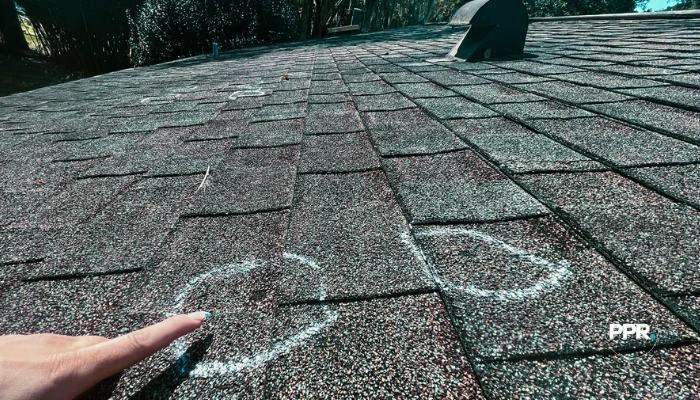
A home inspection or contractor evaluation often gives the clearest answer when documents are missing. This process relies on observation, experience, and context. It does not depend on assumptions or surface appearance alone.
A roofing professional evaluates multiple elements at once. They review shingle condition, sealants, fasteners, flashings, and high-stress areas such as valleys and edges. They also factor in roof material and local exposure. In Central Florida, heat, humidity, and storm activity speed up wear. A roof that might last longer in another region can age faster here.
This type of estimate follows logic, not guesswork. The inspector looks for consistent patterns across the system. Is wear isolated or widespread? Do components show similar aging stages? These details help narrow the roof’s service window.
It is important to understand the limits. An inspection provides an estimate, not a guaranteed installation year. A reliable contractor explains this clearly and documents findings with photos and written notes. This level of clarity builds trust and supports better decisions.
When roof age affects insurance questions, repair planning, or property value, a professional estimate reduces uncertainty and helps you act with confidence.
How Climate and Storm History Affect Roof Aging in Florida
Climate plays a direct role in how fast a roof ages. In Florida, this effect is stronger and more consistent. Heat, moisture, and storms apply stress year after year. Over time, that stress shortens the service life of many roofing systems.
Sun exposure is one factor. High temperatures dry out sealants and weaken shingle bonds. Materials lose flexibility. Once flexibility drops, cracks and separation follow. This process happens slowly but steadily, even when no visible damage appears.
Storm history adds another layer. Wind lifts edges. Heavy rain tests drainage paths. Flying debris causes impact marks that may not leak right away but weaken the system. FEMA data shows that wind and water events remain the leading causes of residential roof damage in Florida. Older roofs absorb this stress with less margin for error.
Humidity also matters. Moist air supports algae growth, speeds material breakdown, and keeps surfaces damp longer after rain. This condition affects shingles, fasteners, and underlayment. A roof that stays wet ages faster than one that dries quickly.
When estimating roof age in Florida, climate cannot be ignored. Two roofs with the same install year may perform very differently based on exposure and storm history.
Did you know that the age of your roof actually indicates the need for repairs, maintenance, and future planning? Let’s see.
What Roof Age Tells You About Repairs, Maintenance, or Replacement
Roof age sets the frame for every decision that follows. It does not act alone, but it defines limits. A newer roof offers more room to act. An older roof requires faster and more careful choices.
In the early or middle years of service life, maintenance usually delivers good results. Wear stays contained. Small actions help preserve function and delay larger work. At this stage, problems tend to be predictable and manageable.
As the roof gets older, the pattern changes. Wear spreads. Materials lose tolerance. Repairs may still help, but they no longer solve the full problem. They serve as control, not correction.
Key signs that roof age is shaping your options include:
- Wear appearing in several areas, not just one spot
- Repairs holding for shorter periods
- Sealants and flashings failing at the same time
- Increased sensitivity to storms and heavy rain
Near the end of service life, replacement planning becomes part of the conversation. This does not mean failure is immediate. It means the roof has less margin for stress. Each storm carries higher risk.
Roof age provides context. It helps align expectations with reality. In the next section, we’ll look at preventive steps that reduce risk on older roofs and help extend performance before major work becomes unavoidable.
Preventive Steps to Reduce Risk on Older Roofs
Preventive action lowers risk before damage spreads. This matters most as a roof ages. Small steps protect weak points and help avoid sudden problems, especially before storm season.
Basic Maintenance That Reduces Wear
Routine maintenance keeps stress under control. It does not reset roof age, but it slows failure and limits exposure. Focus on simple actions:
- Keep gutters and downspouts clear to move water away
- Trim branches that touch or hang over the roof
- Check sealants around vents, pipes, and penetrations
- Review the roof after strong wind or heavy rain
These steps reduce moisture buildup and movement during storms. They also help identify issues early, when solutions remain practical.
When Temporary Roof Protection Becomes Necessary
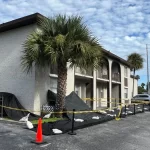
Temporary protection applies when damage exists and rain is expected before repairs can happen. In these cases, a blue tarp can protect the structure and interior during a short window.
Costs typically range from $800 to $1,600, based on damage level, roof height, and pitch. This range reflects safe installation and proper coverage, not shortcuts.
Installation must follow clear rules. Nailing or screwing tarps directly into the roof is not recommended in standard situations. This approach can cause more damage and lead to insurance issues. Only rare cases, such as very steep pitch where sandbags cannot hold or roofs with severe structural failure, may require fasteners, and even then with clear caution.
Want to learn more about roof tarps?
Why Timing Makes the Difference
Prevention works best when applied early. Waiting reduces options and raises risk. Older roofs have less margin for error, especially in Florida weather.
Common Mistakes Homeowners Make When Estimating Roof Age
Estimating roof age seems simple, but small mistakes often lead to wrong conclusions. These errors delay action and increase risk, especially on older roofs.
Assuming Appearance Equals Age
Many homeowners judge age by how the roof looks from the street. This approach fails often. Some roofs appear clean while materials weaken below the surface. Others look worn but still perform well. Visual appeal does not reflect structural condition.
Relying on the Home’s Build Date
The home’s construction year does not confirm roof age. Many houses receive one or more re-roofs over time. Using the build date alone can add decades to the estimate and distort planning decisions.
Trusting Verbal Information Without Records
Statements from past owners, neighbors, or real estate listings lack proof. Without documents, these claims remain assumptions. Decisions based on assumptions increase exposure to unexpected damage.
Ignoring Climate and Storm History
Roof age does not exist in isolation. Florida heat, wind, and rain accelerate wear. A roof that might perform well elsewhere can age faster here. Ignoring this factor leads to underestimation.
Waiting Until a Leak Appears
Leaks signal advanced failure, not early wear. By the time water enters the home, damage often extends beyond the roof surface. At that point, insurance coverage becomes uncertain.
Avoiding these mistakes improves accuracy and protects options. In the next section, we’ll explain why a local roof inspection offers the most reliable answer when age matters.
Why a Local Roof Inspection Provides the Most Reliable Answer
Roof age estimates improve when local knowledge enters the process. A local inspection accounts for factors that general guides cannot measure. These include regional weather patterns, common material choices, and installation standards used in the area.
In Orlando and across Central Florida, roofs face higher heat exposure, frequent storms, and seasonal wind stress. A local roofing professional understands how these conditions affect aging. This context helps separate normal wear from accelerated damage.
A local inspection also focuses on details that matter in this region. Inspectors know which materials are common, how they tend to fail, and where problems appear first. This experience improves accuracy and reduces false assumptions.
Another benefit is documentation. A proper inspection records findings with photos and clear notes. This record supports planning, insurance discussions, and repair decisions. It also helps homeowners understand risk without pressure or confusion.
When roof age affects safety, cost, or timing, local insight adds value. It turns an estimate into a practical tool for decision-making.
Conclusion: What to Do If You Still Don’t Know Your Roof’s Age
If you still don’t know how old your roof is, that uncertainty deserves attention. Roof age affects safety, planning, and cost. Waiting rarely improves the outcome. Time and weather keep moving, even when answers feel unclear.
Start with what you know. Review records. Observe visible signs from a safe position. Consider material type and local exposure. These steps often narrow the range enough to guide decisions. When they don’t, a professional estimate brings clarity.
In Central Florida, local conditions matter. Heat, storms, and humidity accelerate wear. A local inspection accounts for these factors and documents findings in a clear way. This process helps avoid surprises and supports informed choices.


Leave a Reply