



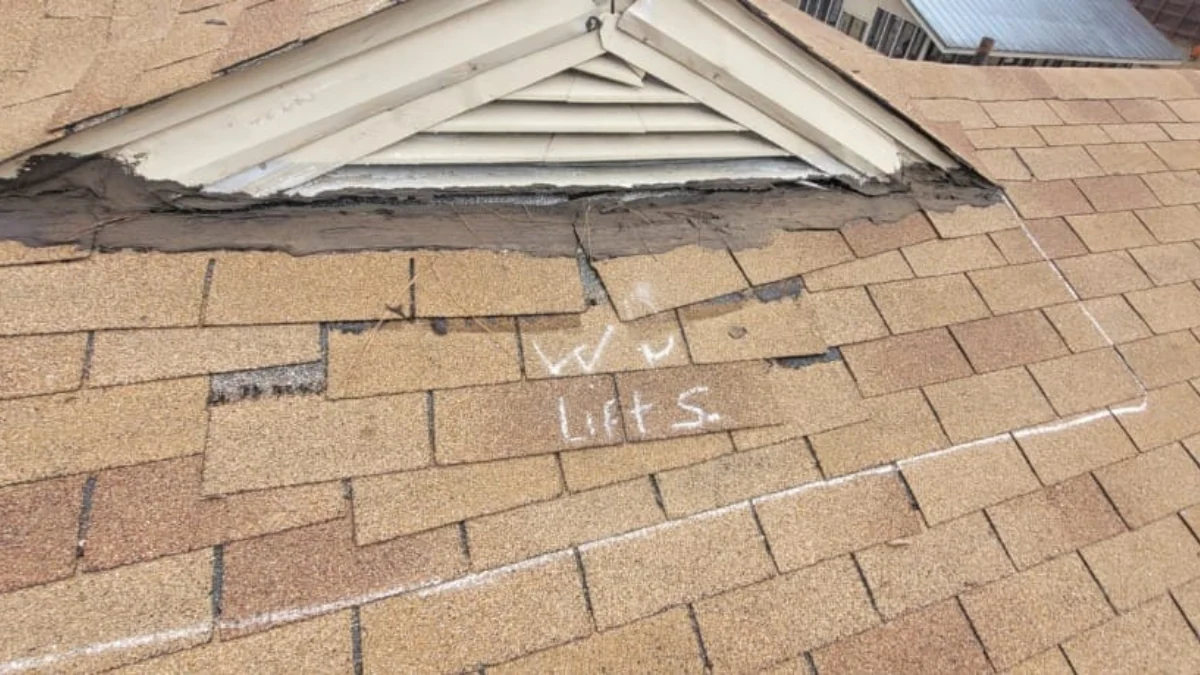


How to find roof leaks might sound straightforward, until water stains show up and you realize the leak isn’t where you thought it was. That’s because a roof leak can travel from its entry point before showing signs inside your home. That’s why even experienced homeowners get it wrong.
According to data from the National Roofing Contractors Association, roof leaks are the most common reason homeowners request emergency service and when not addressed quickly, even a slow leak can cause mold, insulation rot, ceiling collapse and insurance issues you’d rather avoid.
So how to find roof leaks fast? That’s exactly what we’re going to show you. In this guide, you’ll learn how to spot early warning signs, how to inspect your roof from the inside and outside, what to do when you can’t find the leak and when it’s time to call in professionals.
Don’t wait for the next rainstorm to do the damage. Let’s find that leak before it finds your wallet.
Table of contents
What Are the Most Common Signs of a Roof Leak?
Most roof leaks begin quietly, hidden above your ceiling, inside your attic or behind walls. That’s why spotting the early signs makes all the difference. Let’s see what you need to look for:
- Water stains on ceilings or walls: They often appear near corners, light fixtures, or ceiling fans. If the stain grows after a storm, it’s a strong signal that water is coming in from above.
- Peeling paint or bubbling drywall: This often means the leak has been active for a while and drywall may sag or feel soft if touched.
- Musty smells indoors: If you notice a damp, moldy odor that’s a red flag. Moisture build-up promotes mold growth, and it can start forming in as little as 24–48 hours after water exposure.
- Mold or algae in the attic: Dark patches on the roof deck, insulation or rafters often point to a slow leak. These areas stay damp longer and are ideal for mold, that’s why you need to always check after heavy rain.
- Drips, even if occasional: A slow, random drip might not seem serious, but it means water is finding a way inside and it won’t stop until something is fixed. Water might travel across beams before dropping, so the drip isn’t always near the actual leak.
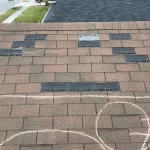
- Exterior damage on the roof: Loose or missing shingles, rusted flashing or cracked seals around vents all allow water in. Even a small gap can become a leak source if exposed to repeated rain and wind.
- Spikes in your energy bill: Wet insulation loses its ability to regulate temperature, which makes your HVAC system work harder and your utility bill climb.
Pro tip from Protect Preserve Roofing: If you spot two or more of these signs, your roof likely has a leak, and it won’t fix itself. The earlier you act, the cheaper the solution; waiting could lead to soaked ceilings, structural damage, or insurance headaches.
How to Find Roof Leaks Fast
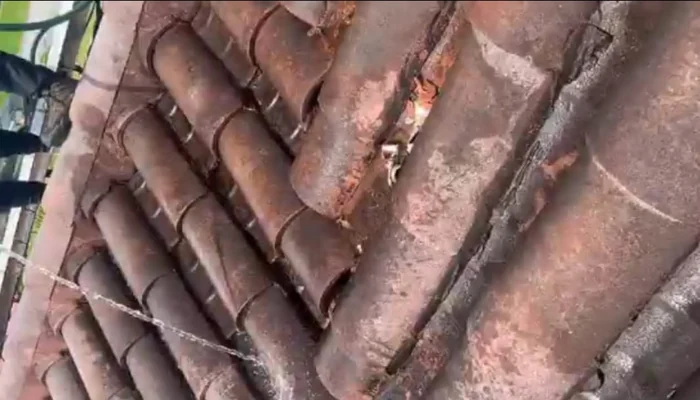
You’ve seen the signs, now comes the hard part: figuring out where the leak starts. Spoiler alert: the water spot on your ceiling is almost never directly under the actual leak because water travels.
So, use this step-by-step process to find the source without guesswork:
- Step 1: Start inside. Grab a flashlight and check the attic during daylight or shortly after it rains. Look for wet spots on insulation or rafters, dark streaks or mold patches on wood and daylight shining through the roof boards.
- Step 2: Trace the path of the water. Water follows gravity, but it also follows the easiest route. If insulation is dry and there’s a ceiling stain, follow rafters, nails or beams backward from the wet spot to where water might be entering.
- Step 3: Check for penetration points. Most leaks happen Around chimneys, skylights, vents or exhaust fans, plumbing stacks, satellite dish brackets and roof valleys or where two slopes meet. These are weak spots, even a missing nail seal can be the villain.
- Step 4: Test with a hose (when it’s dry). If you don’t see anything obvious, get help from a second person. Thereby one person stays inside with a flashlight and the other slowly wets sections of the roof with a garden hose. Work in small areas and wait a few minutes after each.
- Step 5: Inspect from the ground. Use binoculars or your phone’s zoom to look for lifted or missing shingles, rusted flashing or bent metal edges, sagging rooflines and moss buildup (moisture trap).
- Step 6: Rule out plumbing or HVAC issues. Sometimes, it’s not the roof. Check HVAC condensation lines, bathroom exhaust fans and leaky pipes running through the attic. If your roof looks fine, the issue might be something else entirely.
Quick reminder: Still can’t find it? Protect Preserve Roofing uses moisture mapping and thermal tools to detect leaks with zero guessing. Let us confirm the source before the damage spreads.
How to Find a Roof Leak from the Outside
If you can’t access the attic or want to double-check things from the ground, it’s time to inspect the roof from the outside. However, here’s the good news: you don’t always need a ladder to spot a problem. Let’s break it down:
- Start with a ground-level scan: Use your phone’s zoom or a pair of binoculars. You’re looking for anything that doesn’t look “right” compared to the rest of the roof, like curled, cracked or missing shingles, bent, loose or rusted flashing, debris buildup in valleys or behind chimneys and signs of sagging or dark streaks.
- Pay attention to penetration points: Anywhere the roof has something sticking through it is a potential entry point for water. This includes skylights, chimneys, vent pipes, satellite mounts and solar panel brackets. Look for dried caulk, loose seals or cracked rubber boots.
- Check for roof debris or clogs: Leaves, branches and dirt can pile up around roof valleys, gutters and behind chimneys or dormers. These spots trap water, and standing water finds ways in.
- Use a garden hose (optional): Have a helper inside the house. Spray the roof with water in small sections. Wait a few minutes between areas. When water shows up inside, that’s your leak zone.
- Don’t miss the flashing: Flashing is the thin metal around roof edges and openings. When it bends, rusts or separates from the roof, water slips through fast. It’s one of the most common leaks causes we see.
Pro tip from Protect Preserve Roof: If you spot a damaged area and need to protect it fast, use a tarp, but never nail or screw it down unless absolutely necessary. Use sandbags or tie-downs to secure it. Only in steep or fully destroyed roofs should fasteners be considered and even then, it’s risky for your insurance.
Can’t Access the Attic? Here’s How to Find Roof Leaks Without It
Plenty of homes, especially with vaulted ceilings or sealed insulation, don’t allow you up top and that’s okay. Let’s walk through how to find roof leaks from the ground level.
- Look for ceiling or wall stains: Look for brown rings on ceilings, discoloration near corners, water streaks running down walls and bubbling or peeling paint. Circle the stain with a pencil and check if it expands after the next rain. If it does, the leak is still active.
- Trace the leak’s likely path: Water enters through the roof, travels along rafters or drywall and shows up several feet away from where it started. Use a tape measure to mark the distance from the ceiling stain to the nearest exterior wall. Go outside and measure the same distance upward on the roofline.
- Inspect the roof from the ground: Use binoculars or your camera’s zoom. Look for loose shingles, rusted or lifted flashing, gaps near vents or pipes or debris sitting in valleys. Pay close attention to any areas directly above or near the interior stain. If something looks off, it probably is.
- Check exterior walls and windows: Sometimes, what looks like a roof leak is actually a flashing issue on a second-story wall or around a poorly sealed window. If water stains appear below these areas, inspect them closely for cracks or old caulking.
- Test in dry weather with a hose: Yeah, again because this one is easy and important. If you still can’t find the source, get someone to watch the spot inside, spray small areas of the roof from the outside and wait 5–10 minutes before moving to the next section. The moment water appears inside, stop spraying, you’ve found the problem area.
Pro tip: Protect Preserve Roofing uses non-invasive tools that see through roofing layers without cutting into anything. If you’re unsure, let our team take the guesswork out and keep your ceiling safe.
How to Find Roof Leaks During or After Heavy Rain
Heavy rain is nature’s leak detector. If your roof has a weak spot, you’ll know eventually. The challenge is catching it early, before that small drip becomes a soaked ceiling or a mold problem.
So, here’s how to investigate safely when the rain starts telling the truth:
- Check active drips and wet spots: As soon as it rains, walk through the house. Pay close attention to:
- Dripping from ceiling fixtures or vents.
- New wet spots on ceilings or walls.
- Puddles forming near baseboards or corners.
- Dimming or flickering lights (yes, water and electricity mix poorly).
- Follow the water trail: Grab a flashlight. If possible, check closets, corners and upper walls. Start at the drip and trace upward and you might see:
- Water stains.
- Bubbling paint.
- Damp drywall.
- Mark the damage immediately: Use painter’s tape, chalk or even a sticky note to mark:
- The location.
- The time it appeared.
- Whether it grew during the storm.
- Inspect the roof when it’s safe: Never get on the roof during rain. However, if the storm passes and it’s safe to step outside:
- Walk around the house and scan for visible roof damage.
- Look for water pouring from unusual places (gutters, soffits).
- Check for fresh shingle loss on the ground.
- Use buckets: Catching water with a bucket is fine for now, but don’t stop there. Cover the interior with plastic sheets if needed, especially around electronics or furniture.
- Rain makes leaks obvious: If you’re planning to test for leaks, wait for the next dry spell. Use the rain to observe, not to climb or patch. Wet roofs are slippery and one wrong step is all it takes.
Quick reminder: At Protect Preserve Roofing you don’t need to ask yourself “how to find roof leaks”. We inspect right after storms when leaks are active and easy to trace. Our team documents everything you need for fast repair and, if possible, insurance support. You just have to call.
What If You Still Can’t Find the Leak?
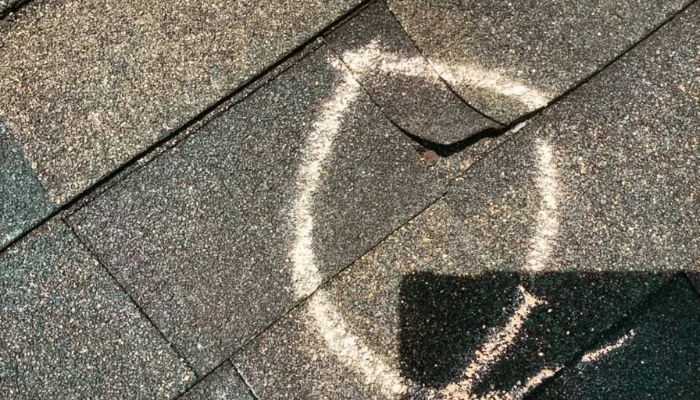
You’ve checked the attic, scanned the roof, sprayed with a hose and… nothing. Still leaking and still no clue where it’s coming from. Don’t worry, that doesn’t mean you’re imagining things. Some roof leaks are stubborn and here’s why they can be hard to track and what to do next:

- Understand that water moves: Water rarely falls straight down. It slides across rafters, drips down nails, hides behind insulation and shows up far from where it came in. Just because you don’t see it doesn’t mean it’s not there.
- Know the sneaky sources: Sometimes, the issue isn’t a shingle at all. Hidden leaks often come from flashing around chimneys or dormers, cracked vent boots, old sealant on skylights, roof valleys collecting debris and clogged gutters causing overflow under shingles. It’s the little things that often go unseen, until the damage is obvious.
- Don’t rely on guesswork: Tearing up drywall or pulling off shingles without knowing the source can cause more damage than the leak itself and it rarely works. You need precision, not luck.
- Call in the right help: This is where the pros shine. At Protect Preserve Roofing, we use moisture meters, thermal imaging cameras, dye testing (in complex cases) and good old-fashioned experience. No need to destroy parts of your home just to “see what happens.” We zero in on the leak with clean, fast and non-invasive methods.
- Don’t delay the repair: Even if you haven’t found the leak yet, don’t wait to act. A temporary tarp can stop further damage, but don’t nail or screw it down unless necessary. Use weighted bags or tie-downs instead.
How to Prevent Roof Leaks Before They Start
Now that you know how to find roof leaks, it’s time to learn how to prevent them. Most roof leaks don’t come from natural disasters. They come from neglect, clogged gutters, old flashing and small cracks no one ever noticed. Good news: a few simple habits can stop leaks before they start.
- Inspect your roof twice a year: Use Spring and Fall as your reminders.
- Clean your gutters: Clogged gutters back up rainwater. Keep them clean, especially before heavy rain. Install gutter guards if leaves are a constant problem.
- Trim trees and remove debris: Overhanging branches do two things: scrape and wear down shingles and they drop leaves that trap moisture. Trim them back and keep the roof surface clean.
- Check seals around penetrations: Chimneys, vents, skylights, all have seals. Over time, these dry out or crack. Check caulking and flashing once a year. If you spot anything loose, worn or brittle, it’s time for a touch-up or replacement.
- Watch for early indoor signs: Catch it early and you’ll save time, money and drywall. Keep an eye out after storms or snow.
Bonus tip: Get a professional inspection every few years. even if things look fine, trained eyes see what you don’t. At Protect Preserve Roofing, our inspections find weaknesses before they become leaks. We check roof surface, flashing, attic ventilation and moisture levels.
Conclusion: Call Protect Preserve Roofing
Let’s be honest, not every roof leak needs a professional. Therefore, if you’ve tried to find it, patch it and it’s still dripping, it’s time.
At Protect Preserve Roofing, our inspections are thorough, safe and fast. Here’s what we do:
- Walkaround inspection from the ground.
- Attic moisture check (if accessible).
- Visual and thermal imaging where needed.
- Seal and flashing analysis.
- Clear explanation of findings.
- Repair options that match your roof, not someone else’s.
Leaks never fix themselves. They hide, spread, get worse and sometimes, they trick even the best DIYers. So, if you’re staring at a wet ceiling and unsure what’s next, you don’t need to do it alone.
Call us, we’ll show up on time, explain what’s happening and give you real options. We’re here to help you, friend, that’s why you can also schedule a free visit to your roof or get a quick estimate of the job.
With us is no guesswork or overselling, just solutions you can trust.


Leave a Reply