



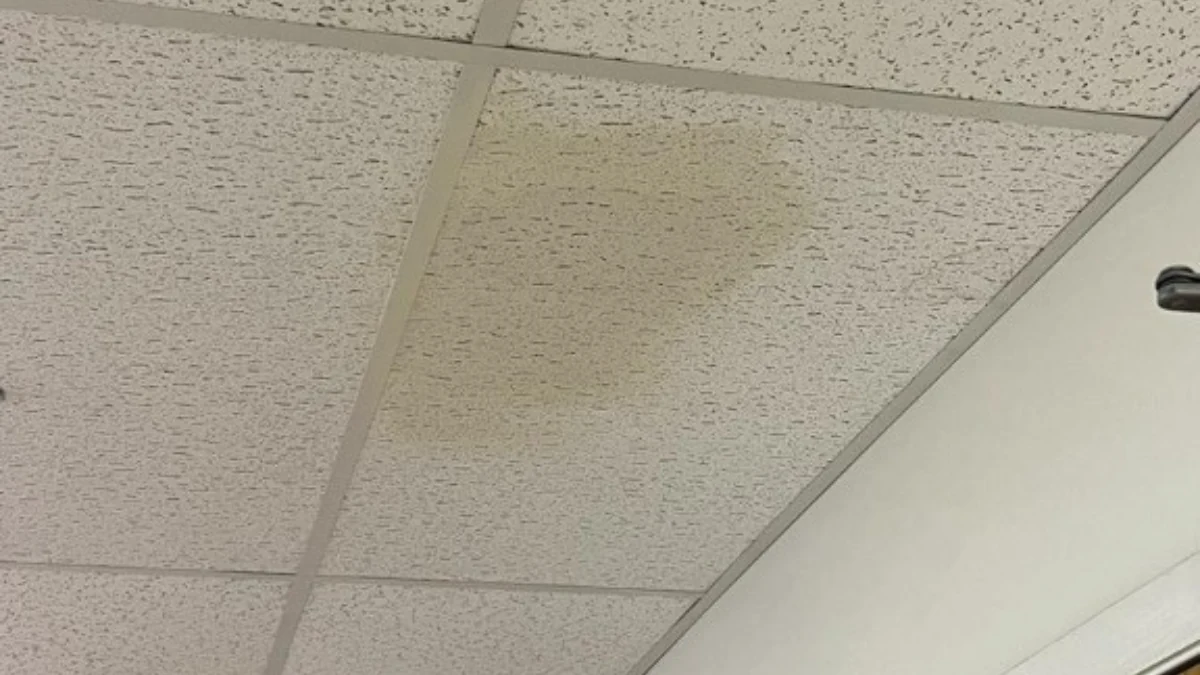


Common causes of a leaking roof can seem obvious at first glance, but most homeowners only discover them when it’s already too late.
According to the National Roofing Contractors Association, nearly 40% of all building-related issues in the U.S. are directly linked to water intrusion from the roof. And here’s the catch: most of these leaks are preventable with the right knowledge and regular attention.
Have you ever spotted a small water stain on the ceiling and thought it was nothing? That minor sign could be the tip of a much larger issue. The good news is: with the right insights and a proactive approach, you can detect, fix and even prevent most roof leaks before they turn into costly nightmares.
In this guide, built on real industry experience, you’ll learn what causes your roof to leak, how seasonal changes, like winter and heavy rains, create hidden risks, practical repair options and smart, preventive strategies that protect your roof year-round.
Let’s uncover the most common causes of a leaking roof and how to stay ahead of them because the best repair is the one you never need to make.
What Are the Common Causes of a Leaking Roof?
A leaking roof rarely starts with a dramatic waterfall in the living room. Most of the time, it begins quietly, until the damage becomes too big to ignore.
So, what actually causes a roof to leak? Let’s break it down into the most common triggers.
- Old or worn-out roofing materials: If your roof is over 15–20 years old and hasn’t been inspected in a while, you’re basically asking for trouble.
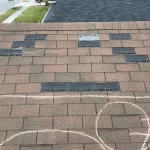
- Damaged or missing shingles and tiles: Once the shingles or tiles are gone, your roof loses its first layer of defense. Even a single missing tile can allow water to seep underneath and damage your roof deck, insulation and ceiling.
- Flashing failure around vents and chimneys: Flashing is the thin metal used around roof edges, skylights, vents and chimneys. It’s supposed to block water from slipping into joints or openings. When flashing is poorly installed, rusted or starts to peel up, water finds the gap and heads straight into your attic.
- Clogged gutters backing up water: Clogged gutters stop water from draining off your roof. Cleaning your gutters twice a year isn’t just “nice to do.” It’s basic roof survival.
- Improper roof pitch or poor installation: If the roof pitch isn’t right for the materials used, leaks become almost guaranteed.
- Roof penetrations and skylights: Every hole in your roof is a potential leak waiting to happen and that includes skylights, solar panels, vents, and satellite dishes. If they’re not sealed properly or if the flashing around them fails, water creeps in.
- Condensation and poor ventilation: Condensation can quietly soak your attic from the inside out. If your attic isn’t ventilated properly, that moisture stays trapped. Over time, it leads to mold, rot and leaks.
- Animals and tree damage: Nests block ventilation and cause rot. Leaves clog gutters and sometimes, an entire limb crashes down and takes a piece of your roof with it.
- Improper roof repairs: A “quick fix” done the wrong way often creates a long-term problem. The roof protects your home, don’t let shortcuts compromise it.
Cold Weather and Winter Are Common Causes of a Leaking Roof?
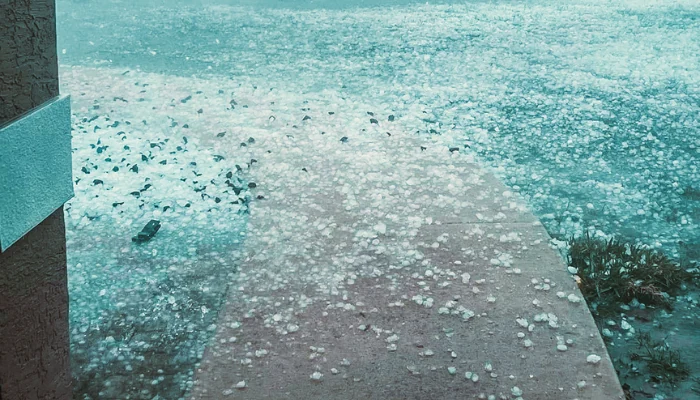
Yes, and not in a cute, snowman-on-the-roof kind of way. Winter is brutal on roofs; it’s like nature’s stress test. Let’s break down how cold weather quietly wrecks your roof and causes leaks you probably won’t notice until the worst possible time.
Ice dams
When snow builds up on your roof and heat from inside your home starts melting the bottom layer, that water flows down, until it hits the colder edge of your roof. Then it refreezes… again. This creates a wall of ice, called an ice dam, which traps water behind it.
Now water has nowhere to go… except under your shingles. And once it gets in, it starts soaking the wood deck, insulation and eventually your drywall. By the time you see a wet ceiling, the damage has been growing for days, even weeks.
Freeze–thaw cycles
Water seeps into tiny cracks in your roof or flashing. Then it freezes and frozen water expands and boom, the crack gets bigger. Now multiply that cycle over a few cold nights. You go from “tiny flaw” to “full-on leak” faster than you think.
Heavy snow load
Wet snow is shockingly heavy. Add rain or ice on top of that and you’ve got weight pressing down on your roof materials, straining the structure and weakening fasteners and sealants. And if your roof already had even a small weak spot? That weight forces water through.
Condensation from poor ventilation
In colder months, warm air from inside your house rises into the attic. If there’s not enough ventilation, it meets the cold roof deck and turns into moisture. That moisture builds up inside your attic, causing:
- Mold.
- Wood rot.
- Insulation breakdown.
- Internal leaks.
Wind-driven snow
Winter storms often bring sideways-blasting snow, pushed under shingles, flashing and vents. This kind of snow finds gaps you didn’t even know existed and melts slowly, dripping right into your attic or walls. It’s sneaky, slow and expensive to catch too late.
Pro tip from Protect Preserve Roofing: Check your attic insulation, make sure your vents are clear and functioning. Look for signs of previous leaks before the cold hits and keep your gutters clean before winter season, it matters more than you think.
Metal Roofs: Heavy Rain Can Be a Common Causes of a Leaking Roof?
Yes, metal roofs can leak during heavy rain. They’re strong and durable. However, they’re not invincible. In fact, when the rain starts pounding, a metal roof can expose small installation flaws that you didn’t even know existed. Once the water gets in, it doesn’t ask permission, it just spreads. Let’s break down why this happens.
- Loose or misplaced fasteners: Metal roofs rely on hundreds of screws. If even a few are too loose, overtightened or missing the rubber sealing washer… water gets in fast.
- Poor panel overlaps and seams: Metal roofing panels need to overlap precisely.
If the seams are misaligned or the overlaps are too tight or too wide, rainwater can sneak in through something called capillary action. - Failing flashing or ridge caps: Flashings seal the most vulnerable parts of your roof, around chimneys, vents, skylights and where panels meet. When those seals weaken or shift, water from heavy rain slides right into your attic.
- Condensation: If your attic isn’t ventilated well, warm air from inside your home meets the cold underside of the metal roof. That creates condensation, not rainwater, but it looks and behaves the same. It drips and stains, creating a problem.
- Roof pitch that’s too low: Metal panels need a proper slope to shed water.
If the pitch is too low, rainwater pools, that’s dangerous. Water collects in small dips, finds its way into seams and, before you know it, there’s moisture under the panels and rot starting to form.
Quick reminder: If your metal roof starts leaking in the rain, don’t guess. Protect Preserve Roofing offers expert inspection and repair to find the source and fix it right before the damage spreads.

Why Is My New Roof Leaking?
Here’s the truth: new roofs can leak, and they often do, not because of bad luck, but because of avoidable mistakes during installation. Let’s look the common causes of a leaking roof (a new one), why it happens and what you need to watch out for.
- Poor installation from the start: Flashing installed backward, shingles nailed in the wrong spot, underlayment skipped or placed incorrectly and fasteners overtightened (especially on metal roofs) causes problems. Keep in mind that even a small mistake at this stage can lead to major water damage when the first storm rolls in.
- Wrong materials for your roof pitch: Some materials, like asphalt shingles, work well for medium-to-steep pitches. Others, like rolled roofing, are made for flat or low-slope surfaces. If the wrong material is used for your roof’s pitch, water won’t drain properly. Instead, it pools, finds seams and starts leaking, often in less than a year.
- Skipped final inspection: After a new roof is installed, a professional checks everything again, not just from the outside, but from the attic too. However, when this step is skipped, small gaps and exposed nails go unnoticed.
- Unsealed roof penetrations: Plumbing vents, satellite mounts, solar panel brackets… these are all penetrations, and they must be sealed properly during installation.
Quick reminder: Got a new roof but still dealing with leaks? You’re not alone and you’re not stuck. Protect Preserve Roofing inspects new roof installs, finds hidden flaws and offers repairs that actually solve the problem. We fix what others miss.
How to Determine the Common Causes of a Leaking Roof?
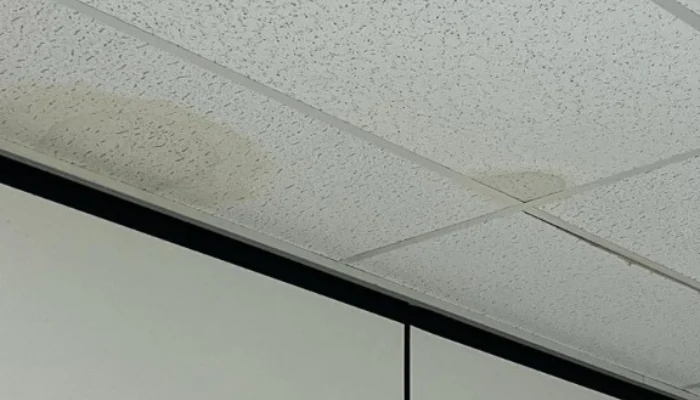
A roof leak isn’t always where it seems. Water travels, drips, spreads and, sometimes, shows up in a completely different place from where it started. That’s why guessing won’t help, you need a method.
Here’s a step-by-step guide to find the source before the damage gets worse.
Step 1 – Spot the signs inside first
Start indoors. That’s where most people first notice something’s wrong. Look for:
- Yellow or brown stains on ceilings or walls.
- Peeling paint or bubbling drywall.
- A musty smell in the attic or rooms below the roof.
- Visible mold or mildew in corners.
Step 2 – Check the attic (if safe)
Use a flashlight and head to the attic during or after a rain (if safe to enter). You’re looking for:
- Wet insulation.
- Dark stains on wood beams.
- Dripping water.
- Trails or streaks that show where water flowed.
- Follow the trail upward to the roof deck, this gives you a clue about where the leak started.
Step 3 – Inspect the roof surface
Once the rain passes and it’s safe, go outside and inspect your roof from the ground with binoculars or from a ladder if you’re trained and secure. Look for:
- Missing or cracked shingles.
- Loose or damaged flashing around chimneys, vents or skylights.
- Sagging sections of the roof.
- Popped nails or rusted fasteners (especially on metal roofs).
Step 4 – Check gutters and drainage
Clogged gutters back up water and that water has to go somewhere. Make sure:
- Downspouts are clear.
- Gutters aren’t sagging or overflowing.
- There are no signs of pooling near roof edges.
- The fascia boards (where the gutter connects) aren’t soft or stained.
Step 5 – Inspect roof penetrations
Every pipe, vent, skylight or satellite dish is a risk point. Check for:
- Cracked or missing sealant.
- Gaps around the flashing.
- Discoloration or rust near fixtures.
- Loose or lifted edges around penetrations.
Step 6 – Test with a controlled water spray
If you still can’t find the cause:
- Grab a garden hose.
- Start low on the roof and slowly work upward in sections.
- Have someone inside watching for the first sign of water.
Important: Only do this if it’s safe and dry outside. Never spray during or after storms.
Step 7 – Call a professional before it gets worse
Some leaks are hard to find and others are easy to misjudge. If you’re unsure, don’t delay. The longer you wait, the more damage it causes to your structure, insulation and possibly even your insurance eligibility.
Protect Preserve Roofing offers professional leak detection that finds the problem at the source. No guessing or unnecessary damage, just clear answers and fast action.
Roof Leak Repair and Cost Breakdown
Besides identifying the common causes of a leaking roof, the cost involved and whether the work can be done yourself are also important (we know you, friend, and we want to give you the best information). So, check out the following table:
| Type of Leak | DIY Repair Feasibility | Average Professional Repair Cost | Risks of DIY Repair |
| Loose or missing shingles | Possible if single shingle and safe access | $600 – $1,200 | Falling off the roof, poor alignment causing more leaks |
| Cracked flashing | Very difficult; requires replacement and sealing | $900 – $1,800 | Improper sealing, water trapped under materials |
| Leaking around skylights or vents | Not recommended, needs precision | $1,300 – $3,000 | Undetected gaps, incorrect flashing can worsen the leak |
| Damaged pipe boots | Temporary patch only (short-term) | $800 – $1,800 | Leak returns quickly if not replaced properly |
| Gutter overflow issues | Yes, cleaning and minor adjustment is doable | $500 – $1,200 | Doesn’t solve roof damage if water already entered the structure |
| Condensation-related (ventilation) | No, requires inspection and airflow correction | $1,400 – $3,200 | Mold, rot, insulation failure if misdiagnosed |
| Storm or tree damage | Never, structure likely compromised | $1,600 – $6,000+ | Collapse risk, insurance complications |
| Flat or low-slope roof pooling | Not safe or practical for homeowners | $2,000 – $5,000 | Patch may fail; hidden water damage not addressed |
| Tarp installation | Yes, but never nail or screw into the roof | $800 – $1,600 | If installed wrong, voids insurance and causes more damage |
Important notes from Protect Preserve Roofing:
- Never nail or screw a tarp onto your roof unless you’ve been instructed by a certified professional. Doing so could void your insurance and cause more structural harm.
- Temporary fixes are just that, temporary. They don’t replace a proper repair.
- If your roof is steep, unstable or if the damage is close to electrical fixtures, do not attempt repairs yourself.
Common Causes of a Leaking Roof: Roof Leak Maintenance
You don’t need to be a contractor or climb up on your roof to protect your home. You just need a clear checklist, a flashlight and a little consistency. Use this list every 3 to 6 months, it’ll help you catch problems before they cost you thousands.
| Task | What to Check |
| Inspect ceilings and attic | Look for water stains, dark spots or musty smells |
| Clean gutters and downspouts | Remove leaves, twigs and debris that block water flow |
| Check for missing or damaged shingles | Use binoculars from the ground (look for curling, gaps or color changes) |
| Examine flashing | Around chimneys, skylights and vents (look for rust, cracks or lifted edges) |
| Inspect around penetrations | Pipes, satellite dishes or solar panels (watch for cracked seals or movement) |
| Check soffits and fascia boards | Look for rot, soft wood or peeling paint, signs of hidden water damage |
| Scan for mold or condensation in attic | This could point to poor ventilation, which leads to leaks over time |
| Look for pooled water on flat roofs | Water that doesn’t drain can find its way in through seams or flashing |
| Trim overhanging branches | They scratch shingles, clog gutters and give animals easy roof access |
| Test attic ventilation | Ensure intake and exhaust vents aren’t blocked, helps prevent moisture buildup |
Bonus tip from Protect Preserve Roofing: Don’t delay small repairs. That tiny stain? It spreads. Don’t patch over problems and don’t rely on guesswork. If you’re unsure, call a professional inspection.
Conclusion: Protect Preserve Roofing – Roof Leak Repair Near You
Let’s be real, not every roof problem needs a full replacement. Therefore, every leak deserves serious attention. If you ignore it, that small drip turns into soaked drywall, ruined insulation, mold and a roofing bill that makes your eyes water.
That’s where Protect Preserve Roofing steps in. We don’t guess or cut corners. We inspect, diagnose and repair roof leaks with the same precision we’d want for our own homes.
Whether you’re dealing with a stubborn ceiling stain, a flashing failure around your chimney, a mystery drip after every thunderstorm or you’re not even sure where the leak is coming from, we’ve got your back.
Need fast and local help? Call us to protect your home. We’re your first line of defense when it counts for your roof. You can also get a quick estimate to prevent or repair damage, or even schedule a free visit to your roof.


Leave a Reply