





Architectural roof shingles vs asphalt, sounds simple enough, right? Well, when it’s your roof on the line and several thousand dollars at stake, the choice suddenly becomes a lot more serious.
According to a report by the Home Innovation Research Labs, over 70% of U.S. homeowners choose between traditional asphalt and architectural shingles when replacing a roof. And many end up regretting their decision; not because of the material itself, but because they didn’t fully understand what each one really offers.
So, in this guide you’ll learn the key differences between these two roofing styles, when it makes sense to spend more and what real professionals recommend based on years of hands-on experience.
Don’t just guess your way through a major decision. Let’s walk through the facts, side by side.
Table of contents
What’s the Real Difference Between Architectural Shingles and Asphalt Shingles?
Architectural shingles (sometimes called dimensional shingles) and asphalt shingles (often referring to basic 3-tab shingles) are both made from fiberglass mats coated in asphalt. However, the way they’re built, how they look on your roof and how long they last… that’s where the real difference kicks in.
First, you need to know that one is flat, the other has shape:
- Asphalt (3-tab) shingles are flat and uniform. Think of them like that basic white T-shirt: it gets the job done.
- Architectural shingles have layers. They’re thicker, heavier, and have a 3D look that mimics wood shake or slate.
Then there’s the clear difference in how they’re made and their composition. Just look at the table below:
| Feature | Asphalt (3-Tab) Shingles | Architectural Shingles |
| Layers | Single-layer | Multi-layer (laminated) |
| Thickness | Thin | Thick and dimensional |
| Weight per square | ~200–220 lbs | ~250–300 lbs |
| Appearance | Flat and plain | Textured, dimensional, varied |
| Installation | Simple and faster | Slightly more time-intensive |
Little help from Protect Preserve Roofing: If you want a clean, affordable roof fast, 3-tab might be fine. However, if you want something that lasts longer, looks more upscale, and performs better, architectural is worth the extra investment.
Architectural Roof Shingles vs Asphalt: Durability & Lifespan
When it comes to roofing, looks are nice, but durability is king. A roof should protect your home, not just sit there looking pretty. That’s where the difference in performance between architectural and asphalt shingles starts to matter.
Architectural shingles aren’t just a fancier name. They’re built with multiple asphalt layers, giving them:
- A thicker, more textured structure.
- Greater weight, which helps hold them down during storms.
- Better resistance to cracking and curling.
By comparison, 3-tab asphalt shingles are thinner, lighter and more vulnerable to high winds, UV rays and general wear. So, in numbers, the difference in durability between them is like this:
| Shingle Type | Lifespan Range | Wind Rating | Common Problems |
| Asphalt (3-tab) | 15 to 20 years | 60 mph | Curling, granule loss, leaks |
| Architectural | 20 to 30+ years | 110–130+ mph | Minimal when installed right |
Little reminder from Protect Preserve Roofing: As mentioned, although both types of roofing are classified as asphalt shingles, there are differences between them, which is why we will explain them separately.
Built for harsh weather
If your area sees strong winds, rain or big swings in temperature (wow, Florida), architectural shingles hold up better, plain and simple. They’re less likely to blow off, tear or leak during heavy storms. In short:
- Asphalt shingles can get the job done, for a while.
- Architectural shingles, when installed by pros like Protect Preserve Roofing, hold up better and last longer, especially when the weather turns ugly.
Little reminder from Protect Preserve Roofing: Even though 3-tab shingles have lower durability, that doesn’t mean they’re not a good choice. Depending on your needs and installation needs, they remain an excellent, cost-effective option.
Also read:
Architectural Roof Shingles vs Asphalt: Cost Breakdown
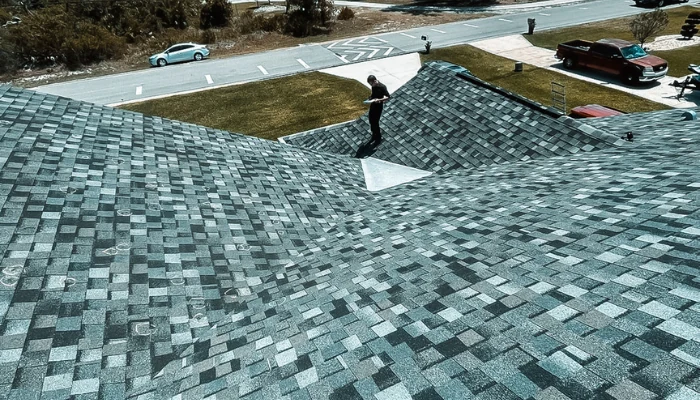
Let’s look at the real cost comparison between architectural and asphalt (3-tab) shingles and why many homeowners end up spending more when trying to spend less:
| Shingle Type | Material Cost per sq. ft | Installed Cost per sq. ft | Average Lifespan |
| 3-Tab Asphalt | $0.90 – $1.40 | $3.00 – $4.50 | 15–20 years |
| Architectural | $1.20 – $1.75 | $4.00 – $6.50 | 20–30+ years |
These numbers hold steady across most projects, unless your roof has steep pitch angles or complex features. In general, you can expect:

- $4,200–$5,400 for a full 3-tab roof installation on a 1,200 sq. ft. home.
- $5,800–$7,800 for architectural shingles on the same surface area.
Yes, it’s a noticeable jump. However, let’s break it down per year of protection:
- Asphalt: $280/year (15 years).
- Architectural: $200/year (30 years).
Labor and installation
Architectural shingles do take slightly more time and precision to install. They’re heavier and have a layered pattern that needs proper alignment. But that extra effort pays off with better performance and a cleaner finish.
And even though asphalt shingles may not seem like a safe option at first glance, they’re still a great option depending on the situation. Don’t dismiss them out of hand, especially if they’re properly installed – like with Protect Preserve Roofing.
Appearance and Curb Appeal: Which Shingle Looks Better
Architectural roof shingles vs asphalt… well, both offer distinct visual qualities. However, which one looks better? Well, that depends on your priorities.
Asphalt shingles
- These shingles have a uniform, flat appearance.
- They create a simple, consistent pattern that works well with traditional or modest home styles.
- For homeowners looking for a budget-friendly way to refresh their roof without changing the overall look of the home, 3-tab shingles get the job done.
They’re often used on rental homes, investment properties or in neighborhoods where most homes share the same roofing style.
Architectural shingles
- These shingles are made with multiple layers, giving them depth and texture.
- They mimic natural materials like wood shake or slate, adding shadows and variation across the roof.
- Homeowners who want a more eye-catching finish often lean toward architectural styles, especially when working with bold siding, brick, or stone.
Because of their visual depth, architectural shingles tend to hide stains, dust and imperfections better over time, maintaining their curb appeal longer in high-visibility areas.
What about color options?
Both shingle types come in a wide variety of colors. However, architectural shingles often offer blended tones and layered color shading, which can create a more natural or upscale look.
The asphalt shingles usually feature solid, even colors, which works well when you’re trying to match a basic exterior or stay within HOA color guidelines – and depending on your location, some homeowners’ associations may have restrictions or preferences regarding roof materials.
Which one fits your home best?
There’s no single winner here, only what fits your house, your goals and your budget:
- Asphalt shingles offer a streamlined look that’s ideal for smaller homes, basic renovations, or budget-conscious projects.
- Architectural shingles bring texture and detail to homes that want a stronger design statement or slightly upgraded feel.
Little reminder: Both shingles can look great when installed correctly and that’s where Protect Preserve Roofing comes in. Our team ensures every shingle is lined up, sealed and finished with precision that lasts.
Weight, Pitch and Structural Considerations
Both asphalt shingles and architectural shingles can work well, but they bring different demands. When we talk about weight, we have:
- Asphalt shingles are lighter, typically around 200–220 pounds per roofing square (100 sq. ft.).
- Architectural shingles are heavier, weighing in between 250–300 pounds per square, depending on the brand.
For most homes, this extra weight isn’t a problem. However, on older structures or buildings with framing issues, it’s something to factor in.
About the pitch… well, pitch is the steepness of your roof. It’s a critical part of choosing the right shingle type and installing it the right way. So, on low-pitch roofs (2/12 to 4/12), the asphalt shingles often perform just fine because of their uniform shape, they seal easily and shed water predictably and the proper underlayment becomes even more important.
Therefore, on medium to steep pitches (5/12 and above), architectural shingles shine here. The added texture enhances the look from ground level, and the thicker material provides better coverage and weather resistance at sharp angles.
Bottom line: Both shingles have their place, but they do interact differently with the structure underneath. When in doubt, lean on the pros. The crew at Protect Preserve Roofing will never guess. We inspect, measure and plan ahead, so your roof performs as well as it looks.
Architectural Roof Shingles vs Asphalt: Which One is Better for Harsh Weather Conditions?
Roofs don’t just sit there. They take punishment from wind, rain, hail, heat and, in some regions, even hurricanes. That’s why it’s important to choose a shingle that can stand up to your local weather. So, let’s see which shingle is better.
- Wind resistance:
- Asphalt shingles are generally rated for winds up to 60 mph.
- Architectural shingles are typically rated for 110 to 130+ mph, depending on the brand and installation method.
- Rain and moisture: Both types shed water well when installed correctly. The slope (pitch) of your roof makes a big difference too.
- Hail and heat:
- Asphalt shingles tend to crack or lose granules faster under hail and UV exposure.
- Architectural shingles absorb impact better and resist curling, even after years of sunlight.
Regional fit matters
Here’s a simple breakdown based on conditions:
| Condition | Asphalt Shingles | Architectural Shingles |
| Windy Regions | May lift in high winds (over 60 mph) | Better grip, higher wind rating |
| Heavy Rain Areas | Works with proper pitch & sealing | More effective in valleys and overlaps |
| Hail/UV Exposure | Can crack or fade sooner | More impact-resistant |
| Hot Climates | May curl over time | Holds shape and color longer |
Pro tip from Protect Preserve Roofing: Both shingles can perform well. The key is proper install, correct ventilation and regular inspection. If you’re in a high-risk region, having the right material (installed by the right people) can mean fewer insurance calls and more peace of mind.
Insurance and Warranty Considerations
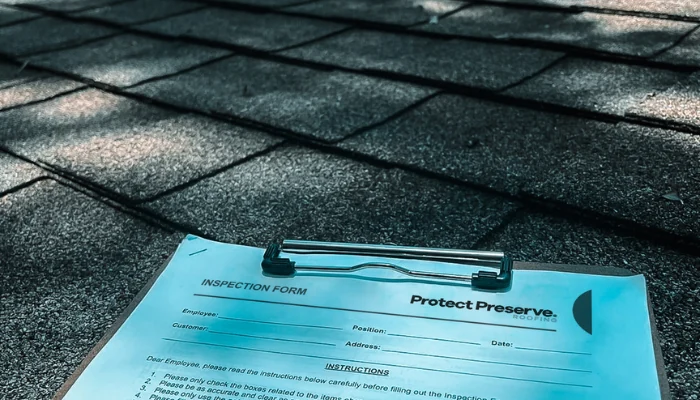
Let’s unpack what really matters when it comes to insurance and warranties for architectural roof shingles vs asphalt.
What homeowners often expect
Here’s the truth, insurance doesn’t guarantee coverage for every roof problem. Especially when:
- The shingles are past their expected lifespan.
- There was prior damage left unrepaired.
- The roof wasn’t installed properly.
- Water got in due to neglect (like missing a tarp after a storm).
One of the most common misunderstandings is assuming the insurer will pay just because there’s a leak, but if the damage could’ve been prevented, coverage often gets denied.
Why installation affects insurance?
Insurance companies often request proof of professional installation, especially if a roof fails early.
- Asphalt shingles, with shorter lifespans, are more likely to fall outside coverage windows if they’re over 15–20 years old.
- Architectural shingles, lasting 20–30 years, provide more breathing room when you need to file a claim… if installed correctly.
Warranty: what’s actually covered?
| Shingle Type | Typical Warranty | What It Covers | Key Conditions |
| Asphalt | 15–20 years | Defects in material | Must be installed to manufacturer spec |
| Architectural | 20–30+ years | Material + often extended coverage | May require certified installers |
Manufacturers sometimes offer “lifetime” warranties, but read the fine print:
- It might prorate after 10 years.
- Labor isn’t always included.
- Wind or algae protection might have limits.
Little reminder: Time matters. After a storm, protect your roof immediately with a tarp, never nail or screw the tarp unless necessary (it can void insurance if it causes further damage) and in extreme cases (like steep pitch or total collapse), Protect Preserve Roofing will explain when fastening is unavoidable and how to document it for your claim.
Also read:
When Architectural Shingles Are the Better Choice?
Let’s look at when architectural shingles make sense and when they don’t:
- You’re staying in the house long-term: If you’re planning to live in the home for 10+ years, the 25–30 year lifespan of architectural shingles pays off over time.
- You want stronger protection against storms: With wind resistance of 110–130+ mph, they hold up better in areas with hurricanes, tornadoes or heavy rain.
- Curb appeal matters: Architectural shingles give your roof a dimensional, modern look. They often increase home value and visual impact.
- You’re re-roofing after storm damage: If your last roof didn’t survive, upgrading to architectural can prevent a repeat.
- Your HOA requires them: Some neighborhoods ban 3-tab shingles altogether. Protect Preserve Roofing always confirms this for you before installation.
However, it’s not always recommended. As in the case:
- You have a very tight budget: Architectural shingles cost more up front. If every dollar counts, asphalt might be more practical.
- You’re flipping the home soon: If you’re selling the house in 1–3 years, you may not benefit from the longer lifespan.
- Your roof structure can’t support extra weight: Older homes with weaker framing may not handle architectural shingles without reinforcement.
Also read:
When Asphalt Shingles Are the Better Choice?
The asphalt shingles get overlooked sometimes, but they still serve a purpose, especially in the right setting. It makes sense when:
- Budget is your top concern: If you need an affordable way to protect your home or rental, asphalt shingles are often the most cost-effective solution.
- You own a smaller, low-exposure home: For houses with tree cover, minimal wind exposure or flat architecture, the lighter shingle may be just right.
- You’re covering a rental or outbuilding: Garages, sheds, or investment properties can benefit from the lower cost and basic performance of asphalt.
- You’re prepping the home for sale: A clean, new asphalt roof can help sell a home without overinvesting in upgrades you won’t benefit from.
Therefore, it’s not always recommended. As in the case:
- You live in a storm-heavy area: They’re typically rated for 60 mph winds, fine for calm regions, but risky near coastlines or storm zones.
- You want a modern, high-end look: They have a flatter, uniform appearance and less visual dimension. For upscale homes, architectural shingles usually look better.
- You don’t want to worry about early replacement: Asphalt shingles last 15–20 years under good conditions.
Pro tip from Protect Preserve Roofing: It’s not about the most expensive option, it’s about what gives you fewer problems and more value, because, when done right, both types of shingles protect your home. The key is knowing which one fits your situation and having the right team to install it.
Also read:
Conclusion: Choosing the Right Shingle for Your Roof
There’s no one-size-fits-all answer when it comes to architectural roof shingles vs asphalt. Both have their place and both can protect your home well when installed the right way. Here’s the big picture:
- Architectural shingles are heavier, more durable and last longer. They cost more up front but offer better protection in stormy areas and create a stronger visual impact.
- Asphalt shingles are simpler, lighter and more affordable. They’re a great choice for smaller homes, short-term ownership or projects on a tight budget.
What matters most is not just what you choose, but how it’s installed, whether it’s right for your home and how well it’s going to hold up over time.
That’s exactly where Protect Preserve Roofing comes in. We’ve helped hundreds of homeowners across different climates and budgets choose the right roofing material for their exact needs. We:
- Inspect your roof’s pitch, structure and exposure.
- Explain your real options.
- Install with precision, documenting everything for warranty and insurance.
- And we’re available if anything ever goes wrong later on.
Want a quote or just have questions? Call us to speak directly with a roofing expert. You can also get a quick estimate for a job or even schedule a free visit to your roof.
Whether you’re ready to move forward or just need guidance, our team is here to help.
FAQ: Common Questions About Architectural vs Asphalt Shingles
Architectural shingles are made with multiple layers for added thickness and texture. They last longer and resist wind better. 3-tab shingles are flat, lightweight, and more affordable upfront.
Typically, yes. Architectural shingles can last 25–30+ years. 3-tab shingles generally last around 15–20 years when properly maintained.
Sometimes — but not always. It depends on your policy and the cause of damage. If the roof was already old or left unprotected after a storm, coverage may be denied. That’s why Protect Preserve Roofing helps you document everything and install emergency tarps the right way.
You don’t have to decide alone. Protect Preserve Roofing offers free evaluations and will walk you through your options based on:
- Your roof’s pitch and structure
- Your local weather conditions
- Your budget and future plans
What is the main difference between architectural and 3-tab asphalt shingles?
Do architectural shingles last longer than 3-tab?
Will insurance cover roof replacement?
How do I know which shingle is right for my home?
Your roof’s pitch and structure
Your local weather conditions
Your budget and future plans


Leave a Reply