



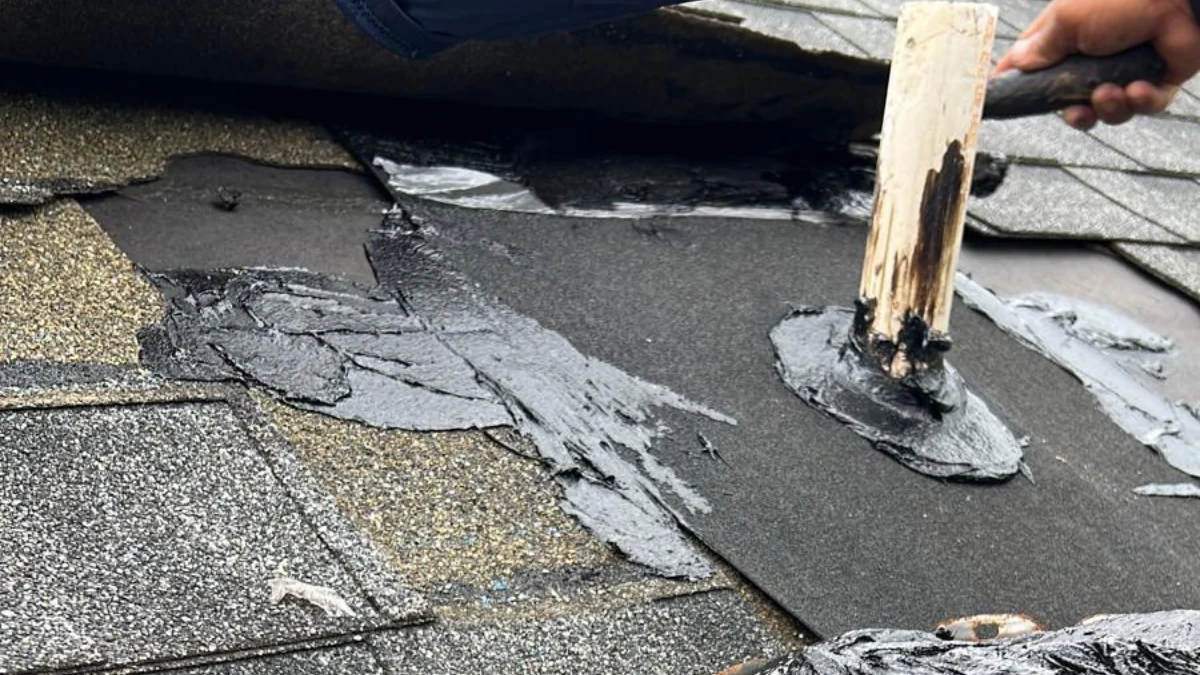


How much is it to replace shingles on a roof ? According to recent U.S. roofing data, the cost can range anywhere from $300 for a small repair to over $24,000 for a full roof replacement, depending on the size of your home, the type of shingles and the complexity of the installation.
Now, be honest: have you ever looked up at your roof, noticed a few shingles missing and thought, “How bad can it be?” Many homeowners in Florida ask themselves that exact question right before a tropical storm hits and turns a small fix into a major, costly problem.
So, in this guide, we’ll break down real costs, the factors that matter most and insider tips from Protect Preserve Roofing, a team that knows how to keep Florida homes safe, dry and looking their best.
Don’t wait until the next storm season. Let’s get into the numbers and strategies that could make all the difference for your roof.
Table of contents
How Much Is It to Replace Shingles on a Roof?
The cost to replace shingles on a roof can range from $300 for a small, localized repair to $24,500 or more for a full roof replacement. The gap is wide because the final number depends on factors like your roof’s size, slope, the type of shingles you choose and the complexity of the job. For example:
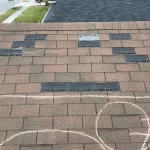
- Minor repairs (a few missing shingles after a storm): $300 – $800.
- Partial replacements (one side or section of the roof): $1,500 – $5,000.
- Full asphalt shingle roof replacements: $7,000 – $24,500.
These figures are based on national averages, but here in Florida, costs can lean higher due to strict building codes, hurricane-resistant materials and seasonal labor demand. Typical price ranges by shingle type:
- 3-tab asphalt shingles: $3.50 – $5.00 per sq. ft.
- Architectural shingles: $4.00 – $8.50 per sq. ft.
- Luxury asphalt shingles: $7.00 – $16.00 per sq. ft.
These prices include materials and professional installation. If you’re replacing a 2,000 sq. ft. roof with mid-grade architectural shingles, you could expect to invest around $10,000–$15,000 – a figure that covers removal, disposal, and installation by licensed professionals.
Factors That Affect the Price to Replace Roof Shingles
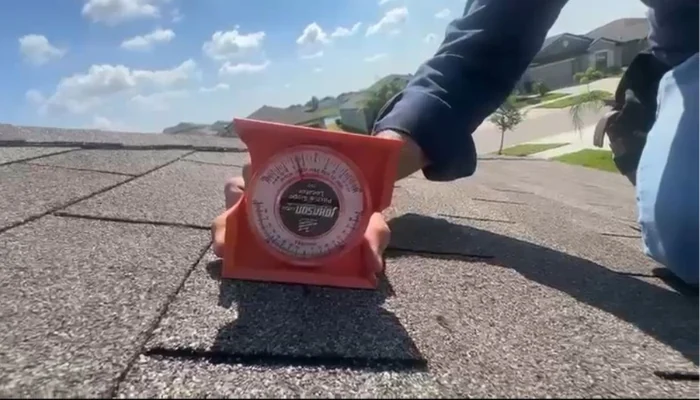
The price to replace roof shingles isn’t a flat number. It’s shaped by several key factors that can push the total up or bring it down. Let’s review the variations before starting any work, ensuring you know exactly what you’re paying for and why:
- Type of shingle: Basic three-tab shingles cost less but offer shorter lifespans and lower wind resistance. Architectural and luxury shingles cost more but provide longer durability and better curb appeal. For Florida homes, we recommend shingles that can handle high winds and heavy rains.
- Roof size and pitch: A larger roof naturally requires more materials and labor. Steep pitches are harder and slower to work on, sometimes requiring special safety equipment, which can raise labor costs.
- Removal vs. overlay: If your existing shingles are in poor condition or already have multiple layers, a full tear-off is often necessary. Removal adds labor and disposal fees but ensures a cleaner, longer-lasting installation.
- Underlayment and flashing: Quality underlayment and properly installed flashing protect against leaks in vulnerable areas like chimneys, valleys and vents. Skipping on these components might save money now but can cost much more in water damage later.
- Regional labor rates and permits: In Florida, roofing labor must meet strict building codes. Permit fees vary by county and can affect the final price. After major storms, demand for skilled crews can drive costs up temporarily.
- Seasonal timing: Replacing shingles during off-peak months can lower costs. Right after hurricane season, demand… prices tend to spike.
Roof Repair vs. Full Shingle Replacement
Not every roofing issue means you need to rip everything off and start from scratch. Sometimes a shingle roof repair is all you need. Other times, patching it up is like putting tape on a leaky pipe. Let’s break it down.
When a repair makes sense
If damage is limited, a targeted repair can extend your roof’s life without draining your wallet. This works best when:
- The majority of shingles are still in good shape.
- The roof is less than halfway through its expected lifespan.
- There’s no widespread structural damage.
When replacement is the smarter move
If shingles are curling, cracking or losing granules across large areas, repairs won’t hold up for long. Florida’s harsh sun and tropical storms can quickly turn a “minor issue” into a major leak. Replacement becomes the smart choice when:
- The roof is near or past its lifespan.
- Damage is spread across multiple areas.
- Repairs would cost a significant percentage of a new roof.
Pro tip from Protect Preserve Roofing; The cost consideration is: repairs range from $300 – $1,500, depending on the scope, while replacement cost $7,000 – $24,500 for a full asphalt shingle roof, depending on size and shingle type. While repairs are cheaper upfront, repeated fixes add up. A well-timed replacement can save money over the long haul.
DIY Shingle Replacement vs. Professional Installation
Replacing shingles might look simple in a weekend warrior video, but the reality is very different when you’re standing on a steep roof under the Florida sun. That’s why you need to consider the risks of DIY, such as:
- Safety hazards: Falls are the leading cause of roofing injuries. One misstep can mean a hospital trip.
- Hidden damage: Without experience, you might miss signs of water intrusion, rot, or structural issues.
- Code compliance: Florida has strict roofing codes for wind resistance. If your work doesn’t meet them, it can void warranties and cause insurance issues.
- Tool and material costs: Renting safety gear and buying shingles in small quantities can shrink your savings quickly.
Thereby, professionals are worth it because:
- Expertise: Licensed roofers know how to handle every stage, from tear-off to final inspection.
- Speed: A professional crew can finish in 1–2 days what might take a DIYer a week or more.
- Quality assurance: Proper installation means fewer problems and longer shingle life.
- Warranty protection: Manufacturer warranties often require professional installation to remain valid.
Little reminder from Protect Preserve Roofing: We combine local knowledge with high-quality materials rated for Florida’s climate. Our team handles permits, ensures code compliance and leaves your property clean when the job’s done.
How to Save Money on Roof Shingle Replacement
A roof replacement is a big investment, but there are smart ways to keep costs under control without gambling on your home’s safety. You need to make cost-conscious decisions that still deliver long-term protection. So, let us help you with this:
- Choose the right shingle for your budget and climate: Three-tab shingles cost less, but they may not last as long under Florida’s intense sun and hurricane conditions. Architectural shingles are more expensive but offer better durability and wind resistance.
- Schedule your project at the right time: Roofing prices tend to spike right after hurricane season when demand is high. If possible, plan your replacement in the off-season to take advantage of lower labor rates and more flexible scheduling.
- Get multiple detailed quotes: A low bid can be tempting, but it often means corners will be cut. Get transparent estimates that break down materials, labor, permits and cleanup, so you can compare real value instead of just price.
- Invest in preventive maintenance: Regular inspections can catch small problems before they become expensive repairs. We offer post-storm inspections that help you avoid surprises and extend your roof’s lifespan.
- Avoid “quick fix” temptations: Cheap patch jobs can fail within months, leading to more repairs. Spending a little more now on quality work can save you thousands over the next decade.
Pro tip from Protect Preserve Roofing: By combining the right materials, timing and maintenance, you can save money and still have a roof ready to handle Florida’s toughest weather.

How Much Is It to Replace Shingles on a Roof: Regional Price Variations
Where you live in Florida plays a big role in the cost of replacing shingles. Material availability, labor rates and even local weather patterns can swing the final price by thousands. Let’s see:
- Coastal areas: Homes near the ocean often require shingles with higher wind ratings and additional salt-resistant features. These materials cost more, but they hold up better against corrosion and storm damage. Labor costs can also be higher because of stricter code enforcement and demand for experienced crews.
- Inland cities and suburbs: Inland areas generally have fewer salt-related concerns, which can lower material costs. However, Florida’s heat and afternoon storms still demand shingles built for high UV exposure and heavy rain. Labor availability can be more stable here, which may help keep costs predictable.
- Rural locations: In remote areas, costs can rise due to travel time for crews and delivery fees for materials. Scheduling flexibility is key.
- Post-storm price spikes: After a major hurricane or tropical storm, demand for roofing work surges statewide. Material prices and labor rates can jump sharply.
Does Insurance Cover Roof Repair or Replacement?
Roof damage and insurance coverage can be a tricky combination. In Florida, the rule of thumb is this: your homeowners’ insurance may cover roof repair or replacement only when the damage is sudden, accidental and caused by a covered peril – such as hurricane-force winds, hail, fire or a falling tree. These are considered “unexpected events” and are treated differently than gradual deterioration.
What they often don’t cover is damage caused by normal aging, lack of maintenance or improper installation. If shingles are simply worn out after 20 years, or if a small leak turns into a big one because it was ignored, the cost will likely fall on you.
Another important point is mitigation. Florida insurers expect you to take reasonable steps to prevent further damage after a storm. If your roof gets wet because you delayed action, they may deny the claim. That’s where rapid response and proper documentation come in.
At Protect Preserve Roofing, we:
- Conduct detailed storm damage inspections that meet insurance standards.
- Take high-resolution photos and provide written reports to support your claim.
- Offer emergency tarp services to protect your home while your claim is processed.
Knowing these details before disaster strikes can save you from financial surprises and speed up the claims process.
Also read:
Emergency Roof Protection: How a Blue Tarp Can Help
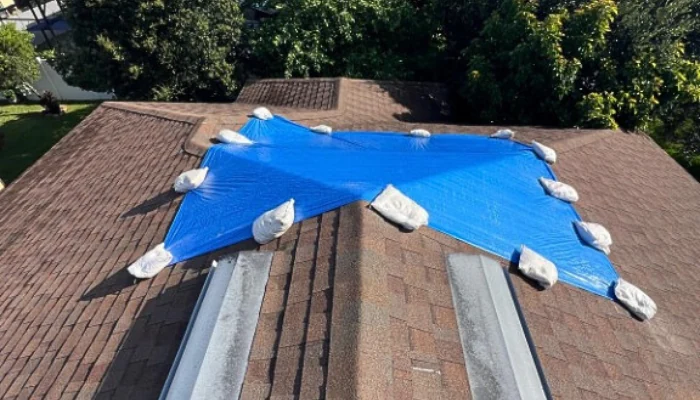
After a major storm, protecting your home from further damage is a race against the clock. If wind or flying debris rips away shingles, water can enter your attic and spread through insulation, ceilings and walls in a matter of hours. This can lead to costly structural repairs and dangerous mold growth.
A blue tarp serves as a temporary shield against rain, wind and debris. It’s not a repair, but it can buy you the time you need to arrange a proper fix without exposing your home to more damage.
However, the way a tarp is installed matters:
- Do not nail or screw the tarp into your roof unless there’s no other option, such as a steep slope where sandbags won’t hold or a roof that’s already beyond repair.
- Improperly installed tarps can void insurance coverage and cause new leaks.
- The safest method is to secure the tarp with weighted edges or temporary fastening systems that avoid puncturing your roof deck.
At Protect Preserve Roofing, our emergency crews:
- Respond quickly, often within the same day of your call.
- Use techniques that meet insurance requirements and protect your home’s structure.
- Schedule follow-up inspections and permanent repairs so you’re not left with a “temporary fix” for months.
A well-installed tarp can mean the difference between a manageable repair and a five-figure restoration bill, especially in Florida’s unpredictable weather.
ROI: Is Replacing Roof Shingles Worth the Investment?
For most Florida homeowners, replacing roof shingles is more than a maintenance task, it’s a financial move that can pay off in multiple ways, such as:
- Increased home value: A new roof can raise your home’s resale value and make it stand out to buyers. Real estate data shows homeowners often recoup 60–70% of the replacement cost when selling, especially if the roof comes with transferable warranties.
- Reduced risk of expensive repairs: Old or damaged shingles can lead to leaks, rot and mold. These problems aren’t cheap to fix, and in Florida’s storm-prone climate, they can escalate fast. Replacing the roof now can prevent repair bills that run into the thousands.
- Lower insurance hassles: Insurers prefer homes with strong, up-to-code roofs. While they rarely cover replacements for normal wear, having a newer roof can make it easier to secure coverage and may qualify you for better rates.
- Energy efficiency gains: Modern shingles can reflect heat and help regulate attic temperatures, reducing the strain on your air conditioner. In Florida’s summer, that can mean noticeable savings on energy bills.
Little reminder from Protect Preserve Roofing: When you factor in the increased property value, fewer emergency repairs, potential insurance advantages and lower energy costs, the ROI on a proper shingle replacement is clear. It’s an investment that protects both your home and your wallet.
Conclusion: Choosing the Right Partner for Your Roof – Why It Matters?
After looking “how much is it to replace shingles on a roof”, what drives the costs, how insurance works and even how to protect your home in an emergency, one thing is clear: replacing roof shingles isn’t a job you gamble on. Every decision you make, from timing to materials to who’s on your roof, affects how well that roof will protect you for years to come.
In Florida, there’s no shortage of roofing companies, but experience and reliability aren’t equal across the board. Protect Preserve Roofing has worked on roofs that have faced years of salt air, hurricane winds and scorching summer heat.
We back every project with:
- Clear explanations so you understand the why behind our recommendations.
- Materials proven in Florida’s toughest weather, not just what’s cheapest this week.
- A team that treats your home like a job site and like someone’s address: with care and respect.
- Emergency readiness, from fast tarp installation to insurance-friendly documentation.
Call us today, we offer more than a service. We’re your safety net. You can also schedule a free visit to your roof or get a quick estimate. Whether you’re staring at missing shingles today or planning ahead for a replacement next year, now is the time to act.
Frequently Asked Questions About Shingle Roof Replacement Costs
In 2025, replacing a small patch of shingles can cost anywhere from $300 to $800, depending on the shingle type, roof accessibility, and labor rates in your area. Quick action helps prevent bigger, more expensive repairs.
For a full asphalt shingle replacement on a typical Florida home, expect $7,000 to $24,500. This range covers differences in roof size, shingle quality, pitch, and code requirements.
Yes, but only under certain conditions — the roof must have a single existing layer, and the structure must be sound. Florida building codes and wind-resistance requirements often make a full tear-off the safer choice.
The cooler, drier months between November and March tend to be ideal. Demand is lower, which can mean better availability and sometimes lower labor costs.


Leave a Reply