



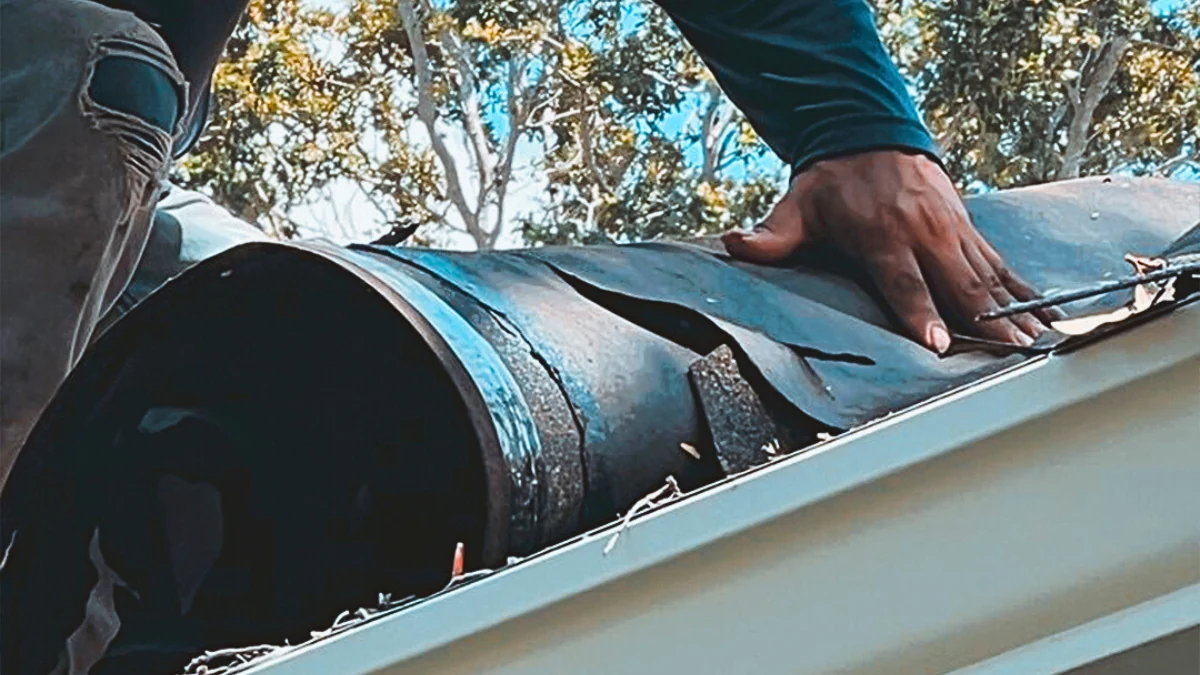


Cost to replace roof is one of the first questions homeowners ask when leaks start showing or shingles begin curling and it’s a fair question. Roof replacement is no small investment. In 2025, U.S. homeowners can expect to spend anywhere from $8,000 to $25,000, depending on materials, labor rates and roof complexity.
However, here’s the thing, knowing the average isn’t enough if you want the best deal and the longest-lasting results. According to industry experts, skipping proper planning or hiring the wrong contractor can add 20% or more to your final bill.
Have you ever wondered why two houses with the same size roof can have completely different replacement costs? Or why some homeowners get insurance coverage while others pay entirely out of pocket? In this guide, we’ll break it all down clearly.
Whether you’re replacing worn-out shingles, upgrading to a metal roof or handling storm damage in Florida, you’ll find practical tips to save money without sacrificing quality and if you want the peace of mind that comes from hiring a trusted, experienced team, like Protect Preserve Roofing.
Cost to Replace Roof in 2025: What Homeowners Really Pay
The cost to replace roof in 2025 typically falls between $8,500 and $17,000. Asphalt shingles (the most common choice in the U.S.) generally cost $4.00 to $7.00 per square foot installed, while premium materials like metal, slate or clay tile can push the total toward the upper end of that range or beyond.
These figures are consistent, but note:
- Costs may trend 5–8% higher in certain regions compared to last year due to increases in material and labor rates.
- Emergency protective measures, like installing a tarp, range from $800 to $1,600, depending on roof height, pitch and damage level.
Pro tip from Protect Preserve Roofing: If your roof damage is linked to a storm, document it thoroughly. While insurance rarely covers issues from wear and tear, proper evidence can make a difference in storm-related claims.
Breaking Down: Roof Costs from Materials to Final Cleanup
When budgeting for a roof replacement, it’s important to understand that the cost to replace roof covers much more than just the shingles or panels on top. Let’s take a closer look:
- Materials:
- Asphalt shingles: $4.00–$7.00 per square foot installed (consistent with earlier content).
- Metal roofing: $8.00–$14.00 per square foot.
- Slate or clay tile: $12.00–$20.00 per square foot or more.
- Labor: Typically accounts for 50–60% of the total cost. Skilled crews handle removal of the old roof, preparation, installation and flashing. Steeper roofs or those with complex features increase labor time and cost.
- Permits and inspections: Local building permits can range from $150 to $500, depending on your municipality. Inspections are sometimes included in the permit fee, but in other cases, they are billed separately.
- Disposal and cleanup: Old roofing material removal and disposal often add $600–$1,200. This includes dumpster rental, landfill fees, and cleanup of nails and debris.
- Emergency protection (if needed): In cases where your roof needs coverage before replacement, a professional tarp installation costs $800–$1,600. Remember: Protect Preserve Roofing never recommends nailing or screwing tarps unless the roof pitch is too steep for sandbags or damage is beyond repair.
Little reminder: The cheapest estimate isn’t always the best. Saving a few hundred dollars now can cost thousands later if the installation isn’t done right.
How Roof Size, Shape and Complexity Impact Your Budget
When it comes to roof replacement, the size, shape and complexity of your roof can make or break your budget. So, here’s what you need to expect:
- Roof size: Roofing costs are typically measured in “squares,” with one square equal to 100 square feet:
- Smaller homes (15–20 squares): Asphalt shingle replacement might run $9,000–$14,000.
- Medium homes (20–30 squares): Expect $12,000–$21,000.
- Large homes (30+ squares): Costs can exceed $25,000, especially with high-end materials.
- Shape and features: A simple gable roof is the most budget-friendly. Add valleys, dormers, skylights or multiple slopes and your labor time (and cost) will climb. Complex shapes require more precision cutting and flashing work.
- Roof pitch: A steep roof looks great and helps with water runoff, but it’s more dangerous and labor-intensive to work on. Steep pitches often increase labor costs by 10–20% compared to low-slope roofs.
- Accessibility: If your roof is difficult to access because of landscaping, fences or property layout, crews may need extra equipment or time. This can add $500–$1,000 to the total.
Quick tip from Protect Preserve Roofing: The more complex your roof, the more important it is to hire a crew that has the skill – and safety procedures – to do it right the first time. That’s where our expertise comes in.
Material Showdown: Asphalt, Metal, Tile, Slate and More
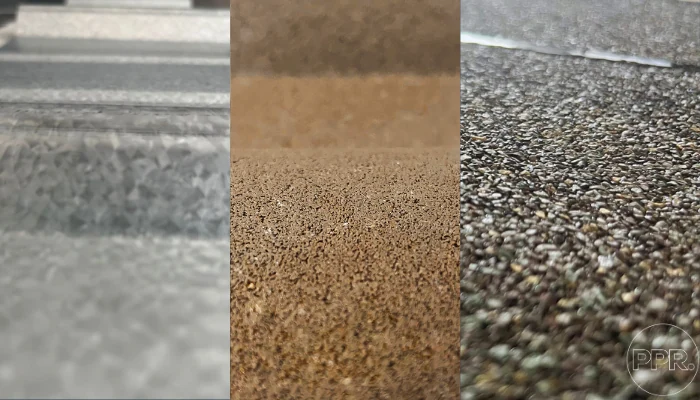
When it comes to the cost to replace roof, the material you choose shapes your budget, your home’s look and even its long-term value. Let’s break it down with a quick comparison table:
| Material | Cost per sq. ft. (Installed) | Lifespan | Best For | Why We Recommend |
| Asphalt Shingles | $4.00 – $7.00 | 15 – 30 years | Budget-conscious homeowners, traditional style | Affordable, easy to repair, and performs well in most climates |
| Metal Roofing | $8.00 – $14.00 | 40 – 70 years | Durability, energy efficiency, extreme weather | Reflects heat, resists wind/hail, and needs minimal upkeep |
| Tile (Clay/Concrete) | $12.00 – $20.00+ | 50 – 100 years | Hot climates, Mediterranean/Spanish-style homes | Exceptional longevity and style; requires strong roof structure |
| Slate | $15.00 – $25.00+ | 75 – 150 years | High-end, timeless architecture | Nearly unmatched durability and elegance; needs skilled installation |
| Synthetic Materials | $6.00 – $12.00 | 30 – 50 years | Slate/wood look without high cost or weight | Lightweight, versatile, and more affordable than natural alternatives |
Pro tip from Protect Preserve Roofing: The lowest upfront cost doesn’t always mean the lowest lifetime cost. A durable material can save you thousands in repairs and energy bills over the decades.
Cost to Replace Roof: The Role of Labor
Labor is often the second-biggest cost factor in a roof replacement, sometimes even rivaling the price of the materials. On average in 2025, homeowners can expect labor to make up 50% to 60% of the total project cost. For most asphalt shingle roofs, that translates to $3,500 to $8,500 of your overall bill, depending on your roof size, slope and complexity.
Why such a range? Skilled roofing crews handle more than just nailing shingles. They remove old materials, prepare the roof deck, install underlayment, flashings and ventilation, and ensure everything meets code. The steeper or more complex your roof, the more labor hours it demands. Here’s a quick breakdown:
| Roof Type / Complexity | Labor Cost Range | Why It Costs More |
| Simple, Low-Slope Roof | $1.50 – $2.50/sq. ft. | Easy access, minimal safety equipment, faster installation |
| Medium-Slope Roof | $2.50 – $4.00/sq. ft. | More safety measures, moderate complexity |
| Steep or Complex Roof | $4.00 – $6.50/sq. ft. | High safety risk, more cutting/fitting, longer setup time |
Pro insight from Protect Preserve Roofing: Our crews work efficiently without cutting corners. We invest in safety gear, precision tools and ongoing training, ensuring your roof is built to last while keeping labor costs fair and transparent.
Regional Prices Variations
While roof replacement costs depend on materials and labor, location can significantly shift the final price tag. Factors like local climate, building codes and labor demand all play a role. Let’s show you the numbers:

| Region | Average Cost Range | Key Cost Drivers | Weather Impact on Roofing |
| Northeast & New England | $8,000 – $14,000 | High labor rates, strict permits | Harsh winters shorten work season, limiting contractor availability |
| Midwest | $6,500 – $12,000 | Competitive labor market | Hail and storm seasons can cause sudden demand spikes |
| South & Southeast | $6,000 – $11,000 | Longer working season keeps labor stable | Hurricanes and heavy rains can lead to emergency replacements |
| Southwest | $7,000 – $13,000 | Preference for tile/metal raises material costs | Extreme heat shortens daily work hours, extending project timelines |
| West Coast | $9,000 – $16,000 | High cost of living, strict building codes | Fire-prone areas require costly fire-resistant materials |
Pro tip from Protect Preserve Roofing: If you live in a high-cost area, consider scheduling work during off-peak months and investing in durable materials to avoid frequent replacements.
When Repairs Are Enough and When Replacement Is Inevitable
Not every roof issue means you need a full replacement. Sometimes, targeted repairs can keep your home protected for years at a fraction of the cost. However, there’s a point where patching becomes throwing money away.
When repairs might be enough:
- Missing or damaged shingles in a small area (labor + materials often $350 to $1,000).
- Minor flashing damage around chimneys, vents or skylights.
- Small leaks caught early, before water has damaged the deck.
- Storm debris damage that hasn’t compromised the overall structure.
When replacement is the smart move:
- Widespread shingle curling, cracking or granule loss.
- Leaks in multiple areas or persistent water stains on ceilings.
- Roof is nearing or past its typical lifespan (15–30 years for asphalt shingles).
- Structural damage to the roof deck or framing.
- Repair estimates approaching 30% or more of the cost of a full replacement (usually $8,500–$17,000 for asphalt shingles in 2025).
Pro tip from Protect Preserve Roofing: We always recommend a thorough inspection before deciding. In many cases, our team finds homeowners can extend their roof’s life with strategic repairs. However, if replacement is the safer bet, we’ll make that call clear – backed by photos, measurements and honest cost breakdowns.
Roof Replacement Timelines: From First Call to Finished Job

When your roof needs attention, timing matters. Waiting too long can mean more damage, higher costs and bigger headaches. Here’s what homeowners should know about repair and replacement timelines.
- How long to wait before taking action:
- Repairs: If you notice missing shingles, small leaks, or storm damage, act within 48–72 hours. The longer you wait, the more likely water will seep in and cause structural or interior damage.
- Full replacement: If your roof is at the end of its lifespan or has major leaks, schedule as soon as possible. Even a few weeks of delay during rainy seasons can escalate repair costs by 20% or more.
- How long a replacement job takes: For a standard asphalt shingle roof on an average-sized home (1,500–2,000 sq. ft.), the replacement itself typically takes 1–3 days. Factors that can extend this include:
- Steep or complex roof designs.
- Extensive old material removal.
- Unexpected deck repairs.
- Weather delays.
- How long to get on the schedule: Scheduling depends on season and demand:
- Off-peak months (late fall, early winter): 1–2 weeks wait time.
- Peak season (spring and summer): 3–6 weeks wait time.
- Storm aftermath: Emergency services may be same-day, but full replacements can be delayed up to 8 weeks in high-demand situations.
Pro tip from Protect Preserve Roofing: We keep multiple crews ready to do roof replacement and maintain strong supplier relationships, so even during busy seasons, we complete most projects faster than the regional average, without sacrificing quality.
Preventive Strategies That Can Delay a Costly Roof Replacement
A roof replacement is a big investment. However, the good news is, with the right care, you can often push that expense years into the future. Regular maintenance not only saves money but also protects your home’s value.
- Schedule regular roof inspections: Have a professional inspection at least once a year and after major storms because early detection of small issues, like loose shingles or minor flashing damage, prevents them from becoming big repairs.
- Keep gutters clean and clear: Clogged gutters allow water to back up under shingles, leading to rot and leaks. Clean them at least twice a year or more often if your home is near trees.
- Trim overhanging branches: Tree limbs can scrape shingles and deposit debris that holds moisture. Trimming keeps both your roof and your home’s structure safer.
- Address small leaks immediately: Even a slow drip can damage insulation, drywall and structural wood. Temporary fixes, like a professionally installed tarp, can protect your roof until permanent repairs are made without risking further insurance issues.
- Maintain proper ventilation and insulation: Poor attic ventilation can trap heat and moisture, shortening shingle lifespan. Proper insulation helps maintain a consistent temperature, reducing thermal stress on your roof materials.
Little reminder from Protect Preserve Roofing: Preventive maintenance isn’t an expense, it’s an investment. Our maintenance plans are tailored to your roof type, climate and usage, so you maximize the years before replacement becomes necessary.
Smart Ways to Cut Costs Without Cutting Corners
Saving money on a roof replacement doesn’t mean settling for poor workmanship or low-quality materials. With the right approach, the cost to replace roof can be manageable while still ensuring your roof protection for decades.
- Get multiple, detailed quotes: Request written estimates from reputable contractors in your area and look beyond the final number; compare the scope of work, materials included and cleanup details.
- Time your replacement wisely: Scheduling work during the contractor’s off-season can sometimes lead to better pricing. Avoid peak demand periods right after severe storms when prices and wait times are higher.
- Consider long-term value, not just upfront price: Cheaper materials can lead to more repairs and shorter lifespan. Investing in higher-quality shingles or metal roofing may cost more initially but can save thousands over the roof’s lifetime.
- Use insurance when applicable: While most policies won’t cover general wear and tear, storm damage or other covered events may qualify.
- Plan for preventive maintenance: Maintaining your roof extends its lifespan, meaning fewer replacements over the years. Simple steps like gutter cleaning, annual inspections and quick leak repairs help you avoid big bills later.
Little reminder from Protect Preserve Roofing: Cutting corners might save you today, but it will cost you tomorrow. The smartest investment is in quality materials, expert installation and a maintenance plan that protects both.
Conclusion: Why Choosing Protect Preserve Roofing Makes All the Difference?
Replacing a roof is more than a construction project, it’s a decision that affects your home’s safety, comfort and long-term value. With so many variables in price, materials and timing, you need a contractor who treats your home like their own.
At Protect Preserve Roofing, we combine transparent pricing, skilled craftsmanship and a commitment to protecting your investment. Our team doesn’t just show up to work, we show up to solve problems, prevent future damage and leave you with peace of mind.
From accurate estimates that reflect real-world pricing to installations done right the first time, we make sure every step of the process meets the highest standards. And when emergencies strike, we’re ready with solutions like professional tarp installation – always following best practices to protect your roof without risking further harm.
Call us today and see why more homeowners trust us to keep their roofs and homes. You can also schedule a free visit to your roof or get a quick estimate for a project. If you want a roof that stands strong for years and a contractor who’s there before, during and after the job, we’re your best call.
Frequently Asked Questions About Roof Replacement
Most homeowners spend between $9,000 and $17,000, depending on material, size, and labor rates in their region. For premium materials like slate, costs can exceed $30,000.
Insurance usually covers roof replacement if damage is caused by a covered peril like wind or hail. Wear and tear or lack of maintenance are generally not covered.
If damage is localized and the rest of the roof is in good condition, repairs may be enough. Widespread shingle loss, sagging, or repeated leaks are signs it’s time for a replacement.
Compare quotes, choose cost-effective materials like architectural shingles, and work with a reputable contractor who won’t cut corners.


Leave a Reply