



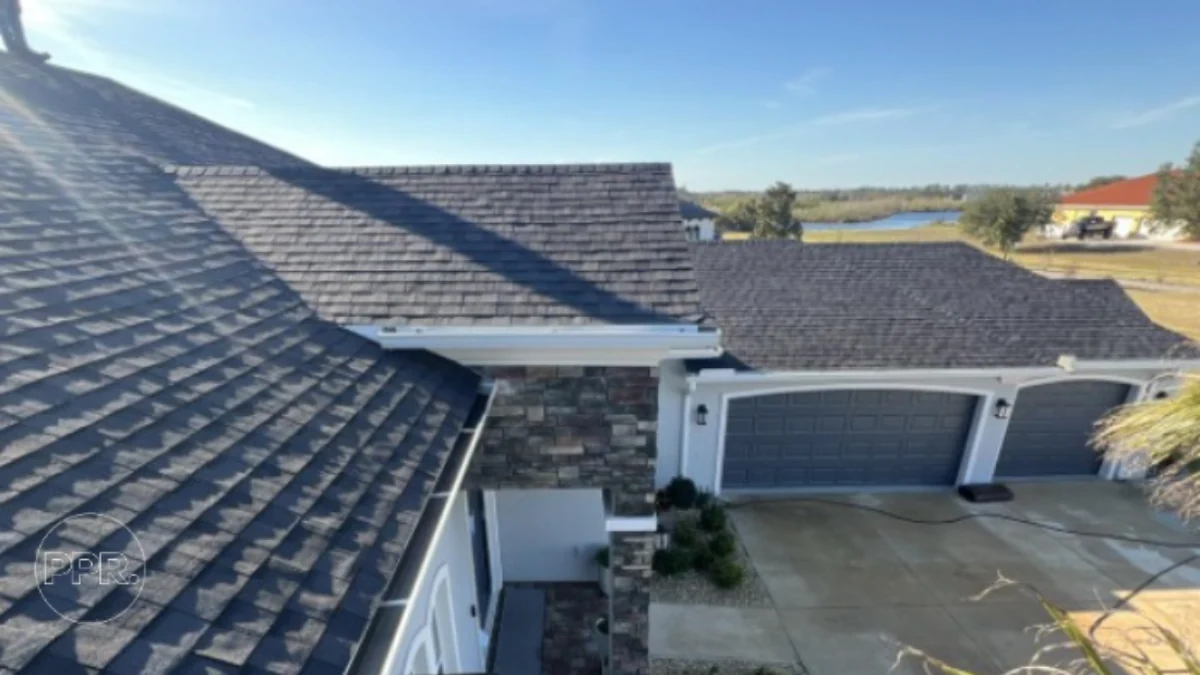


How to asphalt shingles installation may sound straightforward, but even a minor misstep can lead to costly damage, leaks, or structural issues. Did you know that improper roof installation is responsible for over 80% of all roofing system failures, according to the National Roofing Contractors Association?
Whether you’re a DIY enthusiast tackling your first roofing job or a homeowner simply trying to understand the process before hiring a contractor, this guide is for you.
In our previous article, we covered small-scale repairs. Today, we’re going a step further. We will walk you through the full asphalt shingle installation process – from preparation and material selection to finishing touches – so that you can avoid the most common (and expensive) mistakes.
Let’s dive in and uncover how a well-installed asphalt shingle roof can protect your home, boost curb appeal and potentially save you thousands of dollars in future repairs.
Table of contents
How to Asphalt Shingles Installation: Tools and Materials
If you’re thinking about “how to asphalt shingles installation”, stop right there and take a breath. This isn’t something you want to start without the right gear. One wrong move on a roof and you’re not just fixing shingles, you’re fixing your back too. Let’s avoid that.
Basic tools you shouldn’t start without
You don’t need a truck full of fancy gear, but these are non-negotiables:
- Hammer or roofing nail gun – You’re either going old-school or speeding things up with a nailer. Just don’t use screws. Ever.
- Roofing blade or utility knife – You’ll be trimming shingles. A dull blade will make you hate your life.
- Tape measure – Precision matters.
- Chalk line – Keeps your rows straight. Crooked shingles are noticeable from the street.
- Roofing shovel or pry bar – Useful if you’re removing old shingles.
- Caulk gun – For flashing sealant or minor touch-ups.
- Tin snips – To cut flashing or trim metal edges.
Must-have materials for a durable roof
This isn’t the time to go cheap. A good install starts with the right stuff:
- Asphalt shingles – Obviously. Go for architectural if you want more durability and curb appeal.
- Roofing underlayment – Synthetic is more resistant to tearing and water. Felt is okay, but outdated.
- Ice and water shield – Especially important if you live in a place with freezing temps. It’s your backup when water tries to sneak in.
- Drip edge – A metal strip that guides water away from the roof edge and fascia. Without it, you’re asking for rot.
- Starter strip shingles – These go along the eaves and give the first row something to grip.
- Ridge cap shingles – These top things off and protect the peak of your roof.
Safety gear that keeps you on the roof
Roofing isn’t a joke. Falls are no joke either. Always wear:
- Roof harness and rope – Especially if the pitch is steep.
- Roofing shoes or boots with grip – You don’t want to skate down your shingles.
- Work gloves – Saves your fingers from cuts, blisters and shingles that fight back.
- Safety glasses – Nails fly. Blades slip. Your eyes aren’t replaceable.
Optional, but helpful additions
These aren’t required, but they’ll make your day easier:
- Compressor and air hose – If using a nail gun.
- Roof brackets and planks – For footing and stability while working on the slope.
- Ladder stabilizer – Keeps your ladder from scratching the gutter or tipping over.
Pro tip from Protect Preserve Roofing: Don’t store shingles directly on the roof overnight. It might look convenient, but the weight can stress weak decking. Plus, it screams “amateur hour” if a gust of wind sends them flying.
Roof Inspection and Preparation Before Installation
Before you even touch a bundle of shingles, you need to check what’s underneath. Skipping this step is like putting new tires on a car with a bent frame. Let’s break it down.
Step 1: Inspect the decking
The decking is the wood base your shingles sit on. If it’s weak, rotted or warped, your whole install is toast. Look for:
- Soft spots under your feet — If it feels spongy, it’s probably rotted.
- Dark stains or water marks — Signs of old leaks or moisture damage.
- Mold or mildew — Usually shows up if a leak’s been ignored for too long.
- Loose or damaged nails sticking up — You’ll need to hammer those flat or replace them.
Step 2: Remove old shingles the right way
If there are shingles already up there, they need to go. No shortcuts here. Layering new shingles over old ones isn’t just lazy, it’s a risk for leaks, insurance issues, and reduced lifespan. Use:
- A roofing shovel or shingle scraper to lift them up.
- A magnet roller to collect stray nails (because nobody likes stepping on one barefoot later).
Step 3: Clean and prep the surface
Once it’s bare wood, make sure the deck is:
- Dry – Never install over damp wood.
- Flat – Sand down raised sections or replace warped panels.
- Clean – Sweep off dust, dirt and leftover bits.
Step 4: Measure and plan your layout
This is the “measure twice, cut once” moment.
- Use a chalk line to mark where the starter row will go.
- Make sure rows are aligned. Crooked shingles = crooked roof = angry homeowner.
- Plan around obstacles like chimneys, vents, and skylights. These need flashing later.
Pro tip from Protect Preserve Roofing: If your roof has a high pitch, don’t just climb up. Set anchors, use a harness and get roof jacks in place. It’s better to take five minutes setting up than to take a ride in an ambulance.
Also read:

How to Asphalt Shingles Installation: Measuring and Planning
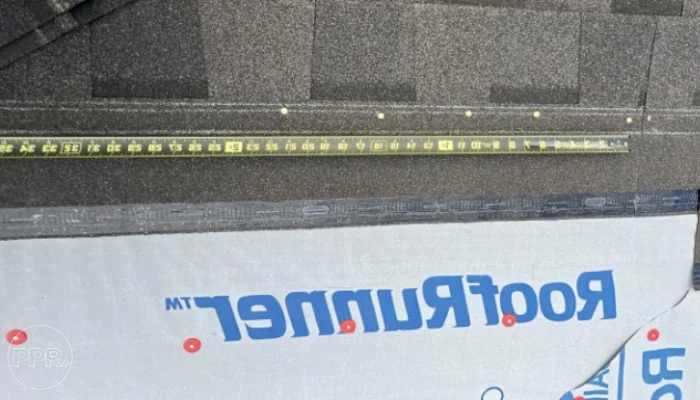
Before nailing a single tab, you’ve got to measure, mark and plan. It’s not rocket science, but it does separate a pro job from a patchy mess.
Step 1: Measure your roof surface area
Let’s keep this simple: You’re going to multiply the length x width of each roof plane to get square footage. Then you add 10–15% extra for waste, cutting and mess-ups. Example:
- One plane: 30 ft (length) x 12 ft (width) = 360 sq ft
- Add 10% waste = 396 sq ft
- Divide by 100 to get “roofing squares” = ~4 squares
- One square = 100 square feet of roofing material.
- Don’t forget to measure valleys, ridges and overhangs if they’re part of the layout. Those areas add up fast.
Step 2: Snap your chalk lines
If your lines are off, every row that follows will look like it had a few beers. Here’s what to do:
- Start with a horizontal chalk line for the starter strip. It should run perfectly straight along the eaves.
- Then snap lines every 5 inches vertically, which is the typical shingle exposure.
- Make reference lines vertically to keep tabs lined up across the roof.
Step 3: Plan around roof features
Your roof might have obstacles like:
- Chimneys.
- Vents.
- Skylights.
- Valleys and dormers.
These spots need extra flashing, cuts and planning. Don’t wait until you’re up there with a bundle in one hand and nothing but vibes in the other.
Quick tip: Try to avoid ending a row with a tiny piece of shingle. It looks bad and doesn’t seal well. Adjust layout so cuts land clean.
Step 4: Stage your materials smartly
Distribute your shingle bundles evenly across the roof, close to where you’ll install them. Keep:
- Underlayment close to the starting edge.
- Starter strips and nails pre-positioned.
- Ridge caps and vents off to the side for the final steps.
- Don’t overload weak decking with too many bundles. Spread the weight. Your roof isn’t a storage unit.
How to Asphalt Shingles Installation: Step-by-Step Process
If you’ve followed the prep steps, congratulations. You’re already ahead of the guy who skipped everything and is now struggling with leaks and twisted tiles. Now it’s time to place the tiles in the right place, safely and strategically.
Step 1: Install the drip edge
The drip edge goes right along the edges of your roof. Push water away from the fascia and into the gutter, instead of letting it seep back and rot the wood.
- Start at the eaves (bottom edge).
- Nail it every 12 inches with roofing nails.
- Then apply it on the rake edges (sides), overlapping the eave edge.
Step 2: Apply ice and water shield (if required)
If your area gets cold weather, you want a waterproof layer to protect the bottom 3 feet of your roof, especially along the eaves and valleys.
- Peel-and-stick membrane — super sticky.
- Press it down with a roller or by walking on it.
- Overlap by at least 6 inches when adding a second strip.
Step 3: Lay down the underlayment
This is your roof’s second line of defense after the shingles. You’ve got two main types:
- Felt paper (15 or 30 lb) – cheaper, common, but less durable.
- Synthetic underlayment – more resistant to tearing and water.
Start from the bottom edge and roll upward, overlapping each row by 4 inches. Nail it with cap nails, not regular roofing nails and keep things tight and wrinkle-free. No one likes lumpy layers.
Step 4: Install starter strip shingles
This row goes along the eaves and gives your first full row a clean line and proper adhesive backing.
- You can use pre-cut starter strips or cut off tabs from 3-tab shingles.
- Align flush with the drip edge.
- Make sure adhesive strip is at the bottom and facing up.
Don’t skip this. It’s what seals the first row against wind uplift.
Step 5: Begin laying full shingles
Now we’re talking.
- Start at the bottom corner, preferably away from the direction of prevailing wind.
- Line up the first full shingle directly above the starter strip.
- Nail 4–6 nails per shingle, depending on wind zone and manufacturer guidance.
- Use the built-in tar line as a guide for overlap.
Drive nails just above the cutout line, never through the sealant strip and don’t overdrive. Each row should overlap the one below by 5 to 6 inches, depending on your shingle type. Keep checking alignment every few rows.
Step 6: Shingle the valleys
Valleys are tricky. Water flows hard here, so you want it watertight. You can choose:
- Woven valley – for 3-tab shingles; weave both sides together.
- Open metal valley – install metal flashing first, then trim shingles along the edge.
- Closed-cut valley – most common for architectural shingles; one side runs through; other side is trimmed clean.
Step 7: Install ridge cap shingles
This is the final touch, think of it as the bow on top.
- Use ridge cap shingles or cut your own from 3-tab shingles.
- Start from the end opposite the prevailing wind.
- Overlap each piece by about 5–6 inches.
- Nail 1 inch above the tab and seal the last one with roofing cement.
Pro tip from Protect Preserve Roofing: Use a magnetic roller to collect stray nails around the house. One stray nail in the driveway can lead to one very expensive flat tire and one very angry neighbor or spouse.
Also read:
Installing Asphalt Roof Shingles Like a Pro

This is where small details make a big difference. These tips come from years of hard lessons, busted knuckles and more than one “oops” moment on the roof:
- Nail placement matters more than you think: Place nails just above the shingle cutout, not through the sealant line, use galvanized roofing nails to prevent rust and don’t overdrive the nail.
- Work against the wind: Always install shingles away from the prevailing wind direction. It stops the wind from lifting the loose tabs while you work and helps each row seal better as you go.
- Don’t skip starter strips on rake edges: It gives better wind protection on the sides, and it makes the roof edges look sharper and cleaner.
- Avoid installing in high heat: If it’s boiling outside, take a break. Hot shingles get soft and hard to work with. Also: They stick too soon, making them tough to adjust and tear more easily during placement.
- Mix shingles from multiple bundles: Shingle colors can vary slightly between bundles. If you install one pack at a time, the roof might look patchy. Always pull shingles from 3–4 bundles at once and rotate as you go to even out color tones.
- Take flashing seriously: Don’t cut corners here. Use new flashing, not leftovers, install flashing around chimneys, pipes, valleys and walls and use a roof-grade sealant to reinforce edges.
- Check alignment every 3 rows: Use your chalk lines as guides and step back every few rows and adjust if needed.
- Always use a harness on steep roofs: Use an anchored safety harness every time. Don’t skip it just because the job “won’t take long.”
Maintenance Tips After Asphalt Shingles Installation
If you want that good-looking roof to actually stay good-looking (and watertight), it needs a bit of maintenance. Not much. However, skipping these simple tasks is like skipping oil changes and wondering why your engine died. Let’s break it down:
- Inspect the roof twice a year: Once in spring, after winter storms and once in fall, before the weather turns again. What to look for:
- Missing or cracked shingles.
- Lifting edges or curling tabs.
- Nail pops or exposed fasteners.
- Damaged flashing around vents and chimneys.
- Moss, algae, or dark streaks.
- Keep the roof and gutters clean: Clean out gutters and downspouts every few months. Blow off leaves or use a roof broom (never a pressure washer!) and trim overhanging branches.
- Repair minor issues fast: Minor repairs take minutes. Ignoring them takes months off your roof’s life. So, use roof sealant for small cracks or exposed nail heads and replace damaged shingles before a small patch becomes a full section.
- Check after heavy weather: After a bad storm, give your roof a once-over. What to check:
- Loose or missing shingles.
- Dented metal flashing.
- Signs of granule loss (check gutters or base of downspouts).
- Keep ventilation and insulation in check: Make sure ridge vents and soffits are clear, replace insulation if it’s soggy or compressed and use a moisture meter if you’re unsure.
- Schedule a professional roof inspection: Even if everything looks fine, a pro can spot things you might miss. This helps with:
- Preventive maintenance.
- Insurance claims (if needed).
- Documenting wear for future resale value.
Quick reminder from Protect Preserve Roofing: Your roof isn’t just a pile of shingles; it’s your home’s first defense. A little attention goes a long way, with a long lifespan and durability. Keep it clean, keep it sealed and keep an eye on it.
Conclusion: Ready for a Roof That Actually Protects Your Home?
We’ve given you the tools, the steps and the pro tips to get the job done on “how to asphalt shingles installation”. Therefore, let’s be honest: roof work isn’t for everyone.
Between the heights, the heat, the precision and the risk, installing asphalt shingles can go from a weekend project to a total headache real fast. And if something goes wrong, you’re not just redoing shingles, you’re dealing with leaks, insurance issues and expensive repairs.
That’s where we come in. Protect Preserve Roofing handles asphalt shingle installations the right way, the first time. Our team knows how to:
- Install every layer correctly, from underlayment to ridge cap.
- Follow all codes and manufacturer guidelines to protect your warranty.
- Handle steep pitches, tall structures, and complex roof designs with safety and skill.
- Spot potential damage and deal with it before it becomes a real problem.
Need a new roof or just want it done right? We’re ready to help. Just give us a call to talk about replacing an old roof, upgrading to architectural shingles or just tired of patching the same leak every season. You can also schedule a free visit or get a quick estimate for a job.
We have your back. No upselling or guesswork. Just honest work by people who know roofing.
Frequently Asked Questions About Asphalt Shingles Installation
Technically, yes. But we don’t recommend it. Layering shingles adds weight and hides damage underneath, which can shorten the new roof’s lifespan. It also may void your warranty and raise red flags with insurers.
If your roof is leaking, it’s critical to cover it with a tarp right away — but don’t nail or screw it down, unless the pitch is too steep for sandbags or the damage is extreme.
Insurance may not cover the damage if the roof gets soaked before repair.
We offer fast tarp installations that protect your home without causing extra damage or claim problems.
If your roof is over 15 years old, has missing or curling shingles, or you’ve had recurring leaks, a full replacement may be the smarter call.
Still unsure? Book a free roof inspection with Protect Preserve Roofing — no pressure, just honest advice.
Sure — if you’ve got the gear, time, and comfort working on steep roofs.
But roofing mistakes are expensive. Poor sealing, bad nailing, or misalignment can lead to leaks and structural damage. That’s why many homeowners trust our crew to do it right the first time.
Can I install asphalt shingles over existing shingles?
Technically, yes. But we don’t recommend it. Layering shingles adds weight and hides damage underneath, which can shorten the new roof’s lifespan. It also may void your warranty and raise red flags with insurers.
What happens if my roof leaks before I can replace it?
If your roof is leaking, it’s critical to cover it with a tarp right away — but don’t nail or screw it down, unless the pitch is too steep for sandbags or the damage is extreme.
Insurance may not cover the damage if the roof gets soaked before repair.
We offer fast tarp installations that protect your home without causing extra damage or claim problems.
How do I know if I need a full replacement or just repairs?
If your roof is over 15 years old, has missing or curling shingles, or you’ve had recurring leaks, a full replacement may be the smarter call.
Still unsure? Book a free roof inspection with Protect Preserve Roofing — no pressure, just honest advice.
Can I install asphalt shingles myself?
Sure — if you’ve got the gear, time, and comfort working on steep roofs.
But roofing mistakes are expensive. Poor sealing, bad nailing, or misalignment can lead to leaks and structural damage. That’s why many homeowners trust our crew to do it right the first time.



Leave a Reply