



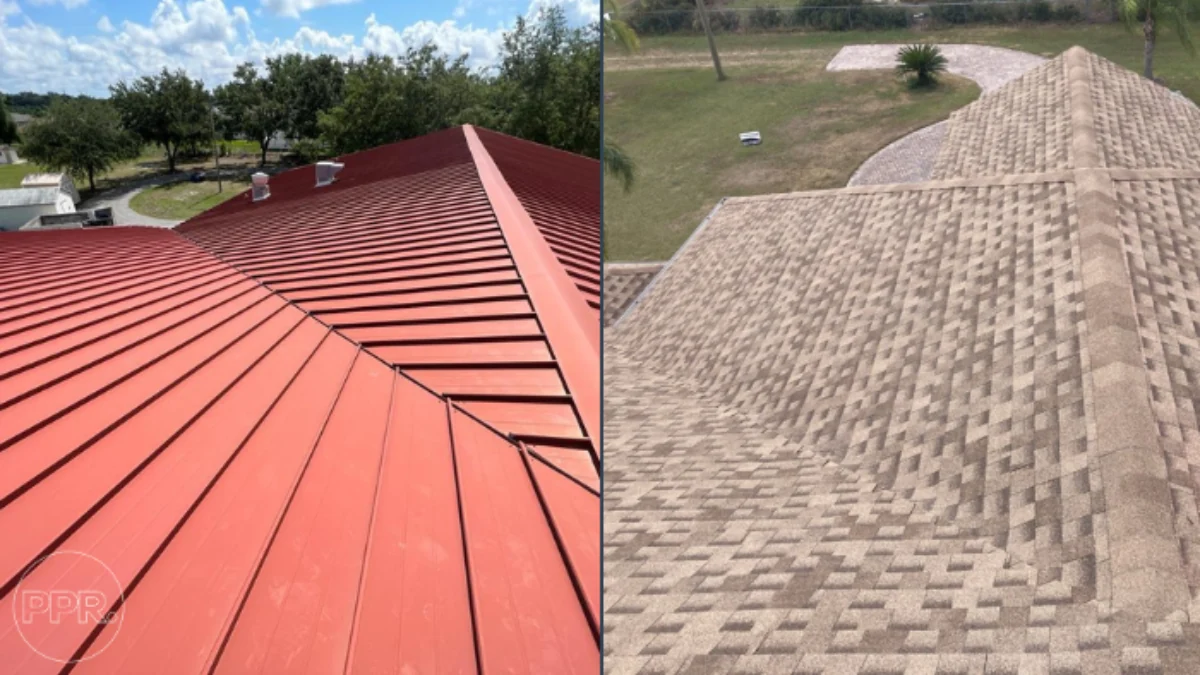


Metal roof or asphalt shingles? If you’re facing that decision, you’re not alone. Your roof protects your home, your family and, let’s be honest, your wallet. So, which one actually pays off in the long run?
According to industry reports, asphalt shingles still cover over 70% of American homes, but metal roofing has grown steadily in popularity thanks to its lifespan and energy efficiency. While asphalt shingles are more affordable upfront, metal roofs often outlast them by twice as long and that can make a big difference in cost over time.
However, here’s the thing: the right answer isn’t the same for everyone. Your budget, climate and long-term plans for the home… they all play a role.
So, in this guide, you’ll get a side-by-side comparison of metal roofs and asphalt shingles, including: lifespan and durability, cost breakdowns, maintenance requirements, energy efficiency, aesthetic value, insurance considerations and no fluff, just what actually matters to homeowners like you.
Still unsure which way to go? Keep reading. By the end of this article, you’ll know exactly which roof is right for your home and why.
Table of contents
What’s the Difference Between a Metal Roof and Asphalt Shingles?
The material you choose under that first layer of protection says a lot about your budget, your climate and how long you want to go without calling a roofer again. So, let’s clear this up.
Metal roof
A metal roof is made from steel, aluminum, zinc or copper. It comes in large panels or smaller tiles and it’s designed to lock tight, shed water fast, and take a beating from the elements. Here’s the bottom line:
- Lifespan: Up to 50 years or more (some exceed 70 years ).
- Durability: High resistance to wind, hail, and fire.
- Weight: Lightweight — good for older structures.
- Energy use: Reflects heat, reduces cooling costs.
- Noise: Can be loud in heavy rain — but insulation helps.
- Cost: Higher upfront, lower long-term maintenance.
This is the type of roof that laughs at Florida sun, Texas heat or Midwest hailstorms. However, it needs to be installed by a real pro. A sloppy install on a metal roof will haunt your attic forever.
Asphalt shingles
Asphalt shingles are the classic American choice. You’ll see them in most neighborhoods because they’re affordable, quick to install and pretty good at doing their job – at least for a while. What they offer:
- Lifespan: 15–30 years, depending on type and maintenance.
- Durability: Decent, but not invincible. Hail and strong wind can tear them up.
- Weight: Heavier than metal, but fine for most homes.
- Energy use: Absorbs heat unless you go with reflective versions.
- Noise: Quiet. No pinging during storms.
- Cost: Lower upfront but can require more repairs down the line.
Asphalt shingles are great for homeowners who want a straightforward roof without a big initial bill. That’s why it’s important to factor in how long you’ll stay in the house and how often you’re okay calling someone to fix loose shingles.
Quick comparison
| Feature | Metal Roof | Asphalt Shingles |
| Lifespan | 40–70 years | 15–30 years |
| Upfront Cost | Higher | Lower |
| Maintenance | Minimal | Moderate to frequent |
| Fire Resistance | Excellent | Good |
| Wind Resistance | High (120–160+ mph) | Moderate (60–100 mph) |
| Energy Efficiency | High (reflective) | Low–Medium |
| Visual Styles | Sleek, modern or rustic | Traditional, versatile |
Pro tip from Protect Preserve Roofing: If you’re building your forever home, metal could be worth the investment. If you’re staying short term, asphalt might make more sense financially.
Which Roof Lasts Longer: Metal Roof or Asphalt Shingles?
Let’s get straight to it because nobody wants to replace a roof twice if they don’t have to. Metal roofs aren’t playing around. Depending on the type – steel, aluminum or copper – a well-installed metal roof can last 40 to 70 years. Some copper roofs on historic homes are still solid after a century.
It’s not just about age. Metal handles:
- Heavy rain and snow: without sagging or soaking.
- High winds: up to 140–160 mph (hello, hurricane zones).
- Fire: it won’t catch if embers land on it.
- Mold, mildew, and pests? Not an issue.
And unlike shingles, it won’t crack, curl or lose granules with sun exposure.
However, here’s the deal: if it’s installed wrong? You could end up with leaks from fasteners, panel lift from poor flashing, or noise from expanding metal. That’s why experience matters, especially on steeper roofs or complex layouts.
On the other hand, asphalt shingles do their job quite nicely. Most come with warranties between 15 and 30 years, depending on quality. Architectural (or laminated) shingles can stretch that to 35 years with proper ventilation and upkeep.
Furthermore, here’s what affects their durability:

- Heat makes them age faster, especially in the South.
- Storms can pull them off or break the seal.
- Algae and moss eat away at the surface in humid areas.
- Granule loss over time means less protection.
They’re easier and cheaper to patch, but you might be doing that more often.
Little reminder from Protect Preserve Roofing: No doubt that metal roofs outlast shingles by decades, but your choice still depends on what you’re planning, with an installation and maintenance that works, like ours.
Metal Roof or Asphalt Shingles: Cost Breakdown
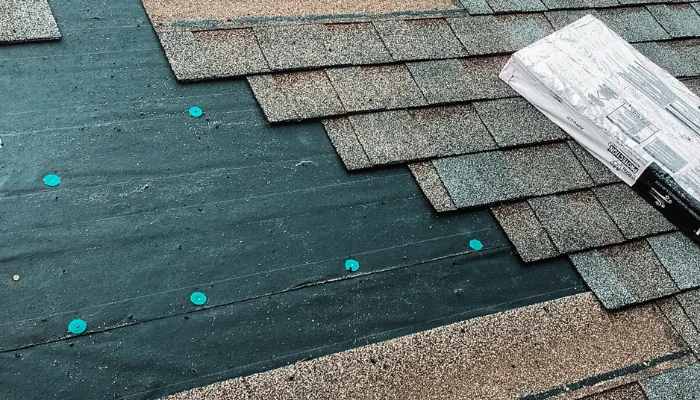
Roofing isn’t cheap, but there’s a difference between expensive and cost-effective. Let’s break it down.
Asphalt shingles
Asphalt shingles are popular for one reason: they’re affordable.
- Material cost: $1.00 – $1.50 per square foot.
- Installed cost: Around $5,500 – $12,000 for a 2,000 sq. ft. home (based on pitch, tear-off, ventilation, and location).
They’re quicker to install and require less specialty labor. However, here’s where it gets tricky. They:
- Don’t last as long.
- Are more likely to need repairs.
- May not hold up to storms or heat over time.
Metal roof
Metal roofs cost more up front, no doubt.
- Material cost: $3.00 – $6.00 per square foot (varies by type: steel, aluminum, copper).
- Installed cost: Roughly $10,000 – $24,000 for a 2,000 sq. ft. home (again, pitch and complexity matter).
But you’re buying more than just material. You’re getting:
- A lifespan of 40–70 years.
- Less maintenance.
- Better energy savings.
- Possible insurance discounts.
- Higher resale value (buyers love low-maintenance homes).
Real-world cost scenarios
| House Size | Asphalt Roof Cost | Metal Roof Cost | Lifespan (Years) | Total Ownership Cost Over 50 Years |
| 1,500 sq ft | $8,500 – $9,500 | $12,000 – $17,000 | 15–30 | Asphalt: ~$22K (with replacement) / Metal: ~$17K |
| 2,000 sq ft | $9,500 – $12,000 | $16,000 – $24,000 | 40–70 | Asphalt: ~$28K / Metal: ~$21K |
Note: These are average estimates for 2025. Labor, pitch, roof tear-off, and region affect pricing.
Quick reminder from Protect Preserve Roofing: If your focus is lowest upfront cost, asphalt wins. But if you’re thinking about long-term value, insurance peace of mind or simply not climbing up a ladder again in 15 years, metal starts to look pretty smart.
Which Roof Saves More on Cooling and Heating: Metal Roof or Asphalt Shingles?
Metal roofs are like sunglasses for your house. They reflect solar heat instead of absorbing it, which helps keep your attic (and everything below it) cooler. Here’s how that plays out:
- Reflects up to 70% of solar radiation.
- Can lower cooling costs by 10% to 25%, depending on color and coating.
- Great for hot climates or homes with poor attic ventilation.
Want to boost this even more? Choose a light color with a cool roof coating, that’s like putting your roof on ice without needing an A/C unit.
Asphalt shingles, on the other hand, are like a black T-shirt in the sun. They absorb more heat, especially if they’re dark-colored. That heat builds up in the attic, forcing your HVAC system to work overtime.
Some brands offer “cool roof” shingles, which are more reflective, but they still don’t come close to the natural reflectivity of metal. Also worth noting:
- In cold climates, that heat absorption isn’t always bad. It can help melt snow and ice faster.
- In warm climates? It’s working against you.
Important: Neither roof type generates warmth, that’s your insulation’s job. However, metal roofing systems often allow better airflow and can work well with vented ridge systems, which reduce condensation and ice damming. That’s an edge in cold or mixed climates.
Metal Roof or Asphalt Shingle: Installation Time and Complexity
Whether you’re working from home, corralling kids or just hoping not to lose your sanity, you want the job done fast and clean. Here’s how the two options compare.
Asphalt shingles
Asphalt shingles installation are the go-to for speed:
- Average time to install: 1–3 days (weather permitting).
- Crew size: Smaller teams can handle it.
- Noise level: Moderate (but manageable).
- Disruption to daily life: Low, unless there’s major decking damage.
Why so fast? Most roofing contractors have more experience with shingles. Plus, shingles come in bundles that are easy to carry, cut and lay down quickly.
If your roof has valleys, skylights or a chimney, shingles usually make detailing easier. But if the roof is old or uneven, the crew may need to strip down layers, rework flashing or repair decking. That adds time (and money).
Metal roof
Metal roof installation is a different game:
- Average time to install: 2–5 days (more if panels are custom-cut).
- Crew size: Often larger, and more specialized.
- Noise level: Higher, especially during panel adjustment and fastening.
- Disruption to daily life: Moderate, slightly higher than shingles.
So, metal roofs are installed in panels or tiles that require exact alignment and fastening. If you hear the phrase “standing seam,” that means the metal interlocks and that takes extra time and skill.
Also, some metal roofs require underlayment, vapor barriers and precise ridge venting to avoid issues later. That adds a layer of complexity most people don’t see.
What delays the process (for either roof)
- Rain: Wet roofs are dangerous and unworkable.
- Steep pitch takes longer and requires more safety gear.
- Old layers, especially if there are two or more to tear off.
- Material delivery issues, especially with custom colors or styles.
- Rotten decking: If found under shingles, it must be replaced before anything else goes on.
What should you expect?
| Factor | Asphalt Shingles | Metal Roof |
| Average Install Time | 1–3 days | 2–5 days |
| Labor Skill Required | Moderate | High (specialized crews) |
| Complexity | Low–Moderate | High |
| Risk of Delays | Medium (weather/deck) | High (custom cutting, prep) |
Maintenance and Repairs
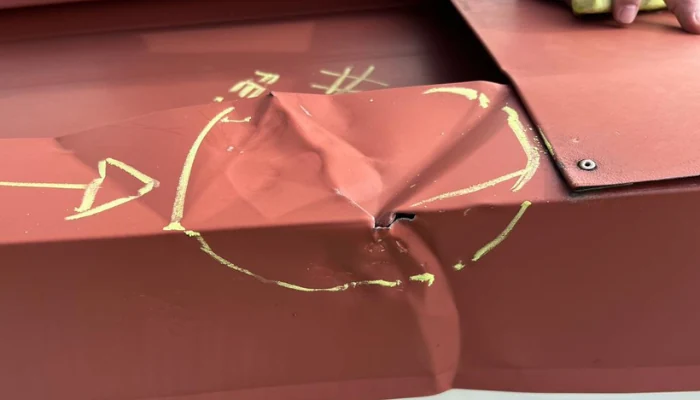
Let’s break down how much care metal roofs and asphalt shingles actually need and what happens when they don’t get it.
Metal roof
Metal roofs are close to “maintenance-free,” but not bulletproof. Here’s what you should expect to check once or twice a year:
- Loose fasteners or flashing.
- Leaves or debris in valleys and gutters.
- Paint wear or coating fade (on some styles).
- Occasional caulking touch-ups around vents or chimneys.
If properly installed, these roofs can go 20+ years with almost no repairs. When repairs do happen:
- They’re usually caused by poor installation, not weather.
- Replacement of a panel can be tricky and may involve lifting adjacent panels.
- If you went with exposed fasteners, they could back out over time and need resealing.
Asphalt shingle
Shingles require more attention. Why? They break down faster and are more vulnerable to wind, heat, water and time. What you’ll need to look for:
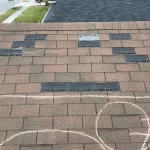
- Missing or curled shingles.
- Granule loss (check your gutters).
- Moss, algae, or dark streaks.
- Nail pops or lifted tabs.
- Sealing failures around vents and edges.
Expect to inspect your roof at least once a year and after any major storm. Common repairs include:
- Spot replacements (single or group of shingles).
- Resealing around flashings.
- Replacing underlayment if water intrusion is caught late.
A poorly ventilated or installed asphalt roof might only make it 12–15 years before needing full replacement.
What if you need a tarp?
If your metal roof or asphalt shingles gets damaged and you need a temporary cover, never nail or screw a tarp down unless absolutely necessary. That move can:
- Void your insurance claim.
- Cause more damage.
- Make a temporary fix into a permanent headache.
Quick reminder from Protect Preserve Roofing: Shingles are like a classic car; they look good and run fine if you stay on top of the upkeep. Metal? That’s more like a reliable truck. Less maintenance, but you better install it right. Not sure your current roof is still doing its job? Get a free maintenance check from us and avoid learning the hard way.
Appearance and Home Value: Metal Roof or Asphalt Shingle?
Metal roofs have come a long way. Gone are the days of shiny barn-style panels that scream “utility shed.” Now, you’ve got options and lots of them. Here’s what metal brings to the table:
- Clean, modern lines or classic tile looks.
- Dozens of finishes: matte, textured or high gloss.
- Colors from neutral charcoal to bold bronze and forest green.
- Compatible with contemporary, ranch, farmhouse and coastal styles.
Want your house to stand out (in a good way)? A well-installed metal roof turns heads and can signal high-end care to appraisers and potential buyers.
On the other hand, there’s a reason you see asphalt shingles on most homes. They’re familiar, blend in and make your house “look like a house,” especially in subdivisions where the HOA has strong opinions. Shingles work well with:
- Traditional, colonial, or craftsman homes.
- Roofs with hips, valleys, and chimneys.
- Buyers who aren’t into modern design.
Color options? Tons. But most homeowners stick to safe grays, browns, or blacks. When it comes to home value, asphalt shingles:
- Won’t turn buyers away, but they won’t wow them either.
- May not impact resale value much.
- Can raise red flags if the roof looks aged or patched in spots.
Home value and aesthetic comparison
| Feature | Metal Roof | Asphalt Shingles |
| Visual Appeal | High – Modern & Stylish | Medium – Traditional |
| Color & Finish Options | Wide range, bold or subtle | Wide range, mostly muted tones |
| Home Style Flexibility | Modern, Farmhouse, Coastal, Ranch | Classic American, Colonial |
| HOA Approval | May need special approval | Almost always approved |
| Resale Impact | ↑ Up to 6% boost | Neutral to ↓ if roof looks worn |
Bottom line: If you want your home to look modern, sharp and future-proof, metal roof is the clear winner. However, if you’re in a neighborhood with tight design rules or prefer to blend in, asphalt shingles do the trick, just keep them fresh.
Noise, Safety and Climate Suitability
Your metal roof or asphalt shingles isn’t just about looks or lifespan. It has to perform. That means protecting your house from heat, cold, fire, wind, water and the occasional noisy storm.
Noise
There’s a myth that metal roofs sound like a drum solo every time it rains. Truth is, if installed properly, they’re not much louder than shingles. Here’s the deal:
- With solid sheathing and attic insulation, metal noise is reduced by 50–60%.
- Most of the “loud roof” stories come from metal over open framing, like barns or sheds.
- You’ll hear a soft ping during heavy rain, but it’s not disruptive.
Shingle roofs tend to absorb sound better naturally. So, if you live under a tin roof with no attic insulation. Yeah, it’ll be loud. However, most homes don’t fit that case.
Safety
- Fire resistance:
- Metal roofs are non-combustible. Flying embers? Sparks from a neighbor’s grill? They won’t catch.
- Asphalt shingles resist fire too, but they can melt or ignite under extreme conditions.
- Wind resistance:
- Metal can handle 120–160 mph winds when properly fastened.
- Shingles can start to lift or tear at 60–100 mph, especially if the sealant fails.
- Hail and impact:
- Metal roofs dent but usually don’t break or leak.
- Asphalt shingles crack, tear, or shed granules, leading to roof failure if not fixed fast.
Climate suitability: what works where?
| Climate Type | Best Roofing Choice | Why |
| Hot & Sunny | Metal | Reflects heat, lowers energy bills |
| Cold & Snowy | Metal or Shingles | Metal sheds snow faster; shingles hold heat |
| High Wind / Hurricane | Metal | Stronger hold, fewer repairs |
| Humid & Rainy | Metal | No moss/mildew buildup |
| Dry / Wildfire Zone | Metal | Non-combustible protection |
A note on Florida, Texas and the Southeast: If you’re in the South, where heat, humidity and pop-up storms rule, metal roofs are the more weather-resistant option. Less maintenance, better performance and fewer insurance surprises. And metal roofs can qualify for discounts on homeowners’ insurance in high-risk zones. Check your provider.
Insurance and Warranty: What Homeowners Should Know
Most homeowners assume that if a storm damages the roof, insurance just steps in. That’s not always the case. Here’s the real deal:
- If your roof is old and already worn down? Your claim could be denied or reduced.
- If water leaks in because the roof was neglected? It’s usually on you.
- If you nail down a tarp the wrong way, your insurer can use that as a reason to deny payment.
- And remember: insurance doesn’t usually cover “wear and tear”, only sudden, accidental damage.
Metal roofs tend to help with:
- Lower risk of damage = lower chance of a claim.
- Some providers offer discounts for Class 4 impact-rated metal roofs.
- Fewer claims = better standing with your insurer.
Asphalt shingles can trigger:
- More frequent claims (especially for wind/hail).
- Higher premiums in storm-prone areas.
- Greater scrutiny for age. Once they pass 15 years, some carriers start reducing coverage automatically.
And here’s a hard truth: if your roof leaks and causes internal water damage, that does not guarantee a covered repair. Many insurers argue that a wet roof should’ve been protected in time, with a tarp or proper maintenance.
Roof warranties
There are two types of roofing warranties you need to understand:
- Manufacturer warranty: Covers the materials,usually for 15–50 years, depending on the product.
- Metal roofs: Can come with 40–50 year warranties.
- Asphalt shingles: Most basic versions come with 20–30 years.
- Workmanship warranty: Covers how the roof was installed.
- A good roofing company (like Protect Preserve Roofing) backs their work for 5–10 years or more.
- A bad install voids even the best material warranty – no exceptions.
Warranty and insurance comparison
| Factor | Asphalt Shingles | Metal Roof |
| Manufacturer Warranty | 20–30 years (avg) | 40–50 years |
| Workmanship Sensitivity | High — install matters | High — install really matters |
| Claim Denials (common) | Leaks, wear, poor tarp usage | Rare — fewer damage claims |
| Insurance Discounts | Rare | Possible (Class 4 or fire-safe) |
| Risk After 15–20 Years | High | Low |
Conclusion: Metal Roof or Asphalt Shingles – Which Is Better for You?
Here’s the truth most roofing companies won’t tell you: there is no perfect roof for everyone. It all depends on your goals, your budget, your home and how long you plan to stay in it.
If you want a solid roof at a lower upfront cost, fast installation with a familiar look and something that blends in and meets most HOA rules… asphalt shingles are a solid choice.
If you’re thinking long-term and want a roof that lasts decades longer, fewer repairs, better energy savings and higher resale value… then a metal roof is worth the extra investment.
And that last part? That’s where most people mess up. You can buy the best material in the country… but if it’s installed poorly, you’ll still end up with a leak and a denied insurance claim.
That’s why Protect Preserve Roofing exists. We don’t believe in cutting corners, we believe in roofs that protect your home, money and peace of mind. When you work with us, here’s what you get:
- Expert recommendations based on your home and budget.
- Crews trained in both asphalt shingles and metal roofing.
- Tarp installations that are insurer-safe and non-invasive.
- Honest, upfront pricing — no surprises.
Ready to stop guessing if you need a metal roof or asphalt shingles and get a roof that works for you, not against you? Contact us now for a no-pressure and free visit to your roof or get a quick estimate.
We’ll give you the facts, show you the options, and help you make the call, because a good roof is one decision you should only have to make once.
Frequently Asked Questions
Not if installed correctly. With proper underlayment and insulation, metal roofs don’t make much more noise than asphalt shingles. The old “tin roof” sound is mostly a myth in modern homes.
Yes. Metal reflects sunlight, which can reduce attic temperatures and help cut cooling costs by up to 25%, especially in hot climates like Florida or Texas.
Correct. Insurance often denies claims due to poor maintenance or improper temporary fixes (like tarps nailed into shingles). That’s why working with Protect Preserve Roofing matters — we handle protection the right way, so your claim stays valid.
That depends on your location, budget, long-term plans, and style preferences. A quick roof inspection from our team at Protect Preserve Roofing can help you compare both options based on your actual structure — not guesswork.

Leave a Reply