





Can you put new roof shingles over old ones without running into trouble? It’s a question more homeowners are asking, especially when trying to save time and money. The idea sounds simple: skip the messy teardown, layer the new on top and move on. But is it actually a smart move?
What seems like a shortcut might lead to long-term headaches. Moisture problems, code violations, warranty risks and even structural damage are all on the table when you skip proper roof preparation.
Still, under the right conditions, it can be done. The key is knowing when it’s safe… and when it’s not. So, should you go for it? In this guide you’ll learn when to install, if it’s legal, pros, cons and risks and when you need to call the professionals.
Let’s break it down clearly, one step at a time, so you can make the right call for your roof and your wallet.
Table of contents
What Does It Mean to Install New Shingles Over Old Ones?
Installing new shingles over old ones (also called a roofing overlay) means laying a fresh layer of asphalt shingles right on top of the existing layer, without tearing off the old shingles first.
It might sound like a shortcut, but when you overlay shingles, you’re stacking layers on your roof deck. This adds weight, hides potential problems under the old layer and can even affect the roof’s lifespan.
Why would someone do this, then? Usually for one of three reasons:
- The existing shingles are mostly flat and in decent shape.
- The roof deck is solid (no rot, warping, or sagging).
- The goal is short-term savings, not long-term value.
Quick fact from Protect Preserve Roofing: Most local building codes allow only one roofing overlay. If your roof already has two layers, you’re legally required to tear off before installing anything new.
Is It Legal to Install Shingles Over Old Shingles?
Yes, in most areas, it’s legal to install new shingles over old ones, but only under certain conditions. Building codes across the U.S. typically allow one overlay, meaning you can have a total of two layers of asphalt shingles on your roof. Anything beyond that is not allowed.
This rule exists for a reason: each layer adds weight, and your roof structure isn’t built to support endless stacking. Here’s when it’s usually legal to add a second layer:
- Your current roof has only one layer of shingles.
- The existing shingles are flat and in fair condition (no curling, cracking, or major damage).
- The roof deck is solid – no rot, mold or soft spots.
- Your local building department gives it the green light.
Quick curiosity: In Florida and other hurricane-prone states, overlays are often banned entirely due to wind uplift risks. Always check your local code.
Pros of Putting New Shingles Over Old Asphalt Shingles
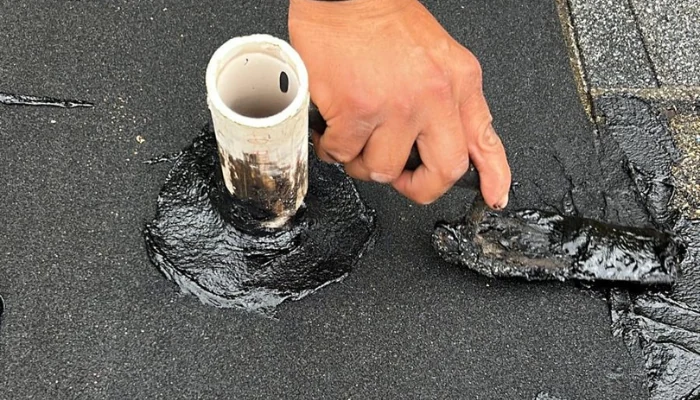
Installing new shingles over old ones isn’t always the villain. In the right scenario, it can actually be a smart move. Here are the clear advantages:
- Lower upfront cost: You skip the tear-off process, which saves on labor, dumpster rental and disposal fees. That alone can cut $1,000–$3,000 off your roofing bill, depending on roof size and shingle type.
- Faster installation: Fewer steps mean fewer hours. You can often finish the job in 1–2 days, rather than stretching it across a whole week. This is great if you’re racing bad weather or just want it done quickly.
- Less mess and disruption: No piles of torn-off shingles, no exposed decking and less noise and debris around your home. It’s a smoother process for homeowners who can’t stand chaos on their property.
- Temporary fix that buys time: If your roof is aging but the deck’s still in good shape, an overlay can buy you 8–12 more years, giving you time to plan a full replacement down the road.
- May help sell a home faster (if done right): In some cases, especially for house flippers or pre-sale repairs, a good-looking overlay can boost curb appeal just enough to close the deal.
Quick reminder: Thinking about going this route? Talk to Protect Preserve Roofing before you do. We’ll inspect, assess and tell you if this shortcut will help or hurt you in the long run.
Risks and Cons of Layering New Shingles on Top
Sure, overlaying might sound like a good deal, until it backfires. Here’s what most people overlook when they skip the tear-off.
- Hidden damage stays hidden: When you don’t remove the old shingles, you can’t see what’s underneath. Rotten wood, mold or soft spots? You’ll never know until it’s too late and by then, the damage could cost thousands.
- Shorter lifespan for the new roof: Shingles need a flat, stable base. Laying new ones over uneven or worn-out surfaces leads to faster wear, poor sealing and premature failure. Don’t expect them to last like a full replacement would.
- Extra weight = extra stress: Adding a second layer increases the load on your roof’s frame. For older homes, this extra weight can strain the structure or worse, lead to sagging or collapse if there’s hidden rot.
- Voided manufacturer warranty: Most major shingle brands (GAF, CertainTeed, etc.) won’t honor warranties if you install their product over old shingles. No tear-off = no coverage. That’s a risky move when storms hit.
- Higher costs next time: You might save money now, but your next replacement will cost more. Two layers mean double tear-off, higher disposal costs and more time on the job. It stacks up quickly.
- Lower resale value: Home inspectors see overlays as red flags. Buyers often ask for full replacements or use it as leverage to negotiate a lower price.
Bottom line: What looks cheaper today might cost you more tomorrow. If you want a roof that lasts and adds value, Protect Preserve Roofing always recommends a full tear-off for long-term peace of mind.
Can You Put New Roof Shingles Over Old Ones: Who Is Qualified?
Before you stack new shingles on top of old ones, you’ve got to check a few boxes. Let’s see them:
- Only one existing layer of shingles: This is non-negotiable. Building codes in most U.S. states limit roofs to two layers max. If your roof already has two, you’re out of luck – tear-off is mandatory.
- The existing shingles are flat and intact: Curled, buckled, blistered or cracked shingles? Forget it. New shingles won’t lay right on top of uneven or damaged ones, leading to gaps, leaks and a very short roof life.
- No soft spots or deck damage: Even if the shingles look okay, the decking underneath needs to be solid. Walk the roof. Feel for soft spots. If it gives under your feet, you’ve got water damage hiding below and that means full removal is the safer path.
- No signs of roof leaks: Check inside your attic or ceilings for water stains, damp insulation or mildew smells. Any signs of leaking mean something’s wrong under the surface and covering it up will only make things worse.
- Local building codes allow it: Not every city gives a thumbs-up to overlays. Check with your municipality or hire a licensed roofer to verify local code compliance before starting.
Quick reminder: Still unsure? One quick inspection from Protect Preserve Roofing can give you a yes-or-no answer, with zero guesswork.

When You Should Remove Old Shingles Instead
Sometimes, there’s no shortcut. You’ve got to start fresh. So, when is a full tear-off the better call? Let’s get real about the signs that say, “Don’t even think about layering.”
- The old shingles are cracked, curled or missing: If your current shingles look like a war zone (cracked edges, curled corners, or random bald spots), it’s game over. Layering over bad material just covers problems without fixing them.
- You’ve already got two layers: Most states don’t allow a third layer and for good reason. More weight = more risk. If your roof has already had one overlay, you legally must remove everything before starting fresh.
- There is decking damage or leaks: Soft decking? Water stains in the attic? Mildew smells? That’s your roof screaming for help. Laying new shingles over wet or rotted wood is a fast track to bigger (and more expensive) headaches.
- You want the longest roof life possible: An overlay might save a few bucks now, but a tear-off gives you full protection. Clean base. Proper ventilation. That’s how you get a solid 20–30 years out of your roof.
- You’re installing a metal roof: This one’s black and white: you must remove all asphalt shingles before switching to metal. Metal panels won’t sit properly over a layered surface, and it can lead to warranty issues, noise problems and poor performance in storms.
Does Installing New Shingles Over Old Ones Affect Resale Value?
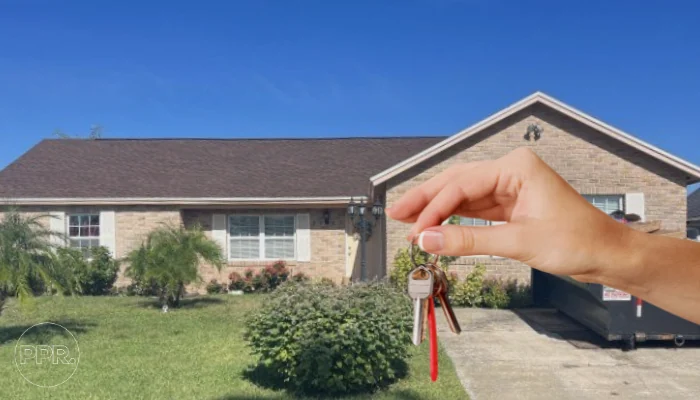
You might save money today with a roofing overlay. However, what happens when it’s time to sell the house? Here’s the straight answer: yes, it can affect your resale value.
- Home inspectors will catch it: During a home inspection, a good inspector can spot a double-layer roof in minutes. Most buyers are warned that overlays are a shortcut, not a premium solution. That can lead to negotiation headaches or lower offers.
- It could limit insurance coverage: Some insurance companies may raise premiums or refuse coverage if your roof has more than one layer, especially in storm-prone states. Buyers don’t want that risk.
- Reduced roof lifespan = lower appeal: Layered roofs trap more heat, prevent proper ventilation and wear out faster. If buyers see they’ll need a full tear-off soon, they’ll likely ask for a price cut to cover that future cost.
- Appraisers may adjust value: A double-layer roof doesn’t necessarily tank your home’s value, but it can influence an appraiser’s evaluation, especially if the market has comparable homes with full replacements.
- Curb appeal can take a hit: Overlays often don’t sit as clean and flat as a new single-layer installation. That means wavy lines, uneven shingles or bulky ridges – things a buyer will notice when pulling into the driveway.
Pro tip from Protect Preserve Roofing: Thinking long-term? A full tear-off might cost more up front, but it pays off at resale. And if you’re planning to list your home in the next 5–10 years, talk to us.
Costs: Overlay vs. Full Roof Replacement
If you’re torn between installing new shingles over old ones or doing a full roof replacement, the numbers can help you decide wisely. Here’s a clear breakdown:
| Factor | Overlay (New Shingles Over Old) | Full Roof Replacement |
| Average Total Cost | $5,800 – $9,400 | $8,900 – $17,000 |
| Cost per Sq. Ft. | $2.90 – $4.70 | $4.50 – $7.00 |
| Installation Time | 1 to 2 days | 2 to 4 days |
| Removal & Disposal | Not included | Included (old material removed) |
| Expected Lifespan | 10 to 15 years | 20 to 30 years |
| Impact on Home Resale | Neutral or negative | Positive |
| Warranty Coverage | Limited, often conditional | Full coverage from manufacturer + labor |
| Inspection Readiness | May fail inspection | Passes inspections easily |
| Insurance Approval | Case by case | Commonly accepted |
Which is the better investment?
- Overlay: Lower upfront cost and quicker install, but shorter lifespan and limited resale appeal.
- Full Replacement: Higher initial cost, but longer-lasting, better for resale, and fewer headaches in the future.
Pro tip from Protect Preserve Roofing: If your old shingles are curling, buckling or rotting, don’t even think about layering. Go for a full replacement, it’s safer, lasts longer and increases your home’s value.
Conclusion: Should You Roof Over Old Shingles or Not?
If your current roof is in solid condition, no leaks, no sagging, no rot, and just showing a little age? A shingle overlay could stretch a few more years of life out of your roof with a smaller upfront investment.
Therefore, most homeowners who take the overlay route do it to save money right now and often end up paying double when problems surface earlier than expected. So, what’s the smarter move?
- If your roof’s got miles left on it, and you need a temporary fix that won’t hurt resale too much… overlay might be acceptable.
- But if you want long-term peace of mind, better warranty, full inspection clearance, and maximum home value… go for a full roof replacement.
And at Protect Preserve Roofing, we’ve helped hundreds of homeowners in your exact shoes. We assess your roof, walk you through every option (overlay or replacement) and back it with honest pricing and expert craftsmanship. No pressure, just solutions.
Get a free inspection or quote today and stop guessing about what your roof really needs.
Frequently Asked Questions About Installing New Shingles Over Old Ones
No. Building codes in most areas allow only one overlay—a total of two layers. If your roof already has two, you’ll need to remove everything before installing a new one.
Short-term, yes—it saves labor and disposal costs. But overlays may fail sooner and hide deck issues, leading to unexpected costs later on.
Yes. Home inspectors often flag layered roofs. This can scare off buyers or reduce your property value compared to a full replacement.
Absolutely. We offer free inspections to determine if your roof meets code and structural standards for a safe and legal shingle overlay.



Leave a Reply