



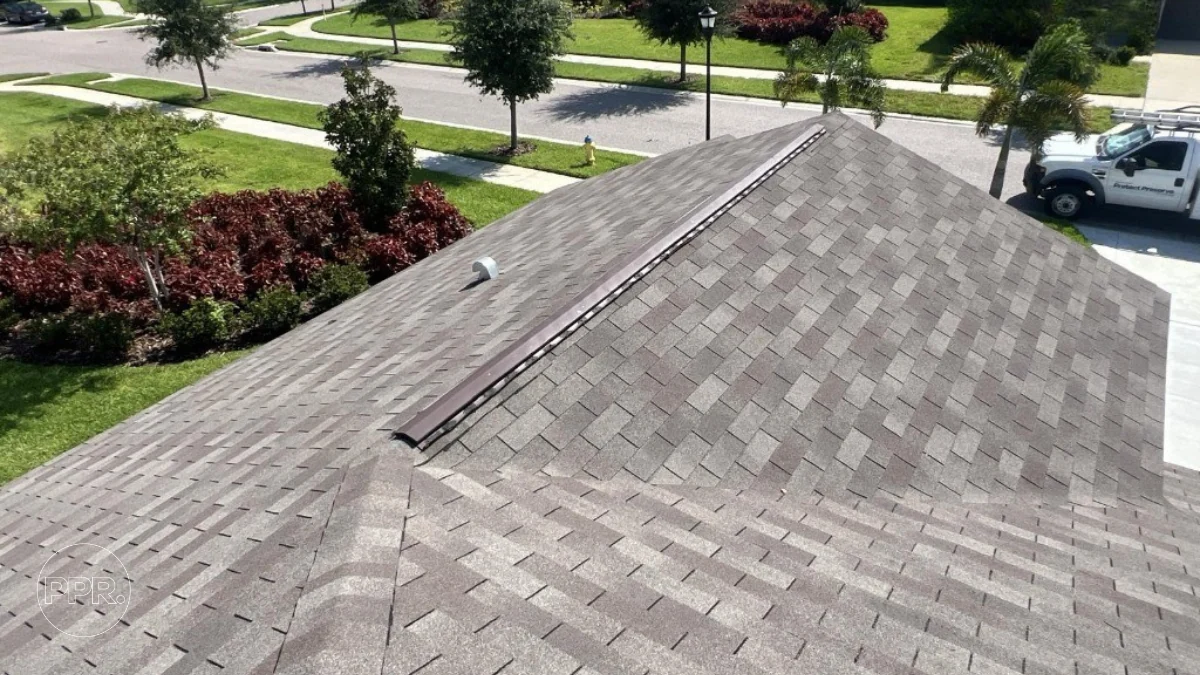


Residential roofing may seem like a straightforward concept, but making the right decision about your home’s roof can have a lasting impact on safety, energy efficiency and property value. Did you know that asphalt shingle roofs, the most common residential roofing type in the U.S., cover over 75% of homes according to the Asphalt Roofing Manufacturers Association? So, choosing the right roofing solution is far more than a cosmetic choice, it’s a long-term investment.
If you’re building, buying or renovating a home, chances are you’ve asked yourself: Which roofing material is best for my climate? How long will it last? You’re not alone, thousands of homeowners search every month for residential roofing near me or for a reliable contractor who can help them navigate this decision with confidence.
That’s why, by the end of this guide, you’ll be able to identify which residential roofing type best suits your needs, understand the lifespan and maintenance costs of each option, recognize when it’s time for a repair or full replacement and learn how to choose a reputable contractor in your region.
Ready to stop guessing and start deciding with confidence? Let’s dive into what makes a residential roof truly reliable and how to choose the best one for your home.
What Is Residential Roofing and Why It Matters
Residential roofing is the system that covers your house and protects everything inside it – your family, your furniture and your peace of mind. So, choosing and maintaining the right roof isn’t just about looks or price. It’s about safety, comfort and long-term value.
A residential roof includes the outer material you see (like asphalt shingles or metal panels) but also layers underneath. These layers include underlayment, insulation, flashing and ventilation. Each part works together to keep water out, control heat and resist wind.
A weak roof doesn’t just leak, it can rot your wood, damage your drywall and mess up your insulation. And, once water gets in, most insurance companies won’t cover the repair. If you let the damage happen over time, they’ll say it was your job to prevent it. That’s why your roof is not just a cover; it’s your home’s first and most important defense system.
So yeah, it matters. Whether you’re patching a leak, dealing with storm damage or building from scratch, understanding residential roofing helps you make better decisions. It gives you control. It saves money and, most of all, it protects your home from becoming a soggy, expensive headache.
Key Components of Residential Roofing
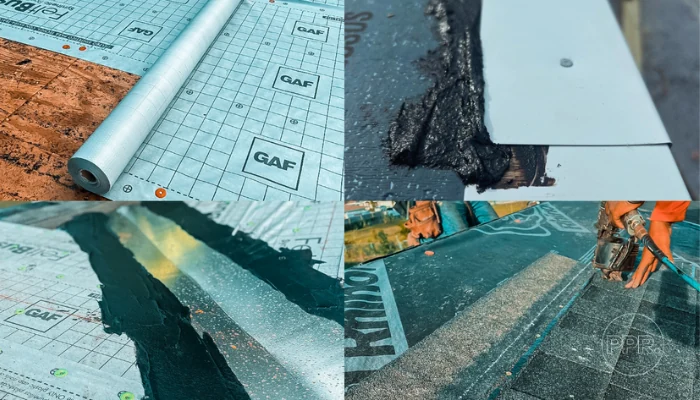
Your roof isn’t just what you see from the street. There’s a whole system working under the surface. If one part fails, it can turn into a chain reaction of problems. Let’s take a closer look:
- Decking (or sheathing): This is the foundation. Usually made from plywood or OSB (Oriented Strand Board), it supports the weight of shingles and everything layered on top. If the decking rots, nothing else holds.
- Underlayment: This is your roof’s backup defense. It’s a thin layer that goes between the decking and the shingles. Most modern roofs use synthetic underlayment because it resists water better than old-school felt.
- Shingles, metal or tile (top layer): This is the visible part. It protects against rain, sun, wind and hail. Asphalt shingles are the most common in the U.S. for good reason: they’re affordable, durable and easy to install.
- Flashing: This is the unsung hero. It’s metal, usually aluminum or galvanized steel – placed around chimneys, vents, skylights and valleys. Its job is to redirect water. Without flashing, those small details become big headaches.
- Ventilation system: Without ventilation, that heat cooks your roof from the inside out, especially in the summer. A good roofing system includes ridge vents, soffit vents or fans to keep air moving.
- Drip edge: This is a thin metal strip at the edge of the roof. It keeps rainwater from creeping under the shingles and into the fascia board.
- Ridge cap: A special set of shingles or metal that sits right at the top of the roof, covering the ridge line. It protects the highest point from wind and rain.
Bottom line: If one part goes wrong, it affects the rest. Your roof isn’t just “some tiles and nails.” It’s a team.
Most Common Residential Roofing Materials
Choosing the right roofing material isn’t just about price. It’s about durability, climate, looks and how much maintenance you’re willing to deal with. A poor choice here can cost you thousands later or worse: leave your home unprotected when it matters most.
To help you compare, here’s a simple and clear breakdown of the most popular residential roofing materials:
| Material | Lifespan | Cost Range | Pros | Cons |
| Asphalt Shingles | 15–30 years | Most affordable | – Easy to install – Versatile styles – Budget-friendly | – Less durable – Can crack in extreme heat – Lower wind resistance |
| Metal Roofing | Up to 50 years | Mid-high | – Long lifespan – Reflects heat – Great in harsh weather | – Noisy during storms – Higher upfront cost |
| Tile Roofing | 40–70 years | High | – Premium look – Fire-resistant – Excellent for hot climates | – Heavy (needs reinforced structure) – Fragile under impact |
| Wood Shakes/Shingles | 20–40 years | Mid to high | – Natural appearance – Good insulation | – High maintenance – Susceptible to mold/insects – Not ideal for humid areas |
| Slate Roofing | 75–100+ years | Very high | – Extremely durable – Fire/mold resistant – Classic appearance | – Very heavy – Expensive to install – Difficult to repair |
Quick takeaways from Protect Preserve Roofing:
- On a tight budget? Asphalt shingles are the most common for a reason, they’re simple, reliable and easy on your wallet.
- Need durability and energy savings? Go metal. It’s tough and reflects heat, which can help with energy bills.
- Want that timeless look? Tile or slate offers premium style and long lifespan, but you’ll pay for it (and your house better be ready for the weight).
- Going rustic? Wood shakes are beautiful but demand more time and care.
Residential Roofing: Factors to Consider
Before you invest, here are the key things to consider that actually impact performance, cost and how long your roof keeps doing its job.
- Your local climate: Different materials handle heat, cold, rain and wind very differently.
- Hot and sunny all year? Metal or tile reflects sunlight and handles heat well.
- Cold with snow and ice? Asphalt shingles or slate offer better insulation.
- Hurricane-prone zones? You need high wind resistance. Not all shingles can handle that.
- Roof pitch (slope angle): The pitch of your roof matters more than most people think.
- Steep roofs shed water fast but are harder to walk on and install.
- Low-slope roofs need waterproofing layers that prevent water pooling.
- Budget vs. lifespan: It’s tempting to pick the cheapest option upfront, but look beyond the price tag:
| Material | Upfront Cost | Average Lifespan | Worth It? |
| Asphalt Shingles | Low | 15–30 years | Great for short- to mid-term |
| Metal Roofing | Medium | 40–50 years | Smart long-term investment |
| Tile/Slate Roofing | High | 70+ years | Premium homes, long-term stays |
- Weight and roof structure: Heavy materials like tile and slate require strong support framing. Not all houses are built for that. Installing the wrong type could lead to structural stress or failure.
- Style and curb appeal: Yes, looks matter. However, they should come after function. Asphalt shingles are flexible in design. Tile and slate offer elegance. Metal? Sleek and modern. Just make sure it fits your home’s design and your neighborhood rules.
- Maintenance commitment: Be honest with yourself: Are you the “fix it before it breaks” type or the “I’ll deal with it later” guy?
- Asphalt: low effort.
- Metal: easy to clean but needs occasional checks.
- Wood: needs regular treatment.
- Tile/slate: fragile under impact, but low maintenance otherwise.
- Insurance and risk: Many homeowners assume insurance will cover roof damage no matter what. Wrong. If your roof leaks due to neglect, insurance likely won’t pay. That’s why preventive action matters more than repair claims.
Residential Roofing Installation: Process and Timeline
Installing a new roof might sound like a noisy, messy nightmare. But when done right, it’s fast, efficient and protects your home for decades. Here’s exactly what happens:
- Step 1: Inspection and estimate: Before anything gets ripped off, a roofing specialist will inspect your current roof. From there, you’ll get a detailed estimate based on the materials, roof pitch, size and access difficulty.
- Step 2: Tear-off (1 day): The crew removes all old shingles or tiles down to the decking. If the roof deck is damaged, they replace it on the spot. A dumpster or trailer is usually on-site to handle waste.
- Step 3: Underlayment and flashing: Here’s what happens:
- Underlayment is rolled out and sealed tight.
- Flashing is added around chimneys, vents, skylights and valleys.
- Drip edge is installed to protect the eaves.
- Step 4: Installing the roofing material (1–3 days): Asphalt shingles are nailed down row by row. Metal panels are fitted and fastened. Tile or slate is carefully placed and aligned. Timing depends on the size of the roof, material chosen and weather. A basic asphalt roof can be done in a day or two. Tile or slate may take longer.
- Step 5: Ventilation and finishing touches: A good roof breathes. That’s why vents are installed near the ridge and soffits, to prevent heat and moisture buildup. This keeps your attic dry and extends the life of your roof. Final details also include:
- Ridge caps installation.
- Gutter adjustments (if needed).
- Cleanup — yes, including stray nails.
How long does it take?
Here’s a rough idea of the timeline based on your situation:
| Project Type | Estimated Time |
| Asphalt Roof Replacement | 1–3 days |
| Metal Roof Installation | 2–4 days |
| Tile/Slate Roof | 4–7 days |
| Emergency Tarp Install | Same day |
Pro tip: Getting a new roof shouldn’t feel overwhelming. The right team will walk you through it, treat your home like it’s their own, and leave zero surprises behind. That’s what Protect Preserve Roofing is known for — on-time, on-budget, no-stress roofing.

Residential Roof Replacement
Replacing your roof isn’t cheap. We get it. Therefore, ignoring signs that your roof is failing? That’s like driving with the check engine light on and hoping for the best. Signs you might need a roof replacement:
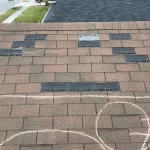
- Shingles are curling, cracked, or missing.
- Granules are falling off and collecting in gutters.
- Roof looks saggy or uneven.
- Water stains or leaks inside your home.
- Moss or mold growing on the roof.
- Your roof is over 20 years old (for asphalt roofs).
Remember: Sometimes, a patch won’t cut it. Here’s when a full replacement makes more sense:
- The damage is spread out, not isolated to one area.
- Previous repairs failed or were done poorly.
- The underlying decking is soft or rotting.
- Storm damage was severe, like a tree impact or hailstorm.
- Insurance won’t cover repeated patchwork.
Cost of waiting
Waiting to replace a bad roof won’t save you money, it’ll drain your wallet slowly. Here’s what can happen if you delay:
- Mold and mildew grow in your attic.
- Insulation gets soaked and ruined.
- Wood framing rots.
- Interior drywall needs replacing.
- Energy bills spike due to poor sealing.
Suddenly, that $8,000–$12,000 roof turns into a $20,000+ repair nightmare. And guess what? Temporary tarps, when needed to hold things over, can cost anywhere from $800 to $1,600 depending on the roof’s height and condition.
How to decide: repair or replace?
Let’s simplify the decision:
| Situation | Recommendation |
| One-time leak, isolated damage | Repair |
| Several leaks, visible aging | Likely Replace |
| Sagging, soft decking | Replace ASAP |
| Roof is 20+ years old | Strongly Consider |
| You plan to sell in 2–5 years | Replace (adds value) |
Residential Roof Repair vs. Replacement: Key Differences
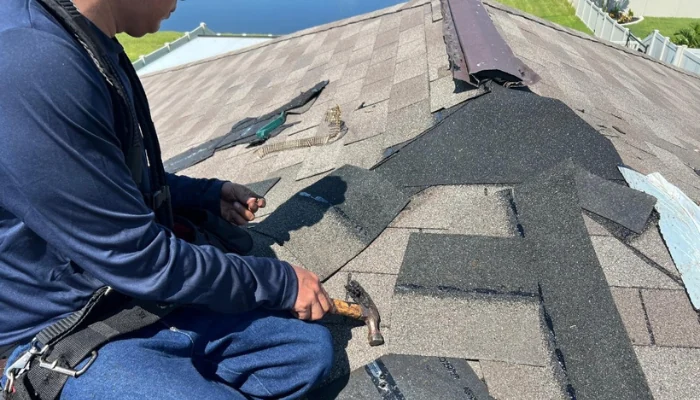
Your roof is leaking. Now what? Do you patch it and hope it holds? Or do you go all in and replace the whole thing? The truth is: it depends on a few clear factors. Let’s lay it all out so you can make a smart decision:
- Roof repairs fix specific, isolated issues. They’re usually:
- Replacing a few damaged shingles.
- Fixing small leaks or cracks.
- Sealing flashing around chimneys or vents.
- Clearing out clogged gutters causing backup.
- When it makes sense: The roof is under 15 years old, damage is limited to one spot; no signs of sagging, rotting or major wear. You’re dealing with a short-term problem, like wind damage.
- Pros of repairing: Quick and affordable, less disruption at home and buys you time before needing a full replacement.
- Cons of repairing: May not solve deeper, hidden problems, repairs may not match old materials (visual inconsistency) and temporary fix if the roof is already near end-of-life.
What counts as a replacement?
Replacement means removing everything and starting fresh. When it makes sense:
- Roof is 20+ years old.
- Multiple repairs have already failed.
- Leaks keep returning.
- Visible sagging, granule loss, or mold/mildew.
- You’re seeing damage across several areas, not just one.
The pros of replacing are long-term peace of mind (15–50+ years depending on material), full warranty coverage, boosts home value and energy efficiency and no more band-aid fixes. The cons are higher upfront cost, may require permits depending on location and more time to complete (though most jobs take 1–3 days).
Quick comparison chart
| Factor | Roof Repair | Roof Replacement |
| Cost | Lower (short-term) | Higher upfront, better long-term ROI |
| Timeline | 1 day | 1–5 days depending on size/material |
| Best For | Newer roofs with minor damage | Old or severely damaged roofs |
| Insurance Coverage | Sometimes (depends on cause) | Often covered for storm damage |
| Visual Consistency | May not match existing shingles | Completely new and uniform |
| Added Home Value | Minimal | High |
Quick reminder: If your roof just needs a quick fix, no problem, Protect Preserve Roofing handles small jobs with the same precision as big ones. But if it’s the third call in 12 months and you’re still dragging buckets out during rainstorms… It’s probably time to stop fixing symptoms and solve the problem at the root.
Residential Roofing: Maintenance Tips
Here’s how to keep your roof in fighting shape without becoming a full-time handyman.
- Keep it clean: Clean gutters twice a year (spring and fall), use a leaf blower or soft broom to clear the roof (no pressure washing!) and trim branches hanging over your roof.
- Inspect after major weather: Storms don’t always leave visible damage, like missing or loose shingles, lifted flashing around chimneys and vents, debris or sagging spots and water stains on ceilings inside the house.
- Check your attic for signs of moisture: Look for damp insulation, moldy or musty smell, water stains on wood beams and light coming in through cracks. If it smells like a wet gym bag up there… call someone.
- Make sure it can breathe: Your roof needs proper ventilation. Without it, heat and humidity build up and start cooking your shingles from the inside. Check that soffit vents and ridge vents aren’t blocked and clean out dust, nests or debris.
- Repair small issues fast: A missing shingle today is a leaking ceiling next month. Don’t ignore the little stuff. Act fast when: loose flashing, missing or damaged shingles, caulking cracked around roof features and sagging gutters that hold water near the fascia.
- Know when to call in a pro: Some problems aren’t visible unless you know what to look for or feel comfortable climbing onto a pitched surface 20 feet in the air. Protect Preserve Roofing offers full inspections that check structure, ventilation, flashing and material wear.
Pro tip from Protect Preserve Roofing: A roof replacement can cost five figures. A tarp installs for emergencies? Between $800 and $1,600. But catching issues early and taking care of the basics? That’s the cost of a little time and attention. If you take care of your roof, it’ll take care of everything under it.
Blue Tarp Roofing: Emergency Repairs and Temporary Solutions
Let’s be real: storms don’t care about your schedule. When your roof takes a hit from wind, hail or flying debris, a blue tarp can be the difference between minor damage and major disaster. However, if installed the wrong way, a tarp can cause more problems than it solves.
First: never nail or screw tarps into your roof (seriously). This is a common mistake and it’s a big one. Why it’s a bad idea:
- It creates new holes in your roof.
- It voids most insurance policies.
- It often leads to worse leaks and structural issues.
Unless your roof is severely damaged and has a steep pitch where sandbags won’t hold, don’t drive anything through it.
Second, a blue tarp is actually needed when:
- After storm or wind damage.
- When shingles or tiles are blown off.
- When there’s active water intrusion.
- While waiting on an insurance inspection.
- During roof replacement delays.
Third, the cost of professional tarp installation depends on a few things: roof height and pitch, extent of the damage and accessibility and safety requirements. So, the typical price range is $800 to $1,600.
This might feel steep for a “temporary” fix, but compared to drywall damage, soaked insulation, ruined flooring and mold cleanup? It’s a smart move.
How long can you leave a tarp on?
A tarp is not a long-term solution. It’s designed to buy you a few weeks, not months.
- Ideal coverage time: 7 to 14 days.
- Max safe duration (with good weather): up to 30 days.
- Beyond that, materials start to degrade and risk increases.
Leaving a tarp up for too long can signal neglect to your insurance company, which could mean no coverage if further damage occurs.
Sustainable and Energy-Efficient Roofing Options
Let’s walk through the best options for sustainable and energy-efficient residential roofing. No technical jargon, just smart choices that actually work.
Cool roofs
A “cool roof” is designed to reflect more sunlight and absorb less heat than a standard roof. Think of it like putting your house in the shade, without planting 10 trees.
Key features:
- Uses light-colored, reflective materials.
- Keeps the attic (and home) cooler.
- Reduces AC load.
Good for:
- Hot climates.
- Homes with poor attic ventilation.
- Anyone sick of $300+ energy bills.
Asphalt shingles with reflective granules or light-colored metal roofing = perfect combo for a cooler, more efficient home.
Metal roofing
Metal roofs aren’t just for barns and industrial buildings anymore. Today’s residential metal roofing is sleek, strong and surprisingly energy efficient. Why it works:
- Reflects solar radiant heat (especially when painted with cool pigments).
- Recyclable at end of life.
- Lasts 40–50+ Years.
Bonus: Many metal roofs qualify for ENERGY STAR® ratings and may earn local rebates.
Clay and concrete tile
Clay and concrete tile roofs naturally resist heat and allow for air circulation underneath, which helps reduce heat transfer into your home.
Upside:
- Extremely long lifespan.
- Fire resistant.
- Low maintenance.
Downside:
- Heavy, your roof structure must be able to support the weight.
- Higher upfront cost.
Solar-ready roofing (or integrated solar)
If you’re already thinking solar, your roofing choice matters. Some materials are better for mounting solar panels, like standing seam metal roofs – which don’t require drilling holes for panel mounts. Or go one step further and install integrated solar shingles – a newer option where the solar tech is built right into the roofing itself.
Recycled and sustainable materials
Some modern shingles are made from recycled rubber, plastics or composite materials. They offer the look of traditional wood or slate without the environmental impact.
- Lightweight.
- Long-lasting.
- Often made from post-consumer materials.
- Easier on your home’s structure.
Are these options worth it?
In one word: Yes, if you’re thinking long-term. Here’s what energy-efficient roofing can do for you:
| Benefit | What You Get |
| Lower utility bills | Save 10–30% annually on cooling costs |
| Tax credits/rebates | Check for federal and local incentives (up to $1,200) |
| Better comfort indoors | Cooler attic = cooler home |
| Increased resale value | Buyers love energy savings and eco-friendly upgrades |
| Less wear on HVAC systems | Your air conditioner won’t have to work as hard |
Quick reminder: Protect Preserve Roofing can walk you through every option, from cool shingles to solar-ready metal, and help you find the roofing solution that fits your house, your climate and your wallet.
Conclusion: Residential Roofing Near Me
So, you’ve learned the materials, you know the warning signs and understand the costs. Now comes the big question: who’s actually going to do the job right? Here’s what you are looking for:
- Licensed and insured in your area.
- Experience with residential homes, not just commercial jobs.
- Real customer reviews (look for recent ones, not just a few from five years ago).
- Clear pricing and communication.
- No pressure tactics or “one-day only” gimmicks.
And this is where Protect Preserve Roofing comes in. We don’t just show up with tools; we show up with context, with urgency and with real care for the families we work with. Thousands of homeowners have already trusted us:
- Inspect, repair and replace residential roofs.
- Provide fast, insurance-compliant tarp installation in emergencies.
- Offer clear, upfront pricing based on real roof assessments.
- Deliver clean, on-time work.
Your next roofing solution is right here, get a free roof inspection today or a quick estimate for a job. Let our licensed team check your roof for signs of wear, leaks or storm damage.
Your roof, your home, your peace of mind – protected, preserved and done right.
Frequently Asked Questions About Residential Roofing
Tip: A quick inspection from a pro at Protect Preserve Roofing can help you decide without guessing.
At Protect Preserve Roofing, we use non-invasive methods like sandbags and custom straps to keep your roof secure without risking further harm.
Protect Preserve Roofing is trusted by homeowners for one reason: we do what we say, and we do it right.
How do I know if my roof needs to be replaced or just repaired?
Tip: A quick inspection from a pro at Protect Preserve Roofing can help you decide without guessing.
How long does it take to replace a residential roof?
Are blue tarps safe to use on a damaged roof?
At Protect Preserve Roofing, we use non-invasive methods like sandbags and custom straps to keep your roof secure without risking further harm.
How do I find a trustworthy residential roofing company near me?
Protect Preserve Roofing is trusted by homeowners for one reason: we do what we say, and we do it right.


Leave a Reply