



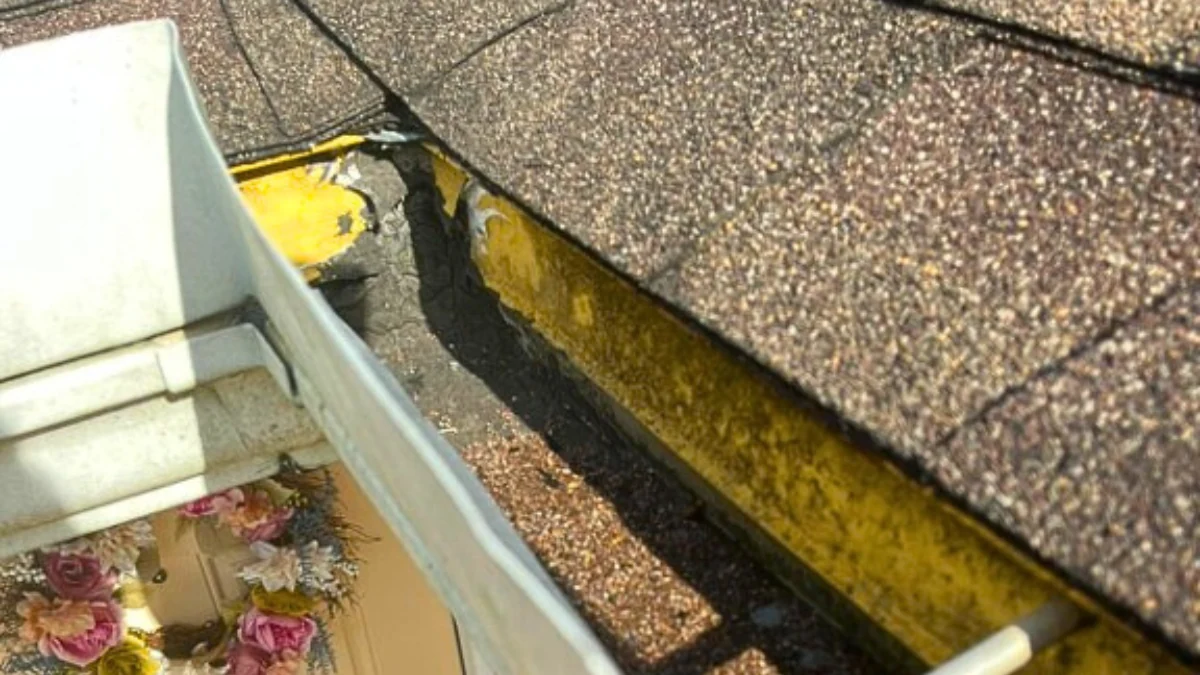


What is granular loss on a roof and why does it matter more than most homeowners think? Well, if you’ve ever spotted tiny piles of black grit near your downspouts or noticed shiny patches on your shingles, you’re likely seeing the early signs of granular loss. It might not seem like much at first glance, but that gritty coating is what protects your roof from UV rays, water and the slow destruction of time.
According to industry data, asphalt shingle granules are responsible for up to 80% of a roof’s UV protection. Without them, the risk of leaks, mold and structural damage increases fast. Worse, many insurance claims are denied because the damage could have been prevented with early action.
Here’s the good news: this guide shows you exactly how to spot granular loss early, understand what causes it and take action before the costs pile up… literally.
Let’s break it all down step-by-step, in a way that actually makes sense.
What Is Granular Loss on a Roof?
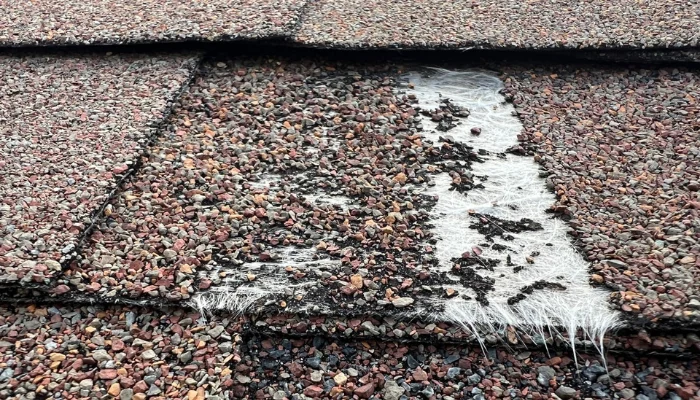
Granular loss on a roof happens when the rough, sand-like particles on top of your asphalt shingles start falling off. These granules are more than decoration, they protect your shingles from sun damage, heavy rain and slow erosion over time.
Each asphalt shingle is coated with ceramic granules during manufacturing. These small particles block UV rays, help with fire resistance and add color to the roof. Over time, some natural shedding is expected, especially after storms or during the first year after installation.
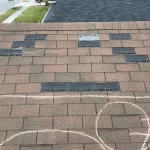
However, excessive granule loss – the kind that leaves shiny patches on your roof or piles in your gutters – means the shingle is breaking down. Once that happens? Moisture finds a way in.
So, here’s some quick facts you should know:
- Asphalt shingles usually last 15 to 30 years, but heavy granule loss can cut that in half.
- Granules shield the asphalt layer, which is vulnerable to cracking when exposed.
- Granular loss is one of the top causes of early roof failure and one of the easiest signs to ignore.
Bottom line: If you’ve ever noticed what looks like dirty sand near your gutters or dark spots where your roof used to be evenly colored, you’re probably seeing the early signs. This is your roof giving you a heads-up. Ignore it too long and what could’ve been a simple fix can turn into a full replacement.
Is Granular Loss Normal on a New Roof?
Yes, some granule loss on a new roof is normal, but not all of it is harmless. When shingles are manufactured, they’re coated with an excess of ceramic granules. So, after a new roof goes up, it’s common to see loose granules in your gutters or at the base of downspouts. Most of that is just factory leftovers.
But here’s where it gets tricky: how do you know if it’s just residue… or the start of a real problem?
Here’s what’s normal:
- You see light granule buildup after the first rain or a few storms.
- Your roof still looks even in color, with no bald spots.
- No shiny patches are visible from the ground.
- It stops after a few months.
Here’s what’s not:
- Granules keep showing up months after installation.
- You notice dark streaks, shiny areas or bald patches.
- Shingles start to curl, crack or loosen.
Early granule loss is one of the top reasons manufacturers deny warranty claims. If they believe the installation was poor or the product is being abused by pressure washing or foot traffic, they may shift the blame.
That’s why it pays to keep a close eye on a new roof, especially in the first 6–12 months. Take photos. Log weather events. Keep receipts. And above all: get a trusted roofer (like our team at Protect Preserve Roofing) to inspect things before minor wear turns into serious damage.
What Causes Granule Loss on a Roof?
Granule loss can happen for a few reasons, some normal, others not. Let’s break them down without the jargon:
- Natural aging: Shingles don’t last forever. As they age, the asphalt underneath dries out and shrinks. That makes the granules loosen and fall off. If your roof is 15–20 years old, this might be the start of the end.
- Heavy rain, hail or wind: Storms hit hard. High winds can lift shingles. Hail can dent the surface and loosen granules. Even normal rain over time wears things down. And if you live in a place with wild weather swings? It happens even faster.
- Poor installation: A rushed or sloppy install job can lead to early wear. If the shingles weren’t nailed down right, or if they were handled roughly, the granules may never bond well to begin with.
- Low-quality shingles: Cheap materials shed granules faster. They may look good on day one, but they don’t hold up. That’s why a “budget roof” can turn into an expensive headache within just a few years.
- Foot traffic or pressure washing: Walking on your roof? Spraying it down with high-pressure water? Both can knock granules loose. Shingles aren’t built for foot traffic or jet blasts. That grit comes off faster than you think.
- Tree branches or debris: Low-hanging branches rub against shingles every time the wind blows. Over time, that friction eats away at the granules. It’s like sandpaper on your roof, slow, steady damage.
- Manufacturing defects: Sometimes the shingles are the problem. If granules fall off too soon or unevenly, you might have a defective batch. That’s rare, but it happens, and your warranty might cover it if you catch it early.
Signs of Granular Loss You Can Spot Without Climbing
You don’t need to get on your roof to know something’s off. In fact, we’d strongly advise against it, especially if you’re not trained or if your roof is steep. One wrong step and you’re not just dealing with a roof issue anymore.

The good news? Your roof leaves clues. Here are some simple signs of granular loss you can check from the ground:
- Grit in your gutters or around downspouts: After a heavy rain, take a look at where your gutter drains. If you see what looks like black or gray sand, that’s likely shingle granules being washed away.
- Shiny or bald spots on your shingles: Step back and look at your roof from the yard or driveway. If you notice areas that look shinier than the rest, or patchy spots where the color has faded, granules are missing.
- Discoloration or uneven tone on the roof: A healthy roof looks even. When some areas start to look darker, smoother or oddly shiny, that usually means granules have worn away and the asphalt underneath is exposed.
- Small granules on driveways or walkways: If you have a concrete driveway or patio near your gutters, check for granules. They often wash off the roof and land nearby. It’s an easy way to spot the issue without climbing anything.
- Neighbors getting roof repairs or replacements: Your roof ages like theirs. If several neighbors with similar homes are replacing their roofs or getting inspections, there’s a good chance your shingles are showing wear too.
Pro tip from Protect Preserve Roofing: Granule loss doesn’t scream for attention, but it shows up if you know where to look. And spotting it early can mean the difference between a simple shingle repair and a full roof replacement that drains your wallet.
When Granular Loss Becomes a Real Problem
A little bit of grit in your gutters? That’s normal. However, when granule loss becomes obvious and consistent, your roof is no longer just “aging”, it’s failing. Let’s check it out:
- Bald spots are visible from the ground: If you can stand in your yard and clearly see smooth patches on shingles, that’s not normal wear. Those spots mean the protective surface is gone and the asphalt is exposed.
- Granules keep showing up after every storm: It’s one thing to see grit after the first few rains on a new roof. It’s another when your gutters look like a sandbox after every storm. Consistent shedding means the shingles are breaking down faster than they should.
- Uneven roof appearance: When one part of your roof looks shinier, darker or smoother than the rest, that’s a red flag. It usually means granules have eroded in specific areas.
- Leaks or interior water stains: If you see ceiling stains, peeling paint or musty odors indoors, you’re dealing with more than just surface damage.
- Insurance problems: If your roof is showing clear signs of neglect, your insurance company may refuse to cover repairs. Granular loss that you ignored could put the entire cost on you.
Pro tip from Protect Preserve Roofing: If you’re already seeing these warning signs, it’s not “too soon” to act. The best move is to get a professional inspection and figure out if you can still save parts of the roof or if it’s time to start planning a replacement.
Does Using White Granules on Roof Patches Actually Work?
No, not the way you think. White granules often show up in quick-fix roof patch products or DIY kits. The idea is simple: sprinkle granules over a patch so it blends in and adds protection. Once granules are gone from a shingle, you can’t just sprinkle new ones back on and expect them to stick.
Why it doesn’t really work:
- Granules are baked in at the factory. During manufacturing, asphalt shingles are coated in hot asphalt and granules are pressed in while it’s still sticky. That bond is what makes them last decades.
- Loose granules won’t fuse. Sprinkling white granules over a patch looks good for a little while, but rain and wind will wash them away quickly.
- Temporary at best. It might disguise the damage, but it does not restore the shingle’s protective surface.
What it can do:
- Help a patch blend visually so it’s less noticeable from the ground.
- Offer a tiny bit of short-term UV protection, but only until the next storm.
So, if your shingles are shedding granules, the true solutions are:
- Replacing the damaged shingles if the loss is isolated.
- Partial replacement if one section of the roof is failing.
- Full replacement if the damage is widespread or the roof is nearing the end of its lifespan.
Bottom line: Using white granules on roof patches doesn’t work as a real solution. At best, it’s a quick disguise. At worst, it gives homeowners a false sense of security while damage continues underneath. If you want your roof fixed right, skip the gimmicks. Get a professional inspection – like ours – and a repair plan that actually restores protection.
How to Repair Granular Loss on a Roof: Options & Cost
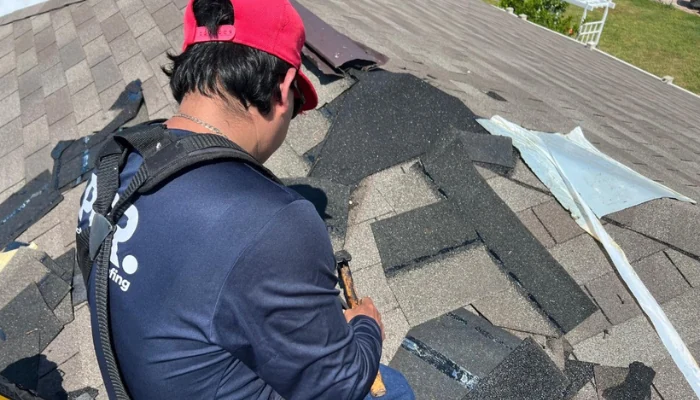
Once granules are gone, you can’t glue them back. The question isn’t if you can stick new granules on; it’s how to deal with the damage left behind. The right fix depends on how bad the loss is and how old the roof is.
Spot repairs (minor damage)
If the issue is small – like a few shingles with missing granules – a roofer can remove and replace those shingles. This works best if the roof is fairly new and the rest of the surface is still in good shape.
Estimated cost: $250 – $600 for a small section
- Good if: damage is isolated.
- Not good if: granule loss is spread across the roof.
Partial roof replacement
If granule loss shows up across one slope or a large area, replacing just that section may be enough. This is common after storm damage, when only one side of the roof takes the hit.
Estimated cost: $1,600 – $4,000
- Good if: damage is widespread but contained.
- Often covered by insurance if storm-related.
Full roof replacement
When granule loss is all over, repairs won’t hold. At that point, replacement is the smartest move. It costs more upfront but resets the clock on your roof’s lifespan.
Estimated cost: $7,000 – $14,000 (asphalt shingles)
- Good if: roof is 15+ years old, or granule loss is severe.
- May lower long-term costs by preventing leaks and interior repairs.
Emergency protection with roof tarps
If granule loss has already led to leaks, you may need a temporary tarp to protect the home until repairs or replacement can happen.
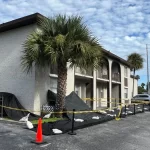
Protect Preserve Roofing uses weighted systems and sandbags to secure tarps, never nails or screws that void insurance or cause more damage. Tarping buys you time, but it’s not the fix.
Estimated cost: $800 – $1,600
- Good if: water is already getting in.
- Should always be followed by repair or replacement.
Bottom line: Trying to save money with shortcuts almost always costs more later. The earlier you catch granule loss, the cheaper it is to fix.
Can You Prevent Granular Loss in the Future?
Granules will eventually loosen, but smart care keeps them around longer. Here’s how you can protect your shingles:
- Choose quality materials from the start: Low-cost shingles lose granules faster, while impact-rated or premium shingles last longer under stress. When it’s time for replacement, investing in stronger shingles pays off with fewer headaches down the road.
- Work with experienced roofers: Misplaced nails, rough handling or skipped steps during installation all lead to early granule loss. That’s why having a trusted crew –like Protect Preserve Roofing – makes all the difference.
- Trim trees and clear debris: Branches scraping in the wind act like sandpaper. Leaves piling up trap moisture. Both speed up granule loss. Keep trees trimmed and your roof clear of debris, especially after storms.
- Keep gutters clean: Clean gutters at least twice a year, or more often if you’re under trees. While cleaning, check how much grit is piling up, it’s an early warning system.
- Skip the pressure washer: High-pressure water looks like a quick fix for dirt, but it strips granules right off your shingles. If you need to clean algae or moss, use a gentle wash system or call in a pro who knows how to clean without doing damage.
- Inspect annually: Even if nothing looks wrong, a yearly inspection can catch small issues before they grow. Roof pros know what to look for weak spots, early bald patches or damaged shingles.
Pro tip from Protect Preserve Roofing: You can prevent excessive granular loss with the right steps: buy quality shingles, trust expert installers, maintain trees and gutters, avoid harsh cleaning and schedule regular inspections. Prevention doesn’t just extend roof life; it keeps your home safer and reduces the chance of insurance headaches later.
Will Insurance Cover Granule Loss or Roof Repairs?
Insurance usually does not cover normal wear and tear. Granule loss caused by age or neglect is almost never included. Therefore, when damage comes from a specific event, you may have a valid claim.
When insurance might cover it:
- Storm damage: If hail or strong wind stripped the granules, many policies cover repairs or replacement.
- Sudden impact: A tree limb falling on your roof may qualify as an “event” rather than wear.
- New roofs with defects: If granules come off too early due to a bad batch of shingles, manufacturer warranties sometimes apply.
When insurance won’t cover it:
- Aging shingles: A 15–20-year-old roof losing granules is considered normal wear.
- Neglected maintenance: If you ignored clogged gutters, broken shingles or clear signs of damage, the insurer may deny the claim.
- Improper installation: If the original crew cut corners, insurance won’t pay for their mistakes.
Furthermore, when leaks start because of granule loss that went untreated, insurance often says no. They consider it preventable and that leaves homeowners covering the bill themselves.
This is why early action is key. A quick inspection costs far less than a denied claim and a $10,000 replacement.
If you’re not sure where you stand, Protect Preserve Roofing can give you an inspection report tailored for insurance review, so you don’t walk into the claims process blind.
Conclusion: Take Action Before It Gets Expensive
Now you know the answer to “what is granular loss on a roof”. Granular loss might start small, but left unchecked, it turns into leaks, mold and repair bills that no homeowner wants. Once water gets inside, insurance rarely picks up the tab. Here’s the bottom line:
- A few granules today can become a full replacement tomorrow.
- The longer you wait, the more you pay.
- The smartest move is to catch the problem early.
Protect Preserve Roofing has seen it all. From brand-new roofs shedding too soon to 20-year-old shingles giving up their last defense, our team knows how to spot the difference, explain it in plain English and give you the right solution before things spiral.
Don’t wait until you’re staring at a stained ceiling or a denied insurance claim. Take the simple step now:
- Book a professional inspection.
- Get clear answers or a quick estimate.
- Protect your home and your wallet.
Your roof won’t fix itself, but with the right team, it can protect you for years to come.
FAQ: Granular Loss on a Roof
A little bit is normal, especially on new roofs. Some loose granules wash away during the first rains. If you see piles of grit, bald patches, or ongoing buildup after storms, that’s not normal — it’s a sign of damage.
Costs depend on the size of the problem:
• Small repair: $250 – $600
• Partial replacement: $1,600 – $4,000
• Full replacement: $7,000 – $14,000
• Emergency tarp: $800 – $1,600
Yes. Manufacturers add extra granules during production. These shed during the first few months and then stop. If shedding continues or bald spots appear, call a roofer for an inspection.
Yes. A tarp protects your home while you wait for repair. But tarps should never be nailed or screwed into shingles — that causes more damage and can void insurance. Protect Preserve Roofing secures tarps with sandbags and safe methods only.
How much granular loss on a roof is normal?
How much does it cost to fix granular loss?
• Small repair: $250 – $600
• Partial replacement: $1,600 – $4,000
• Full replacement: $7,000 – $14,000
• Emergency tarp: $800 – $1,600


Leave a Reply